ONE EARTH, ONE HUMANITY Returns with a Thoughtful New Second Edition

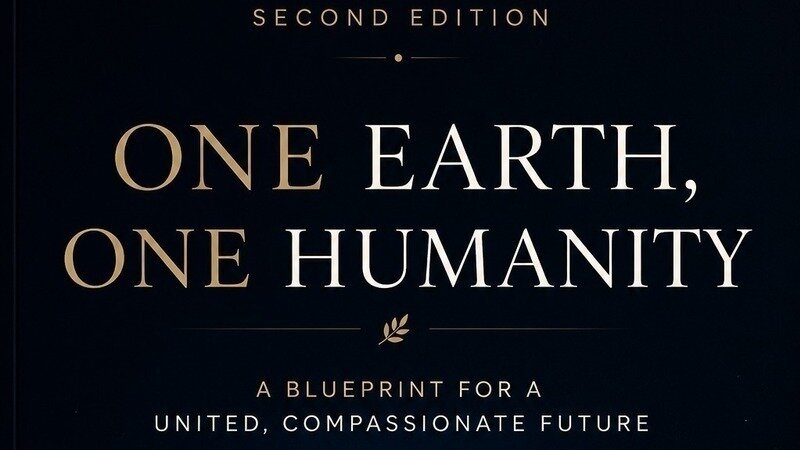
When One Earth, One Humanity: A Blueprint for a United, Compassionate Future was first published, it sparked conversations far beyond what I had anticipated. The book's central message was simple yet ambitious: humanity's greatest challenges can only be addressed through greater cooperation, deeper understanding, and a broader sense of shared responsibility. While many readers embraced the vision, others reacted strongly to the title and themes, often before engaging with the book itself. Rather than discouraging me, those reactions became part of the story. Now, I am preparing a significantly expanded Second Edition, not because the first edition is being replaced, but because the response to it revealed something important about the world we live in today.
The first edition taught me as much as I hoped it would teach readers. It showed me how deeply questions of identity, belonging, borders, culture, and security affect the way people see the future. Many people were reacting to fears and assumptions before they had even encountered the arguments themselves. I realised those fears needed to be explored, understood, and addressed directly.
The new edition retains the original vision while broadening the conversation. Instead of beginning with conclusions, the revised book starts with questions. Why are societies becoming more connected and more divided at the same time? Why do people feel such strong attachment to nations, cultures, and identities? Why does the idea of greater global cooperation inspire hope in some people and anxiety in others? These questions form the foundation of the new edition. The revised manuscript explores the psychological roots of identity, the history of human cooperation, the realities of migration, the challenges of climate change, technological transformation, and the growing gap between global problems and national solutions. Importantly, the second edition seeks to clarify what the book does and does not advocate.
It is not a call to erase cultures, abolish identities, or create uniformity. Human unity does not mean human sameness. The goal is not to replace diversity but to explore how humanity might learn to cooperate more effectively while preserving the richness of different cultures, traditions, and communities. The timing of the new edition comes amid increasing global uncertainty. From geopolitical tensions and armed conflicts to climate pressures, technological disruption, migration debates, and economic instability, many of the issues shaping the twenty-first century extend beyond national borders. This reality makes the conversation more relevant than ever. We share one planet. We face many common challenges. Whether we like it or not, our futures are increasingly interconnected. The question is not whether humanity is connected. The question is whether we can learn to act wisely within that reality.
The Second Edition of One Earth, One Humanity will feature a completely redesigned structure, expanded analysis, new chapters addressing common objections, and a more conversational style aimed at engaging both supporters and sceptics alike. At its heart, however, the book remains true to its original purpose: exploring whether a more cooperative, compassionate, and united future is possible for humanity.
As work on the new edition continues, one thing remains unchanged. The conversation has only just begun.