

Narwhal-Greenland Shark-Polar Bear We Need To Protect by Lars Ole Mortensen
The Issue
NARWHAL-GREENLAND SHARK-POLAR BEAR
THEY NEED TO BE PROTECTED
by Lars Ole Mortensen
I will translate for you from ENGLISH TO:
| DANISH | FRENCH | GRONLANDIC / any language and feel free to respond in your language
The Narwhal The Greenland Shark And The Polar Bear Need To Be Protected From Illegal Hunting In The Waters Of Greenland-Kingdom Of Denmark by Lars Ole Mortensen
Danish researchers, including myself are in a study to find out how the Greenland Shark can live to 5 1 2 years.
A proven fact, now Denmark can make a claim in our waters we have the oldest creature, an incredible but confirmed study of the Greenland Shark. Scientists still do not know the answer to the longevity question: How can they live this long? One reason for the study is to find ways to replicate the ability for humans to live longer. Some sharks, which include the Greenland Shark move about their lives very slowly to conserve energy. We concluded the result of study: likely due to its life in cold arctic waters, its low metabolism and its life in slow motion.
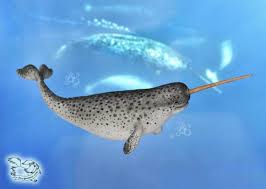
The Narwhal, known as the Unicorn Of The Sea, are found in the Canadian Arctic, Russian Arctic, Svalbard as well as Eastern and Western Greenland. We estimate that there are 110,000 left in the arctic today. The narwhal can live to over 100 years and are adapted to the extreme cold of the arctic.
Our Polar Bear, estimate to be only 20,000 left on this planet, inhabit the coldest part of the arctic. Our Danish-Norwegian king at the time was annoyed with how other countries, especially the Dutch tried to take claim to our Greenland. So, in 1666 the king created a royal coat of arms to show presence and impose the idea that polar bears also inhabit this territory. To show the Dutch: "Keep out of our land and beware of the polar bear... was the warning". Then in 1721, the Norwegians established a new colony and trading post. In 1953 Greenland ceased to be a colony and became part of the Kingdom of Denmark. Seal hunting, cod fishing and sheep raising and wool industry was the primary industry at the time.
We, in Greenland will never sell our lands to anyone. We, the Greenlandic Inuit, are a proud people and we care so much for our lands and waters. We have magnificent polar bears, musk oxen, reindeer, narwhal, whales, and greenland sharks (the oldest living creature living today 512 years)
The polar bear is our national animal here in Greenland. For centuries we have represented on our coat of arms this magnificant bear. We call our bear in Greenlandic Nanoq and is considered the King of the Arctic. The polar bear spends all of its life in and around water, now considered a marine mammal. Spending their lives mostly on sea ice, they are found primarily in the Northeast corner of Greenland.
On the Danish coat of arms we include the polar bear and on the Greenlandic coat of arms the polar bear raises its left paw. The traditional Inuit belief is to symbolize the polar bear in this position.
Scientific Studies Concluded: Denmark Can Claim To Have The Oldest Living Sharks In Our Greenlandic Waters by Lars Ole Mortensen
Denmark has controlled Greenland since 1380 when the Kingdom of Norway came under the Danish Royal Crown.
We will always hold on to our lands and waters in Greenland. We do have this history. Look to the year 1513 which is the year of the birth of living Greenland Sharks. This was the year of the reign of King Christian II being crowned the King of Denmark and Norway. It was also a significant year for the end of the Kalmar Union which was a political union in Scandinavia at that time.
Danish researchers, including myself are in a study to find out how the Greenland Shark can live to 512 years.
A proven fact, now Denmark can make a claim in our waters we have the oldest creature, an incredible but confirmed study of the Greenland Shark. Scientists still do not know the answer to the longevity question: How can they live this long? One reason for the study is to find ways to replicate the ability for humans to live longer. Some sharks, which include the Greenland Shark move about their lives very slowly to conserve energy. We concluded the result of study: likely due to its life in cold arctic waters, its low metabolism and its life in slow motion.
The only natural predator of the Greenland Shark, its neighbor the Polar Bear. Now known as a marine mammal, due to the fact the polar bear spends most of its life hunting on ice and in and around water, preys upon seals, beluga whales, narwhals and the Greenland Shark. There have been cases after autopsy studies where remains of the shark have been discovered in its stomach. In turn, the bear have been hunted by the shark as well.
Both bear and shark need to be protected from illegal hunters since the populations are rapidly disappearing. No need for humans to hunt and kill the Greenland Shark for food, fore the meat is highly toxic to humans. It is hard to know exactly how many sharks are in Greenlandic waters, but biologists believe there are an estimate of around 90,000 still living. Each year 10,000 are hunted and killed for food and research. Knowing this behavior, in under a decade there will be no more Greenland Sharks. The Polar Bears as well are disappearing, only 20,000 left in a few arctic locations, which includes 2,500 living in Northern Greenland. They both need to be protected from illegal hunting.
In conclusion, our Greenlandic Sharks can now be added to the list of fauna which have a much higher longevity than any other creature on this planet.
Grønland Polar Bear
Greenland: The Western Outpost Of Scandinavia
by
Lars Ole Mortensen
Our Danish-Norwegian king at the time was annoyed with how other countries, especially the Dutch tried to take claim to Greenland. So, in 1666 the king created a royal coat of arms to show presence and impose the idea that polar bears also inhabit this territory. To show the Dutch: "Keep out of our land and beware of the polar bear... was the warning". Then in 1721, the Norwegians established a new colony and trading post. In 1953 Greenland ceased to be a colony and became part of the Kingdom of Denmark. Seal hunting, cod fishing and sheep raising and wool industry was the primary industry at the time.
We, in Greenland will never sell our lands to anyone. We, the Greenlandic Inuit, are a proud people and we care so much for our lands and waters. We have magnificent polar bears, musk oxen, reindeer, narwhal, whales, and greenland sharks (the oldest living creature living today 512 years)
The polar bear is our national animal here in Greenland. For centuries we have represented on our coat of arms this magnificant bear. We call our bear in Greenlandic Nanoq and is considered the King of the Arctic. The polar bear spends all of its life in and around water, now considered a marine mammal. Spending their lives mostly on sea ice, they are found primarily in the Northeast corner of Greenland.
On the Danish coat of arms we include the polar bear and on the Greenlandic coat of arms the polar bear raises its left paw. The traditional Inuit belief is to symbolize the polar bear in this position.

10
The Issue
NARWHAL-GREENLAND SHARK-POLAR BEAR
THEY NEED TO BE PROTECTED
by Lars Ole Mortensen
I will translate for you from ENGLISH TO:
| DANISH | FRENCH | GRONLANDIC / any language and feel free to respond in your language
The Narwhal The Greenland Shark And The Polar Bear Need To Be Protected From Illegal Hunting In The Waters Of Greenland-Kingdom Of Denmark by Lars Ole Mortensen
Danish researchers, including myself are in a study to find out how the Greenland Shark can live to 5 1 2 years.
A proven fact, now Denmark can make a claim in our waters we have the oldest creature, an incredible but confirmed study of the Greenland Shark. Scientists still do not know the answer to the longevity question: How can they live this long? One reason for the study is to find ways to replicate the ability for humans to live longer. Some sharks, which include the Greenland Shark move about their lives very slowly to conserve energy. We concluded the result of study: likely due to its life in cold arctic waters, its low metabolism and its life in slow motion.
The Narwhal, known as the Unicorn Of The Sea, are found in the Canadian Arctic, Russian Arctic, Svalbard as well as Eastern and Western Greenland. We estimate that there are 110,000 left in the arctic today. The narwhal can live to over 100 years and are adapted to the extreme cold of the arctic.
Our Polar Bear, estimate to be only 20,000 left on this planet, inhabit the coldest part of the arctic. Our Danish-Norwegian king at the time was annoyed with how other countries, especially the Dutch tried to take claim to our Greenland. So, in 1666 the king created a royal coat of arms to show presence and impose the idea that polar bears also inhabit this territory. To show the Dutch: "Keep out of our land and beware of the polar bear... was the warning". Then in 1721, the Norwegians established a new colony and trading post. In 1953 Greenland ceased to be a colony and became part of the Kingdom of Denmark. Seal hunting, cod fishing and sheep raising and wool industry was the primary industry at the time.
We, in Greenland will never sell our lands to anyone. We, the Greenlandic Inuit, are a proud people and we care so much for our lands and waters. We have magnificent polar bears, musk oxen, reindeer, narwhal, whales, and greenland sharks (the oldest living creature living today 512 years)
The polar bear is our national animal here in Greenland. For centuries we have represented on our coat of arms this magnificant bear. We call our bear in Greenlandic Nanoq and is considered the King of the Arctic. The polar bear spends all of its life in and around water, now considered a marine mammal. Spending their lives mostly on sea ice, they are found primarily in the Northeast corner of Greenland.
On the Danish coat of arms we include the polar bear and on the Greenlandic coat of arms the polar bear raises its left paw. The traditional Inuit belief is to symbolize the polar bear in this position.
Scientific Studies Concluded: Denmark Can Claim To Have The Oldest Living Sharks In Our Greenlandic Waters by Lars Ole Mortensen
Denmark has controlled Greenland since 1380 when the Kingdom of Norway came under the Danish Royal Crown.
We will always hold on to our lands and waters in Greenland. We do have this history. Look to the year 1513 which is the year of the birth of living Greenland Sharks. This was the year of the reign of King Christian II being crowned the King of Denmark and Norway. It was also a significant year for the end of the Kalmar Union which was a political union in Scandinavia at that time.
Danish researchers, including myself are in a study to find out how the Greenland Shark can live to 512 years.
A proven fact, now Denmark can make a claim in our waters we have the oldest creature, an incredible but confirmed study of the Greenland Shark. Scientists still do not know the answer to the longevity question: How can they live this long? One reason for the study is to find ways to replicate the ability for humans to live longer. Some sharks, which include the Greenland Shark move about their lives very slowly to conserve energy. We concluded the result of study: likely due to its life in cold arctic waters, its low metabolism and its life in slow motion.
The only natural predator of the Greenland Shark, its neighbor the Polar Bear. Now known as a marine mammal, due to the fact the polar bear spends most of its life hunting on ice and in and around water, preys upon seals, beluga whales, narwhals and the Greenland Shark. There have been cases after autopsy studies where remains of the shark have been discovered in its stomach. In turn, the bear have been hunted by the shark as well.
Both bear and shark need to be protected from illegal hunters since the populations are rapidly disappearing. No need for humans to hunt and kill the Greenland Shark for food, fore the meat is highly toxic to humans. It is hard to know exactly how many sharks are in Greenlandic waters, but biologists believe there are an estimate of around 90,000 still living. Each year 10,000 are hunted and killed for food and research. Knowing this behavior, in under a decade there will be no more Greenland Sharks. The Polar Bears as well are disappearing, only 20,000 left in a few arctic locations, which includes 2,500 living in Northern Greenland. They both need to be protected from illegal hunting.
In conclusion, our Greenlandic Sharks can now be added to the list of fauna which have a much higher longevity than any other creature on this planet.
Grønland Polar Bear
Greenland: The Western Outpost Of Scandinavia
by
Lars Ole Mortensen
Our Danish-Norwegian king at the time was annoyed with how other countries, especially the Dutch tried to take claim to Greenland. So, in 1666 the king created a royal coat of arms to show presence and impose the idea that polar bears also inhabit this territory. To show the Dutch: "Keep out of our land and beware of the polar bear... was the warning". Then in 1721, the Norwegians established a new colony and trading post. In 1953 Greenland ceased to be a colony and became part of the Kingdom of Denmark. Seal hunting, cod fishing and sheep raising and wool industry was the primary industry at the time.
We, in Greenland will never sell our lands to anyone. We, the Greenlandic Inuit, are a proud people and we care so much for our lands and waters. We have magnificent polar bears, musk oxen, reindeer, narwhal, whales, and greenland sharks (the oldest living creature living today 512 years)
The polar bear is our national animal here in Greenland. For centuries we have represented on our coat of arms this magnificant bear. We call our bear in Greenlandic Nanoq and is considered the King of the Arctic. The polar bear spends all of its life in and around water, now considered a marine mammal. Spending their lives mostly on sea ice, they are found primarily in the Northeast corner of Greenland.
On the Danish coat of arms we include the polar bear and on the Greenlandic coat of arms the polar bear raises its left paw. The traditional Inuit belief is to symbolize the polar bear in this position.
The Decision Makers

Petition Updates
Share this petition
Petition created on 15 January 2025