

Make Sleep a Core Part of Scotland’s Curriculum – bring sleep into the classroom!
The Issue
Sleep is not a luxury; it is a necessity as fundamental to health and wellbeing as a healthy diet and getting enough exercise. At the UK’s oldest sleep charity, Sleep Action (formerly Sleep Scotland), we believe it is time for Scotland to wake up to the importance of sleep and embed it meaningfully within the education system.
Scotland is a nation that values education, equity and wellbeing. By including sleep in the curriculum, we take a powerful step towards ensuring every child and young person can reach their full potential.
We urge decision-makers to act now. It’s time to bring sleep into the classroom, because there is no health and wellbeing without sleep.
Our Vision
A Scotland where every child and young person has the knowledge, tools and support to establish healthy sleep routines, empowering them to thrive in school, at home, and in their communities.
Why Sleep Must Be Part of the Curriculum:
1. Sleep Underpins Learning and Wellbeing

Children and young people who sleep well learn more effectively, show increased emotional regulation, and experience improved physical and mental health.
Sleep is central to cognitive development, memory consolidation and emotional resilience. Without it, we undermine the potential of Curriculum for Excellence to achieve its four capacities: successful learners, confident individuals, responsible citizens, and effective contributors.
2. The Evidence of the Benefits of Sleep is Clear

Research shows a direct link between poor sleep and lower academic performance, as well as an increased risk of anxiety and depression. We know there are higher rates of behavioural challenges and greater socio-emotional difficulties for young people with poor sleep. This impacts the whole family. Despite this evidence, sleep remains absent from the national curriculum. This is a missed opportunity for prevention and early intervention.
3. Health Inequalities and Sleep
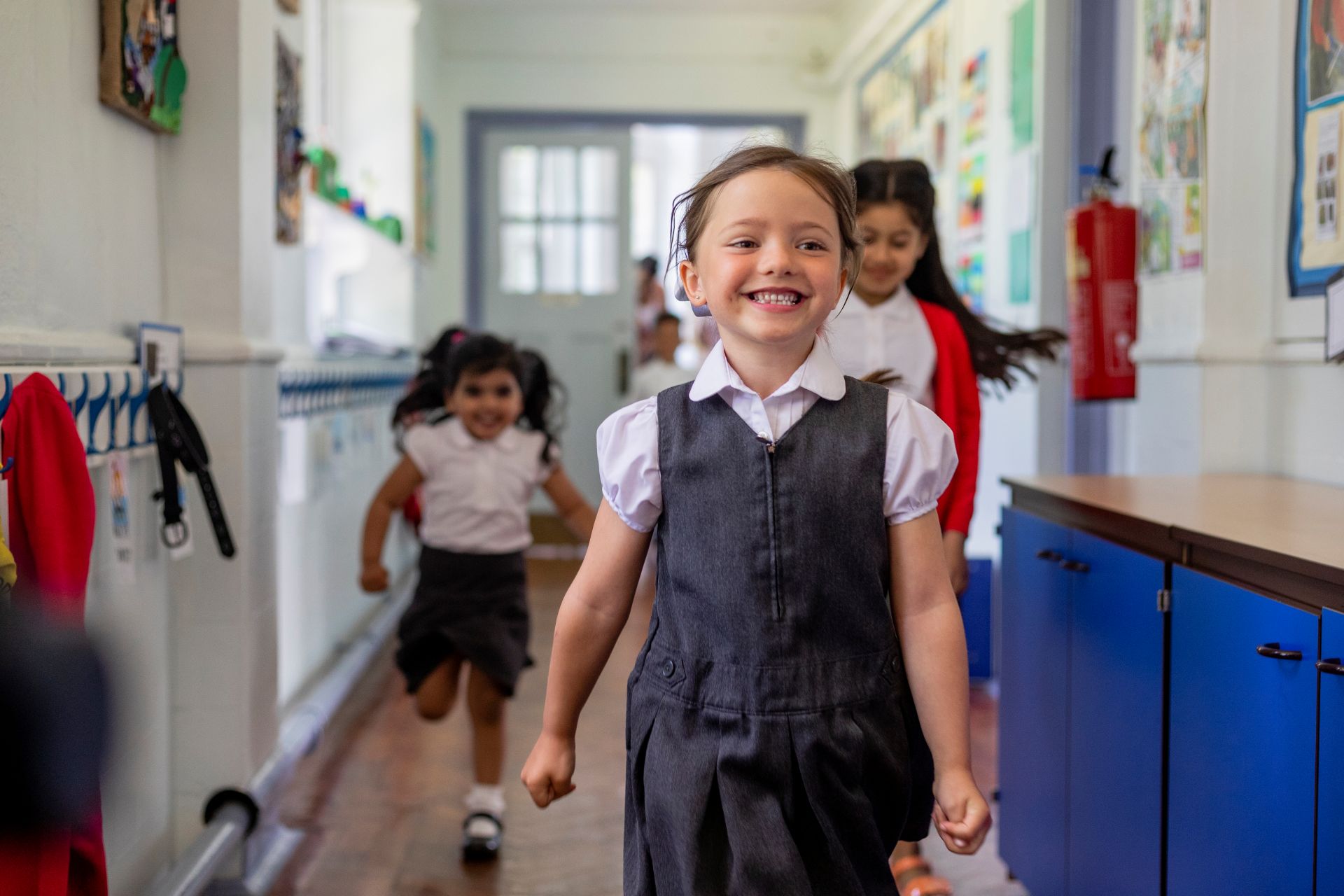
Sleep deprivation disproportionately affects children living in poverty or experiencing adversity. By embedding sleep education in the curriculum, we can help reduce health inequalities and support the Scottish Government’s vision for a fairer, healthier nation under the Public Health Scotland Strategic Plan and The Promise.
Our Call to Action
We are calling on the Scottish Government, Education Scotland and local authorities to:
1. Include Sleep in Health and Wellbeing Curricula
Ensure sleep is taught explicitly and appropriately at each level of the Curriculum for Excellence, with tailored content for early years, primary, and secondary pupils.
2. Provide Resources and Training for Educators
Equip teachers with high-quality, evidence-based tools and CPD to confidently deliver sleep education and recognise when a child may need more support.
3. Support Whole-School Approaches to Sleep
Incorporate sleep awareness into whole-school policies, including pastoral care, behaviour, and mental health strategies.

565
The Issue
Sleep is not a luxury; it is a necessity as fundamental to health and wellbeing as a healthy diet and getting enough exercise. At the UK’s oldest sleep charity, Sleep Action (formerly Sleep Scotland), we believe it is time for Scotland to wake up to the importance of sleep and embed it meaningfully within the education system.
Scotland is a nation that values education, equity and wellbeing. By including sleep in the curriculum, we take a powerful step towards ensuring every child and young person can reach their full potential.
We urge decision-makers to act now. It’s time to bring sleep into the classroom, because there is no health and wellbeing without sleep.
Our Vision
A Scotland where every child and young person has the knowledge, tools and support to establish healthy sleep routines, empowering them to thrive in school, at home, and in their communities.
Why Sleep Must Be Part of the Curriculum:
1. Sleep Underpins Learning and Wellbeing
Children and young people who sleep well learn more effectively, show increased emotional regulation, and experience improved physical and mental health.
Sleep is central to cognitive development, memory consolidation and emotional resilience. Without it, we undermine the potential of Curriculum for Excellence to achieve its four capacities: successful learners, confident individuals, responsible citizens, and effective contributors.
2. The Evidence of the Benefits of Sleep is Clear
Research shows a direct link between poor sleep and lower academic performance, as well as an increased risk of anxiety and depression. We know there are higher rates of behavioural challenges and greater socio-emotional difficulties for young people with poor sleep. This impacts the whole family. Despite this evidence, sleep remains absent from the national curriculum. This is a missed opportunity for prevention and early intervention.
3. Health Inequalities and Sleep
Sleep deprivation disproportionately affects children living in poverty or experiencing adversity. By embedding sleep education in the curriculum, we can help reduce health inequalities and support the Scottish Government’s vision for a fairer, healthier nation under the Public Health Scotland Strategic Plan and The Promise.
Our Call to Action
We are calling on the Scottish Government, Education Scotland and local authorities to:
1. Include Sleep in Health and Wellbeing Curricula
Ensure sleep is taught explicitly and appropriately at each level of the Curriculum for Excellence, with tailored content for early years, primary, and secondary pupils.
2. Provide Resources and Training for Educators
Equip teachers with high-quality, evidence-based tools and CPD to confidently deliver sleep education and recognise when a child may need more support.
3. Support Whole-School Approaches to Sleep
Incorporate sleep awareness into whole-school policies, including pastoral care, behaviour, and mental health strategies.
Petition Updates
Share this petition
Petition created on 23 September 2025