Lower the pack-year threshold for lung cancer screening

Lower the pack-year threshold for lung cancer screening
The Issue
According to the Lung Cancer Research Foundation, lung cancer is the LEADING cause of cancer-related deaths in the United States. About 10–20% of lung cancers occur in young people who never smoked. Cases are increasing in younger non-smokers, especially women. Young people who deserve a full and happy life deserve the best possible chance at early detection, which is key to successful treatment. In the U.S. women under 65 now have higher lung cancer rates than men.
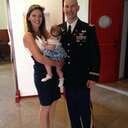
My husband, a dedicated veteran, was recently diagnosed with stage 4 lung cancer, a diagnosis that shattered our world. This devastating news could have been avoided if he had been eligible for earlier screening. He served our country, was exposed to various risk factors during his military service, yet he was missed by the current age and pack-year restricted guidelines.
Currently, the USPSTF guidelines recommend lung cancer screening for individuals over 50 with a 20 pack-year smoking history. However, this guideline overlooks many high-risk groups. The unfortunate truth is as a result of the current guidelines, lung cancer often remains undetected until it's too late, particularly among those who don't meet the rigid 20 pack-year criterion. This includes:
• Women
• Never-smokers with additional risk factors
• Veterans and those with documented environmental exposures
The U.S. Preventive Services Task Force (USPSTF) needs to reevaluate the criteria for lung cancer screening and include additional risk factors such as military service. In addition, lung cancer rates are increasing in Asian-American women - 30–40% in this group are never-smokers.
We call upon the USPSTF to lower the pack-year threshold or include additional risk factors such as military service, for lung cancer screening eligibility. The USPSTF's current framework for defining “high risk” is too narrow - while it is true that smoking remains the largest risk factor, there is growing evidence that a meaningful number of lung cancer cases occur in individuals who do not meet the current pack-year thresholds. These patients are diagnosed at later stages, when treatment options are limited and outcomes are significantly worse.
This raises an important question:
How is the Task Force accounting for the harm of missed or delayed diagnoses in populations who fall outside current screening criteria?
Additionally, if the limitation is a lack of sufficient trial data, what steps are being taken—or recommended by the Task Force—to encourage or prioritize research that includes the above populations.
Without targeted research in these groups, the evidence gap will persist, and screening recommendations will continue to EXCLUDE individuals who could benefit from early detection.Early detection through screenings can lead to successful treatment and save countless lives. By adjusting the guidelines to lower the pack-year threshold or include additional risk factors, we can ensure that high-risk groups are not neglected.
Please join us in advocating for this necessary change. Sign this petition to urge the USPSTF to update their screening guidelines, so we can save lives and offer hope to families like mine across the country.
47
The Issue
According to the Lung Cancer Research Foundation, lung cancer is the LEADING cause of cancer-related deaths in the United States. About 10–20% of lung cancers occur in young people who never smoked. Cases are increasing in younger non-smokers, especially women. Young people who deserve a full and happy life deserve the best possible chance at early detection, which is key to successful treatment. In the U.S. women under 65 now have higher lung cancer rates than men.
My husband, a dedicated veteran, was recently diagnosed with stage 4 lung cancer, a diagnosis that shattered our world. This devastating news could have been avoided if he had been eligible for earlier screening. He served our country, was exposed to various risk factors during his military service, yet he was missed by the current age and pack-year restricted guidelines.
Currently, the USPSTF guidelines recommend lung cancer screening for individuals over 50 with a 20 pack-year smoking history. However, this guideline overlooks many high-risk groups. The unfortunate truth is as a result of the current guidelines, lung cancer often remains undetected until it's too late, particularly among those who don't meet the rigid 20 pack-year criterion. This includes:
• Women
• Never-smokers with additional risk factors
• Veterans and those with documented environmental exposures
The U.S. Preventive Services Task Force (USPSTF) needs to reevaluate the criteria for lung cancer screening and include additional risk factors such as military service. In addition, lung cancer rates are increasing in Asian-American women - 30–40% in this group are never-smokers.
We call upon the USPSTF to lower the pack-year threshold or include additional risk factors such as military service, for lung cancer screening eligibility. The USPSTF's current framework for defining “high risk” is too narrow - while it is true that smoking remains the largest risk factor, there is growing evidence that a meaningful number of lung cancer cases occur in individuals who do not meet the current pack-year thresholds. These patients are diagnosed at later stages, when treatment options are limited and outcomes are significantly worse.
This raises an important question:
How is the Task Force accounting for the harm of missed or delayed diagnoses in populations who fall outside current screening criteria?
Additionally, if the limitation is a lack of sufficient trial data, what steps are being taken—or recommended by the Task Force—to encourage or prioritize research that includes the above populations.
Without targeted research in these groups, the evidence gap will persist, and screening recommendations will continue to EXCLUDE individuals who could benefit from early detection.Early detection through screenings can lead to successful treatment and save countless lives. By adjusting the guidelines to lower the pack-year threshold or include additional risk factors, we can ensure that high-risk groups are not neglected.
Please join us in advocating for this necessary change. Sign this petition to urge the USPSTF to update their screening guidelines, so we can save lives and offer hope to families like mine across the country.
47
The Decision Makers


Petition Updates
Share this petition
Petition created on April 4, 2026