

Legalise Prenuptial Agreements under the Hindu Marriage Act, 1955
The Issue

Time to Amend the Hindu Marriage Act: Equality Means Fairness for All
The Hindu Marriage Act, 1955, was a landmark law in its time, but after 70 years, society has evolved—and so must our laws. While the Act was introduced to protect women from unjust practices like child marriage, abandonment, and dowry harassment, in today's reality, gender equality must mean fairness for all, not privilege for some.
There has been a growing misuse of dowry laws, where some individuals exploit legal provisions like Section 498A of the Indian Penal Code to harass, defame, or extort men and their families through false allegations. While the original intent was noble—to protect women from cruelty and violence—no law should become a tool of revenge or manipulation.
Did you know that Mark Zuckerberg and Priscilla had a prenup?
Prenuptial agreements are beneficial for they act as protection for couples who consent mutually to such agreements, mainly to protect their assets and to clarify any financial liabilities they might have in case of a separation. These agreements bring transparency, financial security, and bring mutual understanding about financial arrangements in a marriage.
They're acknowledged and recognised in countries around the world. According to a report by UN Women (2019), about 46 countries recognize prenuptial agreements, providing clear divorce terms that ensure fairness.
If Jeff Bezos and MacKenzie had entered into a prenup, the division of the assets might have been different. Further, she might not become one of the wealthiest women in the world by getting 25% of Jeff's stock.

Although legally there is no drawback of a prenup agreement, but, it is still a social taboo in India. It creates a negative impression of the couple who does it, or any of the partners, who offers it. It can intensify the importance of money between the couple, instead of strengthening marriage and understanding. Because marriage been considered as a very holy practise, couples who opt a prenup agreement, are regarded as either way too practical, or has been decided that the marriage won’t last.
And now looking at the far positive side, a prenuptial agreement,
- Speeds up maintenance and legal separation processes.
- Reduces high legal fees by minimizing lawyer involvement.
- Shields both parties from each other’s debts.
- Ensures financial security for both in case of death.
- Protects the child’s welfare during divorce or separation.
- Pre-defines financial arrangements, ensuring future stability.
- Secures custody and remarriage rights.
- Minimizes court conflicts, promoting smoother proceedings.

Prenups are tools for preventing future litigation in matrimonial relations. According to 2020 data, around 11.4 lakh cases are pending in the family courts in India. These agreements lower the burden on the judiciary.
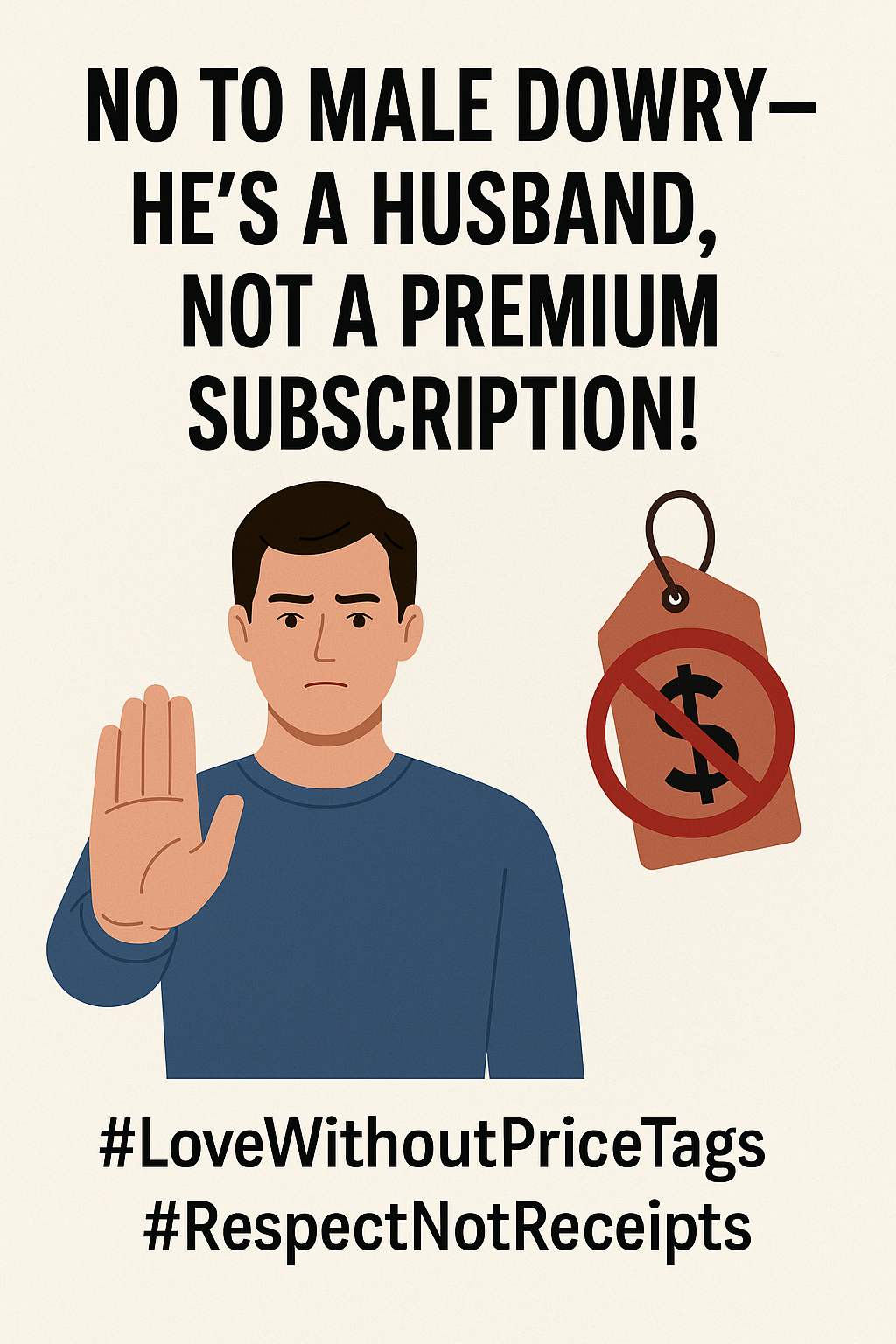
Alimony today often feels like a legalized form of male dowry—a system that punishes men simply for having been in a relationship. What was meant to be support has, in too many cases, become a tool of exploitation, where some women treat divorce like a business opportunity.
We call on lawmakers to revise the Hindu Marriage Act, make it more progressive, and legalise prenuptial agreements. This change would recognise the rights of individuals to secure their financial futures and enable transparency within the system.
Sign this petition to raise awareness and influence change!

312
The Issue
Time to Amend the Hindu Marriage Act: Equality Means Fairness for All
The Hindu Marriage Act, 1955, was a landmark law in its time, but after 70 years, society has evolved—and so must our laws. While the Act was introduced to protect women from unjust practices like child marriage, abandonment, and dowry harassment, in today's reality, gender equality must mean fairness for all, not privilege for some.
There has been a growing misuse of dowry laws, where some individuals exploit legal provisions like Section 498A of the Indian Penal Code to harass, defame, or extort men and their families through false allegations. While the original intent was noble—to protect women from cruelty and violence—no law should become a tool of revenge or manipulation.
Did you know that Mark Zuckerberg and Priscilla had a prenup?
Prenuptial agreements are beneficial for they act as protection for couples who consent mutually to such agreements, mainly to protect their assets and to clarify any financial liabilities they might have in case of a separation. These agreements bring transparency, financial security, and bring mutual understanding about financial arrangements in a marriage.
They're acknowledged and recognised in countries around the world. According to a report by UN Women (2019), about 46 countries recognize prenuptial agreements, providing clear divorce terms that ensure fairness.
If Jeff Bezos and MacKenzie had entered into a prenup, the division of the assets might have been different. Further, she might not become one of the wealthiest women in the world by getting 25% of Jeff's stock.
Although legally there is no drawback of a prenup agreement, but, it is still a social taboo in India. It creates a negative impression of the couple who does it, or any of the partners, who offers it. It can intensify the importance of money between the couple, instead of strengthening marriage and understanding. Because marriage been considered as a very holy practise, couples who opt a prenup agreement, are regarded as either way too practical, or has been decided that the marriage won’t last.
And now looking at the far positive side, a prenuptial agreement,
- Speeds up maintenance and legal separation processes.
- Reduces high legal fees by minimizing lawyer involvement.
- Shields both parties from each other’s debts.
- Ensures financial security for both in case of death.
- Protects the child’s welfare during divorce or separation.
- Pre-defines financial arrangements, ensuring future stability.
- Secures custody and remarriage rights.
- Minimizes court conflicts, promoting smoother proceedings.
Prenups are tools for preventing future litigation in matrimonial relations. According to 2020 data, around 11.4 lakh cases are pending in the family courts in India. These agreements lower the burden on the judiciary.
Alimony today often feels like a legalized form of male dowry—a system that punishes men simply for having been in a relationship. What was meant to be support has, in too many cases, become a tool of exploitation, where some women treat divorce like a business opportunity.
We call on lawmakers to revise the Hindu Marriage Act, make it more progressive, and legalise prenuptial agreements. This change would recognise the rights of individuals to secure their financial futures and enable transparency within the system.
Sign this petition to raise awareness and influence change!
The Decision Makers
Petition Updates
Share this petition
Petition created on 27 April 2025