

Ku Kia‘i POLO BEACH [Mālama • Hoʻomau • Hoʻōla]
The Issue
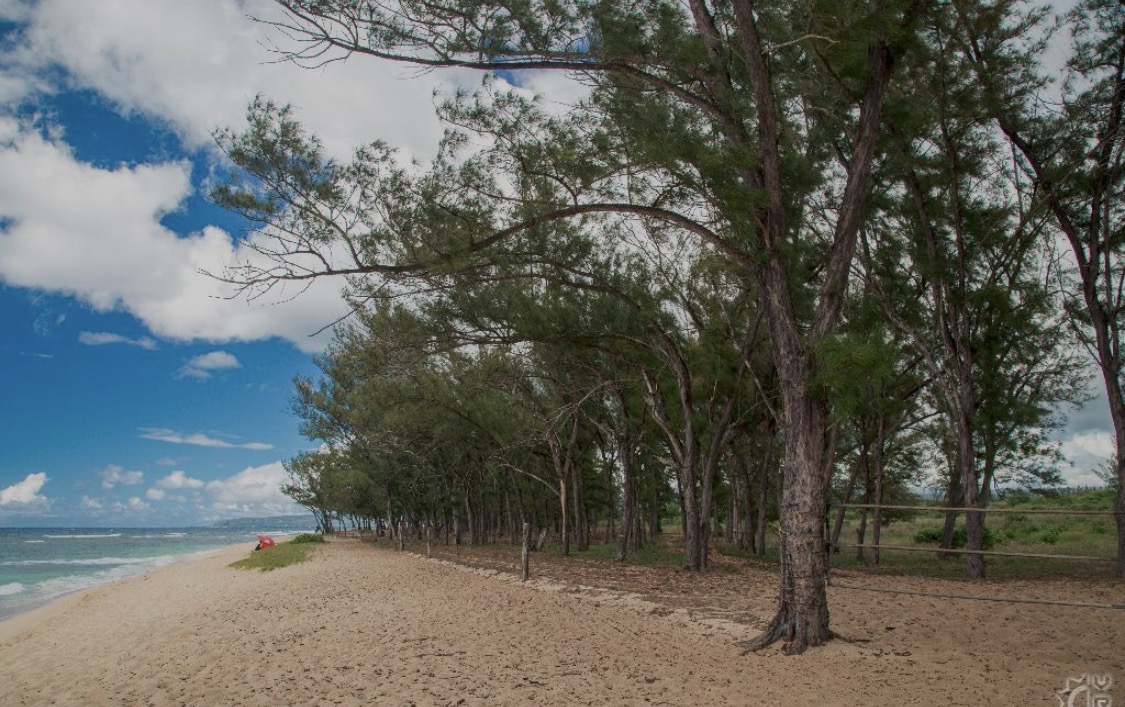
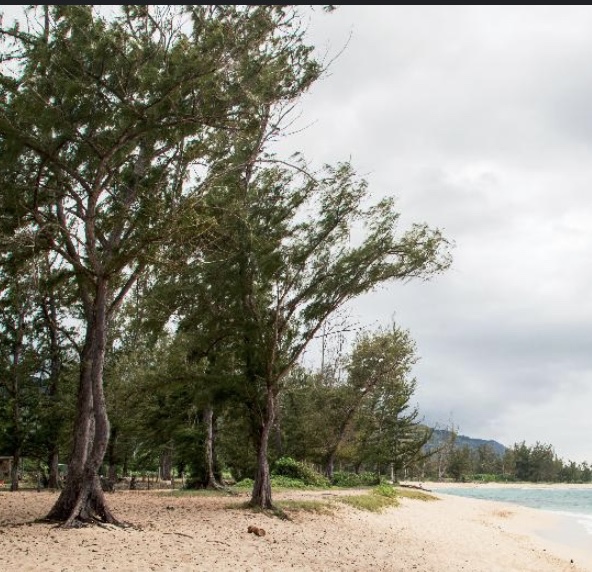
Makaleha Beach Park - also known as (Polo Beach) part of the Ahapua’a of Mokuleia, North Shore, Oahu. Circa 2020
The heart of our community aches as we witness the rapid deforestation and destruction of the precious forests at Polo Beach in Mokulē‘ia, Oʻahu.
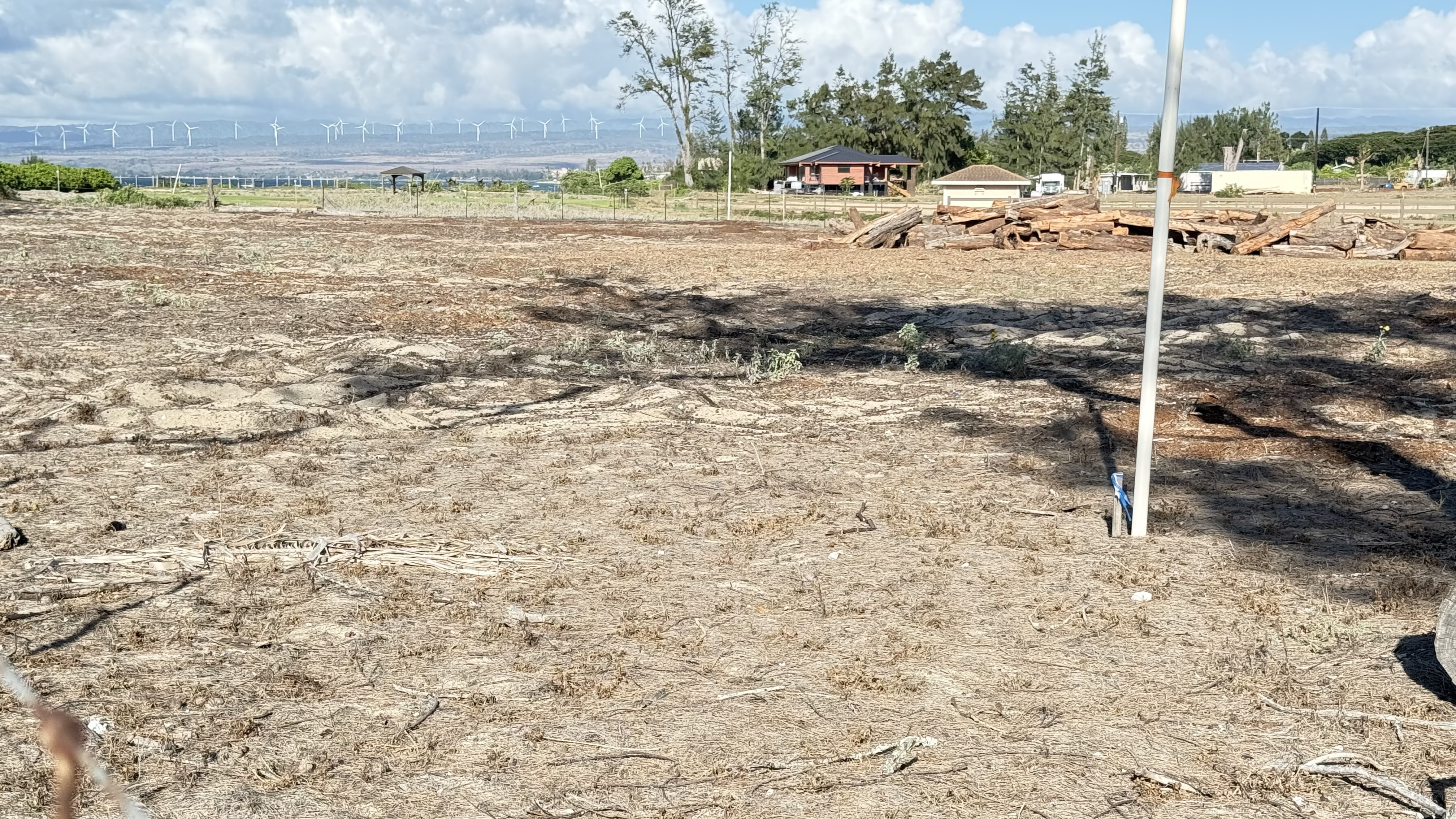
More than 50% of the forested area has already been cleared to make way for luxury homes — directly threatening critical habitats for endangered and native species that call this ʻāina and surrounding kai home.
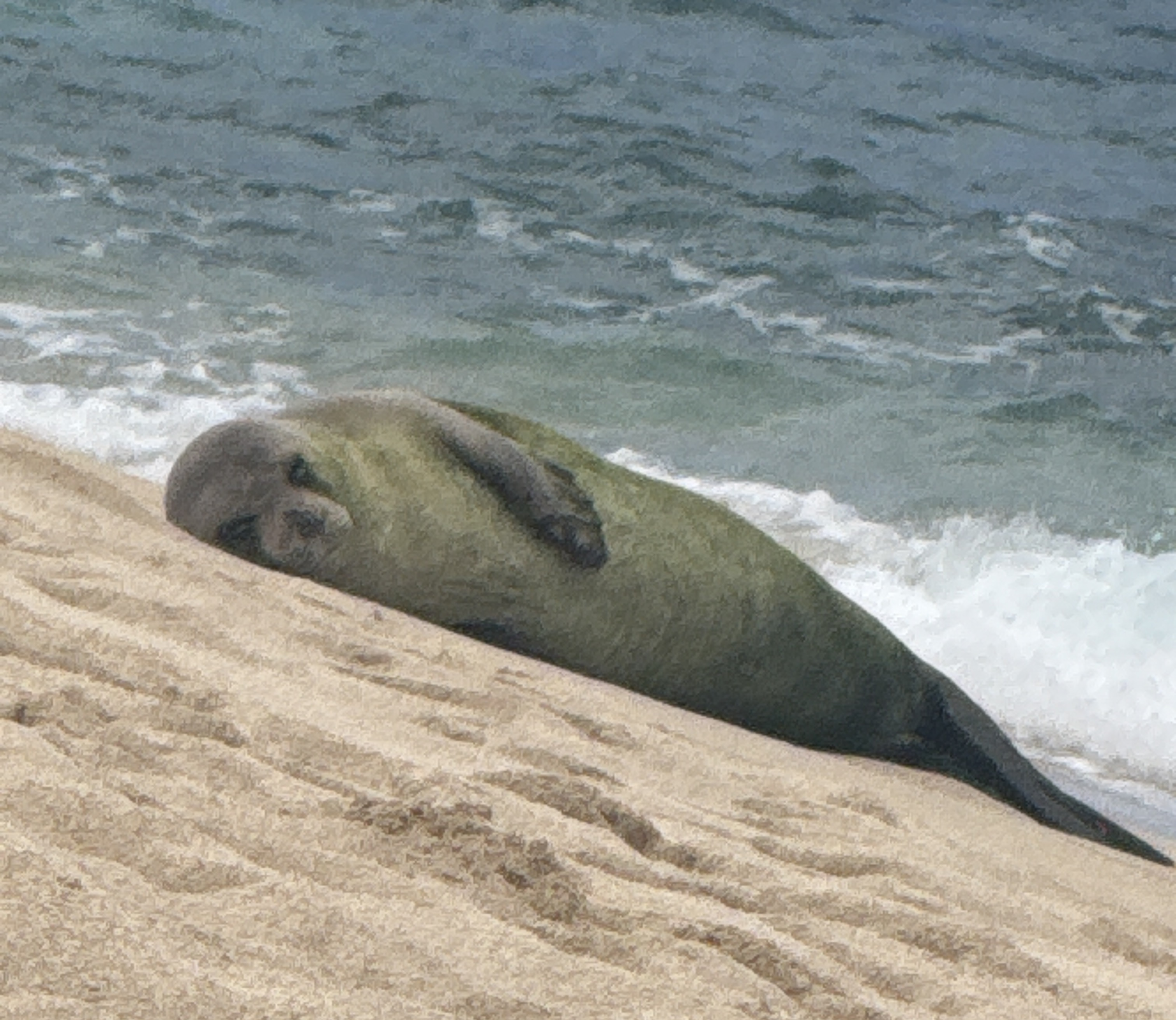
ʻIlio-holo-i-ka-uaua (Hawaiian Monk Seal)
Among them are ʻIlio-holo-i-ka-uaua (Hawaiian Monk Seal), the Koholā (Humpback Whale), and the ʻŌpeʻapeʻa (Hawaiian Hoary Bat) — all federally listed
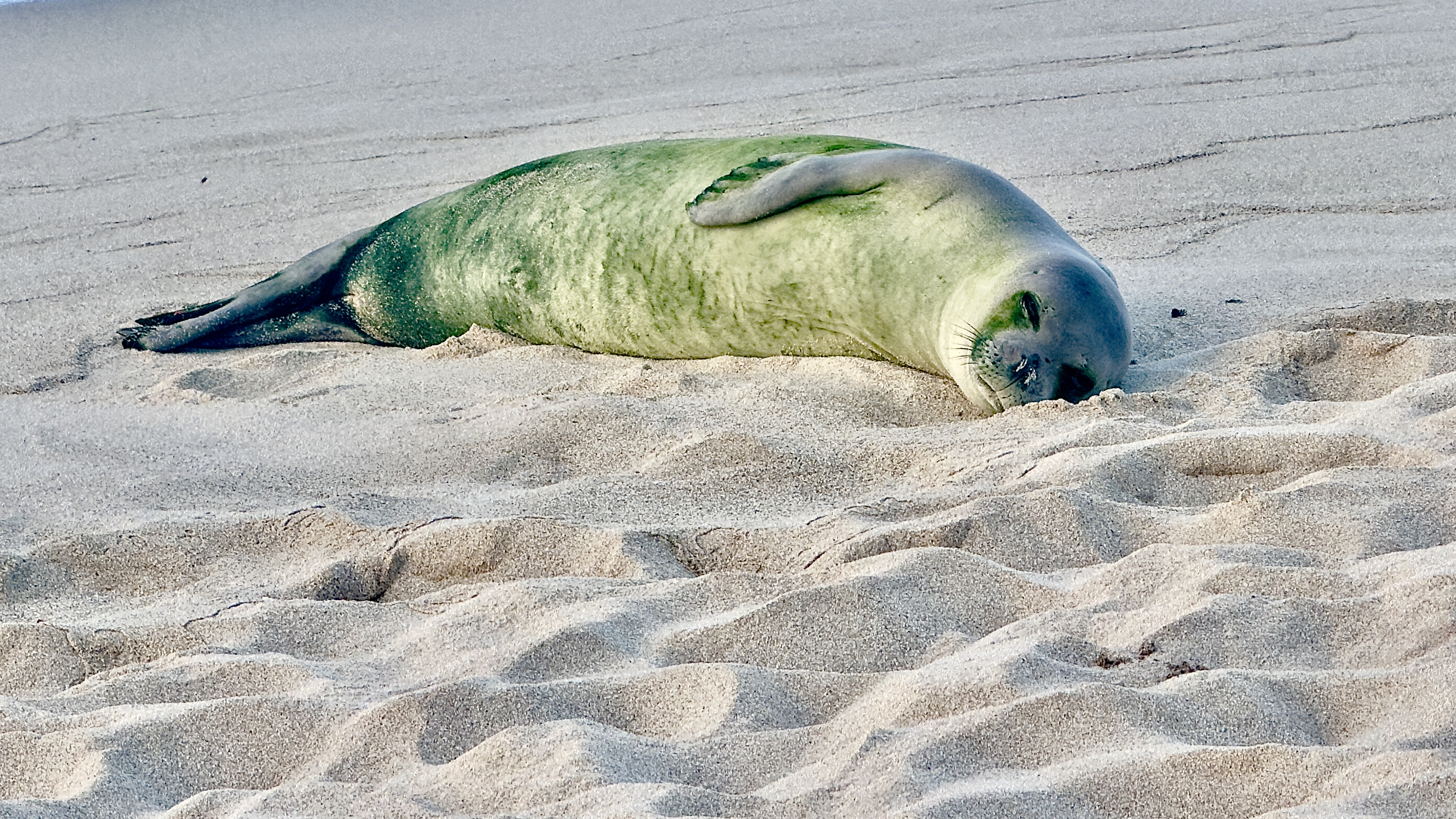
Polo Beach is not just sand and surf — it is a wahi kapu, a sacred sanctuary for Hawai‘i’s unique biodiversity. Hawai‘i is home to over 400 federally listed threatened and endangered species, representing 40% of all U.S. listed species despite making up less than 1% of the nation’s land area.
The coastal forests and beaches here shelter vital native wildlife including:
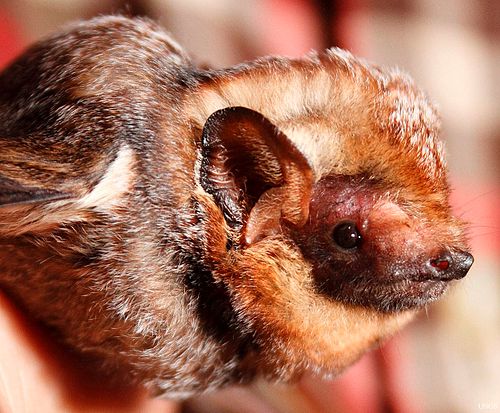
ʻŌpeʻapeʻa (Hawaiian Hoary Bat) – Hawai‘i’s only native land mammal
ʻIlio-holo-i-ka-uaua (Hawaiian Monk Seal) – only ~1,100 remain in the wild
Honu hūnā (Endangered nesting sea turtles)
Manu-o-Kū (White Tern) – the elegant white seabird, often seen gliding along coastal trees and symbolic of purity, peace, and navigation
ʻAlae ʻula, ʻAeʻo, and other native waterbirds
Pua‘a (Wild boar) – an important part of the island’s forest ecosystem and local cultural heritage
These species rely on intact forest and beachfront. The clearing of trees and ongoing construction not only destroys irreplaceable habitat but also increases erosion and runoff that harm the coral reefs offshore — reefs that protect our coastline and sustain marine life vital to Hawai‘i’s health and culture.
Studies show coastal development can increase sediment runoff by over 200%, suffocating coral reefs and disrupting marine ecosystems.
ʻŌpeʻapeʻa, our only native land mammal, was named the official state land mammal in 2015. Its protection — alongside the pua‘a, the Manu-o-Kū, and all forest dwellers — reflects the deep balance between land and sea, mauka to makai.
The building of luxury homes on these sensitive lands displaces native plants and animals and fragments ecosystems already struggling to survive. This destruction is irreversible — devastating both land and ocean environments — and violates the deep connection the local community has to this ʻāina.

284
The Issue
Makaleha Beach Park - also known as (Polo Beach) part of the Ahapua’a of Mokuleia, North Shore, Oahu. Circa 2020
The heart of our community aches as we witness the rapid deforestation and destruction of the precious forests at Polo Beach in Mokulē‘ia, Oʻahu.
More than 50% of the forested area has already been cleared to make way for luxury homes — directly threatening critical habitats for endangered and native species that call this ʻāina and surrounding kai home.
ʻIlio-holo-i-ka-uaua (Hawaiian Monk Seal)
Among them are ʻIlio-holo-i-ka-uaua (Hawaiian Monk Seal), the Koholā (Humpback Whale), and the ʻŌpeʻapeʻa (Hawaiian Hoary Bat) — all federally listed
Polo Beach is not just sand and surf — it is a wahi kapu, a sacred sanctuary for Hawai‘i’s unique biodiversity. Hawai‘i is home to over 400 federally listed threatened and endangered species, representing 40% of all U.S. listed species despite making up less than 1% of the nation’s land area.
The coastal forests and beaches here shelter vital native wildlife including:
ʻŌpeʻapeʻa (Hawaiian Hoary Bat) – Hawai‘i’s only native land mammal
ʻIlio-holo-i-ka-uaua (Hawaiian Monk Seal) – only ~1,100 remain in the wild
Honu hūnā (Endangered nesting sea turtles)
Manu-o-Kū (White Tern) – the elegant white seabird, often seen gliding along coastal trees and symbolic of purity, peace, and navigation
ʻAlae ʻula, ʻAeʻo, and other native waterbirds
Pua‘a (Wild boar) – an important part of the island’s forest ecosystem and local cultural heritage
These species rely on intact forest and beachfront. The clearing of trees and ongoing construction not only destroys irreplaceable habitat but also increases erosion and runoff that harm the coral reefs offshore — reefs that protect our coastline and sustain marine life vital to Hawai‘i’s health and culture.
Studies show coastal development can increase sediment runoff by over 200%, suffocating coral reefs and disrupting marine ecosystems.
ʻŌpeʻapeʻa, our only native land mammal, was named the official state land mammal in 2015. Its protection — alongside the pua‘a, the Manu-o-Kū, and all forest dwellers — reflects the deep balance between land and sea, mauka to makai.
The building of luxury homes on these sensitive lands displaces native plants and animals and fragments ecosystems already struggling to survive. This destruction is irreversible — devastating both land and ocean environments — and violates the deep connection the local community has to this ʻāina.
Supporter Voices
Petition Updates
Share this petition
Petition created on June 29, 2025