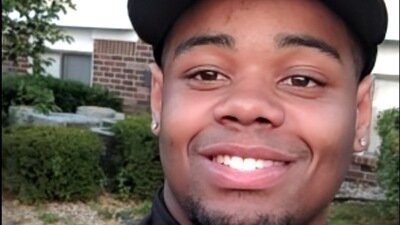

Justice for Former ASU Student Jaquai Williams: Grand Cortez Apts Investigation
The Issue
I am going public to demand accountability and a full investigation into what I allege was a long-standing pattern of housing safety failures, unresolved building conditions, and tenant complaints involving Tiempo Development & Management, CPIC, and Grand Cortez Apartments following the sudden death of my 27-year-old son, Jaquai Robert Williams. Jaquai was a healthy young Black man, a nine-year Amazon CDL driver, and a former Arizona State University student. On June 2, 2025, Jaquai died suddenly inside Grand Cortez Apartments, located at 1150 W. University Drive, Tempe, Arizona 85281.(Grand Cortez Apartments)
Before his death, Jaquai reported a water leak connected to the apartment’s HVAC system to property management. According to records maintained by the Estate, management responded by email instructing him to simply place a bucket under the leak because the issue could not be remedied that day. The Estate alleges that the underlying moisture problem was never properly corrected, allowing continued water intrusion and creating conditions that resulted in significant mold growth inside the residence.
After Jaquai’s death, our family took immediate steps to investigate the conditions surrounding his passing. Through the Estate, we personally funded independent environmental testing before surrendering the apartment keys. The testing documented mold contamination measured at 142,463 spores per cubic meter at the residence.
The Estate alleges that these environmental conditions, combined with the failure to adequately investigate and correct the reported conditions, contributed to Jaquai Robert Williams’ illness and death. We are seeking accountability, transparency, and a full investigation into whether proper steps were taken to protect Jaquai and other residents who may have been exposed to similar conditions.
🚨 THE EXTREME ENVIRONMENTAL HAZARDS & LEAK FAILURE: As alleged in the Estate’s complaint, dangerous and uninhabitable residential conditions existed at 1150 W. University Drive, Tempe, Arizona 85281, including chronic water intrusion, elevated moisture, and confirmed mold contamination measuring 142,463 spores per cubic meter. Before his death, Jaquai Robert Williams reported a structural water leak associated with the apartment’s HVAC system to property management. According to the Estate’s records, management responded by email instructing him to place a bucket under the leak because the issue could not be repaired that day. The Estate alleges that the underlying moisture problem was never properly corrected, allowing continued water intrusion and creating conditions that resulted in significant mold growth within the residence. Independent environmental testing obtained by the Estate after Jaquai’s death documented elevated mold levels throughout the apartment. The Estate further alleges that these hazardous conditions caused or substantially contributed to Jaquai Robert Williams’ illness and death, and that Defendants failed to adequately investigate, disclose, and correct the underlying structural conditions despite having notice of ongoing water-related problems.
🚨 THE MANAGEMENT’S OWN TESTING AND FAILURE TO ADDRESS THE ROOT CAUSE: After the Estate reported concerns regarding the environmental conditions at the property, the landlord defendants conducted their own internal mold testing within the decedent’s former residence. The landlord defendants’ own testing confirmed the presence of mold contamination inside the unit. However, the estate contends that the landlord’s testing and reporting minimized the severity of the contamination and failed to identify the full scope and source of the moisture problem. Instead of addressing the alleged underlying moisture intrusion affecting the property, the landlord defendants performed what the estate contends was a limited HVAC related repair inside the vacant unit while failing to correct the broader source of the water intrusion. The estate alleges that this failure left residents, including student tenants and other vulnerable tenants living at or near the property, potentially exposed to continuing hazardous conditions. Jaquai Robert Williams was an Arizona State University student residing at Grand Cortez Apartments. The timing of the testing, the mold findings, the reported moisture source, and the scope of the repairs are documented in the evidence submitted in the underlying action.
🚨 THE ESTATE’S EVIDENCE AND IMMEDIATE EFFORT TO REPORT HEALTH HAZARDS: Immediately following Jaquai Robert Williams’ death in June 2025, the Estate took steps to investigate the conditions surrounding his passing. Through the Estate, the family funded independent environmental testing before surrendering the apartment keys. The resulting environmental reports documented elevated mold levels, including measurements of 142,463 spores per cubic meter in samples collected throughout the residence. The Estate reported the alleged environmental conditions to appropriate authorities and sought review of the reported housing conditions. The mold reports and related documentation became part of the Estate’s efforts to obtain answers, accountability, and an investigation into the conditions at Grand Cortez Apartments. The Estate notified the Arizona Attorney General’s Office, Civil Rights Division, of the reported environmental conditions and advised the agency that independent environmental testing had documented elevated mold contamination within the residence and that these conditions were part of the Estate's request for further investigation.
🚨 STUDENT-FOCUSED MULTI-CAMPUS MARKETING AND TENANT RECRUITMENT: Tiempo Development & Management’s own corporate marketing materials demonstrate that Grand Cortez Apartments was actively marketed toward students and residents attending nearby educational institutions throughout the Valley. The company’s official website promoted the property’s location as providing convenient access to Arizona State University, Mesa Community College, and Collins College. Corporate property information on the company’s official website identified the complex under ‘Specialty Housing Details’ and referenced student-oriented housing features and nearby educational institutions. The property’s marketing emphasized affordability and student-focused amenities, including studio and one-bedroom apartments, utilities included, move-in incentives, a heated pool, and access to public Orbit bus transportation. These features were promoted to attract residents seeking affordable housing options near major educational campuses. Jaquai Robert Williams attended Arizona State University while living at Grand Cortez Apartments. The estate alleges that while the property was marketed to students and other vulnerable renters, material information regarding the reported water intrusion, moisture conditions, and environmental hazards was not adequately disclosed to tenants. The estate further alleges that this failure placed residents, including college students and other vulnerable renters, at risk of exposure to the alleged hazardous conditions.
🚨 ONGOING CIVIL RIGHTS CONCERNS AND CONTINUING PUBLIC HEALTH ALLEGATIONS: This case is not limited to the events surrounding my son’s death on June 2, 2025. The estate alleges that the housing conditions and related civil rights concerns identified in the complaint remain ongoing and continue to affect residents at Grand Cortez Apartments. According to the allegations and evidence submitted in the underlying action, Tiempo Development & Management and CPIC had notice of reported water intrusion, moisture problems, and environmental concerns at the property. Despite that notice, the estate alleges that the defendants continued leasing units to new residents, including college students, while the underlying structural issues remained unresolved. The estate further alleges that the property continued to be marketed through student-focused advertising, move-in incentives, and proximity to nearby universities without adequately disclosing the reported environmental hazards and unresolved conditions. If these allegations are proven, the continued occupancy of affected units would represent an ongoing threat to tenant health and safety, particularly for vulnerable residents and students living near Arizona State University and other educational campuses.
📢 PUBLIC REVIEW DOCUMENTATION AND NOTICE OF RECURRING PROPERTY CONDITIONS: The following information is compiled from publicly available consumer platforms, including Yelp, Reddit, ApartmentRatings, and other tenant discussion forums. These reports are not offered as a substitute for independent investigation, but as evidence of publicly documented tenant complaints and recurring issues reported by residents over an extended period of time. The public complaints reviewed by Plaintiff reflect recurring allegations involving water intrusion, moisture problems, mold growth, plumbing failures, maintenance practices, and other habitability concerns at Grand Cortez Apartments. These reports are significant because they demonstrate that complaints regarding building conditions were publicly raised before and after the events involving Jaquai Robert Williams.
Examples of reported tenant complaints include:
• Mold, Bathroom Leaks, and Water Intrusion: Multiple residents reported recurring bathroom leaks, moisture problems, and visible mold conditions in different units. Some tenants described water damage affecting walls, showers, drywall, and other interior areas.
• Failure to Address Underlying Moisture Sources: Multiple residents reported frustration with maintenance responses they believed addressed only surface-level conditions rather than the underlying cause of water intrusion. Complaints described temporary repairs, painting over damaged areas, and repeated problems returning after repairs.
• Plumbing Problems and Utility Interruptions: Residents reported issues involving discolored water, plumbing failures, water interruptions, and air conditioning outages during extreme summer temperatures. These complaints reflect repeated allegations of infrastructure problems affecting tenant living conditions.
• Flooding, Carpet Damage, and Persistent Odors: Some residents reported flooding events, water accumulation under carpeting, foul odors, and suspected mold growth following unresolved moisture issues.
• Health, Safety, and Property Management Complaints: Public reviews also contain allegations involving pest problems, security concerns, and dissatisfaction with management’s response to tenant complaints.
• Tenant Attempts to Leave Due to Conditions: Some residents reported difficulties terminating leases or recovering deposits after attempting to leave because of alleged unresolved maintenance and habitability concerns.
These public reports are consistent with Plaintiff’s allegations that the property experienced recurring infrastructure and maintenance issues involving water intrusion and habitability conditions. Plaintiff alleges that Defendants had notice, or should have had notice, of recurring complaints concerning these conditions and failed to implement adequate corrective measures.
💬 DOCUMENTED PUBLIC PROOF FROM TENANT TESTIMONIALS:
• Resident C M. reports: "Roach infestation in my apartment building during the summer. The old buildings are great places for bugs to hang out... it sounds like the whole complex had problems, since I was definitely not living in the renovated area."
• Resident Anthony M. reports: "The air is off today... it is 107 outside this happens all the time in the summer next the water will going out next month and this happen all the time to but they want to charge high rent but never have the right people to come in and fix things up the right way and this happens for air 5 times a year water goes off at least 8 times a year."
• Resident Claudia V. reports: "They shut off your water without a notice about 3-4 times a month because they have had 'recent issues' (past year). I haven't been able to break my lease because they said I would have to forfeit my deposit... Our car has been broken into twice and when we reported it they said 'it never happens'- even though its a constant problem here by speaking with neighbors."
• Resident Gregory T. reports: "There were frequent water shortages with very short notice and they would often shut off the A/C for maintenance during the middle of summer for hours. There was SAND in the water from when the plumbers broke a pipe they were trying to fix. The sand would come out of the faucets and was even in the shower, toilet and toilet tank. The water was very cloudy so I only used it for bathing and even then, it would burn my eyes... There are always people fighting outside, and nobody ever did anything about it... All of a sudden when I moved out I received a bill saying that I would have to replace the garbage disposal because there were some coffee grounds found in it... I wouldn't recommend these apartments to anybody."
⚖️ CURRENT LEGAL PROCEEDINGS:
I was forced to appeal after the United States District Court dismissed my case without reaching the merits of the evidence. The court acknowledged that my complaint contained extensive factual allegations and numerous exhibits, yet dismissed the action based on threshold legal issues. Specifically, the court ruled that I could not represent my son’s open estate pro se because I am not a licensed attorney, and it concluded that the private apartment defendants were not state actors for purposes of my federal civil rights claims.
My appeal asks the Court of Appeals to determine whether those rulings improperly prevented the case from moving forward despite the evidence presented. I contend that the dismissal elevated procedural barriers over the substance of the case and prevented judicial review of serious allegations involving dangerous housing conditions, discrimination, and the events surrounding my son’s death.
This case does not involve an attempt to create new rights. It involves the application of existing federal and state law to the facts alleged. Although private companies are generally not considered state actors under 42 U.S.C. § 1983, Congress has also enacted other civil rights statutes, including 42 U.S.C. § 1985, that may apply when private parties conspire to deprive individuals of federally protected rights. In addition, federal and state housing laws prohibit discriminatory housing practices by private landlords and property managers. My appeal argues that the facts alleged and the evidence submitted warranted judicial consideration under those legal authorities rather than dismissal at the pleading stage.
The estate also has independent legal interests. Because government agencies allegedly refused to perform a complete investigation, the estate was forced to bear the financial burden of environmental testing, forensic review, pathology, and litigation in an effort to determine the cause of my son’s death. Those costs were incurred because the estate sought answers that it contends public officials should have pursued. The procedural dismissal prevented those claims from being heard on their merits.
This appeal is about more than one family. It asks whether procedural rules should prevent judicial review when an estate presents substantial documentary evidence of dangerous housing conditions, alleged discrimination, and alleged investigative failures. I believe the Court of Appeals should reverse the dismissal and allow the case to proceed so the evidence can be evaluated through the normal judicial process.
Our fight is now active before the Ninth Circuit Court of Appeals under Appellate Case Number 26-4531. This federal appeal seeks to overturn the lower court’s dismissal and asks the appellate court to review whether procedural barriers involving estate representation and private actor liability were applied too broadly at the pleading stage.
The appeal challenges whether existing federal civil rights protections and housing laws provide a pathway for accountability when private entities are alleged to have created or maintained dangerous conditions that contributed to a fatal community health hazard.
These procedural rulings do not erase the underlying evidence and public court records filed in the original action. The factual allegations, exhibits, and supporting documentation remain part of the record in:
Case No. CV26-04202-PHX-KML
United States District Court for the District of Arizona
⚠️ CALL TO ACTION — TENANTS, STUDENTS, AND COMMUNITY MEMBERS WITH INFORMATION: If you are a current or former tenant, ASU student, Mesa Community College student, Collins College student, or community member who has lived at or had direct experience with Grand Cortez Apartments, 1150 W. University Drive, Tempe, Arizona 85281, and you experienced issues involving mold, water intrusion, plumbing failures, repeated water shutoffs, structural problems, unsafe living conditions, or housing-related concerns, I am asking you to come forward. Your firsthand experiences, photographs, maintenance requests, emails, inspection records, and other documentation may help establish the history of reported conditions at this property. If you have information to share, you may contact me directly at kecia10176@yahoo.com or share information with any journalists or investigators reviewing these allegations. The Estate of Jaquai Robert Williams is seeking accountability and a full investigation into the circumstances surrounding his death, the conditions alleged at Grand Cortez Apartments, and whether proper steps were taken to protect residents. We are requesting that appropriate authorities review the reported housing conditions, including whether further inspections, safety evaluations, or regulatory action are necessary. Parents, students, and community members are encouraged to pay attention to housing conditions and report unsafe conditions through the proper channels. This effort is dedicated to Jaquai Robert Williams and the pursuit of answers, accountability, and safer housing conditions for others.
Our federal housing claims, state negligence claims, premises liability allegations, and discrimination claims are pending and supported by evidence submitted in the underlying litigation. We demand that the City of Tempe launch an immediate emergency structural audit. We are requesting that Arizona State University and other educational institutions review whether this property should remain listed on student housing referral platforms while these allegations are investigated.
Parents, check your children's apartments. Please sign and share to stand with a mother exposing the truth, being the voice for her son, and demanding justice for Jaquai Robert Williams.

87
The Issue
I am going public to demand accountability and a full investigation into what I allege was a long-standing pattern of housing safety failures, unresolved building conditions, and tenant complaints involving Tiempo Development & Management, CPIC, and Grand Cortez Apartments following the sudden death of my 27-year-old son, Jaquai Robert Williams. Jaquai was a healthy young Black man, a nine-year Amazon CDL driver, and a former Arizona State University student. On June 2, 2025, Jaquai died suddenly inside Grand Cortez Apartments, located at 1150 W. University Drive, Tempe, Arizona 85281.(Grand Cortez Apartments)
Before his death, Jaquai reported a water leak connected to the apartment’s HVAC system to property management. According to records maintained by the Estate, management responded by email instructing him to simply place a bucket under the leak because the issue could not be remedied that day. The Estate alleges that the underlying moisture problem was never properly corrected, allowing continued water intrusion and creating conditions that resulted in significant mold growth inside the residence.
After Jaquai’s death, our family took immediate steps to investigate the conditions surrounding his passing. Through the Estate, we personally funded independent environmental testing before surrendering the apartment keys. The testing documented mold contamination measured at 142,463 spores per cubic meter at the residence.
The Estate alleges that these environmental conditions, combined with the failure to adequately investigate and correct the reported conditions, contributed to Jaquai Robert Williams’ illness and death. We are seeking accountability, transparency, and a full investigation into whether proper steps were taken to protect Jaquai and other residents who may have been exposed to similar conditions.
🚨 THE EXTREME ENVIRONMENTAL HAZARDS & LEAK FAILURE: As alleged in the Estate’s complaint, dangerous and uninhabitable residential conditions existed at 1150 W. University Drive, Tempe, Arizona 85281, including chronic water intrusion, elevated moisture, and confirmed mold contamination measuring 142,463 spores per cubic meter. Before his death, Jaquai Robert Williams reported a structural water leak associated with the apartment’s HVAC system to property management. According to the Estate’s records, management responded by email instructing him to place a bucket under the leak because the issue could not be repaired that day. The Estate alleges that the underlying moisture problem was never properly corrected, allowing continued water intrusion and creating conditions that resulted in significant mold growth within the residence. Independent environmental testing obtained by the Estate after Jaquai’s death documented elevated mold levels throughout the apartment. The Estate further alleges that these hazardous conditions caused or substantially contributed to Jaquai Robert Williams’ illness and death, and that Defendants failed to adequately investigate, disclose, and correct the underlying structural conditions despite having notice of ongoing water-related problems.
🚨 THE MANAGEMENT’S OWN TESTING AND FAILURE TO ADDRESS THE ROOT CAUSE: After the Estate reported concerns regarding the environmental conditions at the property, the landlord defendants conducted their own internal mold testing within the decedent’s former residence. The landlord defendants’ own testing confirmed the presence of mold contamination inside the unit. However, the estate contends that the landlord’s testing and reporting minimized the severity of the contamination and failed to identify the full scope and source of the moisture problem. Instead of addressing the alleged underlying moisture intrusion affecting the property, the landlord defendants performed what the estate contends was a limited HVAC related repair inside the vacant unit while failing to correct the broader source of the water intrusion. The estate alleges that this failure left residents, including student tenants and other vulnerable tenants living at or near the property, potentially exposed to continuing hazardous conditions. Jaquai Robert Williams was an Arizona State University student residing at Grand Cortez Apartments. The timing of the testing, the mold findings, the reported moisture source, and the scope of the repairs are documented in the evidence submitted in the underlying action.
🚨 THE ESTATE’S EVIDENCE AND IMMEDIATE EFFORT TO REPORT HEALTH HAZARDS: Immediately following Jaquai Robert Williams’ death in June 2025, the Estate took steps to investigate the conditions surrounding his passing. Through the Estate, the family funded independent environmental testing before surrendering the apartment keys. The resulting environmental reports documented elevated mold levels, including measurements of 142,463 spores per cubic meter in samples collected throughout the residence. The Estate reported the alleged environmental conditions to appropriate authorities and sought review of the reported housing conditions. The mold reports and related documentation became part of the Estate’s efforts to obtain answers, accountability, and an investigation into the conditions at Grand Cortez Apartments. The Estate notified the Arizona Attorney General’s Office, Civil Rights Division, of the reported environmental conditions and advised the agency that independent environmental testing had documented elevated mold contamination within the residence and that these conditions were part of the Estate's request for further investigation.
🚨 STUDENT-FOCUSED MULTI-CAMPUS MARKETING AND TENANT RECRUITMENT: Tiempo Development & Management’s own corporate marketing materials demonstrate that Grand Cortez Apartments was actively marketed toward students and residents attending nearby educational institutions throughout the Valley. The company’s official website promoted the property’s location as providing convenient access to Arizona State University, Mesa Community College, and Collins College. Corporate property information on the company’s official website identified the complex under ‘Specialty Housing Details’ and referenced student-oriented housing features and nearby educational institutions. The property’s marketing emphasized affordability and student-focused amenities, including studio and one-bedroom apartments, utilities included, move-in incentives, a heated pool, and access to public Orbit bus transportation. These features were promoted to attract residents seeking affordable housing options near major educational campuses. Jaquai Robert Williams attended Arizona State University while living at Grand Cortez Apartments. The estate alleges that while the property was marketed to students and other vulnerable renters, material information regarding the reported water intrusion, moisture conditions, and environmental hazards was not adequately disclosed to tenants. The estate further alleges that this failure placed residents, including college students and other vulnerable renters, at risk of exposure to the alleged hazardous conditions.
🚨 ONGOING CIVIL RIGHTS CONCERNS AND CONTINUING PUBLIC HEALTH ALLEGATIONS: This case is not limited to the events surrounding my son’s death on June 2, 2025. The estate alleges that the housing conditions and related civil rights concerns identified in the complaint remain ongoing and continue to affect residents at Grand Cortez Apartments. According to the allegations and evidence submitted in the underlying action, Tiempo Development & Management and CPIC had notice of reported water intrusion, moisture problems, and environmental concerns at the property. Despite that notice, the estate alleges that the defendants continued leasing units to new residents, including college students, while the underlying structural issues remained unresolved. The estate further alleges that the property continued to be marketed through student-focused advertising, move-in incentives, and proximity to nearby universities without adequately disclosing the reported environmental hazards and unresolved conditions. If these allegations are proven, the continued occupancy of affected units would represent an ongoing threat to tenant health and safety, particularly for vulnerable residents and students living near Arizona State University and other educational campuses.
📢 PUBLIC REVIEW DOCUMENTATION AND NOTICE OF RECURRING PROPERTY CONDITIONS: The following information is compiled from publicly available consumer platforms, including Yelp, Reddit, ApartmentRatings, and other tenant discussion forums. These reports are not offered as a substitute for independent investigation, but as evidence of publicly documented tenant complaints and recurring issues reported by residents over an extended period of time. The public complaints reviewed by Plaintiff reflect recurring allegations involving water intrusion, moisture problems, mold growth, plumbing failures, maintenance practices, and other habitability concerns at Grand Cortez Apartments. These reports are significant because they demonstrate that complaints regarding building conditions were publicly raised before and after the events involving Jaquai Robert Williams.
Examples of reported tenant complaints include:
• Mold, Bathroom Leaks, and Water Intrusion: Multiple residents reported recurring bathroom leaks, moisture problems, and visible mold conditions in different units. Some tenants described water damage affecting walls, showers, drywall, and other interior areas.
• Failure to Address Underlying Moisture Sources: Multiple residents reported frustration with maintenance responses they believed addressed only surface-level conditions rather than the underlying cause of water intrusion. Complaints described temporary repairs, painting over damaged areas, and repeated problems returning after repairs.
• Plumbing Problems and Utility Interruptions: Residents reported issues involving discolored water, plumbing failures, water interruptions, and air conditioning outages during extreme summer temperatures. These complaints reflect repeated allegations of infrastructure problems affecting tenant living conditions.
• Flooding, Carpet Damage, and Persistent Odors: Some residents reported flooding events, water accumulation under carpeting, foul odors, and suspected mold growth following unresolved moisture issues.
• Health, Safety, and Property Management Complaints: Public reviews also contain allegations involving pest problems, security concerns, and dissatisfaction with management’s response to tenant complaints.
• Tenant Attempts to Leave Due to Conditions: Some residents reported difficulties terminating leases or recovering deposits after attempting to leave because of alleged unresolved maintenance and habitability concerns.
These public reports are consistent with Plaintiff’s allegations that the property experienced recurring infrastructure and maintenance issues involving water intrusion and habitability conditions. Plaintiff alleges that Defendants had notice, or should have had notice, of recurring complaints concerning these conditions and failed to implement adequate corrective measures.
💬 DOCUMENTED PUBLIC PROOF FROM TENANT TESTIMONIALS:
• Resident C M. reports: "Roach infestation in my apartment building during the summer. The old buildings are great places for bugs to hang out... it sounds like the whole complex had problems, since I was definitely not living in the renovated area."
• Resident Anthony M. reports: "The air is off today... it is 107 outside this happens all the time in the summer next the water will going out next month and this happen all the time to but they want to charge high rent but never have the right people to come in and fix things up the right way and this happens for air 5 times a year water goes off at least 8 times a year."
• Resident Claudia V. reports: "They shut off your water without a notice about 3-4 times a month because they have had 'recent issues' (past year). I haven't been able to break my lease because they said I would have to forfeit my deposit... Our car has been broken into twice and when we reported it they said 'it never happens'- even though its a constant problem here by speaking with neighbors."
• Resident Gregory T. reports: "There were frequent water shortages with very short notice and they would often shut off the A/C for maintenance during the middle of summer for hours. There was SAND in the water from when the plumbers broke a pipe they were trying to fix. The sand would come out of the faucets and was even in the shower, toilet and toilet tank. The water was very cloudy so I only used it for bathing and even then, it would burn my eyes... There are always people fighting outside, and nobody ever did anything about it... All of a sudden when I moved out I received a bill saying that I would have to replace the garbage disposal because there were some coffee grounds found in it... I wouldn't recommend these apartments to anybody."
⚖️ CURRENT LEGAL PROCEEDINGS:
I was forced to appeal after the United States District Court dismissed my case without reaching the merits of the evidence. The court acknowledged that my complaint contained extensive factual allegations and numerous exhibits, yet dismissed the action based on threshold legal issues. Specifically, the court ruled that I could not represent my son’s open estate pro se because I am not a licensed attorney, and it concluded that the private apartment defendants were not state actors for purposes of my federal civil rights claims.
My appeal asks the Court of Appeals to determine whether those rulings improperly prevented the case from moving forward despite the evidence presented. I contend that the dismissal elevated procedural barriers over the substance of the case and prevented judicial review of serious allegations involving dangerous housing conditions, discrimination, and the events surrounding my son’s death.
This case does not involve an attempt to create new rights. It involves the application of existing federal and state law to the facts alleged. Although private companies are generally not considered state actors under 42 U.S.C. § 1983, Congress has also enacted other civil rights statutes, including 42 U.S.C. § 1985, that may apply when private parties conspire to deprive individuals of federally protected rights. In addition, federal and state housing laws prohibit discriminatory housing practices by private landlords and property managers. My appeal argues that the facts alleged and the evidence submitted warranted judicial consideration under those legal authorities rather than dismissal at the pleading stage.
The estate also has independent legal interests. Because government agencies allegedly refused to perform a complete investigation, the estate was forced to bear the financial burden of environmental testing, forensic review, pathology, and litigation in an effort to determine the cause of my son’s death. Those costs were incurred because the estate sought answers that it contends public officials should have pursued. The procedural dismissal prevented those claims from being heard on their merits.
This appeal is about more than one family. It asks whether procedural rules should prevent judicial review when an estate presents substantial documentary evidence of dangerous housing conditions, alleged discrimination, and alleged investigative failures. I believe the Court of Appeals should reverse the dismissal and allow the case to proceed so the evidence can be evaluated through the normal judicial process.
Our fight is now active before the Ninth Circuit Court of Appeals under Appellate Case Number 26-4531. This federal appeal seeks to overturn the lower court’s dismissal and asks the appellate court to review whether procedural barriers involving estate representation and private actor liability were applied too broadly at the pleading stage.
The appeal challenges whether existing federal civil rights protections and housing laws provide a pathway for accountability when private entities are alleged to have created or maintained dangerous conditions that contributed to a fatal community health hazard.
These procedural rulings do not erase the underlying evidence and public court records filed in the original action. The factual allegations, exhibits, and supporting documentation remain part of the record in:
Case No. CV26-04202-PHX-KML
United States District Court for the District of Arizona
⚠️ CALL TO ACTION — TENANTS, STUDENTS, AND COMMUNITY MEMBERS WITH INFORMATION: If you are a current or former tenant, ASU student, Mesa Community College student, Collins College student, or community member who has lived at or had direct experience with Grand Cortez Apartments, 1150 W. University Drive, Tempe, Arizona 85281, and you experienced issues involving mold, water intrusion, plumbing failures, repeated water shutoffs, structural problems, unsafe living conditions, or housing-related concerns, I am asking you to come forward. Your firsthand experiences, photographs, maintenance requests, emails, inspection records, and other documentation may help establish the history of reported conditions at this property. If you have information to share, you may contact me directly at kecia10176@yahoo.com or share information with any journalists or investigators reviewing these allegations. The Estate of Jaquai Robert Williams is seeking accountability and a full investigation into the circumstances surrounding his death, the conditions alleged at Grand Cortez Apartments, and whether proper steps were taken to protect residents. We are requesting that appropriate authorities review the reported housing conditions, including whether further inspections, safety evaluations, or regulatory action are necessary. Parents, students, and community members are encouraged to pay attention to housing conditions and report unsafe conditions through the proper channels. This effort is dedicated to Jaquai Robert Williams and the pursuit of answers, accountability, and safer housing conditions for others.
Our federal housing claims, state negligence claims, premises liability allegations, and discrimination claims are pending and supported by evidence submitted in the underlying litigation. We demand that the City of Tempe launch an immediate emergency structural audit. We are requesting that Arizona State University and other educational institutions review whether this property should remain listed on student housing referral platforms while these allegations are investigated.
Parents, check your children's apartments. Please sign and share to stand with a mother exposing the truth, being the voice for her son, and demanding justice for Jaquai Robert Williams.
The Decision Makers

Petition Updates
Share this petition
Petition created on July 19, 2026