

Justice For Celebrities: Demand Paparazzi Privacy Protections Now
The Issue
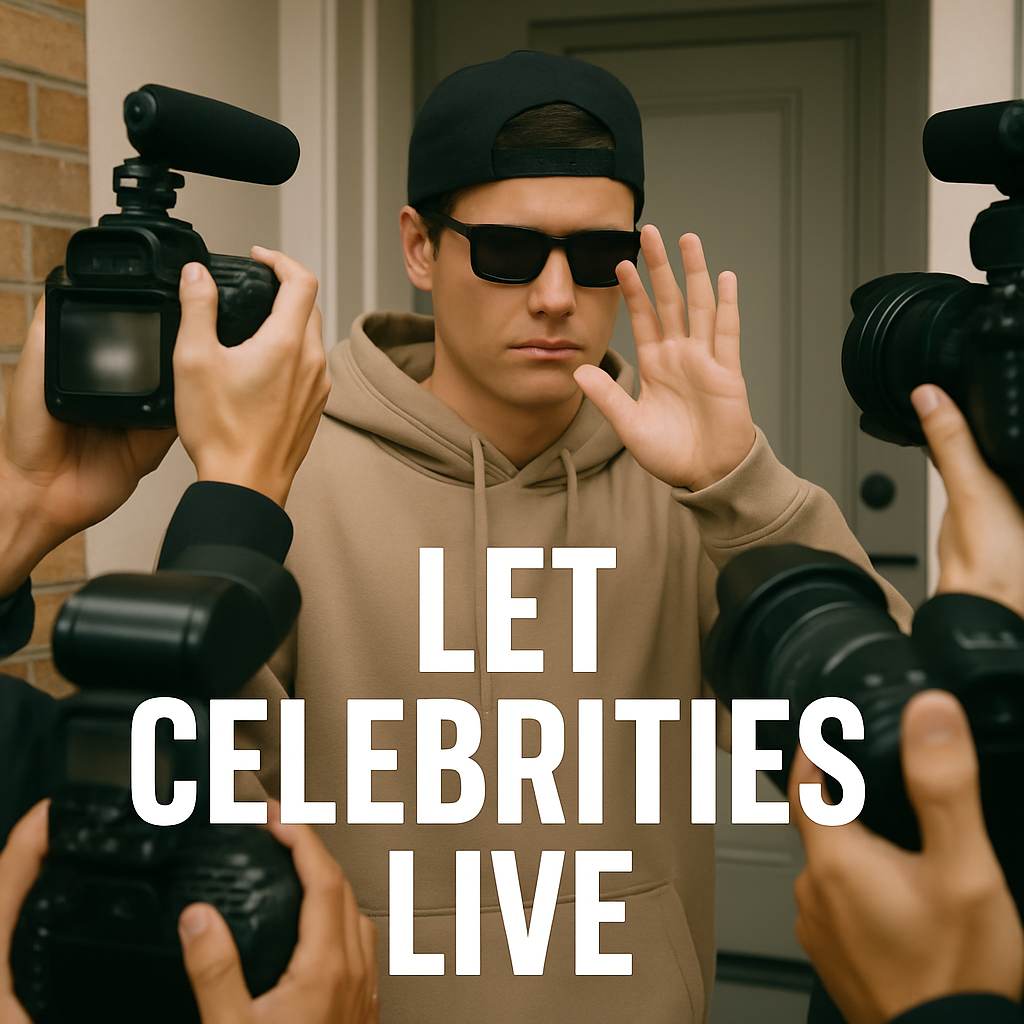
A Plea to Save Our Beloved Celebrities: Demand Real Privacy Protections Now
How many more times must we watch our beloved celebrities plead for privacy, safety, and simple human dignity—only to be chased, hounded, or even endangered by paparazzi and stalkers?
Justin Bieber’s recent callout to the paparazzi is not just the cry of a superstar—it’s the voice of every public figure who has ever feared for their life, their children’s safety, or their ability to live as ordinary people. From the tragic loss of Princess Diana to the countless near-misses and daily traumas faced by stars like Britney Spears, Selena Gomez, and more, the message is clear: the current laws are not enough.

Celebrities bring joy, inspiration, and connection to millions. But behind the fame, they are human beings—deserving of the same rights to privacy, security, and peace as anyone else. When paparazzi cross the line—especially when celebrities are coming in and out of their homes or cars, simply trying to live—privacy isn’t just invaded, it’s stripped away, putting lives at risk and stealing any sense of normalcy.
It’s time for real change.
We are calling on lawmakers, industry leaders, and the public to support the Celebrity Privacy Protection Act—a common-sense, constitutional law designed to end invasive, predatory practices while preserving the free press. This act protects celebrities, their children, and their families from harassment and exploitation, and imposes real penalties for those who cross the line.
Sign this petition to stand up for the safety and dignity of the people who bring light to our lives. Let’s show the world that protecting privacy is not just a privilege for the few, but a fundamental right for all.
Below is the full text of the proposed
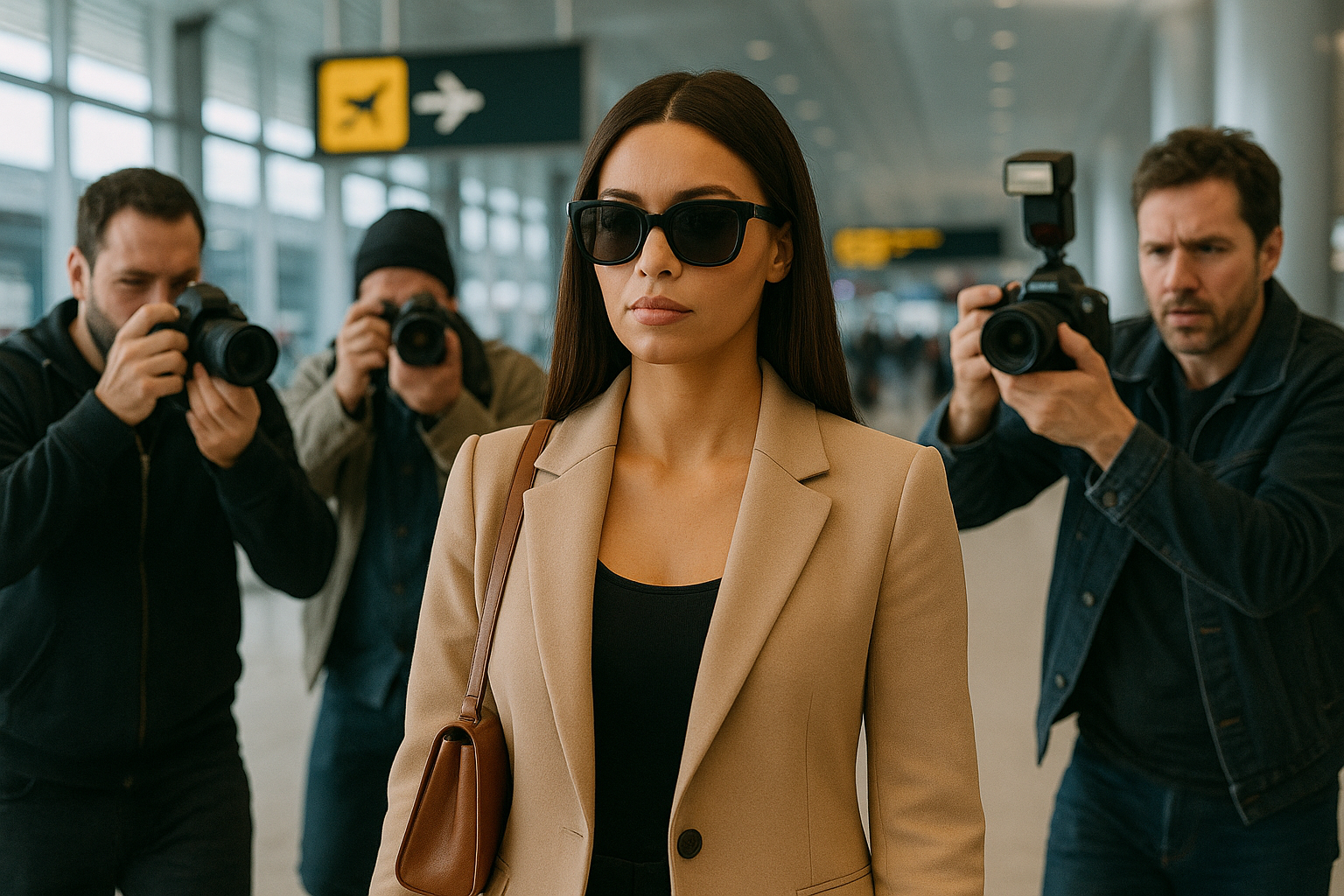
Celebrity Privacy Protection Act
Section 1: Purpose
This Act seeks to protect the privacy, safety, and well-being of individuals in the public eye by restricting invasive photography and recording during their personal, day-to-day lives. While preserving First Amendment rights, this law aims to prevent harassment, stalking, and unauthorized surveillance by paparazzi, ensuring that celebrities can maintain their privacy without unjustly infringing upon the constitutional right to free press.
Section 2: Definitions
(a) Celebrity – Any individual widely recognized by the public due to their profession, including but not limited to actors, musicians, athletes, politicians, and social influencers.
(b) Paparazzi – Any individual or business engaged in the persistent photographing, filming, or recording of public figures for commercial gain without consent.
(c) Reasonable Expectation of Privacy – Any location where an individual would expect to be free from surveillance, including private residences, medical offices, schools, religious institutions, private vehicles, and while entering or exiting these locations.
(d) Harassment – The act of persistently following, blocking, intimidating, or interfering with a celebrity’s movements to capture photographs, video, or audio recordings.
Section 3: Prohibited Conduct
(A) Photography and Recording Restrictions in Private Settings
It shall be unlawful to photograph, film, or record a celebrity inside or within 100 feet of their private residence, or while entering or exiting their home or car, without explicit consent.
The use of drones, telephoto lenses, or other surveillance technology to bypass walls, fences, windows, or private structures is strictly prohibited.
(B) Personal and Day-to-Day Activities
Paparazzi are prohibited from following or stalking a celebrity while they are:
• Running personal errands
• Exercising or engaging in recreational activities
• Dining at restaurants or cafés in a private capacity
• Attending religious services
• Seeking medical care
• Entering or exiting their homes, residences, or vehicles
Photography or recording inside medical offices, religious institutions, private events, or during entry or exit from private spaces without consent is prohibited.
(C) Protection of Family and Minors
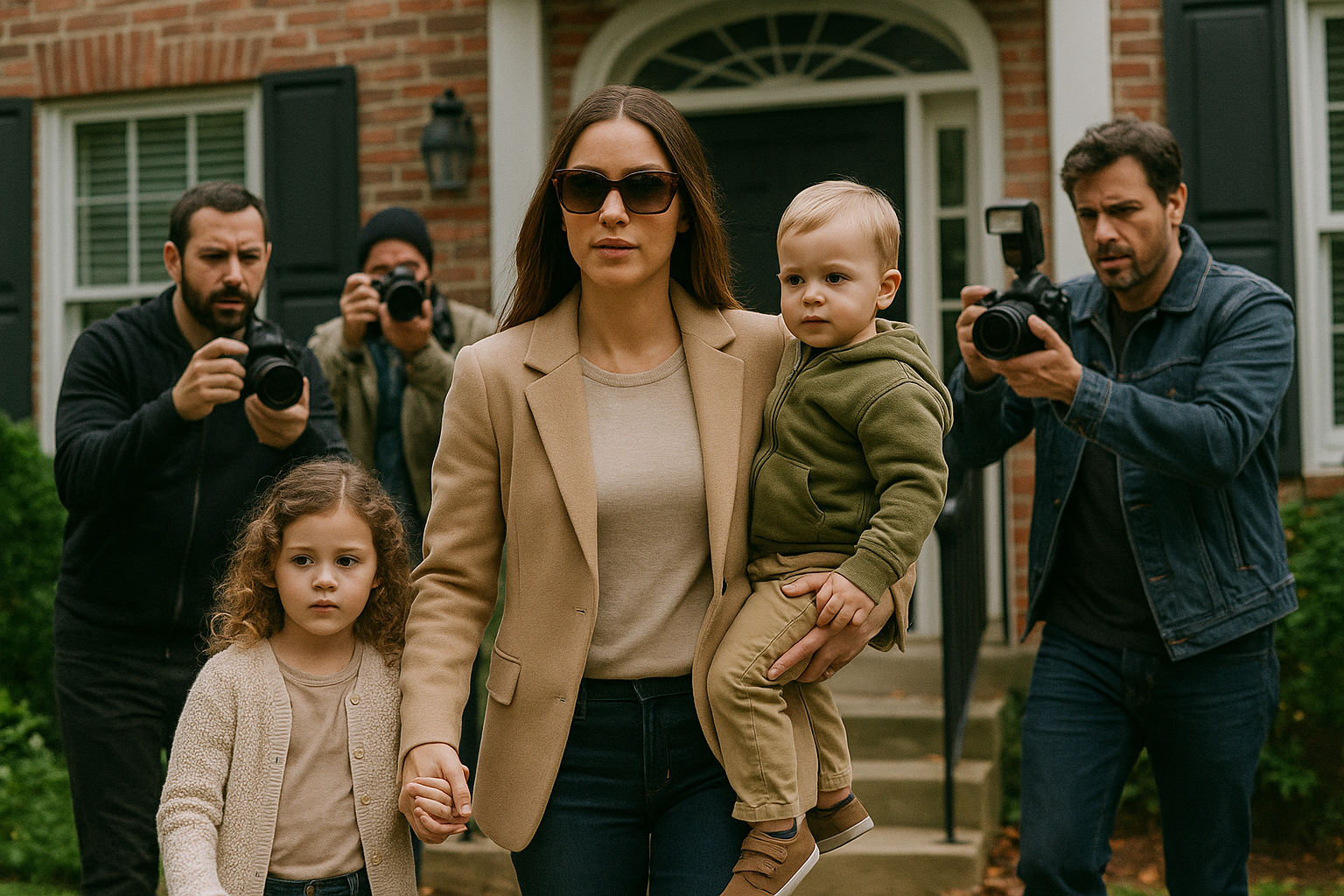
Paparazzi may not photograph, film, or record celebrity children under 18 unless they are at a public event where a parent has given explicit consent.
Photography and recording within 100 feet of schools, daycare centers, or playgrounds attended by a celebrity’s child is strictly prohibited.
(D) Harassment and Aggressive Tactics
It is unlawful for paparazzi to physically obstruct, shout at, or intimidate a celebrity to provoke a reaction for commercial content.
Persistent, unwanted following of a celebrity that causes distress or endangers their safety shall be classified as stalking and harassment under the law.
Section 4: Exceptions
(a) Accredited journalists attending official press events, red carpets, and public appearances where a celebrity has consented to photography.
(b) News coverage that serves the public interest, such as reporting on government officials or exposing misconduct, provided it does not violate privacy protections.
(c) Photography or recording for personal, non-commercial use by individuals not engaged in paparazzi activities.
Section 5: Penalties
(a) First Offense – Fine of up to $10,000 for unauthorized photography or harassment.
(b) Second Offense – Fine of up to $25,000 and potential suspension of press credentials (if applicable).
(c) Third Offense and Beyond – Classified as a misdemeanor, punishable by up to one year in jail and a fine of up to $50,000.
Section 6: Enforcement
(a) Local law enforcement agencies are authorized to issue citations, conduct arrests, and enforce these restrictions as necessary.
(b) Courts may issue restraining orders against repeat offenders to prevent further harassment and invasion of privacy.
(c) Any media outlet or publication that knowingly purchases or distributes images obtained in violation of this Act shall be subject to a civil penalty of up to $100,000 per published image or video.
(d) Digital and social media platforms that knowingly host and monetize unauthorized paparazzi content may be subject to regulatory fines and take-down orders under this Act.
Section 7: Civil Remedies
(a) Any celebrity whose privacy is violated under this Act may pursue civil action against the violator for damages, including but not limited to:
Emotional distress
Lost income due to harassment
Punitive damages for egregious violations
(b) A court may order injunctive relief to prevent further violations, including but not limited to restraining orders and seizure of unauthorized media.
(c) Parents or legal guardians of a minor celebrity may file a civil claim on behalf of the minor for violations of Section 3(C).
Section 8: Public Awareness and Compliance
(a) Media organizations, photography agencies, and social media companies shall be required to educate their employees and affiliates on compliance with this Act.
(b) A publicly accessible registry of individuals and businesses with multiple offenses under this Act shall be maintained by the appropriate regulatory body.
(c) The Attorney General shall issue annual reports on the enforcement of this Act, including data on citations, arrests, and lawsuits filed under its provisions.

Section 9: Severability
If any provision of this Act is found to be unconstitutional or invalid by a court of law, the remaining provisions shall remain in effect and enforceable.
Section 10: Effective Date
This Act shall take effect immediately upon passage and apply to all paparazzi-related conduct occurring after the enactment date.
Section 11: Constitutional Compliance
(a) Nothing in this Act shall be construed to infringe upon the constitutional right to freedom of the press, as guaranteed by the First Amendment.
(b) This Act respects the balance between individual privacy rights and the public interest, ensuring that press freedom is not unduly restricted while protecting celebrities from harmful, invasive practices that go beyond the bounds of journalistic integrity.
(c) Any provision of this Act that may be deemed in violation of the U.S. Constitution shall be subject to review by a court, which shall endeavor to uphold the remaining valid provisions of the Act.
Sign and share this petition if you believe it’s time for real boundaries, accountability, and safety for those who bring so much to our world. Together, we can protect the privacy—and the lives—of our most cherished public figures.

18
The Issue
A Plea to Save Our Beloved Celebrities: Demand Real Privacy Protections Now
How many more times must we watch our beloved celebrities plead for privacy, safety, and simple human dignity—only to be chased, hounded, or even endangered by paparazzi and stalkers?
Justin Bieber’s recent callout to the paparazzi is not just the cry of a superstar—it’s the voice of every public figure who has ever feared for their life, their children’s safety, or their ability to live as ordinary people. From the tragic loss of Princess Diana to the countless near-misses and daily traumas faced by stars like Britney Spears, Selena Gomez, and more, the message is clear: the current laws are not enough.
Celebrities bring joy, inspiration, and connection to millions. But behind the fame, they are human beings—deserving of the same rights to privacy, security, and peace as anyone else. When paparazzi cross the line—especially when celebrities are coming in and out of their homes or cars, simply trying to live—privacy isn’t just invaded, it’s stripped away, putting lives at risk and stealing any sense of normalcy.
It’s time for real change.
We are calling on lawmakers, industry leaders, and the public to support the Celebrity Privacy Protection Act—a common-sense, constitutional law designed to end invasive, predatory practices while preserving the free press. This act protects celebrities, their children, and their families from harassment and exploitation, and imposes real penalties for those who cross the line.
Sign this petition to stand up for the safety and dignity of the people who bring light to our lives. Let’s show the world that protecting privacy is not just a privilege for the few, but a fundamental right for all.
Below is the full text of the proposed
Celebrity Privacy Protection Act
Section 1: Purpose
This Act seeks to protect the privacy, safety, and well-being of individuals in the public eye by restricting invasive photography and recording during their personal, day-to-day lives. While preserving First Amendment rights, this law aims to prevent harassment, stalking, and unauthorized surveillance by paparazzi, ensuring that celebrities can maintain their privacy without unjustly infringing upon the constitutional right to free press.
Section 2: Definitions
(a) Celebrity – Any individual widely recognized by the public due to their profession, including but not limited to actors, musicians, athletes, politicians, and social influencers.
(b) Paparazzi – Any individual or business engaged in the persistent photographing, filming, or recording of public figures for commercial gain without consent.
(c) Reasonable Expectation of Privacy – Any location where an individual would expect to be free from surveillance, including private residences, medical offices, schools, religious institutions, private vehicles, and while entering or exiting these locations.
(d) Harassment – The act of persistently following, blocking, intimidating, or interfering with a celebrity’s movements to capture photographs, video, or audio recordings.
Section 3: Prohibited Conduct
(A) Photography and Recording Restrictions in Private Settings
It shall be unlawful to photograph, film, or record a celebrity inside or within 100 feet of their private residence, or while entering or exiting their home or car, without explicit consent.
The use of drones, telephoto lenses, or other surveillance technology to bypass walls, fences, windows, or private structures is strictly prohibited.
(B) Personal and Day-to-Day Activities
Paparazzi are prohibited from following or stalking a celebrity while they are:
• Running personal errands
• Exercising or engaging in recreational activities
• Dining at restaurants or cafés in a private capacity
• Attending religious services
• Seeking medical care
• Entering or exiting their homes, residences, or vehicles
Photography or recording inside medical offices, religious institutions, private events, or during entry or exit from private spaces without consent is prohibited.
(C) Protection of Family and Minors
Paparazzi may not photograph, film, or record celebrity children under 18 unless they are at a public event where a parent has given explicit consent.
Photography and recording within 100 feet of schools, daycare centers, or playgrounds attended by a celebrity’s child is strictly prohibited.
(D) Harassment and Aggressive Tactics
It is unlawful for paparazzi to physically obstruct, shout at, or intimidate a celebrity to provoke a reaction for commercial content.
Persistent, unwanted following of a celebrity that causes distress or endangers their safety shall be classified as stalking and harassment under the law.
Section 4: Exceptions
(a) Accredited journalists attending official press events, red carpets, and public appearances where a celebrity has consented to photography.
(b) News coverage that serves the public interest, such as reporting on government officials or exposing misconduct, provided it does not violate privacy protections.
(c) Photography or recording for personal, non-commercial use by individuals not engaged in paparazzi activities.
Section 5: Penalties
(a) First Offense – Fine of up to $10,000 for unauthorized photography or harassment.
(b) Second Offense – Fine of up to $25,000 and potential suspension of press credentials (if applicable).
(c) Third Offense and Beyond – Classified as a misdemeanor, punishable by up to one year in jail and a fine of up to $50,000.
Section 6: Enforcement
(a) Local law enforcement agencies are authorized to issue citations, conduct arrests, and enforce these restrictions as necessary.
(b) Courts may issue restraining orders against repeat offenders to prevent further harassment and invasion of privacy.
(c) Any media outlet or publication that knowingly purchases or distributes images obtained in violation of this Act shall be subject to a civil penalty of up to $100,000 per published image or video.
(d) Digital and social media platforms that knowingly host and monetize unauthorized paparazzi content may be subject to regulatory fines and take-down orders under this Act.
Section 7: Civil Remedies
(a) Any celebrity whose privacy is violated under this Act may pursue civil action against the violator for damages, including but not limited to:
Emotional distress
Lost income due to harassment
Punitive damages for egregious violations
(b) A court may order injunctive relief to prevent further violations, including but not limited to restraining orders and seizure of unauthorized media.
(c) Parents or legal guardians of a minor celebrity may file a civil claim on behalf of the minor for violations of Section 3(C).
Section 8: Public Awareness and Compliance
(a) Media organizations, photography agencies, and social media companies shall be required to educate their employees and affiliates on compliance with this Act.
(b) A publicly accessible registry of individuals and businesses with multiple offenses under this Act shall be maintained by the appropriate regulatory body.
(c) The Attorney General shall issue annual reports on the enforcement of this Act, including data on citations, arrests, and lawsuits filed under its provisions.
Section 9: Severability
If any provision of this Act is found to be unconstitutional or invalid by a court of law, the remaining provisions shall remain in effect and enforceable.
Section 10: Effective Date
This Act shall take effect immediately upon passage and apply to all paparazzi-related conduct occurring after the enactment date.
Section 11: Constitutional Compliance
(a) Nothing in this Act shall be construed to infringe upon the constitutional right to freedom of the press, as guaranteed by the First Amendment.
(b) This Act respects the balance between individual privacy rights and the public interest, ensuring that press freedom is not unduly restricted while protecting celebrities from harmful, invasive practices that go beyond the bounds of journalistic integrity.
(c) Any provision of this Act that may be deemed in violation of the U.S. Constitution shall be subject to review by a court, which shall endeavor to uphold the remaining valid provisions of the Act.
Sign and share this petition if you believe it’s time for real boundaries, accountability, and safety for those who bring so much to our world. Together, we can protect the privacy—and the lives—of our most cherished public figures.
The Decision Makers

Petition Updates
Share this petition
Petition created on April 25, 2025