
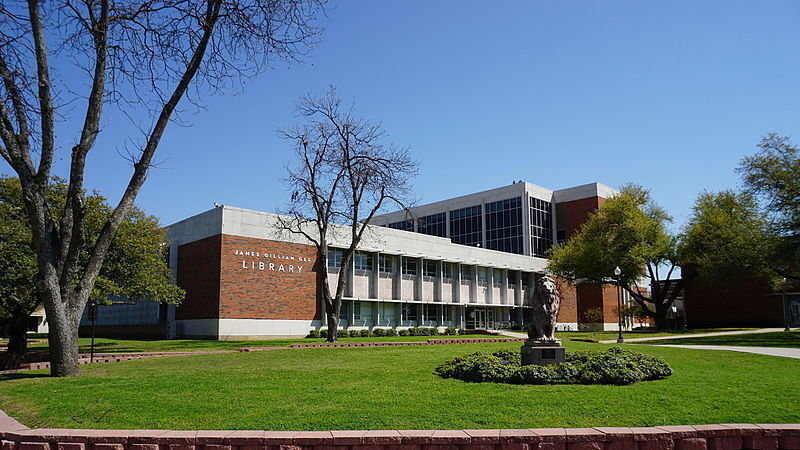
Change the name of the TAMUC Gee Library
The Issue
WHEN SIGNING THE PETITION PLEASE USE YOUR SCHOOL EMAIL ADDRESS SO THAT WE CAN SHOW THAT STUDENTS ARE THE ONES DEMANDING THIS!
The campus of Texas A&M University-Commerce renamed their one and only library on campus after James Gilliam Gee, the university's former president, in 1972. James Gee is considered important to the university because of the economic improvements and expansions that occurred under his leadership. This is his legacy.
But, his legacy ignored the darker side of who he was. Although he lead the university in a tumultuous time, 1947-1966, he was also a segregationist that fought to keep African Americans from attending the university until 1964. Gee only relented when the Board of Regents ordered the school to do so, prompted by a lawsuit at Sam Houston State.
Between Brown V. the Board of Education in 1954 and 1964, Gee denied multiple black students admission to the university on the grounds that it "violated the state constitution."
In addition to standing as a barrier to desegregation, Gee also denied African Americans access to the university's library. In 1949, teachers at the St. Paul's High School in nearby Neylandville, Texas, requested permission to use the university's library in order to gain access to materials needed to complete a graduate seminar being taught with the help of Texas Southern University. St. Paul's was a school for African American children in the black community. The students wanting to access the materials taught at St. Paul's. Ultimately, Gee granted the request in a way. He set strict guidelines for the teachers of St. Paul's though. They were only to receive the specific items that they needed, they were to understand it was a temporary allowance, and they were by no means allowed inside the library to access the books needed.
Some might say that this was a "different time" and Gee was just doing what any school president would do in a time of government mandated segregation. James Gee did do good things for the university at Commerce, but his support of racism through segregation is not something that is reflective of the university today. As of 2016, more than half of the university's student population are non white. 21% of our students are African American and another 18% are Latinx.
James Gee did what he could to keep African Americans out of a place of learning. Today, as we strive for an inclusive society, the library is a symbol of education, learning, and exploration for ALL races. If you walk through the halls of the library on any given day at the height of the semester (when COVID-19 allows) you will see students from all over the world learning and studying together into the late hours.
Our library does not deserve to be marred with the name of a segregationist that opposed the very thing that our library represents: togetherness and inclusion in learning.

Victory
The Issue
WHEN SIGNING THE PETITION PLEASE USE YOUR SCHOOL EMAIL ADDRESS SO THAT WE CAN SHOW THAT STUDENTS ARE THE ONES DEMANDING THIS!
The campus of Texas A&M University-Commerce renamed their one and only library on campus after James Gilliam Gee, the university's former president, in 1972. James Gee is considered important to the university because of the economic improvements and expansions that occurred under his leadership. This is his legacy.
But, his legacy ignored the darker side of who he was. Although he lead the university in a tumultuous time, 1947-1966, he was also a segregationist that fought to keep African Americans from attending the university until 1964. Gee only relented when the Board of Regents ordered the school to do so, prompted by a lawsuit at Sam Houston State.
Between Brown V. the Board of Education in 1954 and 1964, Gee denied multiple black students admission to the university on the grounds that it "violated the state constitution."
In addition to standing as a barrier to desegregation, Gee also denied African Americans access to the university's library. In 1949, teachers at the St. Paul's High School in nearby Neylandville, Texas, requested permission to use the university's library in order to gain access to materials needed to complete a graduate seminar being taught with the help of Texas Southern University. St. Paul's was a school for African American children in the black community. The students wanting to access the materials taught at St. Paul's. Ultimately, Gee granted the request in a way. He set strict guidelines for the teachers of St. Paul's though. They were only to receive the specific items that they needed, they were to understand it was a temporary allowance, and they were by no means allowed inside the library to access the books needed.
Some might say that this was a "different time" and Gee was just doing what any school president would do in a time of government mandated segregation. James Gee did do good things for the university at Commerce, but his support of racism through segregation is not something that is reflective of the university today. As of 2016, more than half of the university's student population are non white. 21% of our students are African American and another 18% are Latinx.
James Gee did what he could to keep African Americans out of a place of learning. Today, as we strive for an inclusive society, the library is a symbol of education, learning, and exploration for ALL races. If you walk through the halls of the library on any given day at the height of the semester (when COVID-19 allows) you will see students from all over the world learning and studying together into the late hours.
Our library does not deserve to be marred with the name of a segregationist that opposed the very thing that our library represents: togetherness and inclusion in learning.
The Decision Makers
Petition Updates
Share this petition
Petition created on June 23, 2020