Thank you to the Secretary of State for Health.

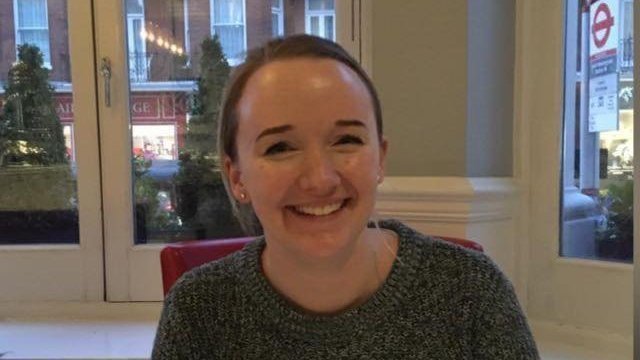
We are sincerely grateful to the Secretary of State for Health, Steve Barclay for meeting with us last Monday. Inevitably, it was a painful and difficult meeting but we were met with compassion and given assurances that this would be the beginning of the conversation.
We were pleased to hear that Steve Barclay referenced our meeting in Parliament on Tuesday during Health Questions, in response to a question from Jeremy Hunt.
We remain positive and determined (we have to) We work with the people in power. The people with the power to make changes. However difficult, it is important our politicians continue to hear the truth, It is important they hear about the impact of certain practices and attitudes, about the lack of training and funding.
Once again, here are the key points raised in the meeting.
Jess’ law: After the third contact with a GP surgery about a condition/symptom a case should be elevated for review. After 5 it should be red flagged and set procedures followed. This should be the minimum response and should not deter GPs from referring earlier during a first or second consultation.
GP practices need a designated Cancer Specialist. This may be a specialist nurse or doctor.
· Research to create blood tests that more accurately highlight incidence of cancer. The GRAIL blood test for cancer, checking for DNA in the blood for signs of cancer and is described as a “key innovation”. Currently, many people wrongly assume a full blood count provides a definitive result regarding cancer markers.
A named GP not just in principle but in practice.
GP Access. Current campaigns encouraging people to visit their GP, should they be worried about cancer, are met with derision. Lack of face-to-face GP appointments is no longer a Covid issue it is an everyday reality. A GP can not gauge distress/fatigue etc from an online form. The onus shouldn’t be on patients to push. We should not feel like failures if, at our lowest ebb, we fail to self-diagnose and demand treatment.
Cancer awareness training supported by yearly (possibly online) compulsory refresher training. This yearly statutory training for G’s is essential to raise awareness regarding the less obvious signs and symptoms of cancer. This should be designed by experienced oncologists. It should not be optional or an expectation of charities.
More high calibre cancer specialist hospitals in the UK. According to Cancer Research UK 1 in 2 people in the UK born after 1960 will be diagnosed with some form of cancer during their lifetime. Treatment needs to be fair and equitable and not a postcode lottery.
· Every life matters. Statistical likelihood should not be a deciding factor when considering diagnostic testing. 10% of all cancers are from patients in their 20s, 30s and 40s.
Palliative care – providing collaborative support between hospitals and hospices enabling staff, who are equipped and experienced, to adequately support. This needs to be a real expectation not just an ideal or an exception. It should not be subject to regional variations.
Rare cancers are real. Doctors may only experience one or two cases, like Jess’, in their entire career but this is what they train for – to save lives. They must be equipped, trained and ready to act. Jess is not just a statistic (however rare, however unlikely) she is deeply loved and desperately missed person.
Change is imperative; with a campaign or some positive legislation linked to Jess’ name e.g., Jess’ Law. This would, in some small way, be a comfort knowing Jess’ wish had been fulfilled.
We hope this is the beginning not the end of our conversation.
Most importantly, thank you, to you, for continuing to sign and share this petition 4 Jess.