
Irish Citizenship Must Be Earned, Not Timed — Restore the Meaning of the 2004 Referendum
The Issue
Ireland is not merely adjusting a waiting period. It is deciding what membership of the Irish nation is worth.
The Government’s proposal to raise reckonable residence for naturalisation from 5 years to 8 years is being opposed on the ground that people who entered legally, worked and paid tax have already “built their lives here” and should not wait longer. That argument treats citizenship as a delayed administrative stamp. The Constitution does not.
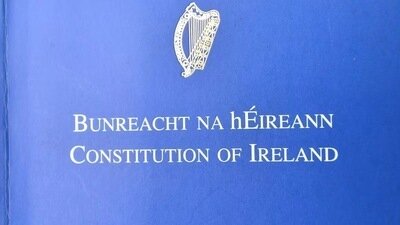
Article 9 of Bunreacht na hÉireann provides that the future acquisition and loss of Irish nationality and citizenship shall be determined in accordance with law. Article 9.2, inserted after the people approved the Twenty-seventh Amendment on 11 June 2004, states that a person born on the island of Ireland who does not have, at the time of birth, at least one parent who is an Irish citizen or entitled to be an Irish citizen is not entitled to Irish citizenship or nationality unless provided for by law. Articles 5 and 6 confirm that Ireland is a sovereign democratic State and that all powers of government derive from the people.
In 2004 the people voted, by a large majority, to end automatic birthright citizenship. They did not vote to replace it with a short, low-threshold route to the same status. Citizenship by naturalisation is an earned privilege, granted at the discretion of the Minister, not a reward for five years of presence.
We therefore call on the Government, the Minister for Justice, and the Oireachtas to go further than an 8-year residence rule and to legislate a citizenship settlement worthy of the 2004 decision:
1. Residence. Naturalisation shall not be available until 30 years of continuous, lawful, reckonable residence. Time on student permission, international protection pending, or temporary protection shall not count.
2. Automatic citizenship. A child shall acquire Irish citizenship automatically only where a parent has held Irish citizenship for more than 10 years at the time of the birth. Birth in Ireland, of itself, shall not confer citizenship.
3. No claim on the social State while seeking membership of the nation. Until citizenship is granted, applicants and their dependants shall have no access to social welfare, including child benefit; no free public healthcare; no family reunification; no fuel allowance; no subsidies of any kind; no social housing, affordable housing or Help to Buy. Citizenship must not be a route to the welfare system.
4. Character. Applicants must have no criminal record.
5. Language. Applicants must demonstrate university-level fluency in Irish and in English.
6. Knowledge and contribution. Applicants must pass a once-off, rigorous citizenship examination covering Irish history, geography, values, culture, institutions and both languages. Each sitting of the examination, including every resit, shall cost €50,000, adjusted to inflation.
7. Honesty. If an applicant is found to have lied in the citizenship process, citizenship shall be stripped and the person deported to the country of origin.
8. Crime after the grant. If a naturalised citizen commits a serious crime within 20 years of the grant, citizenship shall be revoked and the person deported to the country of origin.
9. Public office. No person who acquires Irish citizenship by naturalisation shall hold public office until 20 years have passed from the date citizenship was granted. Living here, paying tax or holding a passport shall not shorten that period. Public office means membership of Dáil Éireann or Seanad Éireann, the office of President, judicial office, and any other public office prescribed by law. Citizenship is membership of the nation. High office is a further trust, and it should not be available to a newly naturalised citizen.
Ireland is not being asked to invent a 30-year standard. The United Arab Emirates already applies one. Under Federal Law No. 17 of 1972, a person who is not in a shorter, tightly defined category may be considered for naturalisation only after at least 30 years of continuous, lawful residence, together with Arabic proficiency, a lawful income, good character and no conviction for an offence of moral turpitude or dishonesty. Even then, citizenship is a discretion of the State, not a right that follows from tax or time served. A country of fewer than six million people, with a far larger foreign-born workforce than Ireland’s, has chosen to keep the passport rare. A 5-year or 8-year Irish pathway treats membership of the nation as a short administrative wait. If the UAE can require three decades of settled, lawful residence before it will even consider naturalisation, Ireland can require no less.
Legal work and tax are conditions of living here. They are not a title to the Irish nation. Immigration pressure, housing scarcity and the welfare budget are not separate from citizenship policy; they are why the pathway must be narrow, long and demanding.
We ask that the Irish Nationality and Citizenship Acts be amended on this basis, and that any change which further restricts entitlement by birth be put to the people if the Attorney General advises that Article 9.2 or Article 2 so requires.
Retain nothing of the 5-year pathway. Eight years is still a short lease on a permanent status. The Constitution leaves this to law. The people already said, in 2004, that Irish citizenship is not automatic. The law should now say that it is rare.
#EarnThePassport

155
The Issue
Ireland is not merely adjusting a waiting period. It is deciding what membership of the Irish nation is worth.
The Government’s proposal to raise reckonable residence for naturalisation from 5 years to 8 years is being opposed on the ground that people who entered legally, worked and paid tax have already “built their lives here” and should not wait longer. That argument treats citizenship as a delayed administrative stamp. The Constitution does not.
Article 9 of Bunreacht na hÉireann provides that the future acquisition and loss of Irish nationality and citizenship shall be determined in accordance with law. Article 9.2, inserted after the people approved the Twenty-seventh Amendment on 11 June 2004, states that a person born on the island of Ireland who does not have, at the time of birth, at least one parent who is an Irish citizen or entitled to be an Irish citizen is not entitled to Irish citizenship or nationality unless provided for by law. Articles 5 and 6 confirm that Ireland is a sovereign democratic State and that all powers of government derive from the people.
In 2004 the people voted, by a large majority, to end automatic birthright citizenship. They did not vote to replace it with a short, low-threshold route to the same status. Citizenship by naturalisation is an earned privilege, granted at the discretion of the Minister, not a reward for five years of presence.
We therefore call on the Government, the Minister for Justice, and the Oireachtas to go further than an 8-year residence rule and to legislate a citizenship settlement worthy of the 2004 decision:
1. Residence. Naturalisation shall not be available until 30 years of continuous, lawful, reckonable residence. Time on student permission, international protection pending, or temporary protection shall not count.
2. Automatic citizenship. A child shall acquire Irish citizenship automatically only where a parent has held Irish citizenship for more than 10 years at the time of the birth. Birth in Ireland, of itself, shall not confer citizenship.
3. No claim on the social State while seeking membership of the nation. Until citizenship is granted, applicants and their dependants shall have no access to social welfare, including child benefit; no free public healthcare; no family reunification; no fuel allowance; no subsidies of any kind; no social housing, affordable housing or Help to Buy. Citizenship must not be a route to the welfare system.
4. Character. Applicants must have no criminal record.
5. Language. Applicants must demonstrate university-level fluency in Irish and in English.
6. Knowledge and contribution. Applicants must pass a once-off, rigorous citizenship examination covering Irish history, geography, values, culture, institutions and both languages. Each sitting of the examination, including every resit, shall cost €50,000, adjusted to inflation.
7. Honesty. If an applicant is found to have lied in the citizenship process, citizenship shall be stripped and the person deported to the country of origin.
8. Crime after the grant. If a naturalised citizen commits a serious crime within 20 years of the grant, citizenship shall be revoked and the person deported to the country of origin.
9. Public office. No person who acquires Irish citizenship by naturalisation shall hold public office until 20 years have passed from the date citizenship was granted. Living here, paying tax or holding a passport shall not shorten that period. Public office means membership of Dáil Éireann or Seanad Éireann, the office of President, judicial office, and any other public office prescribed by law. Citizenship is membership of the nation. High office is a further trust, and it should not be available to a newly naturalised citizen.
Ireland is not being asked to invent a 30-year standard. The United Arab Emirates already applies one. Under Federal Law No. 17 of 1972, a person who is not in a shorter, tightly defined category may be considered for naturalisation only after at least 30 years of continuous, lawful residence, together with Arabic proficiency, a lawful income, good character and no conviction for an offence of moral turpitude or dishonesty. Even then, citizenship is a discretion of the State, not a right that follows from tax or time served. A country of fewer than six million people, with a far larger foreign-born workforce than Ireland’s, has chosen to keep the passport rare. A 5-year or 8-year Irish pathway treats membership of the nation as a short administrative wait. If the UAE can require three decades of settled, lawful residence before it will even consider naturalisation, Ireland can require no less.
Legal work and tax are conditions of living here. They are not a title to the Irish nation. Immigration pressure, housing scarcity and the welfare budget are not separate from citizenship policy; they are why the pathway must be narrow, long and demanding.
We ask that the Irish Nationality and Citizenship Acts be amended on this basis, and that any change which further restricts entitlement by birth be put to the people if the Attorney General advises that Article 9.2 or Article 2 so requires.
Retain nothing of the 5-year pathway. Eight years is still a short lease on a permanent status. The Constitution leaves this to law. The people already said, in 2004, that Irish citizenship is not automatic. The law should now say that it is rare.
#EarnThePassport
Petition Updates
Share this petition
Petition created on 10 September 2026