

India Needs Ranked Choice Blockchain-Based Voting (RCV) for a Fairer Future
The Issue
To,
The Government of India
Subject: India Needs Ranked Choice Blockchain-Based Voting (RCV) for a Fairer Future
Our current voting system, First-Past-The-Post (FPTP), has several drawbacks that can lead to unfair representation. It's time for India to adopt Ranked Choice Voting (RCV) with blockchain technology to ensure a fairer and more transparent electoral process.
Present Voting System - First-Past-The-Post (FPTP): Imagine there are five candidates:
Shahrukh Khan (8000 votes)
Mahesh Babu (5000 votes)
Rajinikanth (3000 votes)
Ramu (600 votes)
Krishna (400 votes)
In this scenario, Shahrukh Khan wins.
While FPTP is simple and easy to understand, it has significant drawbacks:
This can lead to "wasted" votes and tactical voting.
Votes for a candidate who doesn't win don't help elect anyone.
People might vote for a candidate they think has a better chance of winning.
If a candidate wins with less than 50% of the vote, the majority of voters might have preferred someone else.
Smaller parties find it difficult to win seats, as they need a significant concentration of votes in specific areas.
Over time, political competition tends to consolidate around two major parties, marginalizing smaller parties.
Example - 1984 Lok Sabha Elections: The Congress party won a staggering 415 out of 543 seats in the Lok Sabha, which is more than 80% of the seats. However, they only received about 48% of the total votes. This means that despite not having a majority of the popular vote, they secured a disproportionately large number of seats.
Cons Highlighted:
Disproportionality: The Congress party's seat share was much higher than their vote share, showing a significant mismatch between the percentage of votes received and the percentage of seats won.
Wasted Votes: Votes for losing candidates did not contribute to the overall result, which can discourage voter participation.
Minority Rule: A party can win a majority of seats without a majority of votes, leading to a government that may not reflect the overall preference of the electorate.
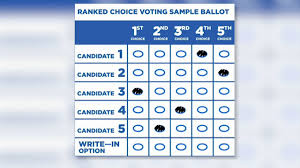
Ranked-Choice Voting (RCV) Presidential Election Voting Process: Imagine there are five candidates:
Shahrukh Khan (8000 votes)
Mahesh Babu (5000 votes)
Rajinikanth (3000 votes)
Ramu (600 votes)
Krishna (400 votes)
Here's how the process might look:
Voter Rankings:
Voter 1:
1st choice - Shahrukh Khan
2nd choice - Mahesh Babu
3rd choice - Rajinikanth
4th choice - Ramu
5th choice - Krishna
Voter 2:
1st choice - Mahesh Babu
2nd choice - Rajinikanth
3rd choice - Shahrukh Khan
4th choice - Krishna
5th choice - Ramu
Voter 3:
1st choice - Rajinikanth
2nd choice - Shahrukh Khan
3rd choice - Mahesh Babu
4th choice - Ramu
5th choice - Krishna
First Round:
Shahrukh Khan: 8000 votes (40%)
Mahesh Babu: 5000 votes (25%)
Rajinikanth: 3000 votes (15%)
Ramu: 600 votes (3%)
Krishna: 400 votes (2%)
Since no one has more than 50%, the candidate with the fewest votes is eliminated. Krishna is eliminated.
Redistribution: Krishna's 400 votes are redistributed to the remaining candidates based on the voters' next preferences.
Second Round:
Shahrukh Khan: 8000 votes + 100 votes = 8100 votes (40.5%)
Mahesh Babu: 5000 votes + 150 votes = 5150 votes (25.75%)
Rajinikanth: 3000 votes + 100 votes = 3100 votes (15.5%)
Ramu: 600 votes + 50 votes = 650 votes (3.25%)
Since no one has more than 50%, the candidate with the fewest votes is eliminated. Ramu is eliminated.
Redistribution: Ramu's 650 votes are redistributed to the remaining candidates based on the voters' next preferences.
Third Round:
Shahrukh Khan: 8100 votes + 200 votes = 8300 votes (41.5%)
Mahesh Babu: 5150 votes + 300 votes = 5450 votes (27.25%)
Rajinikanth: 3100 votes + 150 votes = 3250 votes (16.25%)
Since no one has more than 50%, the candidate with the fewest votes is eliminated. Rajinikanth is eliminated.
Redistribution: Rajinikanth's 3250 votes are redistributed to the remaining candidates based on the voters' next preferences.
Final Round:
Shahrukh Khan: 8300 votes + 200 votes = 8500 votes (50%)
Mahesh Babu: 5450 votes + 3050 votes = 8500 votes (50%)
As Shahrukh Khan and Mahesh Babu both got exactly 50% of the total votes, the following steps are taken:
Recounting: The votes are recounted to ensure accuracy. This step can be mitigated if we use BLOCKCHAIN.
Re-Election: If the tie persists after recounting, a re-election is conducted. The same Electoral College votes again to break the tie.
By signing this petition, we stand together to commit to a fairer future.
Join us in this movement. #MakeYourVoteCount #BlockchainVoting #UnifiedSoul #RankedChoiceVoting #FutureOfVoting

3
The Issue
To,
The Government of India
Subject: India Needs Ranked Choice Blockchain-Based Voting (RCV) for a Fairer Future
Our current voting system, First-Past-The-Post (FPTP), has several drawbacks that can lead to unfair representation. It's time for India to adopt Ranked Choice Voting (RCV) with blockchain technology to ensure a fairer and more transparent electoral process.
Present Voting System - First-Past-The-Post (FPTP): Imagine there are five candidates:
Shahrukh Khan (8000 votes)
Mahesh Babu (5000 votes)
Rajinikanth (3000 votes)
Ramu (600 votes)
Krishna (400 votes)
In this scenario, Shahrukh Khan wins.
While FPTP is simple and easy to understand, it has significant drawbacks:
This can lead to "wasted" votes and tactical voting.
Votes for a candidate who doesn't win don't help elect anyone.
People might vote for a candidate they think has a better chance of winning.
If a candidate wins with less than 50% of the vote, the majority of voters might have preferred someone else.
Smaller parties find it difficult to win seats, as they need a significant concentration of votes in specific areas.
Over time, political competition tends to consolidate around two major parties, marginalizing smaller parties.
Example - 1984 Lok Sabha Elections: The Congress party won a staggering 415 out of 543 seats in the Lok Sabha, which is more than 80% of the seats. However, they only received about 48% of the total votes. This means that despite not having a majority of the popular vote, they secured a disproportionately large number of seats.
Cons Highlighted:
Disproportionality: The Congress party's seat share was much higher than their vote share, showing a significant mismatch between the percentage of votes received and the percentage of seats won.
Wasted Votes: Votes for losing candidates did not contribute to the overall result, which can discourage voter participation.
Minority Rule: A party can win a majority of seats without a majority of votes, leading to a government that may not reflect the overall preference of the electorate.
Ranked-Choice Voting (RCV) Presidential Election Voting Process: Imagine there are five candidates:
Shahrukh Khan (8000 votes)
Mahesh Babu (5000 votes)
Rajinikanth (3000 votes)
Ramu (600 votes)
Krishna (400 votes)
Here's how the process might look:
Voter Rankings:
Voter 1:
1st choice - Shahrukh Khan
2nd choice - Mahesh Babu
3rd choice - Rajinikanth
4th choice - Ramu
5th choice - Krishna
Voter 2:
1st choice - Mahesh Babu
2nd choice - Rajinikanth
3rd choice - Shahrukh Khan
4th choice - Krishna
5th choice - Ramu
Voter 3:
1st choice - Rajinikanth
2nd choice - Shahrukh Khan
3rd choice - Mahesh Babu
4th choice - Ramu
5th choice - Krishna
First Round:
Shahrukh Khan: 8000 votes (40%)
Mahesh Babu: 5000 votes (25%)
Rajinikanth: 3000 votes (15%)
Ramu: 600 votes (3%)
Krishna: 400 votes (2%)
Since no one has more than 50%, the candidate with the fewest votes is eliminated. Krishna is eliminated.
Redistribution: Krishna's 400 votes are redistributed to the remaining candidates based on the voters' next preferences.
Second Round:
Shahrukh Khan: 8000 votes + 100 votes = 8100 votes (40.5%)
Mahesh Babu: 5000 votes + 150 votes = 5150 votes (25.75%)
Rajinikanth: 3000 votes + 100 votes = 3100 votes (15.5%)
Ramu: 600 votes + 50 votes = 650 votes (3.25%)
Since no one has more than 50%, the candidate with the fewest votes is eliminated. Ramu is eliminated.
Redistribution: Ramu's 650 votes are redistributed to the remaining candidates based on the voters' next preferences.
Third Round:
Shahrukh Khan: 8100 votes + 200 votes = 8300 votes (41.5%)
Mahesh Babu: 5150 votes + 300 votes = 5450 votes (27.25%)
Rajinikanth: 3100 votes + 150 votes = 3250 votes (16.25%)
Since no one has more than 50%, the candidate with the fewest votes is eliminated. Rajinikanth is eliminated.
Redistribution: Rajinikanth's 3250 votes are redistributed to the remaining candidates based on the voters' next preferences.
Final Round:
Shahrukh Khan: 8300 votes + 200 votes = 8500 votes (50%)
Mahesh Babu: 5450 votes + 3050 votes = 8500 votes (50%)
As Shahrukh Khan and Mahesh Babu both got exactly 50% of the total votes, the following steps are taken:
Recounting: The votes are recounted to ensure accuracy. This step can be mitigated if we use BLOCKCHAIN.
Re-Election: If the tie persists after recounting, a re-election is conducted. The same Electoral College votes again to break the tie.
By signing this petition, we stand together to commit to a fairer future.
Join us in this movement. #MakeYourVoteCount #BlockchainVoting #UnifiedSoul #RankedChoiceVoting #FutureOfVoting
The Decision Makers

Petition Updates
Share this petition
Petition created on 8 January 2025