

Implement Comprehensive Education and Support Programs to Lower Teenage Pregnancy Rates
The Issue
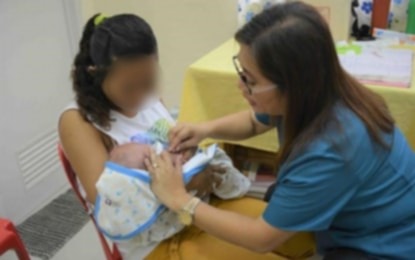
MA! —The photo above captures a health worker gently attending to a young mother—a reality that so many teenagers face, not out of choice, but because they were never given the knowledge to protect their futures.
The prevalence of teenage pregnancy urges the public and policymakers to strengthen the laws and implement comprehensive and age-appropriate sex education to equip the community with knowledge that can protect a child's future. Teenage pregnancy can immensely impact the future of young people, particularly young girls. This problem may hinder them, leading to interrupted education and higher risks to both maternal and child health. The country faced a 35% hike in teenage pregnancy.
Teenage pregnancy was declared a "national and social emergency" in the Philippines in 2019 by the National Economic and Development Authority.
According to data from the Philippine Statistics Authority, live births among girls between the ages of 10 and 14 increased by 6.6% from 2,411 in 2019 to 3,343 in 2023. Additionally, 17 women under 20 had given birth five or more times, and 38 girls under 15 had multiple pregnancies in 2023.
Since adolescent moms' bodies are not yet prepared or fit to carry a kid in the womb, being pregnant when still young can have a number of negative health effects. A child born to a woman in poor health will likewise be sickly. Teenage moms (ages 10 to 19) are more likely than women in their 20s and 24s to experience:
- Eclampsia,
- Puerperal endometritis, and
- Systemic infections, and
- Their infants are more likely to be underweight,
- Born before their due date, and
- Suffer from serious neonatal disorders.
In addition to these negative physical effects, adolescent pregnancy can cause mental and psychological health issues, as well as social and financial challenges that can have a significant negative impact on the adolescent's overall welfare.
Teenage pregnancy has always been an issue; however, as the percentage of teenage pregnancy continues to rise rapidly, this trend demands urgent and serious action.
What if this was your daughter, facing the enormous obstacles that come with an unwanted pregnancy at a pivotal point in her life? What if this were your son, facing a future that might be derailed by the weight of responsibility? These are not hypothetical situations; they are real, they are happening now, and they have consequences that echo through families, communities, and society as a whole. When we neglect the importance of reproductive health—education, access, and support—we rob our youth of the power to make informed choices, to protect themselves, and to thrive.
𝙵𝚘𝚛 𝚈𝚘𝚞, 𝙵𝚘𝚛 𝚈𝚘𝚞𝚝𝚑.
Read more here for more information:
CPD flags rising pregnancy among young girls; demands urgent action
Letter to the Editor: Teenage Pregnancy in the Philippines: Effects and Interventions

104
The Issue
MA! —The photo above captures a health worker gently attending to a young mother—a reality that so many teenagers face, not out of choice, but because they were never given the knowledge to protect their futures.
The prevalence of teenage pregnancy urges the public and policymakers to strengthen the laws and implement comprehensive and age-appropriate sex education to equip the community with knowledge that can protect a child's future. Teenage pregnancy can immensely impact the future of young people, particularly young girls. This problem may hinder them, leading to interrupted education and higher risks to both maternal and child health. The country faced a 35% hike in teenage pregnancy.
Teenage pregnancy was declared a "national and social emergency" in the Philippines in 2019 by the National Economic and Development Authority.
According to data from the Philippine Statistics Authority, live births among girls between the ages of 10 and 14 increased by 6.6% from 2,411 in 2019 to 3,343 in 2023. Additionally, 17 women under 20 had given birth five or more times, and 38 girls under 15 had multiple pregnancies in 2023.
Since adolescent moms' bodies are not yet prepared or fit to carry a kid in the womb, being pregnant when still young can have a number of negative health effects. A child born to a woman in poor health will likewise be sickly. Teenage moms (ages 10 to 19) are more likely than women in their 20s and 24s to experience:
- Eclampsia,
- Puerperal endometritis, and
- Systemic infections, and
- Their infants are more likely to be underweight,
- Born before their due date, and
- Suffer from serious neonatal disorders.
In addition to these negative physical effects, adolescent pregnancy can cause mental and psychological health issues, as well as social and financial challenges that can have a significant negative impact on the adolescent's overall welfare.
Teenage pregnancy has always been an issue; however, as the percentage of teenage pregnancy continues to rise rapidly, this trend demands urgent and serious action.
What if this was your daughter, facing the enormous obstacles that come with an unwanted pregnancy at a pivotal point in her life? What if this were your son, facing a future that might be derailed by the weight of responsibility? These are not hypothetical situations; they are real, they are happening now, and they have consequences that echo through families, communities, and society as a whole. When we neglect the importance of reproductive health—education, access, and support—we rob our youth of the power to make informed choices, to protect themselves, and to thrive.
𝙵𝚘𝚛 𝚈𝚘𝚞, 𝙵𝚘𝚛 𝚈𝚘𝚞𝚝𝚑.
Read more here for more information:
CPD flags rising pregnancy among young girls; demands urgent action
Letter to the Editor: Teenage Pregnancy in the Philippines: Effects and Interventions
Petition Updates
Share this petition
Petition created on March 1, 2025