International Conference for Hedgehog Rehabilitators part 3

So sorry this has been a long time coming - but life has become a little busier than it was!
Remember back to January when I started writing this summaries of what had taken place at the International Conference for Hedgehog Rehabilitators? Well, I do think it is worth skimming through what else was going on ... though first, a few things that have been going on ...
I did a 90 minute hedgehog comedy show to my local community centre as a fundraiser - and we made £420 for this wonderful hub in Florence Park. There was a lot of laughter - and also, I hope, some learning!!
Last week I did an interview for NPR - here it is - the USA national radio station and the closest thing they have to the BBC. Its only short, but amuses me as the presenter consistently gets my name wrong!
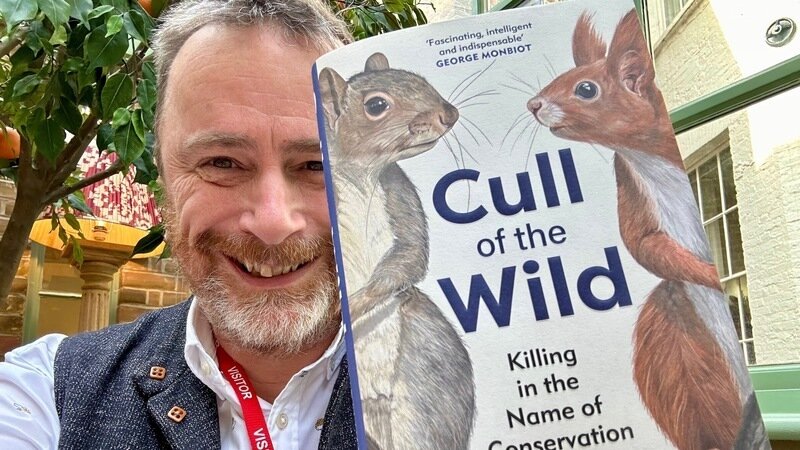
I have a new book coming out - 28th March - and while 'Cull of the Wild' is not specifically about hedgehogs, it does begin with a very challenging hedgehog story. I got hold of the first copy last week - I am so excited!!! You can pre-order it here or from GOOD bookshops.
Okay - back to the amazing conference ...
Dr Katharina Seilern-Moy has one of the best of jobs, she is a wildlife vet, and she works with the Garden Wildlife Health Project out of the Institute of Zoology. I have been involved with the GWH since its start and it is a fascinating project. Please check out their website for more details.
They are looking into evidence of disease in wild populations of hedgehog, and also trying to see if the pesticide residues (for example, most hedgehogs in one survey had rodenticide in their systems - paper here).
Back to Dr Sophie Lund Rasmussen (she does so much!!) - and she too was looking at the presence of pesticides and other biocides in Danish hedgehogs (same species as ours, just that is where she did the research!)
Using 115 liver samples from dead hedgehogs she detected rodenticides in 84% of samples, insecticides in 43%, and herbicides in 50%. These are startling figures - and really remind us that we are contaminating the world in dramatic ways. We do not know - yet - what impact these chemicals have on the ability of hedgehogs to survive - and even more unknown is what impact the combination of these chemicals might be having. You can read more HERE.
Finally in this session, Emily Thrift talked about the presence of plastics within hedgehog food - both wild and supplementary. This ongoing research should give cause for alarm. Microplastics get everywhere, even into the tins of pet food.
Ok - I will stop now - but I promise to be back soon with more updates from this wonderful conference.
In the meantime - do check out my new book .... ooh - I have just seen that my publisher, Bloomsbury, is undercutting Amazon!! I will never understand the economics of book selling!