GUARD: Secure a future for the Northern Hairy-Nosed Wombat
GUARD: Secure a future for the Northern Hairy-Nosed Wombat
The issue
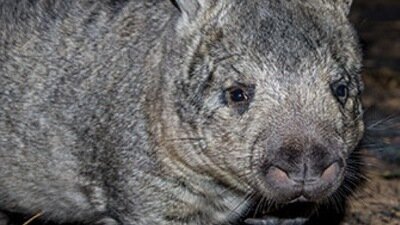
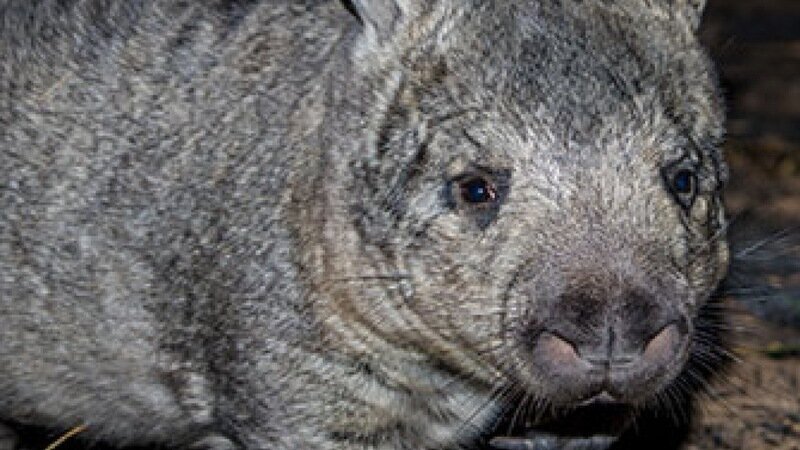
The Northern Hairy-nosed Wombat, a creature as unique as the Australian landscape itself, is on the cusp of extinction.
From a frightening low of just 35 individuals in the 1980s, dedicated conservation efforts have nurtured their numbers to over 300 today.
This remarkable achievement, however, is just the beginning of the journey towards their recovery.
These wombats are more than just animals; they are an irreplaceable part of Australia's ecological and cultural heritage.
The loss of every single species diminishes our world, and the Northern Hairy-nosed Wombat's extinction would leave a void that could never be filled.
Thanks to tireless work by conservationists, supported by public funding and private donations, significant strides have been made:
- Establishment of predator-proof sanctuaries, ensuring a safer environment for the wombats to thrive.
- Innovative conservation techniques, such as the "hair census," have provided crucial insights into wombat populations and health.
- Community engagement and education initiatives have raised awareness and fostered a connection between the wombats and the Australian public.
Despite these successes, the Northern Hairy-nosed Wombat's future remains uncertain.
We face a critical moment where further action is not just beneficial but necessary:
- Expand Habitats: Identifying and securing more land for habitat expansion is crucial. New sanctuaries will reduce the risk of catastrophe and allow for greater population growth.
- Increase Genetic Diversity: Establishing more populations is vital for increasing genetic diversity and resilience among wombats, reducing the risk of disease and inbreeding.
- Further Research: Continued research into their health, diet, and environment will provide the knowledge needed to support their recovery effectively.
- Strengthen Legislation: We must advocate for stronger environmental protections and policies that prioritise the preservation of critical habitats and the welfare of endangered species.
This petition is a rallying cry for those who believe in the power of collective action to enact change.
By signing, you're joining a community committed to not just saving a species but preserving our natural heritage for future generations.
Share this message, engage with conservation efforts, and let your voice be a beacon of hope for the Northern Hairy-nosed Wombat.
We urge the Australian Federal Government, the Department of Agriculture, Water and the Environment, and relevant conservation bodies to:
- Commit to increased funding for wombat conservation.
- Prioritise the acquisition and development of new habitats.
- Support cutting-edge research into wombat health and habitat requirements.
- Enact stronger laws to protect the Northern Hairy-nosed Wombat and its environment.
Together, we can ensure that the Northern Hairy-nosed Wombat thrives for generations to come.
Sign, share, and be part of this vital movement.
More information
The Northern Hairy-nosed Wombat, also known by its indigenous name Yaminon, represents a critical conservation focus in Australia.
As the world’s largest herbivorous burrowing mammal and the biggest existing wombat species, it plays a unique role in our ecosystem.
Adults of this species can reach over one metre in length and weigh approximately 32 kg, equipped with strong claws designed for digging extensive burrow systems where they reside.
Historically, the Northern Hairy-nosed Wombat was prevalent across Victoria, New South Wales, and Queensland. Unfortunately, competition for resources with non-native grazing animals dramatically reduced their numbers.
By the 1980s, their existence was confined to a single location in Epping Forest, central Queensland.
Efforts to conserve and expand their population led to the establishment of a second colony near St George in southeastern Queensland by 2009.
Despite these efforts, the population remains critically low, with an estimated 315 individuals recorded in 2021.
Key Threats to Survival
The survival of the Northern Hairy-nosed Wombat is threatened by several factors:
- Habitat Loss and Degradation: The clearing of land for agriculture, along with livestock grazing and the invasion of Buffel grass, severely impacts their living spaces.
- Predation: Dingoes, wild dogs, and their hybrids pose a significant threat through predation.
- Genetic Vulnerability: With such a small population, inbreeding and loss of genetic diversity are serious concerns, heightening the risk from disease, drought, and fire.
Addressing the threats to the Northern Hairy-nosed Wombat requires a multifaceted approach:
- Resource Management: It’s crucial to ensure wombats have access to food, which may involve managing the grazing of other herbivores and providing supplementary feeding as necessary.
- Habitat Security: The use of dog and fox-proof fencing can protect habitats, allowing for the reintroduction of wombats to suitable areas and the establishment of new colonies.
- Population Management: Efforts must focus on increasing the wombat population to preserve the limited genetic diversity that remains.
- Habitat Maintenance: Controlling invasive weeds, particularly Buffel grass, is essential to maintaining the habitats suitable for the wombats.
The conservation of the Northern Hairy-nosed Wombat is an ongoing effort. Future updates to the Threatened Species Action Plan will highlight projects supporting species recovery and provide insights into their population trajectory.
Protecting this species not only requires direct action but also a commitment to preserving the natural environment. Through concerted efforts, there is hope for the Northern Hairy-nosed Wombat’s resurgence, ensuring its survival for generations to come.

588
The issue
The Northern Hairy-nosed Wombat, a creature as unique as the Australian landscape itself, is on the cusp of extinction.
From a frightening low of just 35 individuals in the 1980s, dedicated conservation efforts have nurtured their numbers to over 300 today.
This remarkable achievement, however, is just the beginning of the journey towards their recovery.
These wombats are more than just animals; they are an irreplaceable part of Australia's ecological and cultural heritage.
The loss of every single species diminishes our world, and the Northern Hairy-nosed Wombat's extinction would leave a void that could never be filled.
Thanks to tireless work by conservationists, supported by public funding and private donations, significant strides have been made:
- Establishment of predator-proof sanctuaries, ensuring a safer environment for the wombats to thrive.
- Innovative conservation techniques, such as the "hair census," have provided crucial insights into wombat populations and health.
- Community engagement and education initiatives have raised awareness and fostered a connection between the wombats and the Australian public.
Despite these successes, the Northern Hairy-nosed Wombat's future remains uncertain.
We face a critical moment where further action is not just beneficial but necessary:
- Expand Habitats: Identifying and securing more land for habitat expansion is crucial. New sanctuaries will reduce the risk of catastrophe and allow for greater population growth.
- Increase Genetic Diversity: Establishing more populations is vital for increasing genetic diversity and resilience among wombats, reducing the risk of disease and inbreeding.
- Further Research: Continued research into their health, diet, and environment will provide the knowledge needed to support their recovery effectively.
- Strengthen Legislation: We must advocate for stronger environmental protections and policies that prioritise the preservation of critical habitats and the welfare of endangered species.
This petition is a rallying cry for those who believe in the power of collective action to enact change.
By signing, you're joining a community committed to not just saving a species but preserving our natural heritage for future generations.
Share this message, engage with conservation efforts, and let your voice be a beacon of hope for the Northern Hairy-nosed Wombat.
We urge the Australian Federal Government, the Department of Agriculture, Water and the Environment, and relevant conservation bodies to:
- Commit to increased funding for wombat conservation.
- Prioritise the acquisition and development of new habitats.
- Support cutting-edge research into wombat health and habitat requirements.
- Enact stronger laws to protect the Northern Hairy-nosed Wombat and its environment.
Together, we can ensure that the Northern Hairy-nosed Wombat thrives for generations to come.
Sign, share, and be part of this vital movement.
More information
The Northern Hairy-nosed Wombat, also known by its indigenous name Yaminon, represents a critical conservation focus in Australia.
As the world’s largest herbivorous burrowing mammal and the biggest existing wombat species, it plays a unique role in our ecosystem.
Adults of this species can reach over one metre in length and weigh approximately 32 kg, equipped with strong claws designed for digging extensive burrow systems where they reside.
Historically, the Northern Hairy-nosed Wombat was prevalent across Victoria, New South Wales, and Queensland. Unfortunately, competition for resources with non-native grazing animals dramatically reduced their numbers.
By the 1980s, their existence was confined to a single location in Epping Forest, central Queensland.
Efforts to conserve and expand their population led to the establishment of a second colony near St George in southeastern Queensland by 2009.
Despite these efforts, the population remains critically low, with an estimated 315 individuals recorded in 2021.
Key Threats to Survival
The survival of the Northern Hairy-nosed Wombat is threatened by several factors:
- Habitat Loss and Degradation: The clearing of land for agriculture, along with livestock grazing and the invasion of Buffel grass, severely impacts their living spaces.
- Predation: Dingoes, wild dogs, and their hybrids pose a significant threat through predation.
- Genetic Vulnerability: With such a small population, inbreeding and loss of genetic diversity are serious concerns, heightening the risk from disease, drought, and fire.
Addressing the threats to the Northern Hairy-nosed Wombat requires a multifaceted approach:
- Resource Management: It’s crucial to ensure wombats have access to food, which may involve managing the grazing of other herbivores and providing supplementary feeding as necessary.
- Habitat Security: The use of dog and fox-proof fencing can protect habitats, allowing for the reintroduction of wombats to suitable areas and the establishment of new colonies.
- Population Management: Efforts must focus on increasing the wombat population to preserve the limited genetic diversity that remains.
- Habitat Maintenance: Controlling invasive weeds, particularly Buffel grass, is essential to maintaining the habitats suitable for the wombats.
The conservation of the Northern Hairy-nosed Wombat is an ongoing effort. Future updates to the Threatened Species Action Plan will highlight projects supporting species recovery and provide insights into their population trajectory.
Protecting this species not only requires direct action but also a commitment to preserving the natural environment. Through concerted efforts, there is hope for the Northern Hairy-nosed Wombat’s resurgence, ensuring its survival for generations to come.
588
The Decision Makers

Petition Updates
Share this petition
Petition created on 24 March 2024