

Grant Freedom to Inmates Who Have Served Their Long-Term Sentences
The Issue
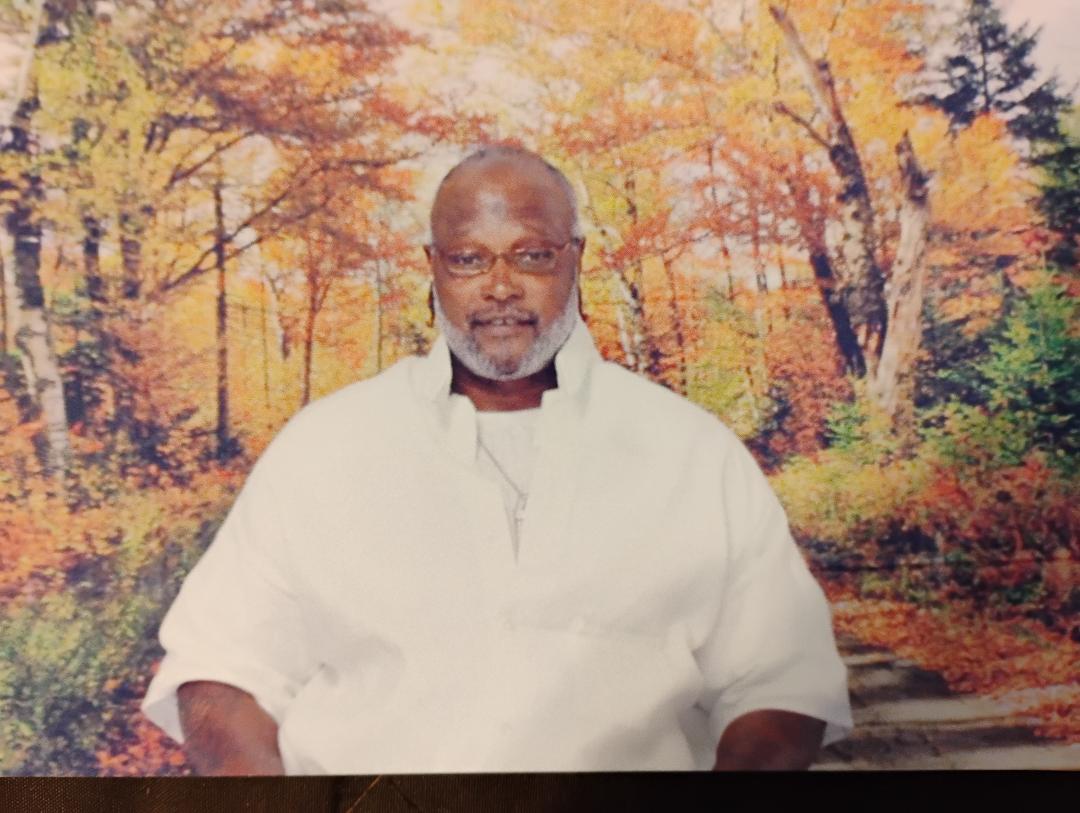
My personal experience with my brother serving his sentence has awakened me to the issue of many others facing a similar situation. He has served his time for years, working towards rehabilitation, and yet his parole applications are continually denied. Unfortunately, this scenario is far from rare.
My brother Roy Lee Fairley #0022518, who has been incarcerated for more than 34 years in the Mississippi State Penitentiary. Before this incident, my brother was a dedicated father, hard worker and was a veteran of the Army National Guard for six years with an honor discharge. My brother Roy Lee committed a crime when he was 24 years old that would change his life forever. The District Attorney didn't want to take Roy Lee to trial, so he gave him a plea deal with the family agreement which Roy Lee accepted to pay for his crime. He has served his time with dignity and patience, learning lessons, and living through hardship each day behind bars. I urge policymakers to review his case and consider the importance of granting freedom to inmates like him who have completed their assigned long-term sentences.
According to the Bureau of Justice Statistics, more than 200,000 individuals aged 55 or older are currently serving time in our U.S. prisons. This number has climbed more than fivefold since the early 1990s and is on course to do so again by 2030; contributing to this problem is the use of long-term sentences without reassessment of the nature of the crimes, the behavior of the prisoner, and the progress inmates have made.
The U.S. holds approximately 2.3 million people in 1,833 state prisons, 110 federal prisons, and numerous county jails and detention centers (source: Prison Policy Initiative). The rate of denied parole applications is alarmingly high, even for inmates who have done their due diligence in correcting the past errors. Society should be about rehabilitation, not mercilessly locking up individuals who have made significant strides in their journey towards redemption.
It's well documented that punishment should serve as a deterrent, rehabilitation, and a symbol of societal justice, not life-long penance. Long-term incarceration where clear evidence of rehabilitation is present, such as in my brother's case, has little deterrent effect and serves as a punitive measure inefficient for societal growth (Vera Institute of Justice).
Thus, essential reform is needed: to grant freedom to inmates like my brother, who have served their time, proven their rehabilitation, and posed no threat to society. We, therefore, ask that legislation and prison policies be reviewed and provisions be made for early or on-time release for those deserving prisoners who've served long sentences.
Therefore, it is indispensable that we start recognizing the rights of these inmates who have demonstrated a consistent commitment to change and served their sentences as per prescribed laws. The denial of parole to reformed long-term inmates isn't just cruel; it is a showcase of an inherently flawed justice system that's more focused on punishment over reform.
Please stand with us in this fight for justice. Sign this petition, show that you believe in second chances, and let's work together to restore the lives of those who've paid their debt to society and let's demand freedom for our brothers, sisters, and friends who have served their long-term sentences and are ready to make a positive impact on society again. Let's campaign for justice and make this system more about reform and rehabilitation, less about never-ending bondage.

187
The Issue
My personal experience with my brother serving his sentence has awakened me to the issue of many others facing a similar situation. He has served his time for years, working towards rehabilitation, and yet his parole applications are continually denied. Unfortunately, this scenario is far from rare.
My brother Roy Lee Fairley #0022518, who has been incarcerated for more than 34 years in the Mississippi State Penitentiary. Before this incident, my brother was a dedicated father, hard worker and was a veteran of the Army National Guard for six years with an honor discharge. My brother Roy Lee committed a crime when he was 24 years old that would change his life forever. The District Attorney didn't want to take Roy Lee to trial, so he gave him a plea deal with the family agreement which Roy Lee accepted to pay for his crime. He has served his time with dignity and patience, learning lessons, and living through hardship each day behind bars. I urge policymakers to review his case and consider the importance of granting freedom to inmates like him who have completed their assigned long-term sentences.
According to the Bureau of Justice Statistics, more than 200,000 individuals aged 55 or older are currently serving time in our U.S. prisons. This number has climbed more than fivefold since the early 1990s and is on course to do so again by 2030; contributing to this problem is the use of long-term sentences without reassessment of the nature of the crimes, the behavior of the prisoner, and the progress inmates have made.
The U.S. holds approximately 2.3 million people in 1,833 state prisons, 110 federal prisons, and numerous county jails and detention centers (source: Prison Policy Initiative). The rate of denied parole applications is alarmingly high, even for inmates who have done their due diligence in correcting the past errors. Society should be about rehabilitation, not mercilessly locking up individuals who have made significant strides in their journey towards redemption.
It's well documented that punishment should serve as a deterrent, rehabilitation, and a symbol of societal justice, not life-long penance. Long-term incarceration where clear evidence of rehabilitation is present, such as in my brother's case, has little deterrent effect and serves as a punitive measure inefficient for societal growth (Vera Institute of Justice).
Thus, essential reform is needed: to grant freedom to inmates like my brother, who have served their time, proven their rehabilitation, and posed no threat to society. We, therefore, ask that legislation and prison policies be reviewed and provisions be made for early or on-time release for those deserving prisoners who've served long sentences.
Therefore, it is indispensable that we start recognizing the rights of these inmates who have demonstrated a consistent commitment to change and served their sentences as per prescribed laws. The denial of parole to reformed long-term inmates isn't just cruel; it is a showcase of an inherently flawed justice system that's more focused on punishment over reform.
Please stand with us in this fight for justice. Sign this petition, show that you believe in second chances, and let's work together to restore the lives of those who've paid their debt to society and let's demand freedom for our brothers, sisters, and friends who have served their long-term sentences and are ready to make a positive impact on society again. Let's campaign for justice and make this system more about reform and rehabilitation, less about never-ending bondage.
The Decision Makers

Supporter Voices
Petition Updates
Share this petition
Petition created on November 19, 2024