

Grant Free Access for Locals to their Cultural Heritage and Nature of Lake Atitlán
The Issue
Petición en español escrita debajo de petición en inglés. Gracias.
Lake Atitlán is located in what is today called the country of Guatemala. The indigenous Mayan communities of Lake Atitlán, predominantly the K´iche´e, the Kaqchikel, the Tz´utujil, make up the majority of Lake Atitlán's population. There are several institutions around Lake Atitlán, museums and nature reserves, that display cultural heritage (artifacts, history, Mayan altars, etc.) but require an admission fee for local people to enter. The local people of Lake Atitlán deserve free access to their own communities' cultural heritage and unceded nature.
Disclaimer: We recognize the great cost that is needed for these institutions to function. We appreciate all that these institutions do to preserve the cultural heritage and nature of the Mayan people. We want the funding of these institutions to come from other sources, not from the local people themselves.
Please read the descriptions below of 3 Lake Atitlán institutions that are still charging a fee for local people to access their own cultural heritage and nature.
Sign your name to demand that these institutions eliminate the entrance fee for local people.
1. Museo Lacustre de Atitlan Arqueología Maya Subacuática at the Posada Don Rodrigo in Panajachel: This museum is located inside a hotel and houses artifacts from the bottom of Lake Atitlán. An ancient Mayan city, now referred to as Samabaj, rests at the bottom of the lake. The museum teaches the history of Samabaj and displays Mayan artifacts of the submerged city.
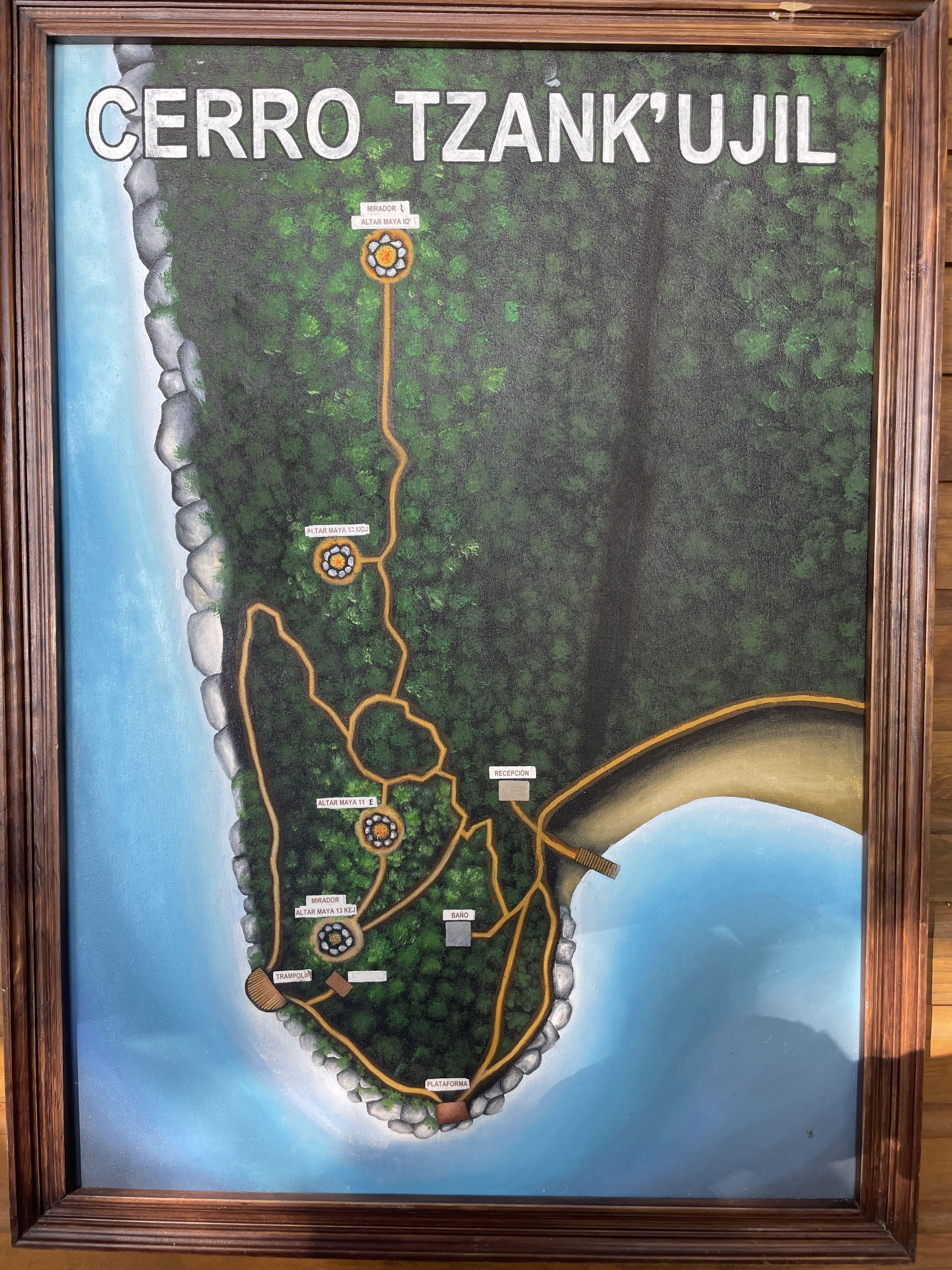
2. Cerro Tzankujil Nature Reserve in San Marcos La Laguna: This beautiful nature reserve includes information about Mayan history and several Mayan altars used in ceremonies.

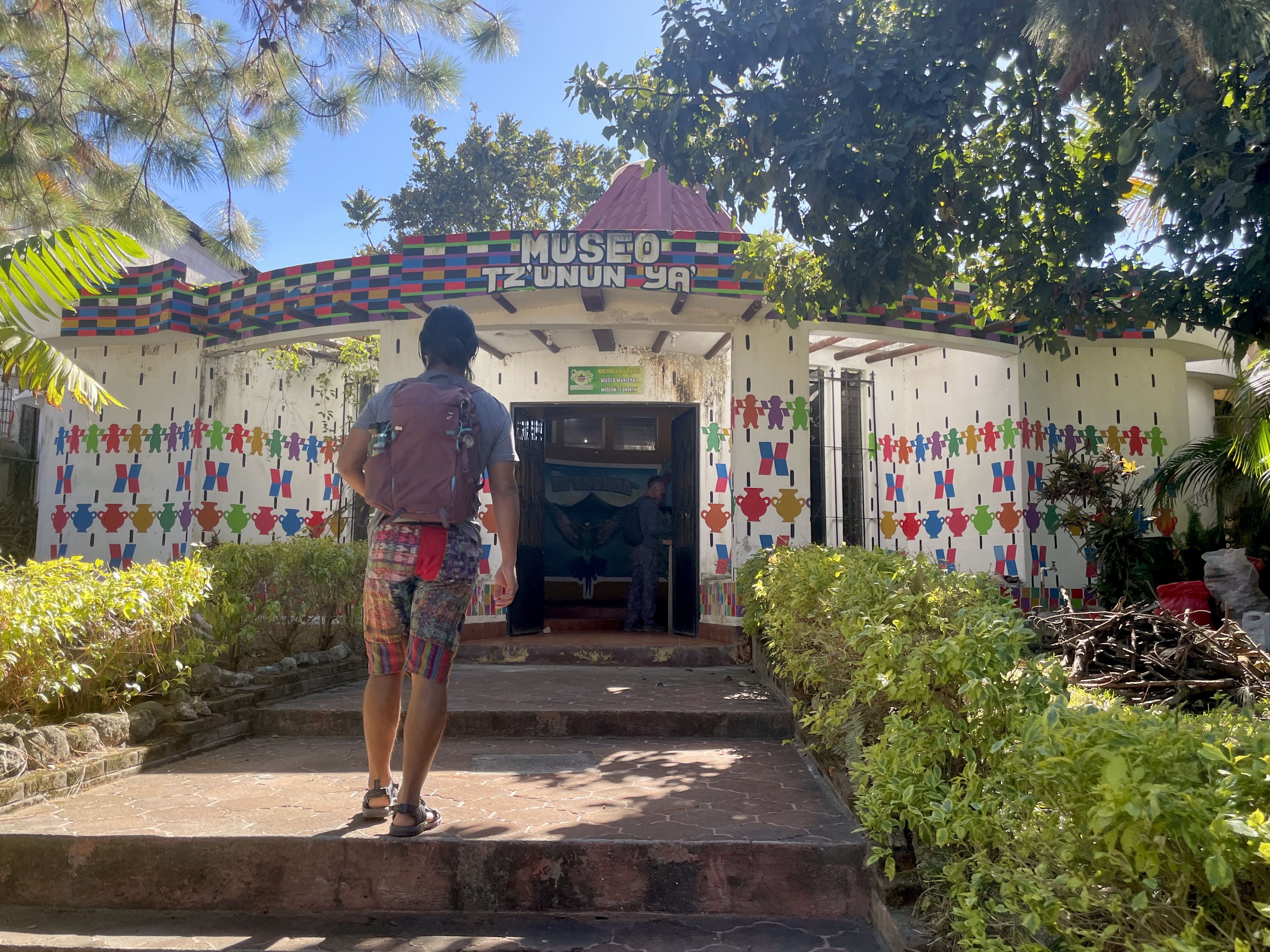
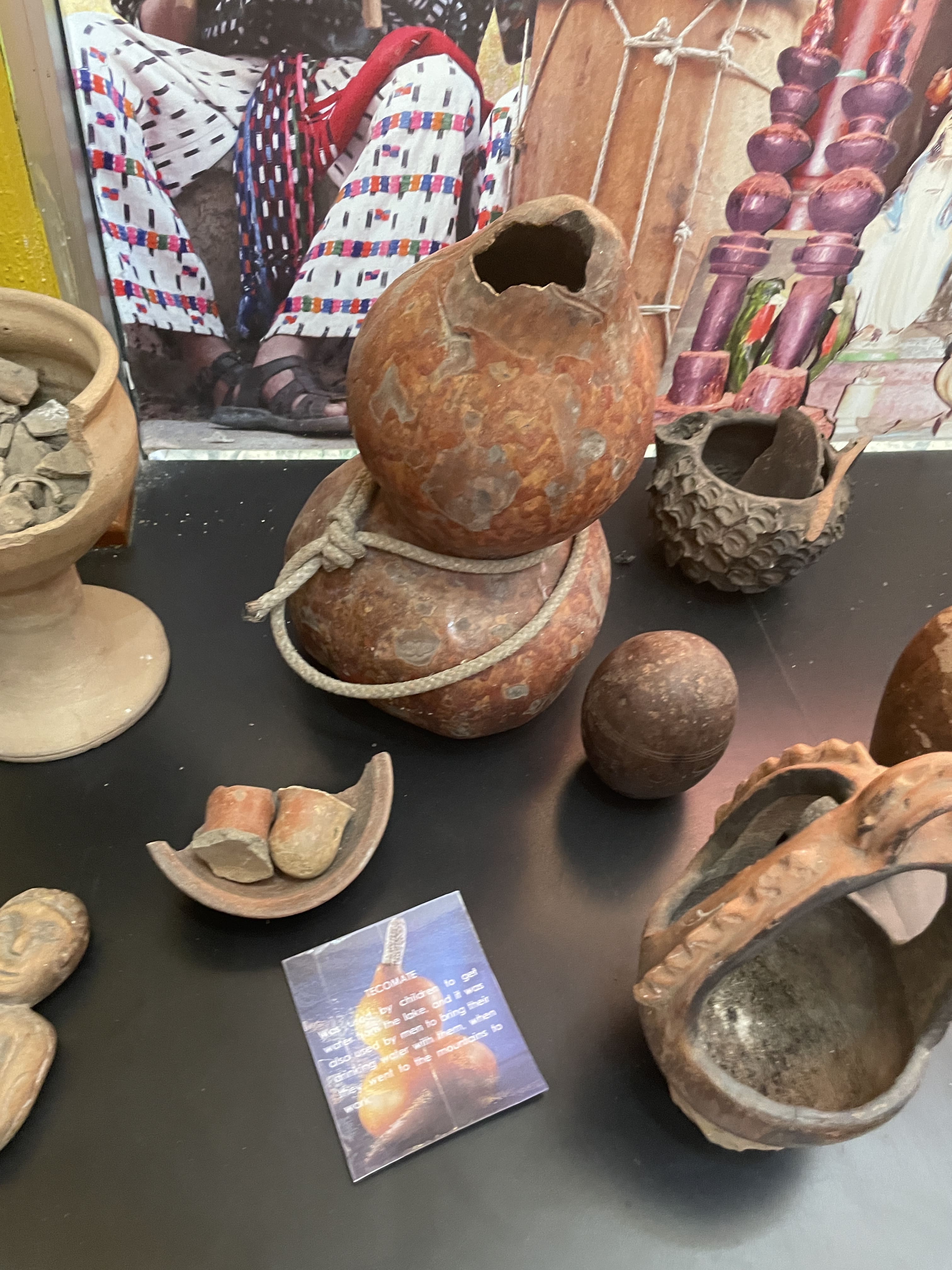
3. Museo Tzunun' Ya' in San Pedro La Laguna: This exceptional museum explains the geological history of Lake Atitlán and the history and culture of several Mayan communities around the lake. It is worth noting that the entrance fee for locals is only 5 Quetzals which is significantly less than the entrance fees of the first 2 institutions listed above.


Español:
El lago de Atitlán está ubicado en lo que hoy se llama el país de Guatemala. Las comunidades indígenas mayas del lago de Atitlán predominantementes, k´iche´e, kaqchikeles y los tz´utujil, constituyen la mayoría de la población del lago de Atitlán. Hay varias instituciones alrededor del lago de Atitlán, museos y reservas naturales, que muestran el patrimonio cultural (artefactos, historia, altares mayas, etc.) pero solicitan una tarifa de admisión para que la gente local ingrese. La población local del lago de Atitlán merece el libre acceso al patrimonio cultural y la naturaleza de sus propias comunidades.
Reconocemos el gran costo que se necesita para que estas instituciones funcionen. Agradecemos todo lo que hacen estas instituciones para preservar el patrimonio cultural y la naturaleza del pueblo maya. Queremos que la financiación de estas instituciones provenga de otras fuentes, no de la propia población local.
Lea las descripciones a continuación de 3 instituciones del lago Atitlán que aún cobran una tarifa a la población local para acceder a su propio patrimonio cultural y naturaleza.
Firme con su nombre para exigir que estas instituciones eliminen la tarifa de entrada para la población local.
1. Museo Lacustre de Atitlan Arqueología Maya Subacuática en la Posada Don Rodrigo en Panajachel: Este museo está ubicado dentro de un hotel y alberga artefactos del fondo del lago de Atitlán de una antigua ciudad maya sumergida, ahora conocida como Samabaj. El museo enseña la historia de Samabaj y exhibe artefactos mayas de la ciudad sumergida.
2. Reserva Natural Cerro Tzankujil en San Marcos La Laguna: Esta hermosa reserva natural incluye información sobre la historia maya y varios altares mayas utilizados en ceremonias.
3. Museo Tzunun' Ya' en San Pedro La Laguna: este museo excepcional explica la historia geológica del lago Atitlán, la historia y cultura de varias comunidades mayas alrededor del lago. Vale la pena señalar que la tarifa de entrada para los locales es de solo 5 quetzales, que es significativamente menor que las tarifas de entrada de las primeras 2 instituciones enumeradas anteriormente.

32
The Issue
Petición en español escrita debajo de petición en inglés. Gracias.
Lake Atitlán is located in what is today called the country of Guatemala. The indigenous Mayan communities of Lake Atitlán, predominantly the K´iche´e, the Kaqchikel, the Tz´utujil, make up the majority of Lake Atitlán's population. There are several institutions around Lake Atitlán, museums and nature reserves, that display cultural heritage (artifacts, history, Mayan altars, etc.) but require an admission fee for local people to enter. The local people of Lake Atitlán deserve free access to their own communities' cultural heritage and unceded nature.
Disclaimer: We recognize the great cost that is needed for these institutions to function. We appreciate all that these institutions do to preserve the cultural heritage and nature of the Mayan people. We want the funding of these institutions to come from other sources, not from the local people themselves.
Please read the descriptions below of 3 Lake Atitlán institutions that are still charging a fee for local people to access their own cultural heritage and nature.
Sign your name to demand that these institutions eliminate the entrance fee for local people.
1. Museo Lacustre de Atitlan Arqueología Maya Subacuática at the Posada Don Rodrigo in Panajachel: This museum is located inside a hotel and houses artifacts from the bottom of Lake Atitlán. An ancient Mayan city, now referred to as Samabaj, rests at the bottom of the lake. The museum teaches the history of Samabaj and displays Mayan artifacts of the submerged city.
2. Cerro Tzankujil Nature Reserve in San Marcos La Laguna: This beautiful nature reserve includes information about Mayan history and several Mayan altars used in ceremonies.
3. Museo Tzunun' Ya' in San Pedro La Laguna: This exceptional museum explains the geological history of Lake Atitlán and the history and culture of several Mayan communities around the lake. It is worth noting that the entrance fee for locals is only 5 Quetzals which is significantly less than the entrance fees of the first 2 institutions listed above.
Español:
El lago de Atitlán está ubicado en lo que hoy se llama el país de Guatemala. Las comunidades indígenas mayas del lago de Atitlán predominantementes, k´iche´e, kaqchikeles y los tz´utujil, constituyen la mayoría de la población del lago de Atitlán. Hay varias instituciones alrededor del lago de Atitlán, museos y reservas naturales, que muestran el patrimonio cultural (artefactos, historia, altares mayas, etc.) pero solicitan una tarifa de admisión para que la gente local ingrese. La población local del lago de Atitlán merece el libre acceso al patrimonio cultural y la naturaleza de sus propias comunidades.
Reconocemos el gran costo que se necesita para que estas instituciones funcionen. Agradecemos todo lo que hacen estas instituciones para preservar el patrimonio cultural y la naturaleza del pueblo maya. Queremos que la financiación de estas instituciones provenga de otras fuentes, no de la propia población local.
Lea las descripciones a continuación de 3 instituciones del lago Atitlán que aún cobran una tarifa a la población local para acceder a su propio patrimonio cultural y naturaleza.
Firme con su nombre para exigir que estas instituciones eliminen la tarifa de entrada para la población local.
1. Museo Lacustre de Atitlan Arqueología Maya Subacuática en la Posada Don Rodrigo en Panajachel: Este museo está ubicado dentro de un hotel y alberga artefactos del fondo del lago de Atitlán de una antigua ciudad maya sumergida, ahora conocida como Samabaj. El museo enseña la historia de Samabaj y exhibe artefactos mayas de la ciudad sumergida.
2. Reserva Natural Cerro Tzankujil en San Marcos La Laguna: Esta hermosa reserva natural incluye información sobre la historia maya y varios altares mayas utilizados en ceremonias.
3. Museo Tzunun' Ya' en San Pedro La Laguna: este museo excepcional explica la historia geológica del lago Atitlán, la historia y cultura de varias comunidades mayas alrededor del lago. Vale la pena señalar que la tarifa de entrada para los locales es de solo 5 quetzales, que es significativamente menor que las tarifas de entrada de las primeras 2 instituciones enumeradas anteriormente.
Petition Updates
Share this petition
Petition created on February 2, 2023