
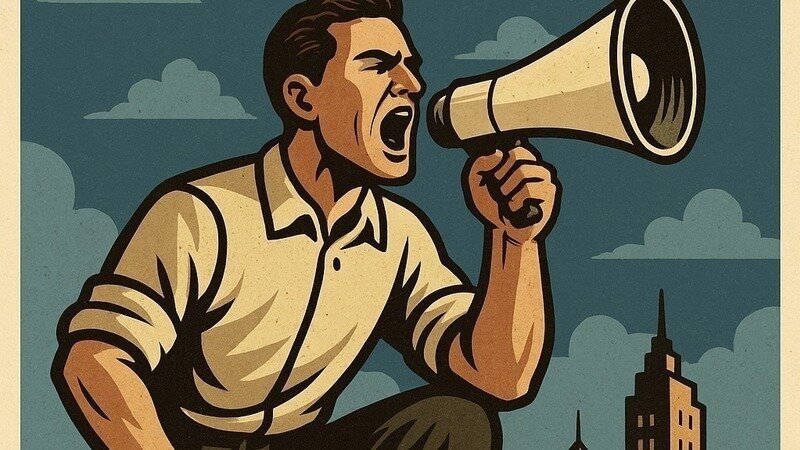
Here are some recommendations to promote knowledge of Grand Juries
🇨🇦 1. “Citizen Inquest Day” – Mock Grand Jury on Canadian Issues
Focus: Recreate a citizen-led grand jury hearing into a Canadian controversy (e.g., the Emergencies Act, SNC-Lavalin scandal, or Winnipeg lab document suppression).
Location: Community halls, universities, or public squares.
Features:
Volunteer jurors
Presenters acting as witnesses (real experts or activists)
Written “indictment” issued at the end
Goal: Demonstrate how a grand jury could investigate state misconduct independently of government control.
📚 2. “Justice by the People” Education Series
Format: Workshops and lectures focused on Canadian legal history.
Topics:
The grand jury system before it was quietly removed from Canadian law
Use of citizen petitions and common law rights
The Canadian Bill of Rights (1960) vs. Charter of Rights (1982)
Speaker Ideas: Retired judges, civil liberties lawyers, historians of 19th- and 20th-century Canadian law.
Bonus: Distribute pamphlets with sample language for requesting citizen inquiries or judicial reviews.
🧱 3. “Build the Grand Jury” Interactive Exhibit
Setup: Physical installation showing how a grand jury is formed and how it operates under natural law/common law.
Stations:
Role of jurors (education booth)
Timeline: Decline of grand juries in Canadian provinces
Petition writing table: Draft an actual petition for grand jury-style inquiries
Add-ons: Children’s corner with mock trials using Canadian symbols (e.g., the Crown, RCMP, etc.)
🔥 4. “Where Was the Jury?” Candlelight Vigil
Purpose: Honour victims of government overreach where public inquiries were denied or politicized.
Examples:
Freedom Convoy arrests and bank account freezes
Long-term care deaths under COVID mismanagement
Military vaccine mandate fallout
Visuals: Posters saying “We the Jury Were Not Asked,” “Let the People Decide.”
A powerful emotional event calling for the restoration of public oversight through grand jury-style systems.
5.
🎓 1. “You Be the Juror!” Mock Grand Jury
Age Group: 10+
Goal: Teach how a Grand Jury works through roleplay.
Activities:
Kids play the roles of jurors, a foreperson, witnesses, and a government official.
Present a fictional case (e.g., “Should the King’s guards be allowed to search backpacks without asking?”).
Kids vote on whether the case should go to trial.
📜 2. “Know Your Rights!” Discovery Station
Age Group: 8+
Goal: Teach the basic civil liberties (freedom of speech, privacy, due process, etc.).
Stations:
“Freedom of Speech Corner” – Create a protest sign.
“Privacy Puzzle” – Learn when and how authorities can search you.
“Liberty Timeline” – Match events in history with civil rights gained or lost.
🕵️ 3. Liberty Detectives: Investigating Justice
Age Group: 9–13
Goal: Explore how rights can be violated and how people can respond using the law.
Format:
Solve a mystery where someone’s rights were violated.
Clues and evidence are hidden in stations that represent legal tools like:
The Bill of Rights / Canadian Bill of Rights
The right to a jury
The right to be heard
⚖️ 4. Constitution Craft & Story Hour
Age Group: 6–10
Goal: Introduce the idea of rules, fairness, and justice.
Activities:
Read a short illustrated story about children creating their own “playground constitution.”
Then, create their own basic “constitution” for a group game.
Talk about what happens when someone breaks the rules and how to solve it fairly (jury-like decision-making).
🧠 5. Rights Memory & Matching Games
Age Group: 5–10
Goal: Help children recognize and remember key rights.
Activities:
Flashcards with situations (“A police officer wants to take your phone—can they?”)
Match with the correct right (“Right to privacy”)
Use pictures for younger children.
🎤 6. Kids' Rights Town Hall
Age Group: 10+
Goal: Empower kids to express opinions and learn civil dialogue.
Activities:
Each child presents a “right they think is most important.”
Group discusses: Should people be able to vote at 12? Should schools be allowed to read your texts?
Teach the concept of jury as a voice of the people.
🎨 7. “Guardians of Liberty” Art & Poster Lab
Age Group: 7–13
Goal: Use art to express why rights and Grand Juries matter.
Activities:
Create posters on themes like:
“What would life be like without our rights?”
“The People’s Power: The Grand Jury”
Display the artwork in a pop-up gallery for parents.
🌱 Bonus Tip:
To make it real and community-based:
Invite a real civil liberties lawyer or retired juror to speak.
Hand out simplified “mini Magna Carta” or “Canadian Bill of Rights” booklets.
Provide badges or certificates like “Junior Juror” or “Defender of Rights.”
🗂️ 6. Petition Drive + “Jury of Our Peers” Town Hall
Host: Local civic groups, independent candidates, or grassroots movements.
Activities:
People sign a petition demanding legislative recognition or reinstatement of grand jury powers in Canada. LINK: https://docs.google.com/document/d/1twK4ZvhlmA9EIZ3IUHZdisha0CQbewo0UlAaUJaVAfE/edit?usp=sharing
Hold a town hall to explain the constitutional case (use the Canadian Bill of Rights).
Let attendees speak as “citizen jurors” about what they would investigate.
🎨 7. Poster Contest: “Justice Belongs to the People”
Age Groups: Youth, adults, seniors
Prompt: Create artwork representing the idea of citizens holding the powerful to account through independent inquiry.
Winning Posters: Displayed in public libraries, cafes, or festivals with QR codes linking to a grand jury information site.
RELATED LINKS
Grand Jury Flyer: https://docs.google.com/document/d/1DakAJwSefgnZctlpDiR_7G-PEJN_fzB7/edit?usp=sharing&ouid=113254220216620910427&rtpof=true&sd=true
Short Grand Jury Petition that can be used in public events: https://docs.google.com/document/d/1twK4ZvhlmA9EIZ3IUHZdisha0CQbewo0UlAaUJaVAfE/edit?usp=sharing
History of Grand Juries in Canada: https://docs.google.com/document/d/15s8vFPVkFBP1TUMM7zZ55jPuslTRlL3Zk3ugzCJ76Wc/edit?usp=sharing