
From Okinawa: 命と尊厳が守られる社会を 〜 沖縄から世界へ For a Society Where Life and Dignity Are Respected
署名活動の主旨
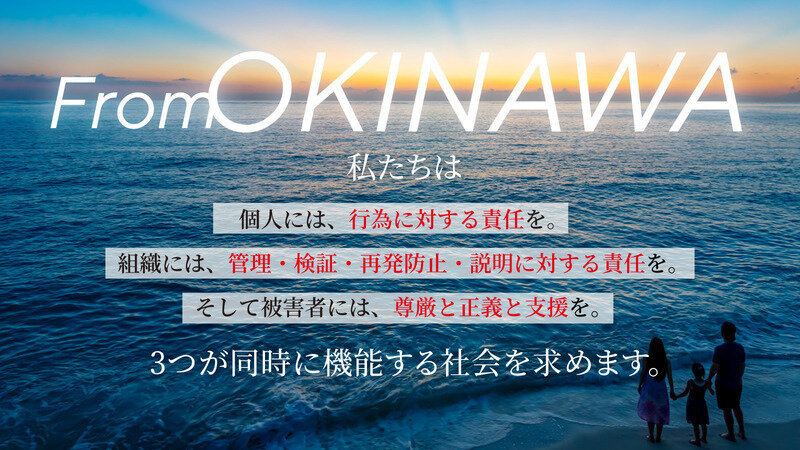
個人には、行為に対する責任を。組織には、管理・検証・再発防止・説明に対する責任を。
そして被害者には、尊厳と正義と支援を。
私たちが求めているのは、その三つが同時に機能する社会です。
沖縄で、また悲しい事件が起こりました。
2026年10月3日、沖縄県那覇市において、沖縄の女性が死亡する重大事件が発生し、翌4日、在沖米海兵隊員が強盗殺人容疑で逮捕されました。報道によれば、容疑者は普天間基地所属の米海兵隊員であり、現在、捜査が進められています。
(「那覇市のホテルに女性遺体 強盗殺人容疑で普天間基地の米海兵隊員を逮捕」CNN Japan、2026年10月4日)
まず、一人の尊い命が失われたことに、心から哀悼の意を表します。そして、ご家族や大切な方々の深い悲しみに、心を寄せます。私は、一人の人間として、女性として、そして娘を持つ母として、この出来事を単なる「また沖縄で起きた事件」で終わらせたくないと思いました。
だからこそ、同じ思いを持つ方々と連携し、未来の変革を願って、この署名運動を立ち上げます。
▶︎私たちが知りたいのは、「その後」です。
沖縄では長い年月にわたり、米軍関係者による性犯罪、殺人、強盗、重大な暴力事件などが社会問題となってきました。沖縄県の公式資料によると、1972年の日本復帰から2025年末までに、米軍人・軍属等のSOFA関係者による刑法犯の検挙は6,409件、そのうち殺人、強盗、強姦などを含む凶悪犯は600件とされています。
事件が起こるたびに、
「抗議しました」
「綱紀粛正を求めました」
「再発防止を申し入れました」
という言葉が繰り返されます。これらは必要な対応です。しかし、その「その後」について、私たちは十分に知ることができません。日本の裁判所で重大犯罪について有罪判決が確定した米軍人は、その後どうなったのでしょうか。
・軍を除隊されたのでしょうか。
・軍人としての地位や階級はどうなったのでしょうか。
・再入隊することはできるのでしょうか。
・重大犯罪で有罪となった後も、再び日本や沖縄、あるいは他国の米軍基地へ配置される可能性はあるのでしょうか。
・軍属であれば、雇用や再配置についてどのような措置が取られたのでしょうか。
そして、被害者や遺族は、ニュースが終わった後も十分な支援を受けているのでしょうか。
私たちが問題にしているのは、こうしたことが見えないことです。事件の発生だけでなく、その人が最終的にどのような責任を負ったのかまで確認できる仕組みを求めています。
▶︎沖縄には、この問題を語らなければならない歴史があります。
沖縄は1945年の沖縄戦で甚大な被害を受け、その後27年間、米国の施政下に置かれました。1972年に日本へ復帰しましたが、現在も、日本の国土面積の約0.6%にすぎない沖縄県に、在日米軍専用施設面積の約70.3%が集中しています。1995年には、12歳の少女が3人の米軍人によって拉致され、性的暴行を受ける事件が起こりました。
この事件を受け、日米両政府は刑事手続の運用を見直し、殺人や強姦などの重大事件について、日本側が起訴前の身柄引渡しを要請できる道が開かれました。(「刑事裁判手続に関する運用の改善」外務省ホームページ)
つまり、沖縄の声によって、制度は一度、実際に変わったのです。しかし、重大事件そのものがなくなったわけではありません。
だから今、私たちは次の制度改革を求めます。
▶︎これは「基地賛成か、反対か」だけの問題ではありません。
だからこそ訴えたいのです。安全保障のために基地が存在するのであれば、基地の隣で暮らす人々の命、身体、尊厳も徹底して守ってほしい。安全保障とは、国境や領土だけを守ることではないはずです。そこに暮らす人々が安心して生活できて初めて、本当の意味での安全につながるのではないでしょうか。私たちは、アメリカ軍を敵としたいのではありません。むしろ、「地域社会で良き隣人として貢献し続ける」というのであれば、その理念を徹底してほしいのです。
▶︎被害者を政治の中に置き去りにしないでください。
米軍関係者による犯罪が起きると、議論はしばしば「基地賛成」と「基地反対」という政治的対立に吸収されます。事件を問題にすれば、「反基地運動への政治利用ではないか」と言われる。安全保障の必要性を認めれば、「被害者を軽視している」と言われる。しかし、その間で、本来最も大切にされなければならない被害者が置き去りになってはいないでしょうか。
被害者の苦しみを、どちらかの政治的主張のために利用してはいけません。
必要なのは、正義、安全、尊厳、支援、そして同じ被害を生まない制度です。
また、性犯罪の被害者は女性や女児だけではありません。男性や男児を含め、性別や属性にかかわらず、誰もが被害者になる可能性があります。さらに、問題は性犯罪だけではありません。
殺人、強盗、重大な傷害など、生命と身体を脅かす重大犯罪すべてに関わる問題です。だからこそ、これは女性だけの問題ではありません。すべての人に関わる基本的人権の問題です。
【要望:私たちが求めること】
1. 重大犯罪で有罪判決が確定した米軍人・軍属等について、最終的な軍籍上・雇用上の処分を日本側へ正式に通知する制度を設けること
被害者のプライバシーと関係法令を守りながら、除隊・身分上の処分等の結果について透明性を確保してください。
2. 再入隊、再雇用、在日米軍への再配置について、明確で透明な基準を設けること
殺人、強盗、強姦などの重大犯罪について有罪となった者が、その後どのように扱われるのかを明確にしてください。
3. 重大犯罪について、事件発生から最終結果まで追跡できる統計を公表すること
捜査、送致、起訴・不起訴、裁判、刑罰、そして可能な範囲で軍・雇用組織内部の最終処分まで確認できる制度を求めます。
4. 被害者と遺族への長期的な支援を確保すること
心理的支援、法的支援、補償・賠償への支援などを、裁判が終わった後も継続してください。
5. 沖縄の地域社会を、対話と制度設計の当事者として参加させること
被害者支援者、女性、子どもの権利に関わる人々、人権団体、地域住民、軍人・軍人家族など、多様な立場の人々が地域の安全について話し合える仕組みをつくってください。
有罪が確定していない人には、推定無罪と適正手続が保障されなければなりません。同時に、重大犯罪について有罪が確定した場合には、その人物が最終的にどのような責任を負ったのかを、社会が適切な範囲で確認できる透明性が必要だと考えます。
▶︎沖縄は、基地と戦争だけの島ではありません
世界の皆さまに知っていただきたいことがあります。沖縄は、美しい海とサンゴ礁、亜熱帯の森に恵まれ、世界的にも貴重な生物多様性を持つ島々です。沖縄本島北部や西表島を含む地域は、その固有で豊かな生物多様性の価値によって、世界自然遺産にも登録されています。(「奄美大島、徳之島、沖縄島北部及び西表島」2021年世界遺産登録)
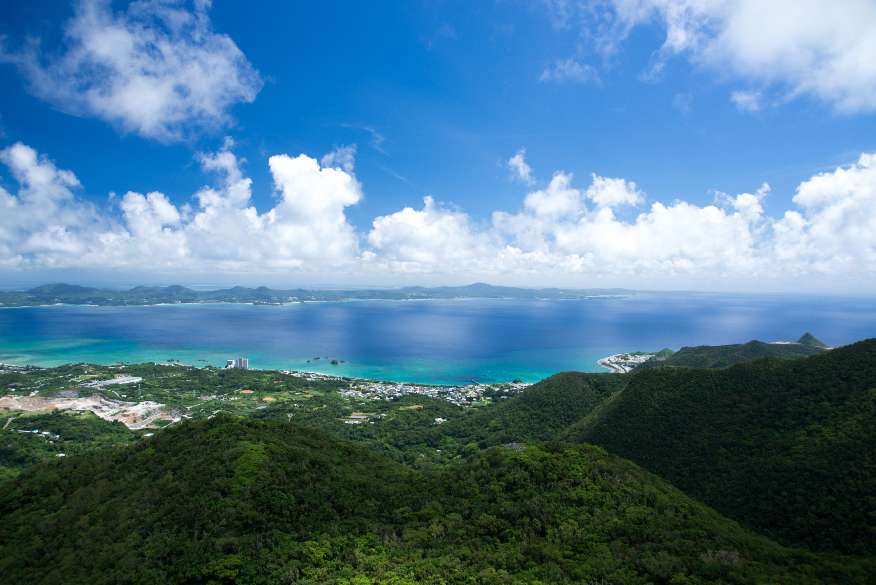
沖縄は、長寿の文化でも知られ、音楽を愛し、人を迎え入れ、さまざまな文化を混ぜ合わせながら独自の文化を育ててきた、チャンプルーの島でもあります。私たちは、沖縄を「悲しい事件が起こる島」として世界に知ってもらいたいのではありません。愛と平和、自然との共生、人と人との共生を世界へ届けられる島でありたい。
だからこそ、沖縄から変革を始めたいのです。
▶︎世界の皆さまへ
私たちは、この署名を沖縄だけの運動にしたいのではありません。
人権を守る人々。
女性のエンパワーメントに取り組む人々。
子どもの安全を願う人々。
犯罪被害者を支援する人々。
自然や生物多様性を守る人々。
平和を願う人々。
軍人、退役軍人、その家族。
そして、異なる国籍、文化、性別、思想を持つ人々が、互いを尊重しながら生活する未来を願うすべての人々。
私たちは、皆さんとつながりたいと思っています。私たちが望んでいるのは、分断ではありません。
▶︎個人の犯罪で終わらせず、組織としての責任を。
私たちは、米軍人の一部が起こした犯罪を理由に、すべての米軍人を犯罪者として扱うことを求めているのではありません。しかし同時に、重大な事件を「一人の個人が起こしたこと」として処理し、組織の責任をそこで終わらせることにも疑問を持っています。軍は、個人の集合体であると同時に、隊員を採用し、教育し、規律を定め、指揮・監督し、配置を決定する組織です。
だからこそ、所属する隊員が重大犯罪を起こしたときには、刑事責任は当然その本人が負うとしても、組織には、なぜ事件を防げなかったのかを検証し、再発防止策を講じ、その後どのような処分や制度改善を行ったのかを社会に説明する責任があると考えます。これは「連帯責任」や「集団的な処罰」を求めるものではありません。私たちが求めているのは、組織としての説明責任と制度的責任です。
・重大犯罪について有罪が確定した場合、その人物が軍籍上どのような処分を受けたのか。
・除隊となったのか。
・再入隊は可能なのか。
・再び日本や沖縄、あるいは他国の基地に配置される可能性はあるのか。
そして、その事件を受けて軍組織がどのような再発防止策を実施したのか。
こうした情報が、被害者のプライバシーや適正な法的制約を守りながら、地域社会に対して適切に開示される仕組みが必要です。私たちは、情報開示が善意や個別判断に左右されるのではなく、重大犯罪について一定の情報開示を制度として義務づける仕組みを求めます。
そのために必要であれば、日本政府と米国政府には、国内法、軍内部規則、日米間の協定や運用を含め、必要な法整備・制度改正を進めてほしいと考えています。これは、米軍だけを批判するための要求ではありません。大きな権限と公共的な役割を持つ組織ほど、その構成員による重大な違法行為が起きたときには、高い透明性と説明責任が求められるべきだという、普遍的な原則です。
個人には、行為に対する責任を。組織には、管理・検証・再発防止・説明に対する責任を。
そして被害者には、尊厳と正義と支援を。
私たちが求めているのは、その三つが同時に機能する社会です。
それが、私たちの願いです。
「事件が起こるたびに抗議する社会」から、「事件の最後まで責任を可視化できる社会」へ。
「再発防止を約束する社会」から、「再発防止が本当に機能しているか検証できる社会」へ。
被害者がどこの国の人であっても、正義の重さが変わってはなりません。
Equal accountability regardless of the nationality of the victim.
防ぐことのできる暴力によって、もう次の世代が同じ涙を流さなくてよいように。
命と尊厳が守られる社会を。沖縄から世界へ。どうか、私たちと共に声を上げてください。
-------------------------------------------
発起人:伊江玲美
任意団体連合:未来共生おきなわ
Okinawa Future Coexistence Initiative
-------------------------------------------
(今回の事件に関する報道)
NHK 報道 https://news.web.nhk/newsweb/na/nd-20261005de54384
NPR report https://www.npr.org/2026/10/04/nx-s1-5990790/us-marine-arrested-for-alleged-murder-woman-on-okinawa
※本署名は、現在進行中の捜査・裁判について、司法判断を先取りするものではありません。※本署名は、特定の国籍・民族・個人への差別や憎悪を目的とするものではありません。
※本署名は、沖縄に暮らす人々の生命、安全、人権、尊厳を守るため、制度的な透明性と説明責任を求めるものです。
【 English】
For a Society Where Life and Dignity Are Respected
From Okinawa to the World
Equal accountability, regardless of nationality or uniform.
Okinawa is grieving again.
On October 3, 2026, a woman from Okinawa died in a serious incident in Naha City. The following day, a U.S. Marine stationed in Okinawa was arrested on suspicion of robbery and murder. According to media reports, the suspect is assigned to Marine Corps Air Station Futenma, and the investigation remains ongoing.
First and above all else, we mourn the loss of a precious human life. Our deepest thoughts are with her family, her loved ones, and everyone whose life has been changed by her death.
As a human being, as a woman, and as a mother raising a daughter, I do not want this to become simply “another tragedy in Okinawa”—something we grieve today and forget tomorrow.
That is why, together with others who share this hope for change, I am launching this petition.
Our question is simple: What happens afterward?
For decades, Okinawa has faced serious crimes involving U.S. military-affiliated personnel, including sexual violence, murder, robbery, and serious assault.
According to official Okinawa Prefecture statistics, from Okinawa’s reversion to Japan in 1972 through the end of 2025, 6,409 Penal Code offenses involving U.S. military personnel, civilian employees, and others covered by the Status of Forces Agreement were recorded by police. Of these, 600 were categorized as serious offenses, including murder, robbery, and rape.
Whenever a serious incident occurs, we repeatedly hear familiar words:
“Protests have been lodged.”
“Stricter discipline has been demanded.”
“Measures to prevent recurrence have been requested.”
These responses matter.
But then the headlines disappear.
And the public is often left without answers.
When a U.S. service member is finally convicted by a Japanese court of a serious crime, what happens next?
Was that person discharged from the military?
What happened to their military status or rank?
Are they eligible to reenlist?
Could someone convicted of a serious crime later be assigned again to Okinawa, elsewhere in Japan, or to another U.S. installation overseas?
If the person was a civilian employee, what happened to their employment or eligibility for reassignment?
And most importantly:
After the cameras leave and the court proceedings end, are victims and bereaved families still being supported?
Our concern is not simply what happens when a crime is reported.
Our concern is that what happens afterward is often invisible.
We are asking for a system in which serious cases can be followed to their conclusion, so that the public can understand—within appropriate legal and privacy limits—whether meaningful accountability actually followed.
Okinawa Has a History the World Should Understand
Okinawa endured devastating ground combat during the Battle of Okinawa in 1945 and remained under U.S. administration for 27 years afterward.
Okinawa reverted to Japan in 1972. Yet even today, although Okinawa accounts for only about 0.6% of Japan’s total land area, approximately 70.3% of the land exclusively used by U.S. Forces Japan is concentrated here.
In 1995, three U.S. servicemen abducted and sexually assaulted a 12-year-old Okinawan girl.
The outrage that followed led the governments of Japan and the United States to change criminal-procedure practices, allowing Japan to request the pre-indictment transfer of custody in certain serious cases, including murder and rape.
That history teaches us something important:
Okinawan voices have changed systems before.
But serious incidents did not disappear.
So today, we are asking for the next step.
This Is Bigger Than “Pro-Base” or “Anti-Base”
People hold different views about military bases, national security, and defense.
They are entitled to those views.
This petition does not ask people to abandon them.
What we ask is that we begin with something more fundamental:
A human life has the same value regardless of politics.
If military forces are present in the name of security, then security must also include the lives, bodies, and dignity of the people who live beside those bases.
Security cannot mean protecting borders and territory while overlooking the people who live there.
A society is not truly secure unless its people can live safely.
We are not seeking to make the U.S. military an enemy.
Nor are we asking anyone to view all U.S. service members as criminals.
On the contrary, if the military seeks to “continue contributing as a good neighbor in the local community,” then we ask that this principle be reflected consistently in discipline, transparency, accountability, and care for the surrounding community.
Do Not Let Victims Disappear Inside Politics
When crimes involving U.S. military-affiliated personnel occur in Okinawa, the discussion can quickly become trapped between two political camps:
“pro-base” and “anti-base.”
If someone raises the issue, they may be accused of using a victim for an anti-base agenda.
If someone recognizes the importance of national security, they may be accused of minimizing the victim’s suffering.
But while those arguments continue, the person who should matter most can disappear from the conversation:
the victim.
A victim’s suffering must never become a tool for someone else’s political position.
What victims need is not ideology.
They need:
justice, safety, dignity, support, and systems capable of preventing the same harm from happening again.
And this is not only about women.
Women and girls have repeatedly suffered sexual violence, and that history must never be erased. But men, boys, and people of every background can also become victims of serious crime.
Nor is this only about sexual violence.
It concerns murder, robbery, serious assault, and other crimes that threaten human life and bodily integrity.
Ultimately, this is not only a women’s issue.
It is a fundamental human-rights issue that concerns all of us.
【What We Are Asking of the Governments of Japan and the United States, and the U.S. Military】
1.Establish a formal mechanism for notifying the Japanese side of the final military or employment disposition of U.S. military personnel and affiliated employees who are finally convicted in Japan of serious crimes.
While respecting victims’ privacy and applicable law, provide appropriate transparency regarding discharge, separation, employment consequences, and other final status decisions.
2. Establish clear and transparent standards governing reenlistment, reemployment, and future assignment to U.S. Forces Japan following serious criminal convictions.
The public should be able to understand, within lawful limits, what happens when someone is finally convicted of crimes such as murder, robbery, rape, or other serious offenses.
3. Publish case-tracking statistics that follow serious cases from the initial incident through their final outcome.
Where legally possible, reporting should cover investigation, referral, prosecution or non-prosecution, judgment, sentence, and the final military or employment disposition.
4. Guarantee long-term support for victims and bereaved families.
Psychological care, legal support, and assistance with compensation and damages should not end simply because criminal proceedings have concluded.
5. Give Okinawan communities a meaningful role in safety dialogue and institutional reform.
Survivor advocates, women, children’s-rights advocates, human-rights organizations, local residents, service members, military families, and other affected communities should have meaningful opportunities to participate in discussions about community safety.
Anyone who has not been convicted must be afforded the presumption of innocence and due process.
That principle matters.
At the same time, once a person has been finally convicted of a serious crime, society should be able—within reasonable legal and privacy limits—to understand what accountability followed.
Equal justice requires both due process for the accused and dignity for the victim.
Individual Responsibility Must Be Matched by Institutional Accountability
We do not believe that crimes committed by individual service members justify treating every member of the U.S. military as a criminal.
But neither should a serious crime simply be treated as “the action of one individual” and end there.
A military is not merely a collection of individuals.
It is an institution that recruits people, trains them, establishes rules and discipline, exercises command and supervision, and determines where personnel are assigned.
Therefore, when a member of that institution commits a serious crime, the individual must bear responsibility for their own conduct.
But the institution must also ask:
Could this have been prevented?
Were warning signs missed?
Was supervision adequate?
What changed afterward?
What disciplinary, administrative, training, or preventive measures were taken?
That is not collective punishment.
It is institutional accountability.
When someone is finally convicted of a serious crime, communities should be able to understand, within lawful limits:
Was that person discharged?
Can they reenlist?
Could they be stationed again in Okinawa, elsewhere in Japan, or at another overseas installation?
What measures did the institution take to prevent another case?
We believe this information should not depend solely on goodwill or case-by-case discretion.
For serious crimes, appropriate transparency should be built into the system.
Where necessary, we ask the governments of Japan and the United States to consider changes to domestic law, military regulations, bilateral arrangements, and operating procedures so that meaningful accountability does not disappear after a conviction.
This principle should not apply only to the U.S. military.
Any institution entrusted with significant authority and public responsibility should be expected to demonstrate high standards of transparency and accountability when serious wrongdoing occurs within its ranks.
- Individuals must answer for their actions.
- Institutions must answer for supervision, prevention, reform, and transparency.
- Victims must receive dignity, justice, and support.
We need all three.
Okinawa Is More Than War and Military Bases
There is another Okinawa we want the world to know.
Okinawa is a chain of islands surrounded by beautiful seas and coral reefs, with subtropical forests and extraordinary biodiversity.
Northern Okinawa Island and Iriomote Island form part of a UNESCO World Natural Heritage property recognized for its globally significant biodiversity.
Okinawa is also known for traditions associated with longevity, for its music, hospitality, and its champuru culture—a culture that has long blended different peoples and influences into something uniquely Okinawan.
We do not want Okinawa to be known to the world only through war, military bases, and tragedy.
We want Okinawa to be a place that sends another message to the world:
love and peace, coexistence with nature, and coexistence among people.
That is why we want change to begin here.
To People Around the World
We do not want this to remain an Okinawa-only movement.
We want to connect with:
human-rights advocates,
people advancing women’s empowerment,
those working to protect children,
survivor-support organizations,
people protecting nature and biodiversity,
peacebuilders,
service members and veterans,
military families,
and people of every nationality, culture, gender, and political belief who believe that human beings can live together with dignity and mutual respect.
You do not have to agree on every question of politics or national security to stand with us.
You only need to believe that:
Every human life has value.
Victims should never be forgotten after the headlines disappear.
When a person is finally convicted of a serious crime, accountability should follow regardless of nationality, uniform, or institutional affiliation.
And institutions entrusted with power must also be transparent about how they respond.
We are not asking for division.
We are asking for responsible coexistence.
From a society that protests after every tragedy,
to a society that can follow accountability to its conclusion.
From a society that promises prevention,
to a society that can measure whether prevention is actually working.
The nationality of a victim must never determine the value of justice.
Equal accountability, regardless of the nationality of the victim.
And equally:
Accountability regardless of nationality or uniform.
We cannot change what has already happened.
But we can change what happens next.
We hope that one day our children will be able to say:
“This used to happen in Okinawa.”
Not because we chose hatred.
Not because we chose division.
But because people across borders chose human dignity, transparency, accountability, and responsible coexistence.
So that another generation does not have to shed the same tears for violence that could have been prevented.
For a society where life and dignity are protected.
From Okinawa to the world.
Please stand with us.
---------------------------------
Petition Organizer: Remi Ie
Coalition: 未来共生おきなわ
Okinawa Future Coexistence Initiative
---------------------------------
(Reporting on the current case:)
NHK report https://news.web.nhk/newsweb/na/nd-20261005de54384
NPRreport https://www.npr.org/2026/10/04/nx-s1-5990790/us-marine-arrested-for-alleged-murder-woman-on-okinawa
*This petition does not seek to prejudge any ongoing investigation or judicial proceeding.
*This petition does not promote hatred or discrimination against any nationality, ethnicity, institution, or individual.
*Its purpose is to protect life, safety, human rights, and dignity in Okinawa by calling for greater institutional transparency and accountability

600
署名活動の主旨
個人には、行為に対する責任を。組織には、管理・検証・再発防止・説明に対する責任を。
そして被害者には、尊厳と正義と支援を。
私たちが求めているのは、その三つが同時に機能する社会です。
沖縄で、また悲しい事件が起こりました。
2026年10月3日、沖縄県那覇市において、沖縄の女性が死亡する重大事件が発生し、翌4日、在沖米海兵隊員が強盗殺人容疑で逮捕されました。報道によれば、容疑者は普天間基地所属の米海兵隊員であり、現在、捜査が進められています。
(「那覇市のホテルに女性遺体 強盗殺人容疑で普天間基地の米海兵隊員を逮捕」CNN Japan、2026年10月4日)
まず、一人の尊い命が失われたことに、心から哀悼の意を表します。そして、ご家族や大切な方々の深い悲しみに、心を寄せます。私は、一人の人間として、女性として、そして娘を持つ母として、この出来事を単なる「また沖縄で起きた事件」で終わらせたくないと思いました。
だからこそ、同じ思いを持つ方々と連携し、未来の変革を願って、この署名運動を立ち上げます。
▶︎私たちが知りたいのは、「その後」です。
沖縄では長い年月にわたり、米軍関係者による性犯罪、殺人、強盗、重大な暴力事件などが社会問題となってきました。沖縄県の公式資料によると、1972年の日本復帰から2025年末までに、米軍人・軍属等のSOFA関係者による刑法犯の検挙は6,409件、そのうち殺人、強盗、強姦などを含む凶悪犯は600件とされています。
事件が起こるたびに、
「抗議しました」
「綱紀粛正を求めました」
「再発防止を申し入れました」
という言葉が繰り返されます。これらは必要な対応です。しかし、その「その後」について、私たちは十分に知ることができません。日本の裁判所で重大犯罪について有罪判決が確定した米軍人は、その後どうなったのでしょうか。
・軍を除隊されたのでしょうか。
・軍人としての地位や階級はどうなったのでしょうか。
・再入隊することはできるのでしょうか。
・重大犯罪で有罪となった後も、再び日本や沖縄、あるいは他国の米軍基地へ配置される可能性はあるのでしょうか。
・軍属であれば、雇用や再配置についてどのような措置が取られたのでしょうか。
そして、被害者や遺族は、ニュースが終わった後も十分な支援を受けているのでしょうか。
私たちが問題にしているのは、こうしたことが見えないことです。事件の発生だけでなく、その人が最終的にどのような責任を負ったのかまで確認できる仕組みを求めています。
▶︎沖縄には、この問題を語らなければならない歴史があります。
沖縄は1945年の沖縄戦で甚大な被害を受け、その後27年間、米国の施政下に置かれました。1972年に日本へ復帰しましたが、現在も、日本の国土面積の約0.6%にすぎない沖縄県に、在日米軍専用施設面積の約70.3%が集中しています。1995年には、12歳の少女が3人の米軍人によって拉致され、性的暴行を受ける事件が起こりました。
この事件を受け、日米両政府は刑事手続の運用を見直し、殺人や強姦などの重大事件について、日本側が起訴前の身柄引渡しを要請できる道が開かれました。(「刑事裁判手続に関する運用の改善」外務省ホームページ)
つまり、沖縄の声によって、制度は一度、実際に変わったのです。しかし、重大事件そのものがなくなったわけではありません。
だから今、私たちは次の制度改革を求めます。
▶︎これは「基地賛成か、反対か」だけの問題ではありません。
だからこそ訴えたいのです。安全保障のために基地が存在するのであれば、基地の隣で暮らす人々の命、身体、尊厳も徹底して守ってほしい。安全保障とは、国境や領土だけを守ることではないはずです。そこに暮らす人々が安心して生活できて初めて、本当の意味での安全につながるのではないでしょうか。私たちは、アメリカ軍を敵としたいのではありません。むしろ、「地域社会で良き隣人として貢献し続ける」というのであれば、その理念を徹底してほしいのです。
▶︎被害者を政治の中に置き去りにしないでください。
米軍関係者による犯罪が起きると、議論はしばしば「基地賛成」と「基地反対」という政治的対立に吸収されます。事件を問題にすれば、「反基地運動への政治利用ではないか」と言われる。安全保障の必要性を認めれば、「被害者を軽視している」と言われる。しかし、その間で、本来最も大切にされなければならない被害者が置き去りになってはいないでしょうか。
被害者の苦しみを、どちらかの政治的主張のために利用してはいけません。
必要なのは、正義、安全、尊厳、支援、そして同じ被害を生まない制度です。
また、性犯罪の被害者は女性や女児だけではありません。男性や男児を含め、性別や属性にかかわらず、誰もが被害者になる可能性があります。さらに、問題は性犯罪だけではありません。
殺人、強盗、重大な傷害など、生命と身体を脅かす重大犯罪すべてに関わる問題です。だからこそ、これは女性だけの問題ではありません。すべての人に関わる基本的人権の問題です。
【要望:私たちが求めること】
1. 重大犯罪で有罪判決が確定した米軍人・軍属等について、最終的な軍籍上・雇用上の処分を日本側へ正式に通知する制度を設けること
被害者のプライバシーと関係法令を守りながら、除隊・身分上の処分等の結果について透明性を確保してください。
2. 再入隊、再雇用、在日米軍への再配置について、明確で透明な基準を設けること
殺人、強盗、強姦などの重大犯罪について有罪となった者が、その後どのように扱われるのかを明確にしてください。
3. 重大犯罪について、事件発生から最終結果まで追跡できる統計を公表すること
捜査、送致、起訴・不起訴、裁判、刑罰、そして可能な範囲で軍・雇用組織内部の最終処分まで確認できる制度を求めます。
4. 被害者と遺族への長期的な支援を確保すること
心理的支援、法的支援、補償・賠償への支援などを、裁判が終わった後も継続してください。
5. 沖縄の地域社会を、対話と制度設計の当事者として参加させること
被害者支援者、女性、子どもの権利に関わる人々、人権団体、地域住民、軍人・軍人家族など、多様な立場の人々が地域の安全について話し合える仕組みをつくってください。
有罪が確定していない人には、推定無罪と適正手続が保障されなければなりません。同時に、重大犯罪について有罪が確定した場合には、その人物が最終的にどのような責任を負ったのかを、社会が適切な範囲で確認できる透明性が必要だと考えます。
▶︎沖縄は、基地と戦争だけの島ではありません
世界の皆さまに知っていただきたいことがあります。沖縄は、美しい海とサンゴ礁、亜熱帯の森に恵まれ、世界的にも貴重な生物多様性を持つ島々です。沖縄本島北部や西表島を含む地域は、その固有で豊かな生物多様性の価値によって、世界自然遺産にも登録されています。(「奄美大島、徳之島、沖縄島北部及び西表島」2021年世界遺産登録)
沖縄は、長寿の文化でも知られ、音楽を愛し、人を迎え入れ、さまざまな文化を混ぜ合わせながら独自の文化を育ててきた、チャンプルーの島でもあります。私たちは、沖縄を「悲しい事件が起こる島」として世界に知ってもらいたいのではありません。愛と平和、自然との共生、人と人との共生を世界へ届けられる島でありたい。
だからこそ、沖縄から変革を始めたいのです。
▶︎世界の皆さまへ
私たちは、この署名を沖縄だけの運動にしたいのではありません。
人権を守る人々。
女性のエンパワーメントに取り組む人々。
子どもの安全を願う人々。
犯罪被害者を支援する人々。
自然や生物多様性を守る人々。
平和を願う人々。
軍人、退役軍人、その家族。
そして、異なる国籍、文化、性別、思想を持つ人々が、互いを尊重しながら生活する未来を願うすべての人々。
私たちは、皆さんとつながりたいと思っています。私たちが望んでいるのは、分断ではありません。
▶︎個人の犯罪で終わらせず、組織としての責任を。
私たちは、米軍人の一部が起こした犯罪を理由に、すべての米軍人を犯罪者として扱うことを求めているのではありません。しかし同時に、重大な事件を「一人の個人が起こしたこと」として処理し、組織の責任をそこで終わらせることにも疑問を持っています。軍は、個人の集合体であると同時に、隊員を採用し、教育し、規律を定め、指揮・監督し、配置を決定する組織です。
だからこそ、所属する隊員が重大犯罪を起こしたときには、刑事責任は当然その本人が負うとしても、組織には、なぜ事件を防げなかったのかを検証し、再発防止策を講じ、その後どのような処分や制度改善を行ったのかを社会に説明する責任があると考えます。これは「連帯責任」や「集団的な処罰」を求めるものではありません。私たちが求めているのは、組織としての説明責任と制度的責任です。
・重大犯罪について有罪が確定した場合、その人物が軍籍上どのような処分を受けたのか。
・除隊となったのか。
・再入隊は可能なのか。
・再び日本や沖縄、あるいは他国の基地に配置される可能性はあるのか。
そして、その事件を受けて軍組織がどのような再発防止策を実施したのか。
こうした情報が、被害者のプライバシーや適正な法的制約を守りながら、地域社会に対して適切に開示される仕組みが必要です。私たちは、情報開示が善意や個別判断に左右されるのではなく、重大犯罪について一定の情報開示を制度として義務づける仕組みを求めます。
そのために必要であれば、日本政府と米国政府には、国内法、軍内部規則、日米間の協定や運用を含め、必要な法整備・制度改正を進めてほしいと考えています。これは、米軍だけを批判するための要求ではありません。大きな権限と公共的な役割を持つ組織ほど、その構成員による重大な違法行為が起きたときには、高い透明性と説明責任が求められるべきだという、普遍的な原則です。
個人には、行為に対する責任を。組織には、管理・検証・再発防止・説明に対する責任を。
そして被害者には、尊厳と正義と支援を。
私たちが求めているのは、その三つが同時に機能する社会です。
それが、私たちの願いです。
「事件が起こるたびに抗議する社会」から、「事件の最後まで責任を可視化できる社会」へ。
「再発防止を約束する社会」から、「再発防止が本当に機能しているか検証できる社会」へ。
被害者がどこの国の人であっても、正義の重さが変わってはなりません。
Equal accountability regardless of the nationality of the victim.
防ぐことのできる暴力によって、もう次の世代が同じ涙を流さなくてよいように。
命と尊厳が守られる社会を。沖縄から世界へ。どうか、私たちと共に声を上げてください。
-------------------------------------------
発起人:伊江玲美
任意団体連合:未来共生おきなわ
Okinawa Future Coexistence Initiative
-------------------------------------------
(今回の事件に関する報道)
NHK 報道 https://news.web.nhk/newsweb/na/nd-20261005de54384
NPR report https://www.npr.org/2026/10/04/nx-s1-5990790/us-marine-arrested-for-alleged-murder-woman-on-okinawa
※本署名は、現在進行中の捜査・裁判について、司法判断を先取りするものではありません。※本署名は、特定の国籍・民族・個人への差別や憎悪を目的とするものではありません。
※本署名は、沖縄に暮らす人々の生命、安全、人権、尊厳を守るため、制度的な透明性と説明責任を求めるものです。
【 English】
For a Society Where Life and Dignity Are Respected
From Okinawa to the World
Equal accountability, regardless of nationality or uniform.
Okinawa is grieving again.
On October 3, 2026, a woman from Okinawa died in a serious incident in Naha City. The following day, a U.S. Marine stationed in Okinawa was arrested on suspicion of robbery and murder. According to media reports, the suspect is assigned to Marine Corps Air Station Futenma, and the investigation remains ongoing.
First and above all else, we mourn the loss of a precious human life. Our deepest thoughts are with her family, her loved ones, and everyone whose life has been changed by her death.
As a human being, as a woman, and as a mother raising a daughter, I do not want this to become simply “another tragedy in Okinawa”—something we grieve today and forget tomorrow.
That is why, together with others who share this hope for change, I am launching this petition.
Our question is simple: What happens afterward?
For decades, Okinawa has faced serious crimes involving U.S. military-affiliated personnel, including sexual violence, murder, robbery, and serious assault.
According to official Okinawa Prefecture statistics, from Okinawa’s reversion to Japan in 1972 through the end of 2025, 6,409 Penal Code offenses involving U.S. military personnel, civilian employees, and others covered by the Status of Forces Agreement were recorded by police. Of these, 600 were categorized as serious offenses, including murder, robbery, and rape.
Whenever a serious incident occurs, we repeatedly hear familiar words:
“Protests have been lodged.”
“Stricter discipline has been demanded.”
“Measures to prevent recurrence have been requested.”
These responses matter.
But then the headlines disappear.
And the public is often left without answers.
When a U.S. service member is finally convicted by a Japanese court of a serious crime, what happens next?
Was that person discharged from the military?
What happened to their military status or rank?
Are they eligible to reenlist?
Could someone convicted of a serious crime later be assigned again to Okinawa, elsewhere in Japan, or to another U.S. installation overseas?
If the person was a civilian employee, what happened to their employment or eligibility for reassignment?
And most importantly:
After the cameras leave and the court proceedings end, are victims and bereaved families still being supported?
Our concern is not simply what happens when a crime is reported.
Our concern is that what happens afterward is often invisible.
We are asking for a system in which serious cases can be followed to their conclusion, so that the public can understand—within appropriate legal and privacy limits—whether meaningful accountability actually followed.
Okinawa Has a History the World Should Understand
Okinawa endured devastating ground combat during the Battle of Okinawa in 1945 and remained under U.S. administration for 27 years afterward.
Okinawa reverted to Japan in 1972. Yet even today, although Okinawa accounts for only about 0.6% of Japan’s total land area, approximately 70.3% of the land exclusively used by U.S. Forces Japan is concentrated here.
In 1995, three U.S. servicemen abducted and sexually assaulted a 12-year-old Okinawan girl.
The outrage that followed led the governments of Japan and the United States to change criminal-procedure practices, allowing Japan to request the pre-indictment transfer of custody in certain serious cases, including murder and rape.
That history teaches us something important:
Okinawan voices have changed systems before.
But serious incidents did not disappear.
So today, we are asking for the next step.
This Is Bigger Than “Pro-Base” or “Anti-Base”
People hold different views about military bases, national security, and defense.
They are entitled to those views.
This petition does not ask people to abandon them.
What we ask is that we begin with something more fundamental:
A human life has the same value regardless of politics.
If military forces are present in the name of security, then security must also include the lives, bodies, and dignity of the people who live beside those bases.
Security cannot mean protecting borders and territory while overlooking the people who live there.
A society is not truly secure unless its people can live safely.
We are not seeking to make the U.S. military an enemy.
Nor are we asking anyone to view all U.S. service members as criminals.
On the contrary, if the military seeks to “continue contributing as a good neighbor in the local community,” then we ask that this principle be reflected consistently in discipline, transparency, accountability, and care for the surrounding community.
Do Not Let Victims Disappear Inside Politics
When crimes involving U.S. military-affiliated personnel occur in Okinawa, the discussion can quickly become trapped between two political camps:
“pro-base” and “anti-base.”
If someone raises the issue, they may be accused of using a victim for an anti-base agenda.
If someone recognizes the importance of national security, they may be accused of minimizing the victim’s suffering.
But while those arguments continue, the person who should matter most can disappear from the conversation:
the victim.
A victim’s suffering must never become a tool for someone else’s political position.
What victims need is not ideology.
They need:
justice, safety, dignity, support, and systems capable of preventing the same harm from happening again.
And this is not only about women.
Women and girls have repeatedly suffered sexual violence, and that history must never be erased. But men, boys, and people of every background can also become victims of serious crime.
Nor is this only about sexual violence.
It concerns murder, robbery, serious assault, and other crimes that threaten human life and bodily integrity.
Ultimately, this is not only a women’s issue.
It is a fundamental human-rights issue that concerns all of us.
【What We Are Asking of the Governments of Japan and the United States, and the U.S. Military】
1.Establish a formal mechanism for notifying the Japanese side of the final military or employment disposition of U.S. military personnel and affiliated employees who are finally convicted in Japan of serious crimes.
While respecting victims’ privacy and applicable law, provide appropriate transparency regarding discharge, separation, employment consequences, and other final status decisions.
2. Establish clear and transparent standards governing reenlistment, reemployment, and future assignment to U.S. Forces Japan following serious criminal convictions.
The public should be able to understand, within lawful limits, what happens when someone is finally convicted of crimes such as murder, robbery, rape, or other serious offenses.
3. Publish case-tracking statistics that follow serious cases from the initial incident through their final outcome.
Where legally possible, reporting should cover investigation, referral, prosecution or non-prosecution, judgment, sentence, and the final military or employment disposition.
4. Guarantee long-term support for victims and bereaved families.
Psychological care, legal support, and assistance with compensation and damages should not end simply because criminal proceedings have concluded.
5. Give Okinawan communities a meaningful role in safety dialogue and institutional reform.
Survivor advocates, women, children’s-rights advocates, human-rights organizations, local residents, service members, military families, and other affected communities should have meaningful opportunities to participate in discussions about community safety.
Anyone who has not been convicted must be afforded the presumption of innocence and due process.
That principle matters.
At the same time, once a person has been finally convicted of a serious crime, society should be able—within reasonable legal and privacy limits—to understand what accountability followed.
Equal justice requires both due process for the accused and dignity for the victim.
Individual Responsibility Must Be Matched by Institutional Accountability
We do not believe that crimes committed by individual service members justify treating every member of the U.S. military as a criminal.
But neither should a serious crime simply be treated as “the action of one individual” and end there.
A military is not merely a collection of individuals.
It is an institution that recruits people, trains them, establishes rules and discipline, exercises command and supervision, and determines where personnel are assigned.
Therefore, when a member of that institution commits a serious crime, the individual must bear responsibility for their own conduct.
But the institution must also ask:
Could this have been prevented?
Were warning signs missed?
Was supervision adequate?
What changed afterward?
What disciplinary, administrative, training, or preventive measures were taken?
That is not collective punishment.
It is institutional accountability.
When someone is finally convicted of a serious crime, communities should be able to understand, within lawful limits:
Was that person discharged?
Can they reenlist?
Could they be stationed again in Okinawa, elsewhere in Japan, or at another overseas installation?
What measures did the institution take to prevent another case?
We believe this information should not depend solely on goodwill or case-by-case discretion.
For serious crimes, appropriate transparency should be built into the system.
Where necessary, we ask the governments of Japan and the United States to consider changes to domestic law, military regulations, bilateral arrangements, and operating procedures so that meaningful accountability does not disappear after a conviction.
This principle should not apply only to the U.S. military.
Any institution entrusted with significant authority and public responsibility should be expected to demonstrate high standards of transparency and accountability when serious wrongdoing occurs within its ranks.
- Individuals must answer for their actions.
- Institutions must answer for supervision, prevention, reform, and transparency.
- Victims must receive dignity, justice, and support.
We need all three.
Okinawa Is More Than War and Military Bases
There is another Okinawa we want the world to know.
Okinawa is a chain of islands surrounded by beautiful seas and coral reefs, with subtropical forests and extraordinary biodiversity.
Northern Okinawa Island and Iriomote Island form part of a UNESCO World Natural Heritage property recognized for its globally significant biodiversity.
Okinawa is also known for traditions associated with longevity, for its music, hospitality, and its champuru culture—a culture that has long blended different peoples and influences into something uniquely Okinawan.
We do not want Okinawa to be known to the world only through war, military bases, and tragedy.
We want Okinawa to be a place that sends another message to the world:
love and peace, coexistence with nature, and coexistence among people.
That is why we want change to begin here.
To People Around the World
We do not want this to remain an Okinawa-only movement.
We want to connect with:
human-rights advocates,
people advancing women’s empowerment,
those working to protect children,
survivor-support organizations,
people protecting nature and biodiversity,
peacebuilders,
service members and veterans,
military families,
and people of every nationality, culture, gender, and political belief who believe that human beings can live together with dignity and mutual respect.
You do not have to agree on every question of politics or national security to stand with us.
You only need to believe that:
Every human life has value.
Victims should never be forgotten after the headlines disappear.
When a person is finally convicted of a serious crime, accountability should follow regardless of nationality, uniform, or institutional affiliation.
And institutions entrusted with power must also be transparent about how they respond.
We are not asking for division.
We are asking for responsible coexistence.
From a society that protests after every tragedy,
to a society that can follow accountability to its conclusion.
From a society that promises prevention,
to a society that can measure whether prevention is actually working.
The nationality of a victim must never determine the value of justice.
Equal accountability, regardless of the nationality of the victim.
And equally:
Accountability regardless of nationality or uniform.
We cannot change what has already happened.
But we can change what happens next.
We hope that one day our children will be able to say:
“This used to happen in Okinawa.”
Not because we chose hatred.
Not because we chose division.
But because people across borders chose human dignity, transparency, accountability, and responsible coexistence.
So that another generation does not have to shed the same tears for violence that could have been prevented.
For a society where life and dignity are protected.
From Okinawa to the world.
Please stand with us.
---------------------------------
Petition Organizer: Remi Ie
Coalition: 未来共生おきなわ
Okinawa Future Coexistence Initiative
---------------------------------
(Reporting on the current case:)
NHK report https://news.web.nhk/newsweb/na/nd-20261005de54384
NPRreport https://www.npr.org/2026/10/04/nx-s1-5990790/us-marine-arrested-for-alleged-murder-woman-on-okinawa
*This petition does not seek to prejudge any ongoing investigation or judicial proceeding.
*This petition does not promote hatred or discrimination against any nationality, ethnicity, institution, or individual.
*Its purpose is to protect life, safety, human rights, and dignity in Okinawa by calling for greater institutional transparency and accountability
意思決定者


賛同者からのコメント
オンライン署名の最新情報
このオンライン署名をシェアする
2026年10月4日に作成されたオンライン署名