
Redesign Florida's Flag
The Issue
Why Redesign Florida's Flag?
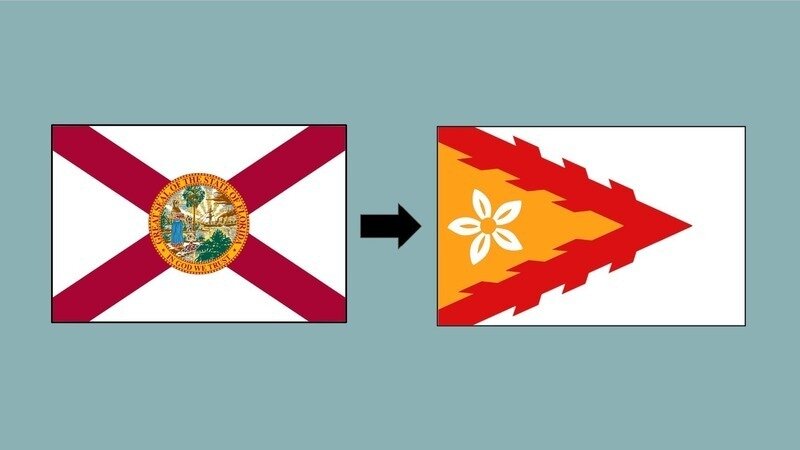
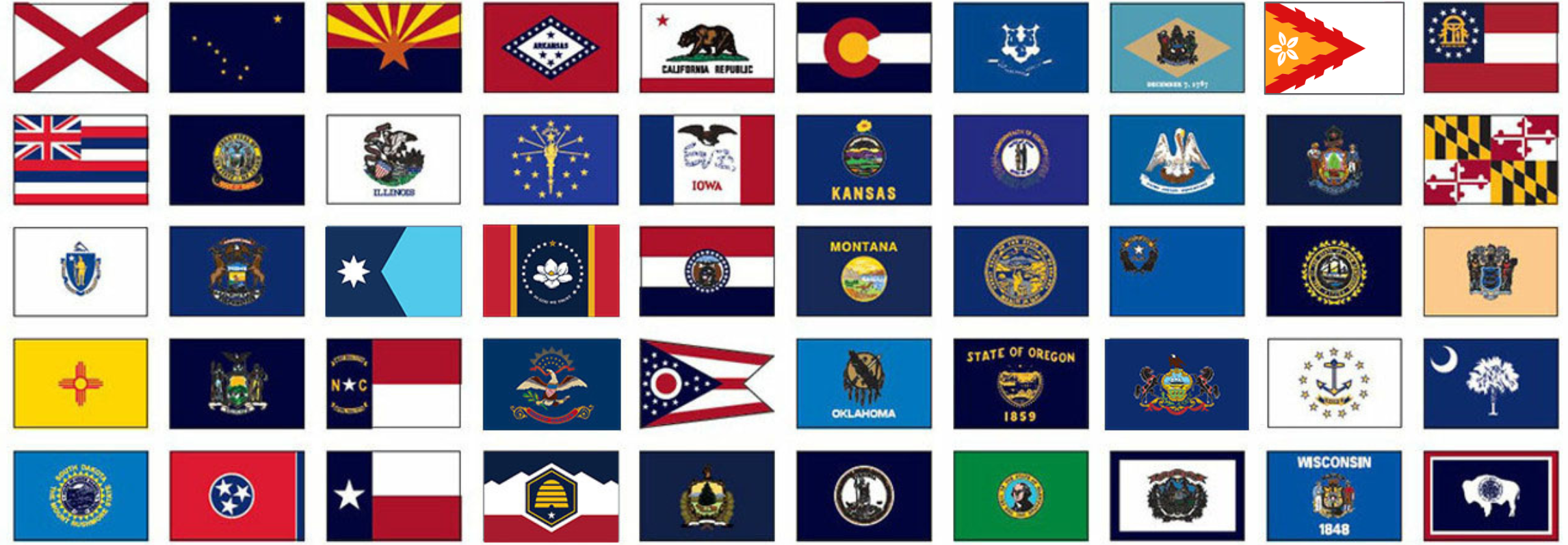
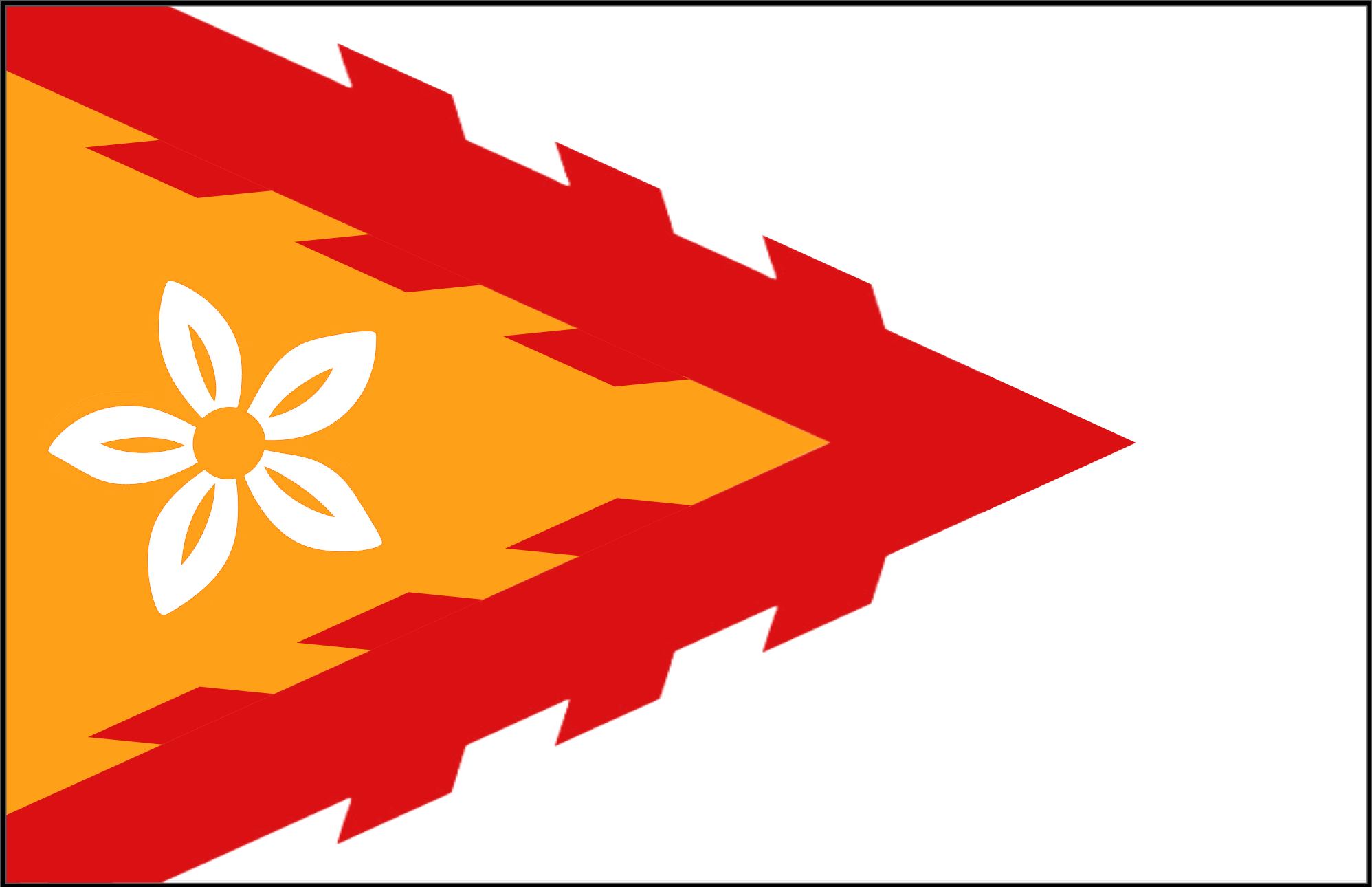
Florida’s current state flag, while historic, is visually outdated and symbolically underdeveloped. Its resemblance to the Confederate battle flag, although likely inadvertent, has also drawn criticism and controversy. A new design offers an opportunity to honor Florida’s rich cultural history, unique geography, and modern identity—without sacrificing tradition. This proposed flag reimagines key elements of the current design and integrates Florida’s natural beauty, Indigenous, Spanish, and American heritages, and strong sense of liberty, while embracing bold yet meaningful symbolism.
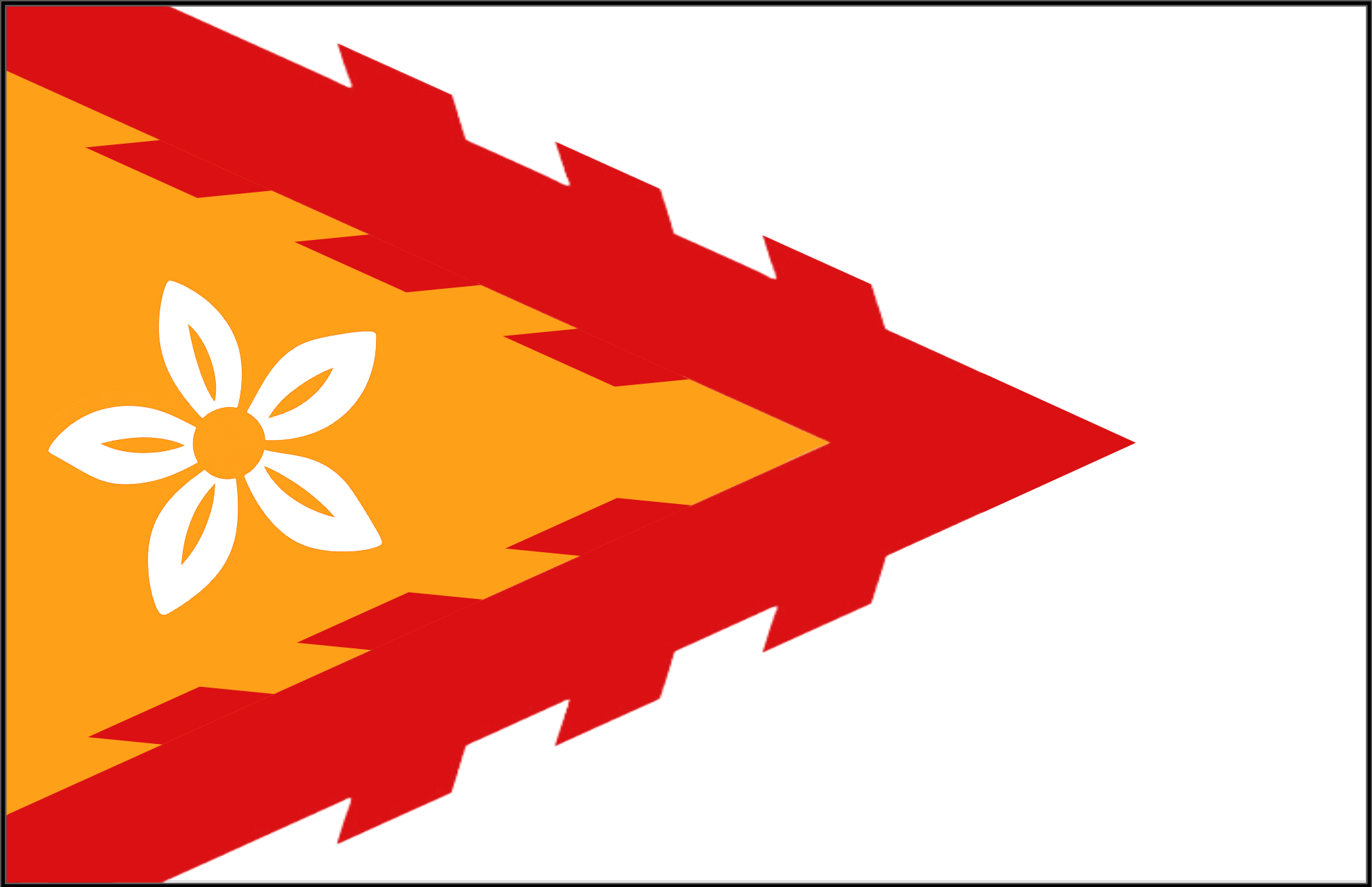
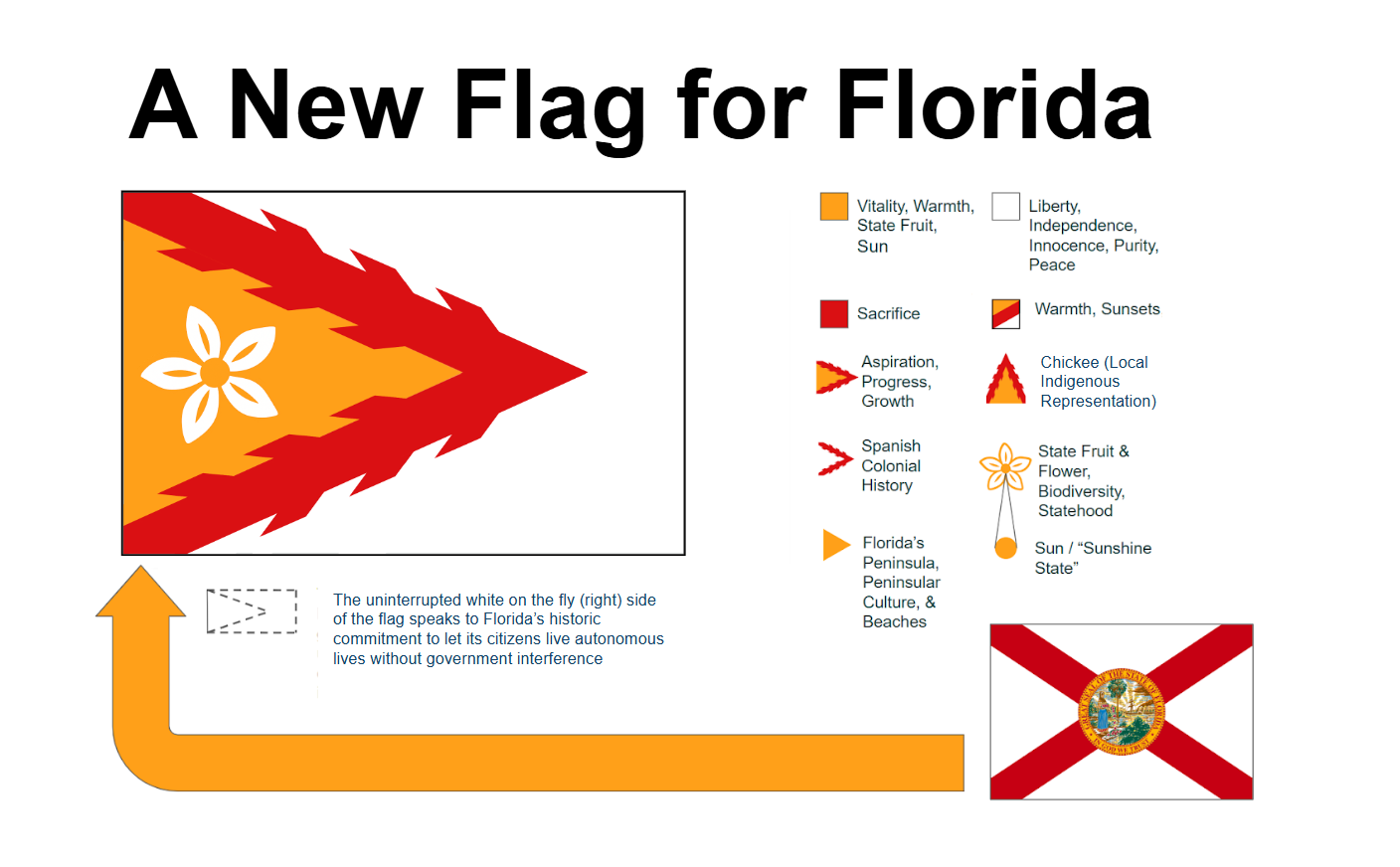
CHEVRON: The orange chevron represents the Florida peninsula and the state's unique peninsular culture. As a bonus, it can also be interpreted as an abstract chickee, representing the Seminole's long inhabitation and pre-Columbian influence over the peninsula.
(HALF) BURGUNDY CROSS: A nod to Florida’s Spanish colonial history, the half red saltire (inspired by the Cross of Burgundy) acknowledges the enduring legacy of Spain’s influence in the region. The fact that it's broken in half could also acknowledge the brutal reality of this colonialism on Florida’s Indigenous population, their resistance, and Florida’s eventual breaking-away from Spain to join the United States. The cross's red color honors the blood and sacrifice of all peoples who shaped Florida: from the Indigenous Seminoles and other Native nations, to Spanish colonizers and settlers, to Americans through war and unification. It recognizes conflict, endurance, and shared history. These layered legacies—of resistance, ambition, and reinvention—not only define Florida’s past, but converge to point forward both visually and symbolically: toward the dynamic, diverse, and resilient state it has become today.
ORANGE BLOSSOM (ON ORANGE): The central orange blossom pays tribute to both Florida’s state flower and fruit, highlighting the state's agricultural heritage and biodiversity. It also evokes the very name of the state—Florida, derived from the Spanish word florido, meaning “flowery place.”
RED, WHITE, AND ORANGE COLOR SCHEME: This unique set of colors alone screams Florida and wouldn't work for any other state flag. These colors are symbolic of the state's famous sunsets, warm climate, and beaches. Orange and red evoke brightness, energy, and warmth—reflecting the state's nickname, “The Sunshine State.” The jagged edges of the burgundy cross reinforce this vibe even further.
WHITE FLY (BACKGROUND): Like in many flags, the white field behind the design represents liberty, peace, purity, and innocence. Like Texas, Florida has a strong culture of independence and self-determination, and the uninterrupted white on the fly side (right) of the flag speaks to Florida's historic culture of letting the people live autonomous lives without government interference.
AESTHETICS: The stylization and orientation of the orange blossom also add a sense of "laid back-ness," "easy going-ness," and "live and let live-ness" to the flag, fitting Florida's cultural identity, outdoor lifestyle, and tourist economy well. This is complemented by the burgundy chevron, the slightly aggressive pattern of which evokes feelings of determination and resilience, qualities which all Floridians share. Together, these "yin-yang" aesthetics complement each other and holistically captures Florida's culture, as well add a sense of charm to the flag.
CONTINUITY WITH THE CURRENT FLAG: This design intentionally retains visual echoes of the current flag, maintaining the red saltire (albeit halved), the white background, and a similar color palette. In doing so, it balances respect for Florida’s historical identity with a bold, meaningful step forward.
While there are some redesign proposals floating out there, I believe that this is the only Florida flag design that incorporates every aspect that makes Florida Florida—from its history and its peninsular identity, to its culture, sunny beaches, and its spirit of independence—all while maintaining similarity to the current flag.
There is a certain je ne sais quoi that makes Florida distinct from the other 49 states, and I think this flag captures it it effectively. If you believe Florida deserves a flag as beautiful as she is, please sign and share this petition! :)
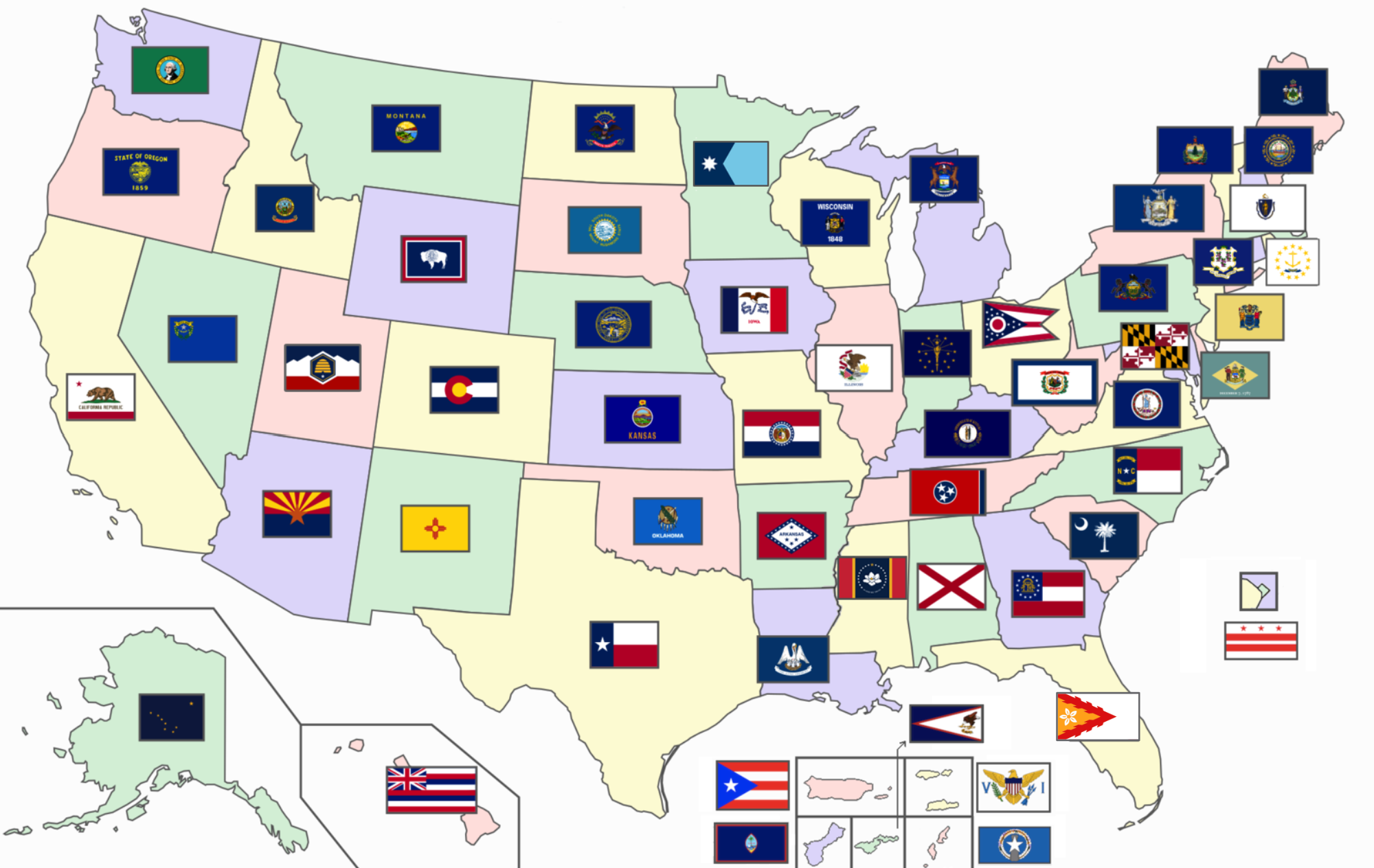
This Florida Flag Design Among the Flags of other U.S. States and Territories:
2:3 Dimensions (Original):
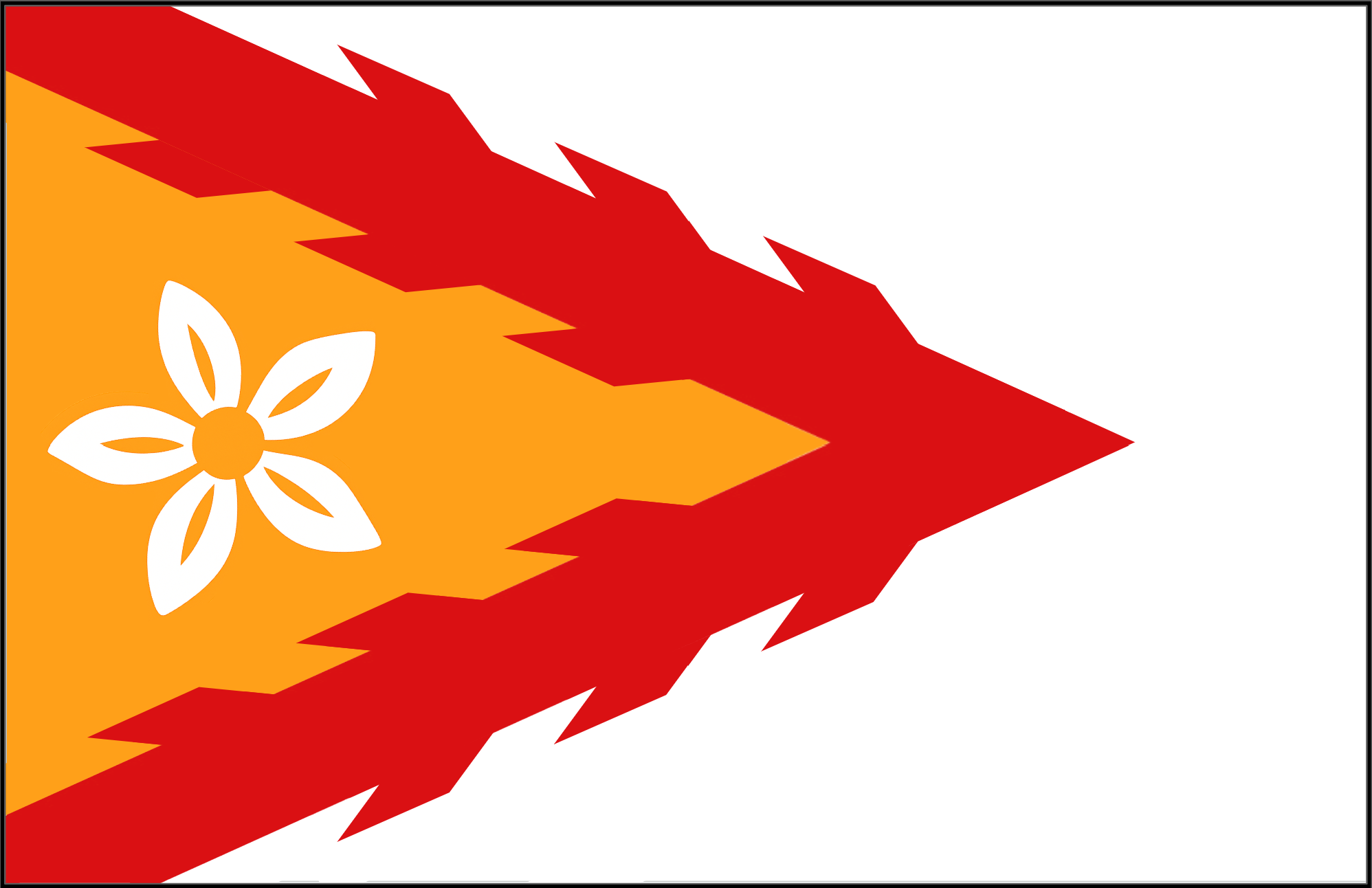
2:3 (Adjusted Pattern):
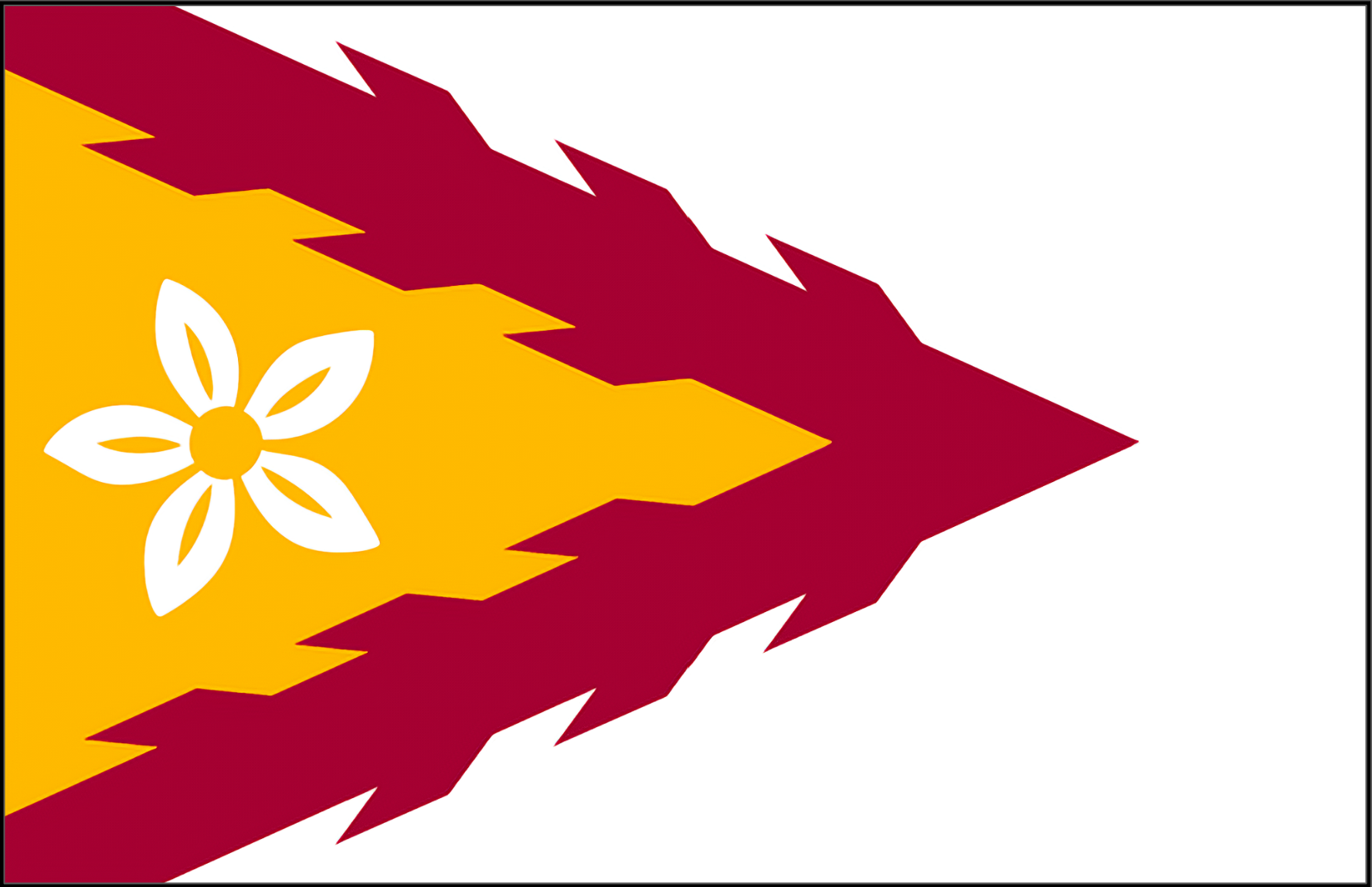
Exact Colors from the Florida State Seal:
Burgundy Blossom:
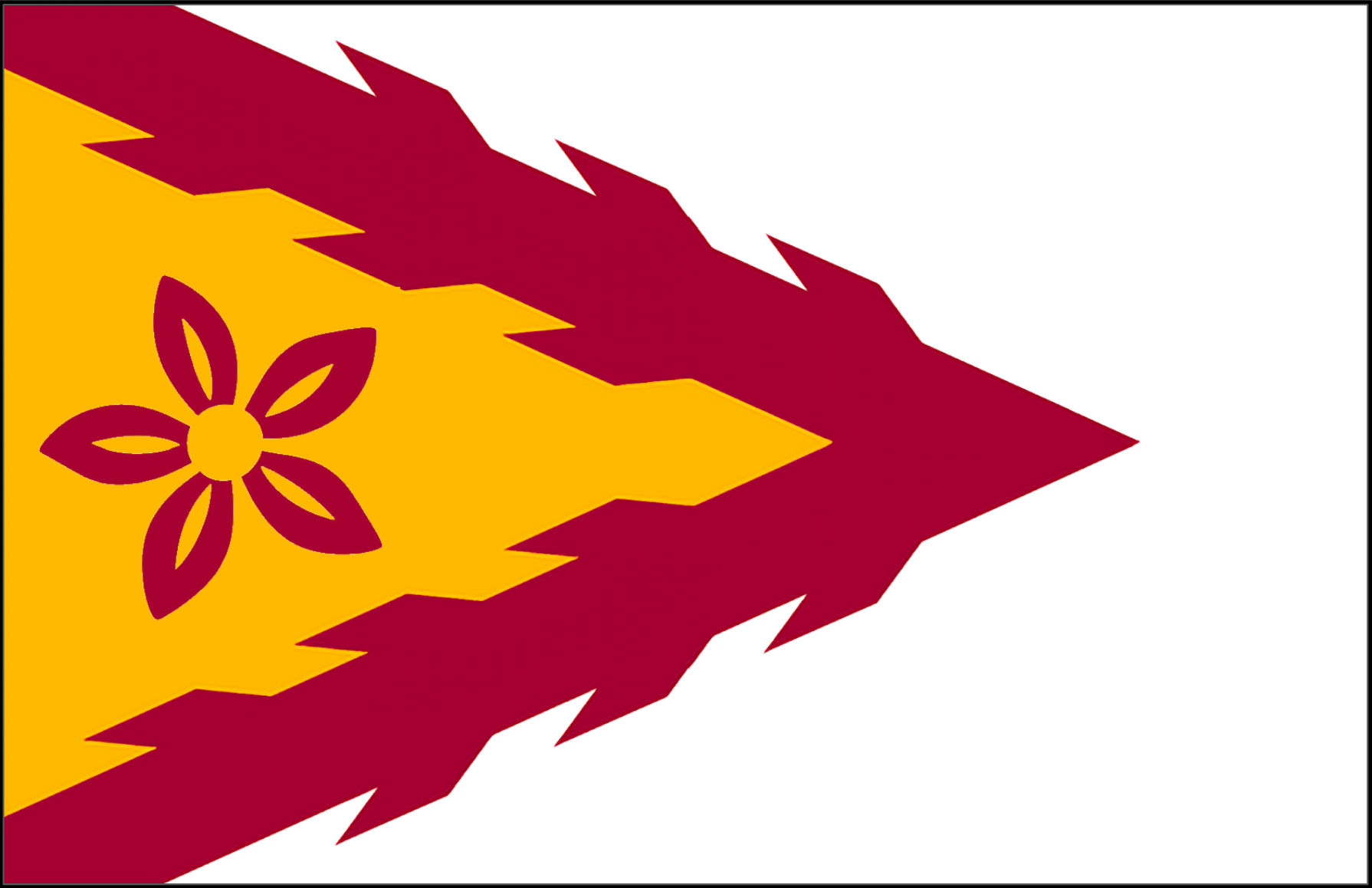
Filled-in Burgundy Blossom Leaves:
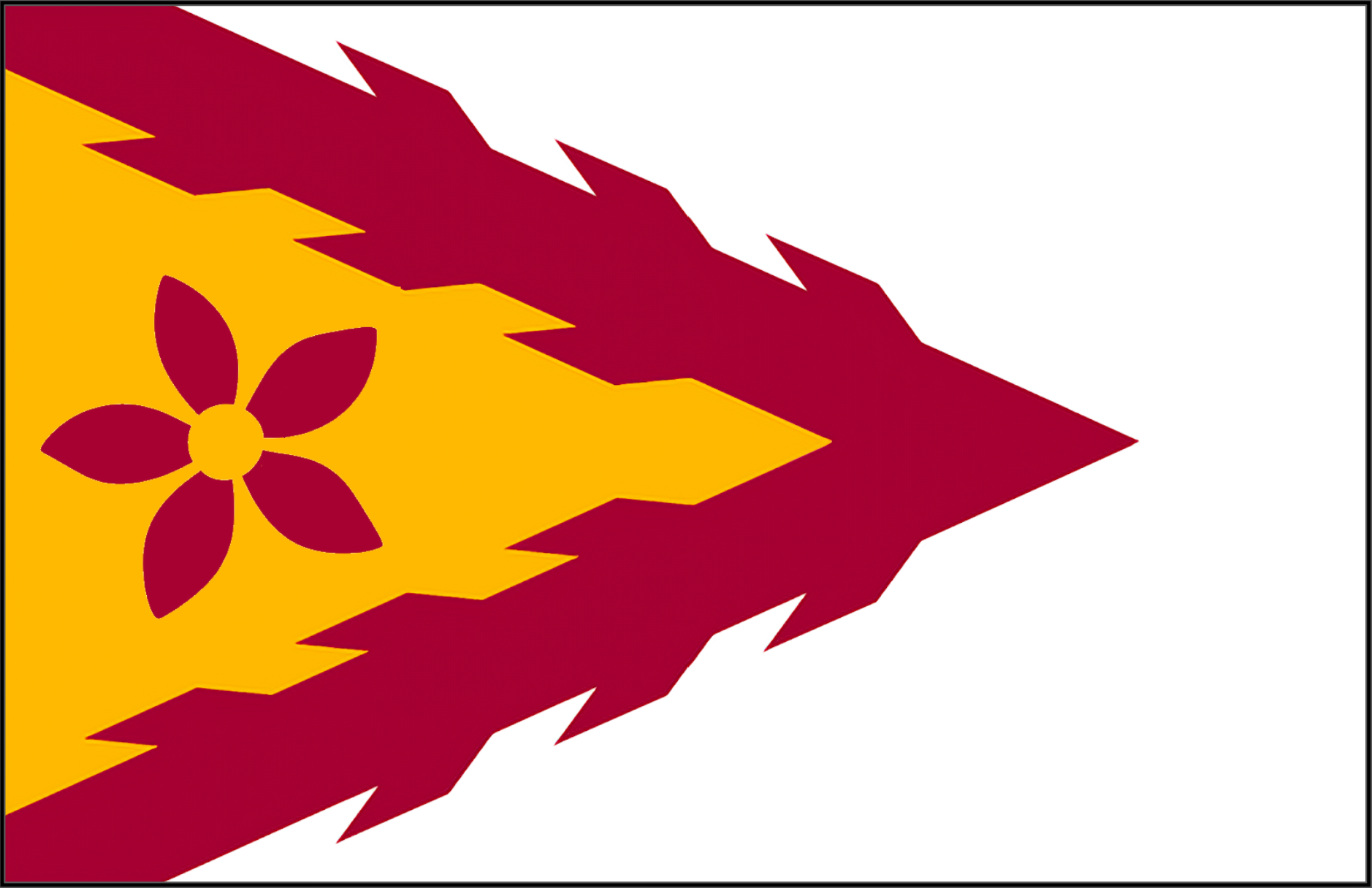
Orange and Burgundy:
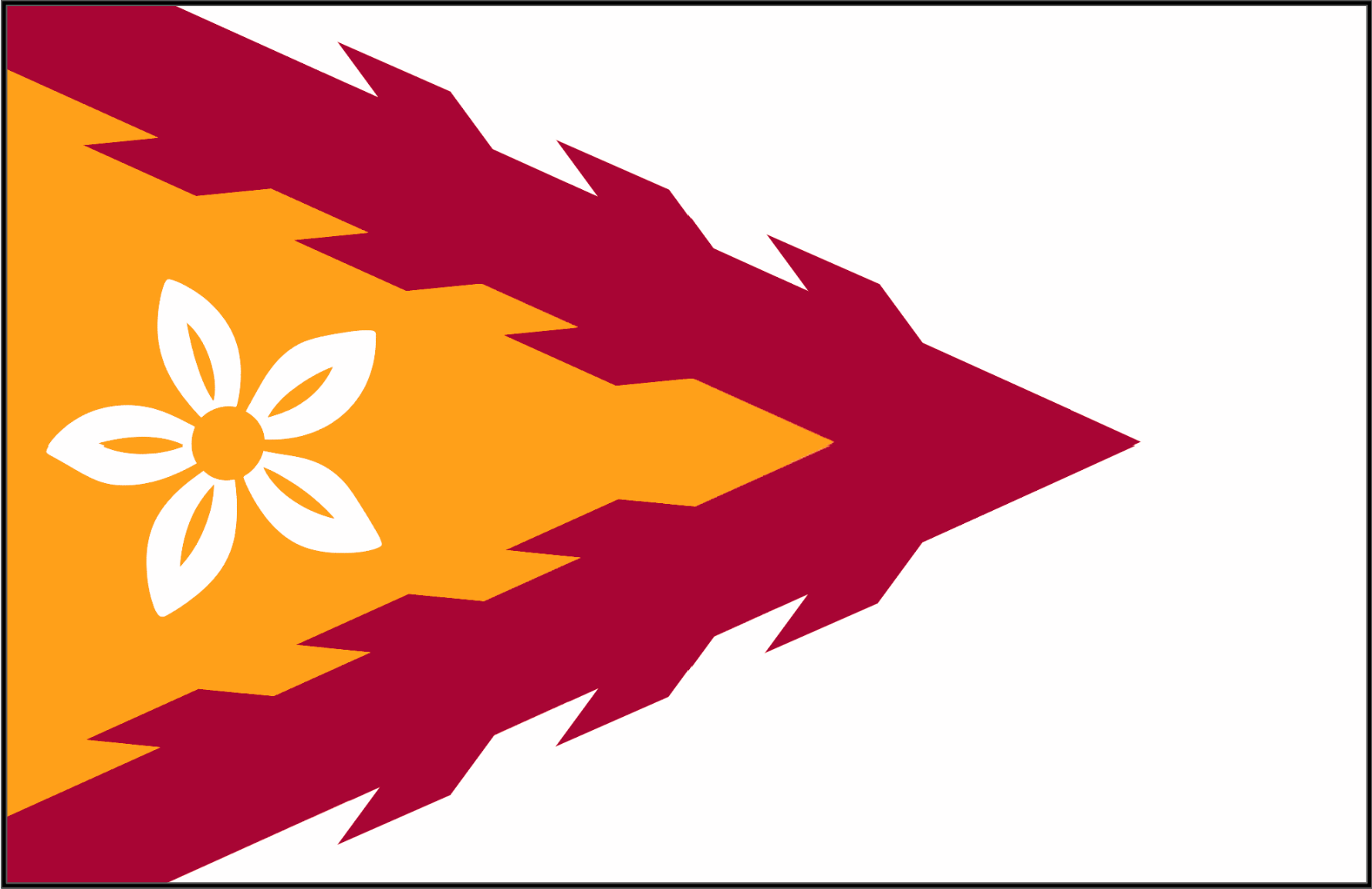
Filled-in Orange Blossom Leaves:
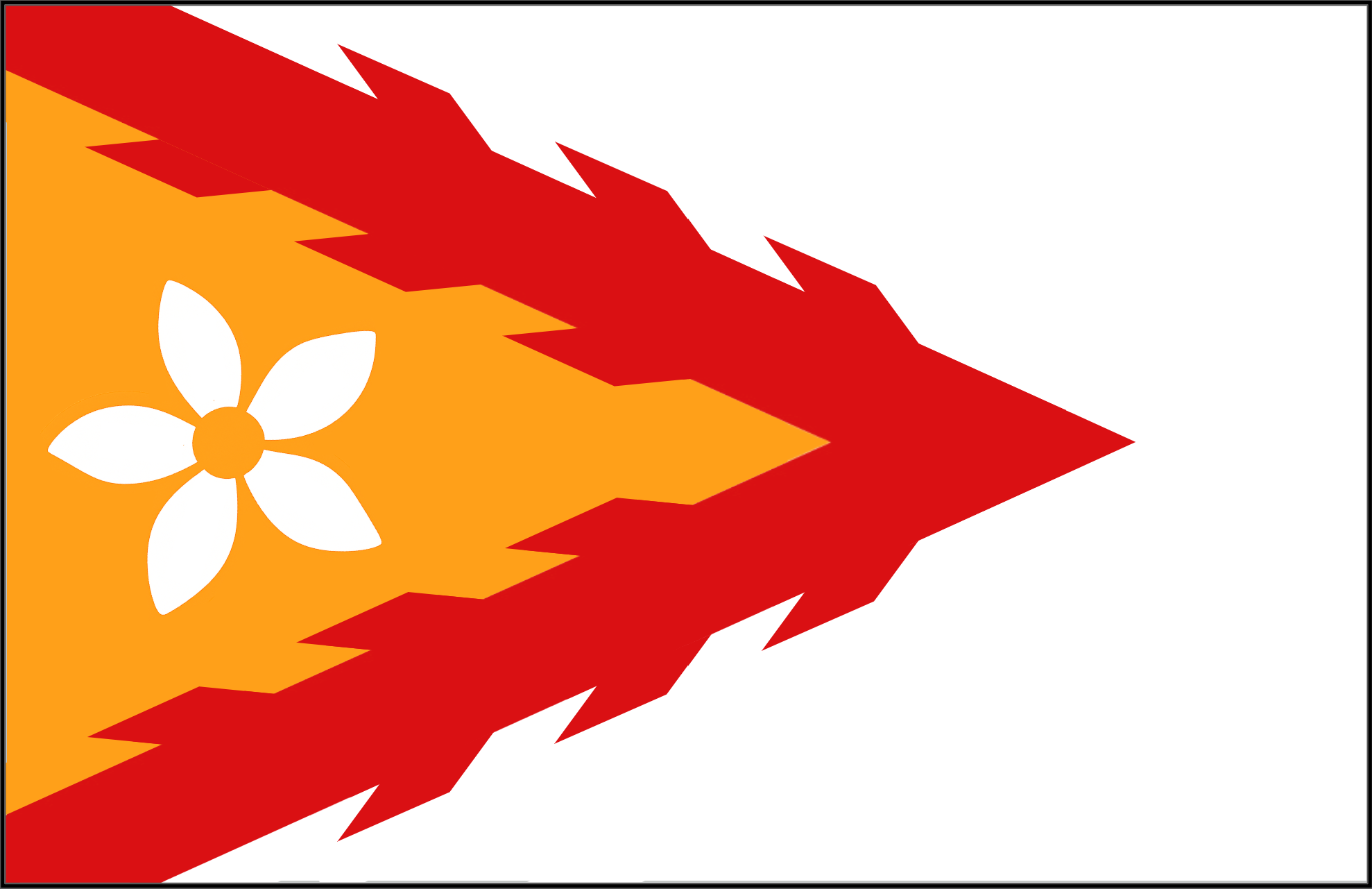
3:5 Dimensions:
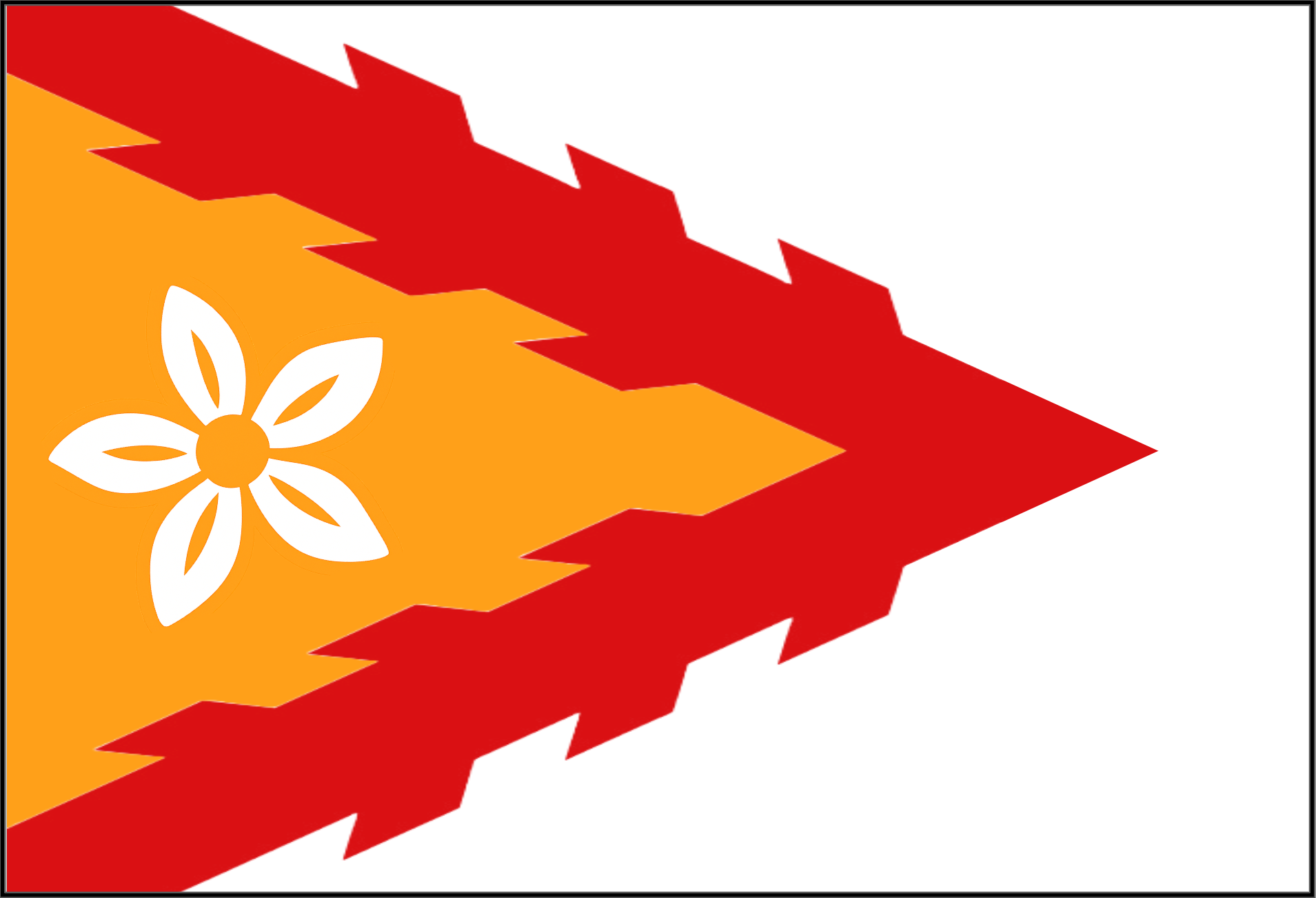
Explicit Sun Charge:
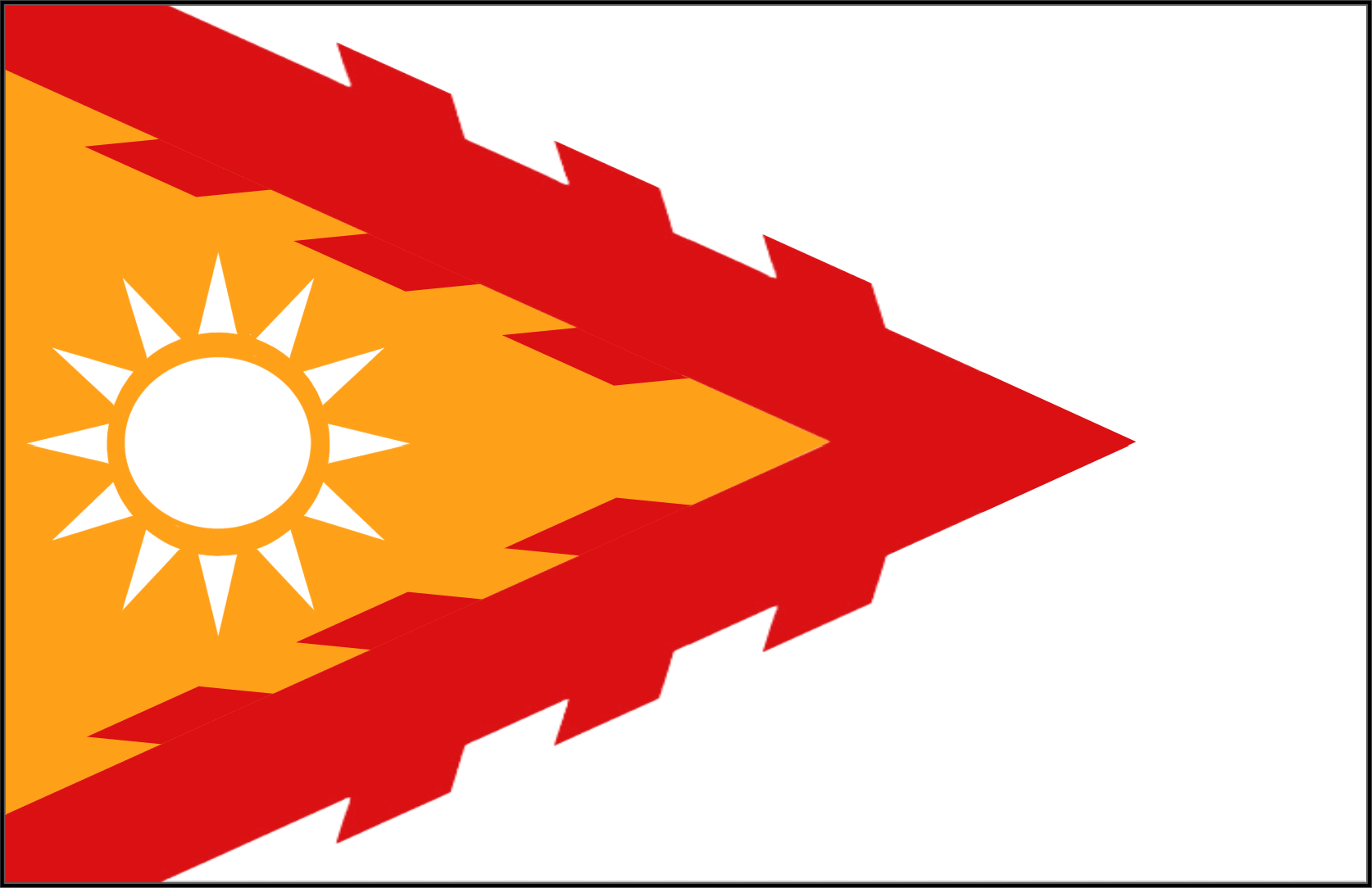
Stretched:
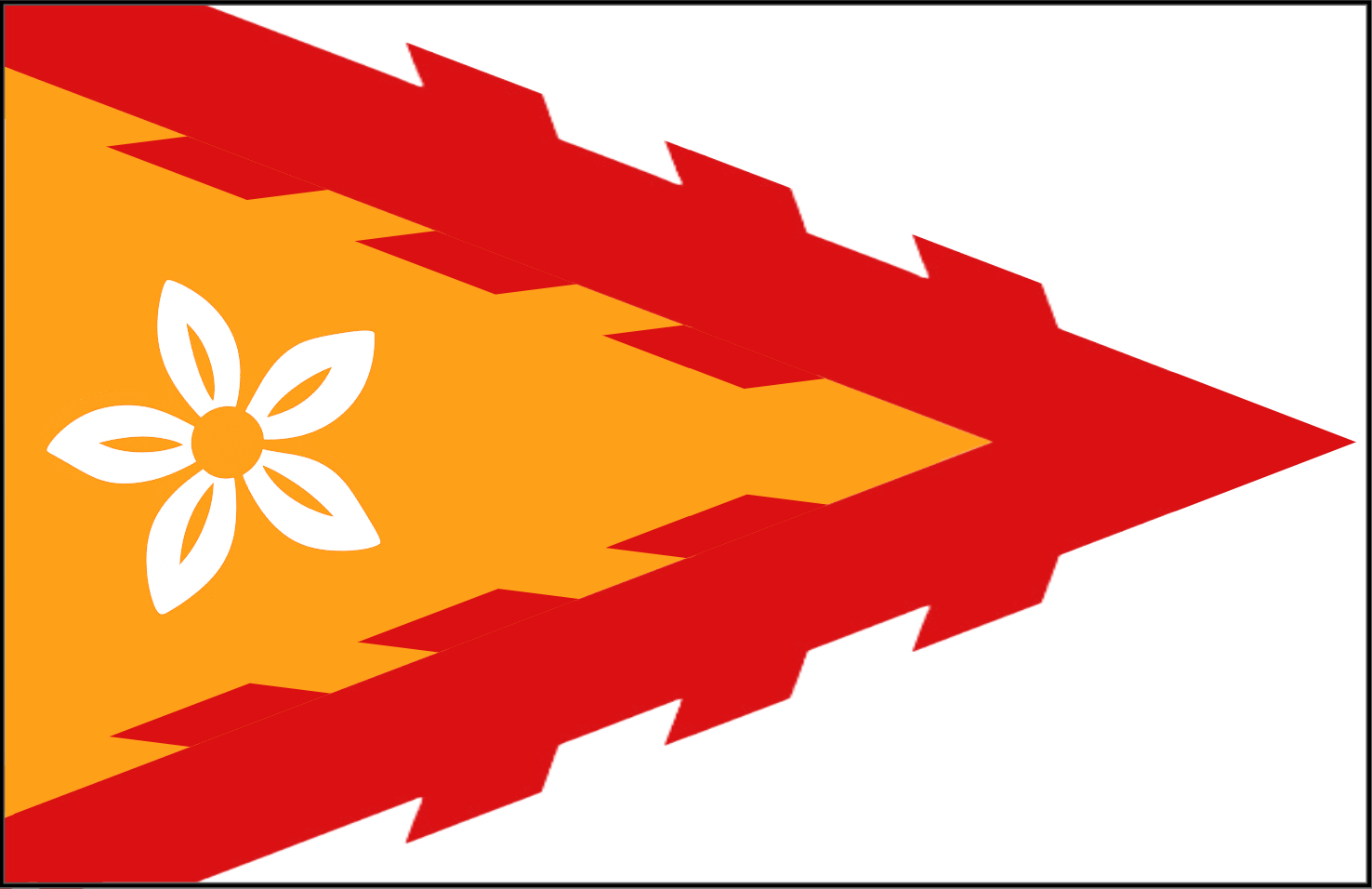
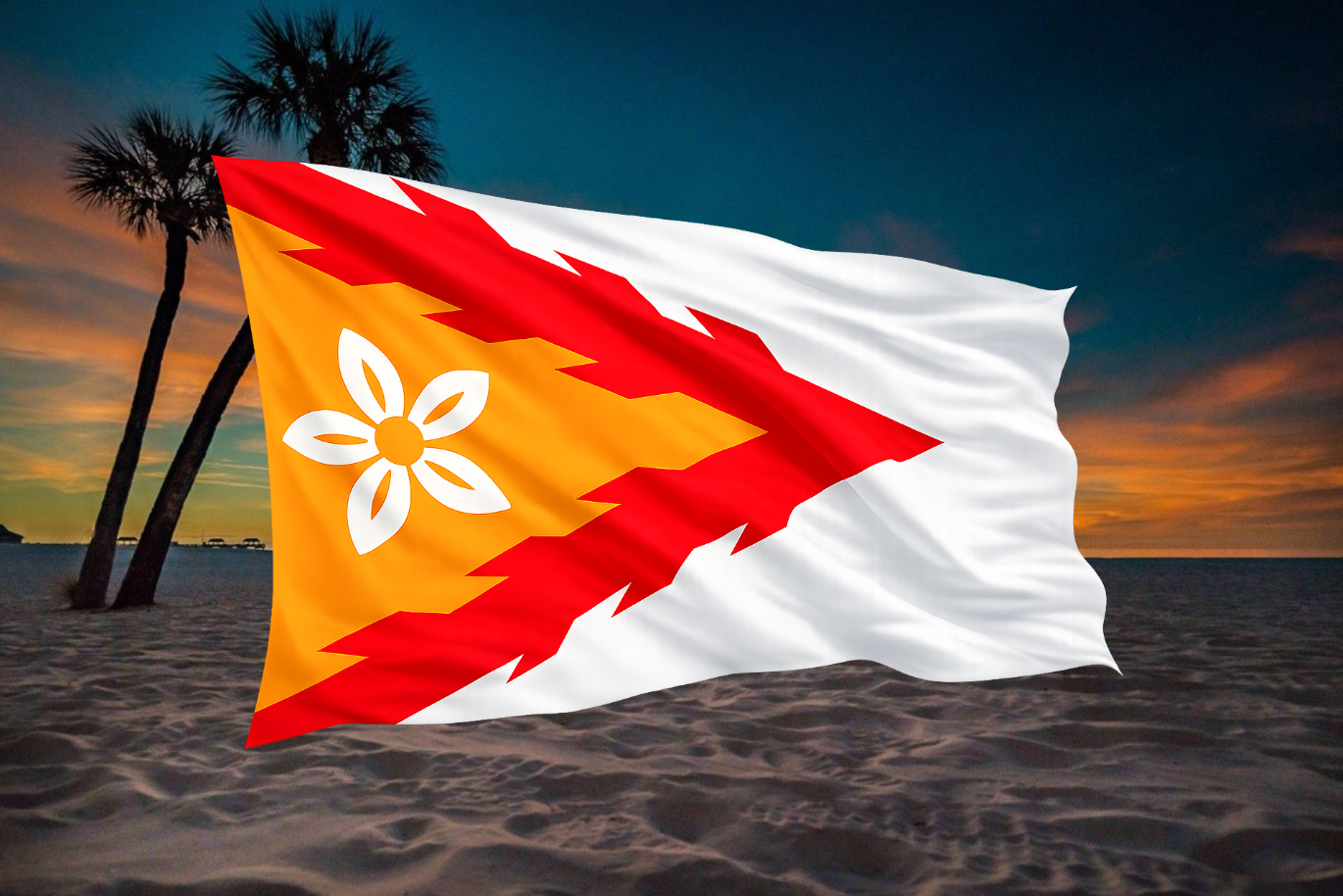
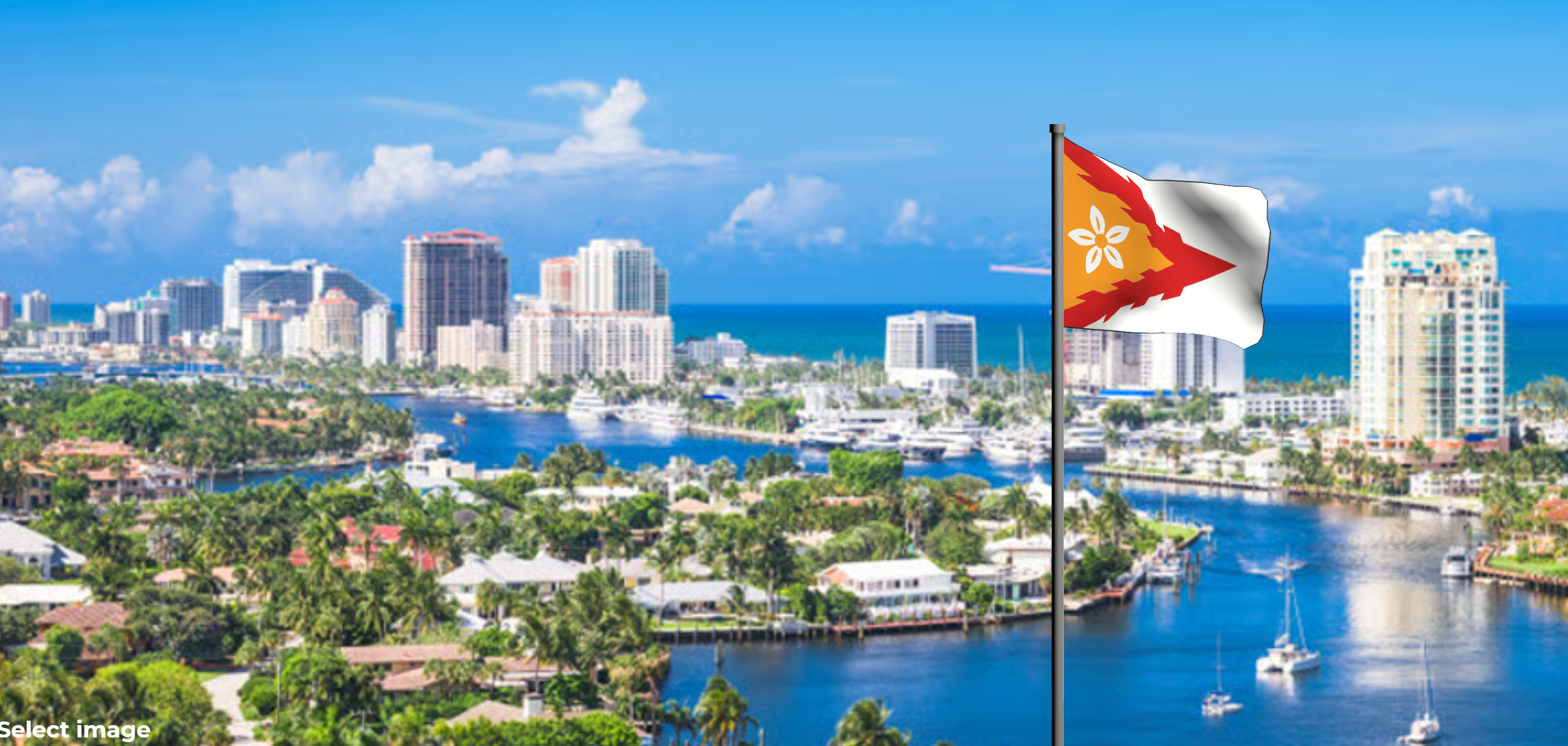
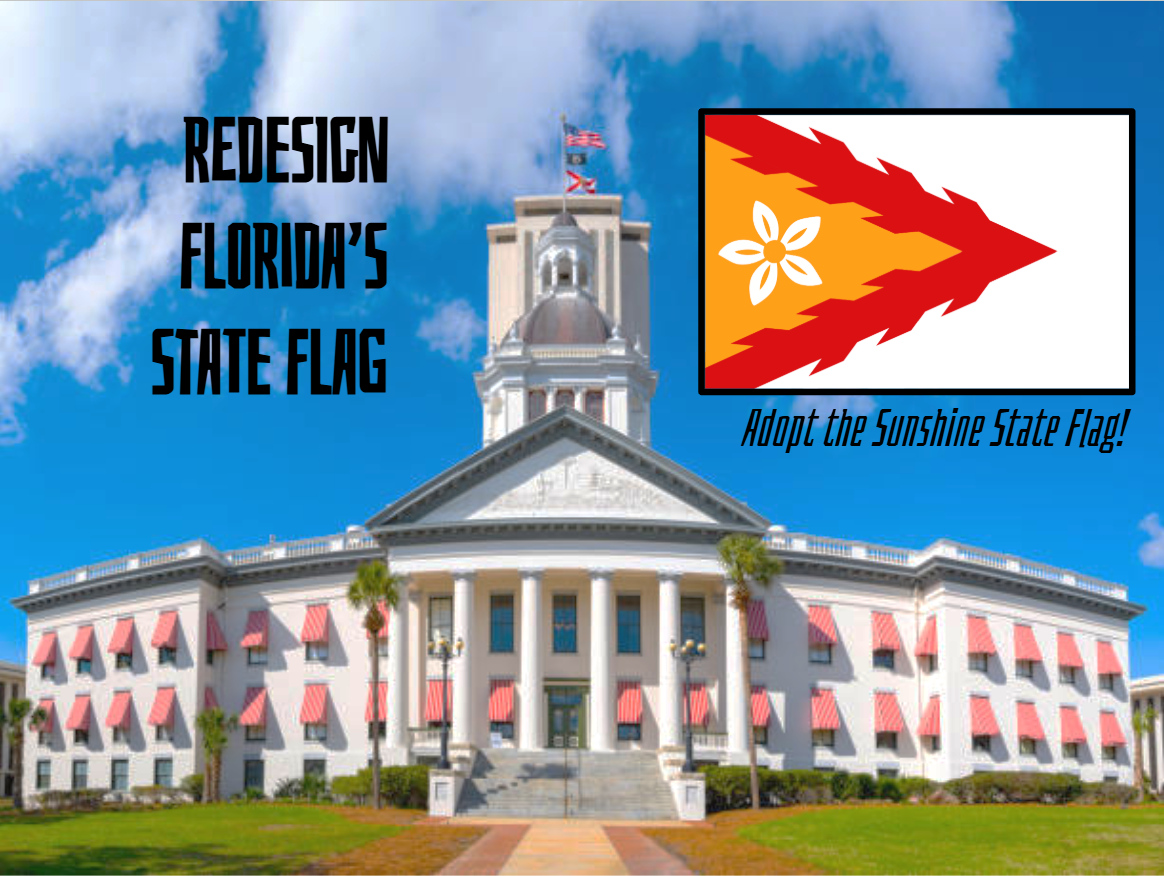
Flag Proposal (Concise Version): “The Sunshine State Flag” - This design proposal reimagines Florida’s current flag while preserving its spirit, uniting the state’s Indigenous, Spanish, and American heritages with its geography, climate, and culture of liberty. The orange chevron represents Florida’s peninsular identity and can also be read as an abstract chickee, acknowledging the Seminole people’s long inhabitation of the peninsula. The halved burgundy saltire, inspired by the Cross of Burgundy, nods to Spanish colonial history while intentionally breaking from it; its division can acknowledge the brutal reality of this colonialism on Florida’s Indigenous population, their resistance, and Florida’s eventual breaking-away from Spain to join the United States. Its red color honors the sacrifice, conflict, and endurance that shaped Florida. The orange blossom, placed on orange, celebrates the state flower and fruit, agricultural heritage, biodiversity, and the origin of the name Florida—from florido, meaning “flowery place.” The red, white, and orange palette evokes sunsets, warmth, beaches, and the “Sunshine State” identity, while the white fly represents liberty, peace, and Florida’s long-standing “live and let live” independence. Together, the relaxed blossom and sharper chevron balance ease and resilience, retaining continuity with the current flag while confidently moving Florida’s symbolism forward.

33
The Issue
Why Redesign Florida's Flag?
Florida’s current state flag, while historic, is visually outdated and symbolically underdeveloped. Its resemblance to the Confederate battle flag, although likely inadvertent, has also drawn criticism and controversy. A new design offers an opportunity to honor Florida’s rich cultural history, unique geography, and modern identity—without sacrificing tradition. This proposed flag reimagines key elements of the current design and integrates Florida’s natural beauty, Indigenous, Spanish, and American heritages, and strong sense of liberty, while embracing bold yet meaningful symbolism.
CHEVRON: The orange chevron represents the Florida peninsula and the state's unique peninsular culture. As a bonus, it can also be interpreted as an abstract chickee, representing the Seminole's long inhabitation and pre-Columbian influence over the peninsula.
(HALF) BURGUNDY CROSS: A nod to Florida’s Spanish colonial history, the half red saltire (inspired by the Cross of Burgundy) acknowledges the enduring legacy of Spain’s influence in the region. The fact that it's broken in half could also acknowledge the brutal reality of this colonialism on Florida’s Indigenous population, their resistance, and Florida’s eventual breaking-away from Spain to join the United States. The cross's red color honors the blood and sacrifice of all peoples who shaped Florida: from the Indigenous Seminoles and other Native nations, to Spanish colonizers and settlers, to Americans through war and unification. It recognizes conflict, endurance, and shared history. These layered legacies—of resistance, ambition, and reinvention—not only define Florida’s past, but converge to point forward both visually and symbolically: toward the dynamic, diverse, and resilient state it has become today.
ORANGE BLOSSOM (ON ORANGE): The central orange blossom pays tribute to both Florida’s state flower and fruit, highlighting the state's agricultural heritage and biodiversity. It also evokes the very name of the state—Florida, derived from the Spanish word florido, meaning “flowery place.”
RED, WHITE, AND ORANGE COLOR SCHEME: This unique set of colors alone screams Florida and wouldn't work for any other state flag. These colors are symbolic of the state's famous sunsets, warm climate, and beaches. Orange and red evoke brightness, energy, and warmth—reflecting the state's nickname, “The Sunshine State.” The jagged edges of the burgundy cross reinforce this vibe even further.
WHITE FLY (BACKGROUND): Like in many flags, the white field behind the design represents liberty, peace, purity, and innocence. Like Texas, Florida has a strong culture of independence and self-determination, and the uninterrupted white on the fly side (right) of the flag speaks to Florida's historic culture of letting the people live autonomous lives without government interference.
AESTHETICS: The stylization and orientation of the orange blossom also add a sense of "laid back-ness," "easy going-ness," and "live and let live-ness" to the flag, fitting Florida's cultural identity, outdoor lifestyle, and tourist economy well. This is complemented by the burgundy chevron, the slightly aggressive pattern of which evokes feelings of determination and resilience, qualities which all Floridians share. Together, these "yin-yang" aesthetics complement each other and holistically captures Florida's culture, as well add a sense of charm to the flag.
CONTINUITY WITH THE CURRENT FLAG: This design intentionally retains visual echoes of the current flag, maintaining the red saltire (albeit halved), the white background, and a similar color palette. In doing so, it balances respect for Florida’s historical identity with a bold, meaningful step forward.
While there are some redesign proposals floating out there, I believe that this is the only Florida flag design that incorporates every aspect that makes Florida Florida—from its history and its peninsular identity, to its culture, sunny beaches, and its spirit of independence—all while maintaining similarity to the current flag.
There is a certain je ne sais quoi that makes Florida distinct from the other 49 states, and I think this flag captures it it effectively. If you believe Florida deserves a flag as beautiful as she is, please sign and share this petition! :)
This Florida Flag Design Among the Flags of other U.S. States and Territories:
2:3 Dimensions (Original):
2:3 (Adjusted Pattern):
Exact Colors from the Florida State Seal:
Burgundy Blossom:
Filled-in Burgundy Blossom Leaves:
Orange and Burgundy:
Filled-in Orange Blossom Leaves:
3:5 Dimensions:
Explicit Sun Charge:
Stretched:
Flag Proposal (Concise Version): “The Sunshine State Flag” - This design proposal reimagines Florida’s current flag while preserving its spirit, uniting the state’s Indigenous, Spanish, and American heritages with its geography, climate, and culture of liberty. The orange chevron represents Florida’s peninsular identity and can also be read as an abstract chickee, acknowledging the Seminole people’s long inhabitation of the peninsula. The halved burgundy saltire, inspired by the Cross of Burgundy, nods to Spanish colonial history while intentionally breaking from it; its division can acknowledge the brutal reality of this colonialism on Florida’s Indigenous population, their resistance, and Florida’s eventual breaking-away from Spain to join the United States. Its red color honors the sacrifice, conflict, and endurance that shaped Florida. The orange blossom, placed on orange, celebrates the state flower and fruit, agricultural heritage, biodiversity, and the origin of the name Florida—from florido, meaning “flowery place.” The red, white, and orange palette evokes sunsets, warmth, beaches, and the “Sunshine State” identity, while the white fly represents liberty, peace, and Florida’s long-standing “live and let live” independence. Together, the relaxed blossom and sharper chevron balance ease and resilience, retaining continuity with the current flag while confidently moving Florida’s symbolism forward.
The Decision Makers

Supporter Voices
Petition Updates
Share this petition
Petition created on July 7, 2025