Environmental Impacts of Artificial Intelligence on South Australia’s Water Resources
The issue
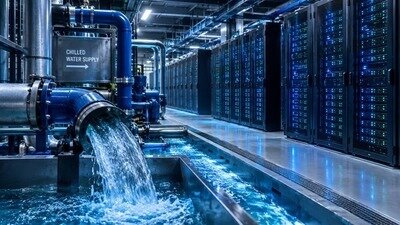
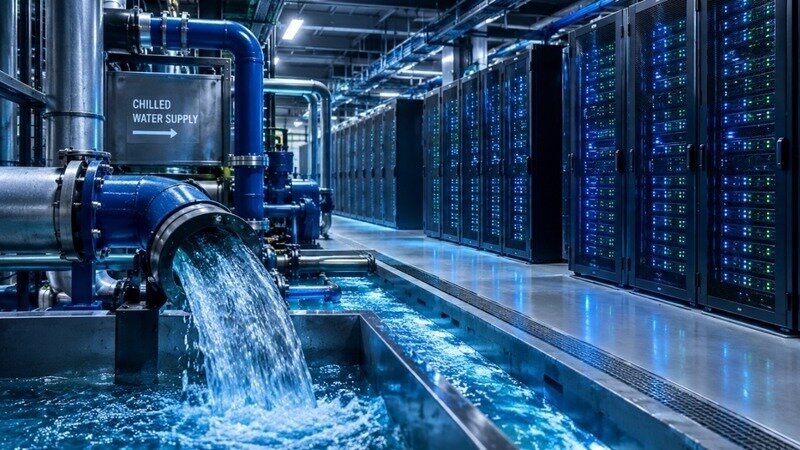
Artificial Intelligence (AI) promises revolutionary advancements—automation, enhanced decision-making, and breakthrough innovations. However, AI's reliance on large data centres raises important environmental questions, notably regarding water sustainability. These facilities require significant amounts of water to cool their systems, contributing to growing demands on our precious water supplies.
In Australia, the burden placed on water resources is of particular concern particularly us in South Australia. Parliamentary evidence presented to Australia's Select Committee on Adopting Artificial Intelligence has highlighted the growing environmental impact AI technology imposes, particularly focusing on both energy consumption and water use by AI-driven infrastructures. As AI technologies continue to proliferate, so do the demands placed on these infrastructures, potentially exacerbating existing water scarcity issues in many regions.
Data centres, which form the backbone of AI operations, are heavy consumers of water, used primarily in cooling their vast machines. In a country like Australia, where water conservation is critical, this burgeoning demand imposes new risks. According to research conducted in various regions globally, a single data centre can consume millions of litres of water each day. Without careful regulation and comprehensive planning, AI could inadvertently propel a troubling surge in water usage, threatening community access to safe and reliable water supplies.
Addressing this issue is not merely an environmental necessity but a societal responsibility. We must demand greater transparency and accountability from companies operating data centres. They should be required to disclose their water usage statistics and innovate more sustainable operational methods. Additionally, the Australian government should mandate stricter guidelines and incentives for eco-friendly operations in the technology sector, prioritising technologies like free-air cooling and water-efficient data centre designs.
As someone who is yet intensely hopeful about AI's potential to solve grand challenges, I believe ignoring its environmental consequences could overshadow these benefits. Now is the time for our leaders to act decisively to consider the ecological impacts of AI.
I urge you to sign this petition to prompt Australia's governmental bodies to urgently examine AI's environmental impacts, with an emphasis on sustainable water use. By doing so, we can ensure that technological advancements do not come at the cost of our environment and communities. Let's take action today for a more sustainable AI future.

52
The issue
Artificial Intelligence (AI) promises revolutionary advancements—automation, enhanced decision-making, and breakthrough innovations. However, AI's reliance on large data centres raises important environmental questions, notably regarding water sustainability. These facilities require significant amounts of water to cool their systems, contributing to growing demands on our precious water supplies.
In Australia, the burden placed on water resources is of particular concern particularly us in South Australia. Parliamentary evidence presented to Australia's Select Committee on Adopting Artificial Intelligence has highlighted the growing environmental impact AI technology imposes, particularly focusing on both energy consumption and water use by AI-driven infrastructures. As AI technologies continue to proliferate, so do the demands placed on these infrastructures, potentially exacerbating existing water scarcity issues in many regions.
Data centres, which form the backbone of AI operations, are heavy consumers of water, used primarily in cooling their vast machines. In a country like Australia, where water conservation is critical, this burgeoning demand imposes new risks. According to research conducted in various regions globally, a single data centre can consume millions of litres of water each day. Without careful regulation and comprehensive planning, AI could inadvertently propel a troubling surge in water usage, threatening community access to safe and reliable water supplies.
Addressing this issue is not merely an environmental necessity but a societal responsibility. We must demand greater transparency and accountability from companies operating data centres. They should be required to disclose their water usage statistics and innovate more sustainable operational methods. Additionally, the Australian government should mandate stricter guidelines and incentives for eco-friendly operations in the technology sector, prioritising technologies like free-air cooling and water-efficient data centre designs.
As someone who is yet intensely hopeful about AI's potential to solve grand challenges, I believe ignoring its environmental consequences could overshadow these benefits. Now is the time for our leaders to act decisively to consider the ecological impacts of AI.
I urge you to sign this petition to prompt Australia's governmental bodies to urgently examine AI's environmental impacts, with an emphasis on sustainable water use. By doing so, we can ensure that technological advancements do not come at the cost of our environment and communities. Let's take action today for a more sustainable AI future.
Supporter voices
Petition Updates
Share this petition
Petition created on 6 September 2026