End the Water Crisis in First Nations Communities Now
End the Water Crisis in First Nations Communities Now
The Issue
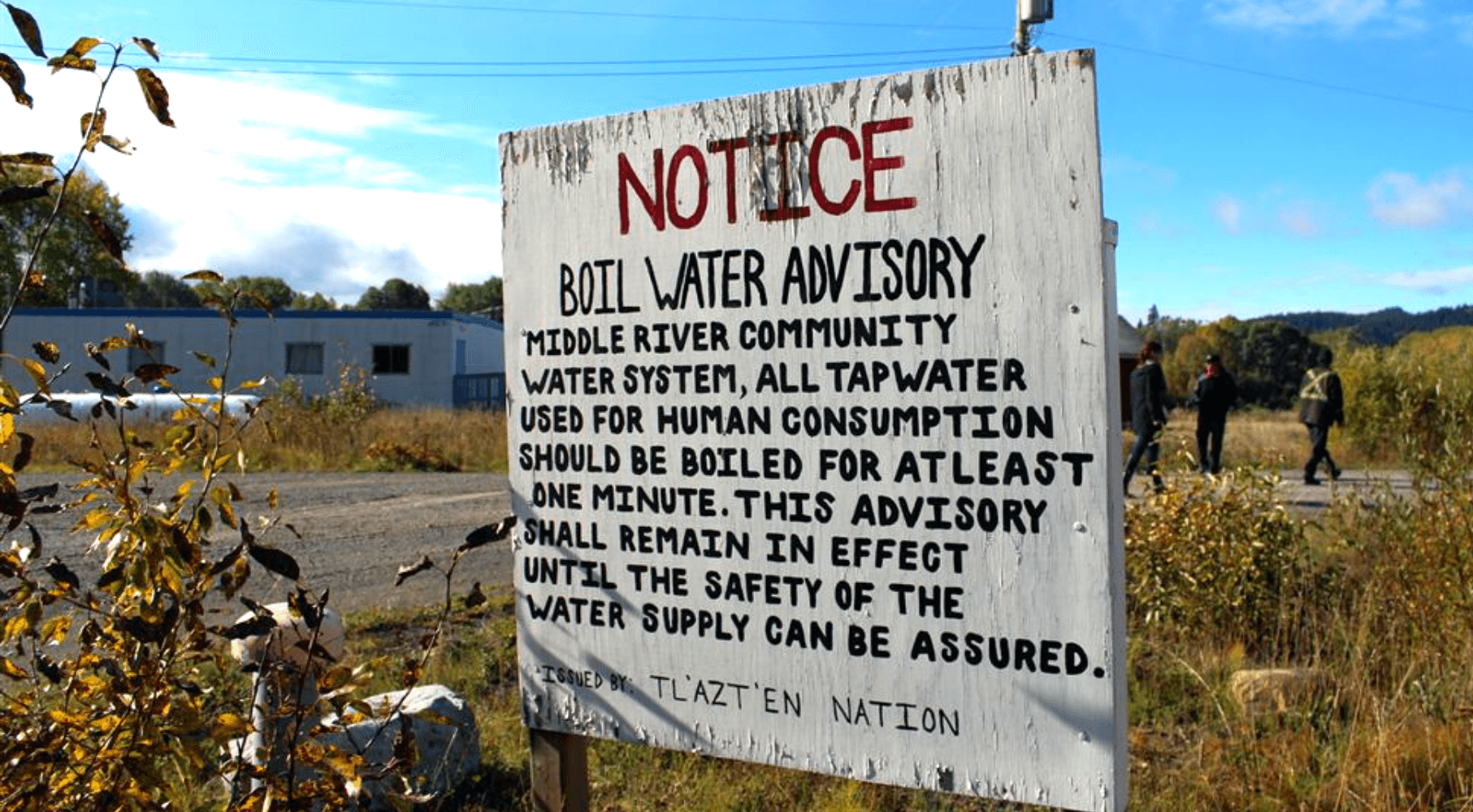
Canada is known as one of the wealthiest countries in the world, rich not only in resources but in its vast supply of fresh water. Kraken Sense found that Canada receives access to 18% of the world's fresh surface water in the Great Lakes, access to clean, safe drinking water should be a guarantee for everyone who calls this country home. Yet, for many First Nations communities, this basic necessity remains out of reach. Long-term boil water advisories, unsafe infrastructure, and delayed government action have left thousands without reliable access to something as essential as clean water.
After first hearing this, I found it absolutely bizarre. Considering that access to clean and safe drinking water is a basic human right, this is unacceptable. Many Indigenous groups in Canada are living in third world conditions in a first world country. This is not just a failure of infrastructure, it is a failure of justice. Without clean water humans would not exist as it is necessary for life, yet First Nations people continue to be denied this right in their own land. The ongoing water crisis reflects deeper inequalities rooted in a history of neglect and broken promises. It is time for meaningful action, accountability, and respect for the rights and dignity of First Nations communities.
For many, this crisis is not just a statistic, it is a daily reality.
Marcus Monias, a 26-year-old father from Neskantaga First Nation in northern Ontario, has lived his entire life without safe drinking water. His community has been under a boil-water advisory since 1995; the longest in Canadian history. Marcus shares that he has never been able to drink from the tap, relying instead on water jugs and a treatment plant for something many Canadians take for granted. Even everyday tasks like bathing his daughter come with risks, as he noticed her developing rashes from the water. Something as simple as maintaining hygiene is unsafe and unforgiving within these communities. For Marcus and his family, this crisis is not temporary, it is generational.
His story is a harsh but powerful reminder of reality that this crisis goes far beyond access, it affects health, culture, identity, and the ability for communities to heal and thrive.
It is sad to see that the Canadian government has failed so many of the First Nations communities. The water laws in Canada present that provinces and territories are primarily responsible for ensuring drinking water is safe through provincial regulations, setting standards, and overseeing municipal water treatment. So, how are they still allowing this crisis to be present today?
Why is this important?
This issue dates back to the history of colonization, when Indigenous peoples were displaced onto reserves that were often located in remote areas with little to no proper infrastructure. In addition, remote locations can make it more difficult to transport materials, hire trained workers, and maintain systems over time. These communities were not given the same level of investment or resources as non-Indigenous communities, which has led to long-term inequalities that are still present today.
One of the main reasons this issue continues today is due to underfunding and lack of proper maintenance for water systems. According to The Council of Canadians the parliamentary budget office (PBO) found that operations and maintenance for on-reserve water systems are underfunded by approximately $138 million dollars per year. The Canadian government has also made multiple promises to fix this issue over the years, yet many deadlines have been missed or extended.
Due to this, for decades multiple First Nations communities have been living under three water advisories: boil water, do not consume, and do not use. These advisories are put in place when the water carries bacteria, viruses, parasites, lead contamination, or even chemical spills or extreme contamination, which poses serious health risks. This is no way of living.
Unsafe water can lead to serious health issues, including infections and long-term illnesses. The University of Calgary found that water-borne disease rates are 26 times higher than the national average and contaminated water leads to skin infections, eczema, and prevents basic hygiene, which exacerbated COVID-19 spread.
Beyond that, First Nations people within these communities are affected by this crisis every single day, such as making it harder for students to attend school or for families to maintain proper hygiene. In some cases, communities must rely on bottled water, which can be extremely expensive and difficult to access consistently. This creates additional stress and financial burden for families.
The lack of clean water also affects mental well-being, as people are forced to live with constant uncertainty about their health and safety. Overall, this issue highlights the ongoing inequality between Indigenous and non-Indigenous communities in Canada.
___________________
I care about this issue because no one in a country as wealthy as Canada should have to question whether their water is safe to drink. It is deeply unfair that First Nations communities continue to face these conditions while others do not. This matters to me because access to clean water is a basic human right, and I believe everyone deserves to live with dignity, safety, and respect.
How YOU can help.
Educate yourself and others - Learning about the water crisis and talking about it with friends, family, or on social media helps keep the issue visible and prevents it from being ignored.
Support Indigenous-led organizations - Donating to or supporting organizations that work directly with First Nations communities helps fund clean water projects and advocacy efforts.
Amplify Indigenous voices - Listening to and sharing the stories of First Nations individuals helps ensure their experiences are heard and respected, rather than overlooked.
Contact government representatives - Writing emails or letters to local MPs or government officials shows that people care and expect real solutions and accountability.
Sign and share petitions - Signing petitions (like mine) and sharing them helps raise awareness and puts pressure on the government to take action faster.

41
The Issue
Canada is known as one of the wealthiest countries in the world, rich not only in resources but in its vast supply of fresh water. Kraken Sense found that Canada receives access to 18% of the world's fresh surface water in the Great Lakes, access to clean, safe drinking water should be a guarantee for everyone who calls this country home. Yet, for many First Nations communities, this basic necessity remains out of reach. Long-term boil water advisories, unsafe infrastructure, and delayed government action have left thousands without reliable access to something as essential as clean water.
After first hearing this, I found it absolutely bizarre. Considering that access to clean and safe drinking water is a basic human right, this is unacceptable. Many Indigenous groups in Canada are living in third world conditions in a first world country. This is not just a failure of infrastructure, it is a failure of justice. Without clean water humans would not exist as it is necessary for life, yet First Nations people continue to be denied this right in their own land. The ongoing water crisis reflects deeper inequalities rooted in a history of neglect and broken promises. It is time for meaningful action, accountability, and respect for the rights and dignity of First Nations communities.
For many, this crisis is not just a statistic, it is a daily reality.
Marcus Monias, a 26-year-old father from Neskantaga First Nation in northern Ontario, has lived his entire life without safe drinking water. His community has been under a boil-water advisory since 1995; the longest in Canadian history. Marcus shares that he has never been able to drink from the tap, relying instead on water jugs and a treatment plant for something many Canadians take for granted. Even everyday tasks like bathing his daughter come with risks, as he noticed her developing rashes from the water. Something as simple as maintaining hygiene is unsafe and unforgiving within these communities. For Marcus and his family, this crisis is not temporary, it is generational.
His story is a harsh but powerful reminder of reality that this crisis goes far beyond access, it affects health, culture, identity, and the ability for communities to heal and thrive.
It is sad to see that the Canadian government has failed so many of the First Nations communities. The water laws in Canada present that provinces and territories are primarily responsible for ensuring drinking water is safe through provincial regulations, setting standards, and overseeing municipal water treatment. So, how are they still allowing this crisis to be present today?
Why is this important?
This issue dates back to the history of colonization, when Indigenous peoples were displaced onto reserves that were often located in remote areas with little to no proper infrastructure. In addition, remote locations can make it more difficult to transport materials, hire trained workers, and maintain systems over time. These communities were not given the same level of investment or resources as non-Indigenous communities, which has led to long-term inequalities that are still present today.
One of the main reasons this issue continues today is due to underfunding and lack of proper maintenance for water systems. According to The Council of Canadians the parliamentary budget office (PBO) found that operations and maintenance for on-reserve water systems are underfunded by approximately $138 million dollars per year. The Canadian government has also made multiple promises to fix this issue over the years, yet many deadlines have been missed or extended.
Due to this, for decades multiple First Nations communities have been living under three water advisories: boil water, do not consume, and do not use. These advisories are put in place when the water carries bacteria, viruses, parasites, lead contamination, or even chemical spills or extreme contamination, which poses serious health risks. This is no way of living.
Unsafe water can lead to serious health issues, including infections and long-term illnesses. The University of Calgary found that water-borne disease rates are 26 times higher than the national average and contaminated water leads to skin infections, eczema, and prevents basic hygiene, which exacerbated COVID-19 spread.
Beyond that, First Nations people within these communities are affected by this crisis every single day, such as making it harder for students to attend school or for families to maintain proper hygiene. In some cases, communities must rely on bottled water, which can be extremely expensive and difficult to access consistently. This creates additional stress and financial burden for families.
The lack of clean water also affects mental well-being, as people are forced to live with constant uncertainty about their health and safety. Overall, this issue highlights the ongoing inequality between Indigenous and non-Indigenous communities in Canada.
___________________
I care about this issue because no one in a country as wealthy as Canada should have to question whether their water is safe to drink. It is deeply unfair that First Nations communities continue to face these conditions while others do not. This matters to me because access to clean water is a basic human right, and I believe everyone deserves to live with dignity, safety, and respect.
How YOU can help.
Educate yourself and others - Learning about the water crisis and talking about it with friends, family, or on social media helps keep the issue visible and prevents it from being ignored.
Support Indigenous-led organizations - Donating to or supporting organizations that work directly with First Nations communities helps fund clean water projects and advocacy efforts.
Amplify Indigenous voices - Listening to and sharing the stories of First Nations individuals helps ensure their experiences are heard and respected, rather than overlooked.
Contact government representatives - Writing emails or letters to local MPs or government officials shows that people care and expect real solutions and accountability.
Sign and share petitions - Signing petitions (like mine) and sharing them helps raise awareness and puts pressure on the government to take action faster.
41
Share this petition
Petition created on March 26, 2026