
End Needless Animal Waste: Boost British Farming & Medical Science
The Issue
End Needless Animal Waste: Boost British Farming & Medical Science
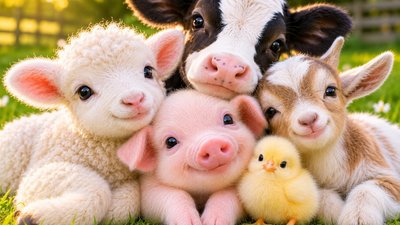
An animal has only one life. If we choose to take it for our benefit, surely we owe it the respect of not needlessly wasting what remains.
Every year, millions of animals are slaughtered across Britain. While much of what remains is put to good use, valuable biological materials can still be destroyed, despite their potential to contribute to medical breakthroughs, scientific innovation and economic growth.
These animals were once living, breathing, feeling beings. They experienced the world around them, just as countless other animals do.
Their lives mattered. And surely, what remains of those lives should matter too.
What if Britain could turn these overlooked resources into new opportunities for farmers, skilled British jobs, renewable energy and research into devastating diseases?
What if greater respect for animal life could also help build a stronger, more prosperous Britain?
We recognise animal sentience. Shouldn't our industries reflect that?
In 2022, Britain passed the Animal Welfare (Sentience) Act, recognising the importance of animal sentience in government policymaking.
More recently, the Government announced proposals to restrict excessively loud fireworks, recognising the fear and distress they can cause pets, livestock and wildlife. These concerns have been championed by Change.org campaigns attracting more than one million supporters.
That sends an important message: the emotional wellbeing of animals deserves serious consideration in national policy.
But it also raises a question we should not ignore.
If we are prepared to reconsider fireworks regulations because animals experience fear and distress, shouldn't we also reconsider how we treat the remains of animals whose lives we deliberately take?
Respect for sentient life should not simply disappear when that life ends.
And unlike many animal welfare measures, this change could bring substantial benefits to the very industries that depend on animals.
From needless waste to medical discoveries and economic opportunity
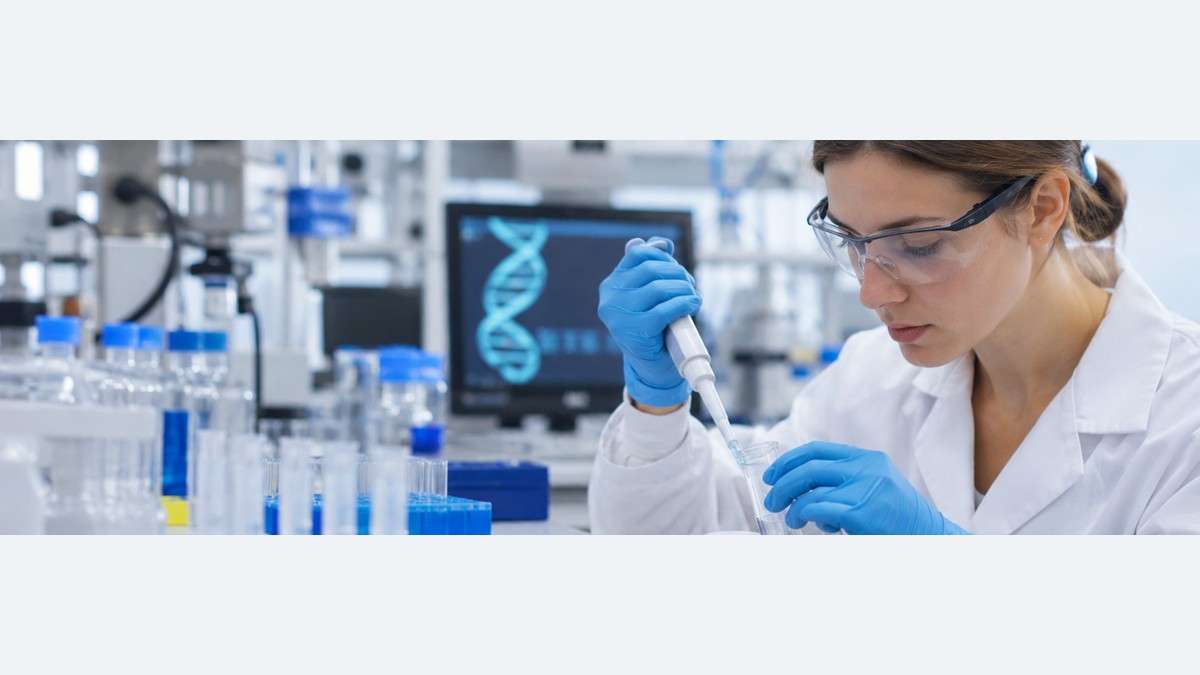
Imagine biological materials from a slaughtered animal helping scientists understand Alzheimer's disease, Parkinson's disease or nerve regeneration.
Imagine British farmers receiving additional income from materials that might otherwise require costly disposal.
Imagine new biotechnology facilities providing skilled employment, supporting rural communities and creating valuable British industries.
These possibilities deserve serious investment.
Britain already has an established animal by-product industry generating over £500 million in annual turnover. Expanding its capabilities could unlock further economic value while making better use of the resources we already produce.
What is currently treated as waste could become a valuable resource for Britain's future.
Our demand: A legally binding Zero-Waste Livestock Mandate
We call on the UK Government, Parliament and DEFRA to introduce legislation requiring the maximum safe and productive use of animal materials generated by the livestock industry.
The mandate must:
1. End unnecessary destruction.
Make it illegal to discard or incinerate animal materials where safe, approved recovery methods can put them to productive use.
2. Introduce universal post-mortem biological screening.
Establish comprehensive, risk-appropriate diagnostic testing, traceability and specialist recovery facilities to maximise the safe utilisation of animal tissues.
3. Advance British medical science.
Create secure, state-regulated pathways for valuable biological materials, including neurological tissues such as brains and spinal cords, to support controlled research into neurodegenerative diseases, regenerative medicine and other scientific applications.
4. Support British farmers and economic growth.
Develop regional processing facilities, new commercial markets and fair payment arrangements so agricultural businesses can benefit from the additional value of recovered materials.
5. Transform remaining resources into renewable energy.
Direct suitable materials towards approved bioenergy production, industrial manufacturing and other beneficial uses before destruction is considered.
6. Ensure accountability.
Require transparent reporting on recovery rates, scientific applications, economic benefits and progress towards eliminating avoidable waste.
This is not about opposing British farming. It is about making it better.
Our farmers are essential to this country. They produce our food, sustain rural communities and contribute to the national economy.
We want to strengthen British agriculture, not undermine it.
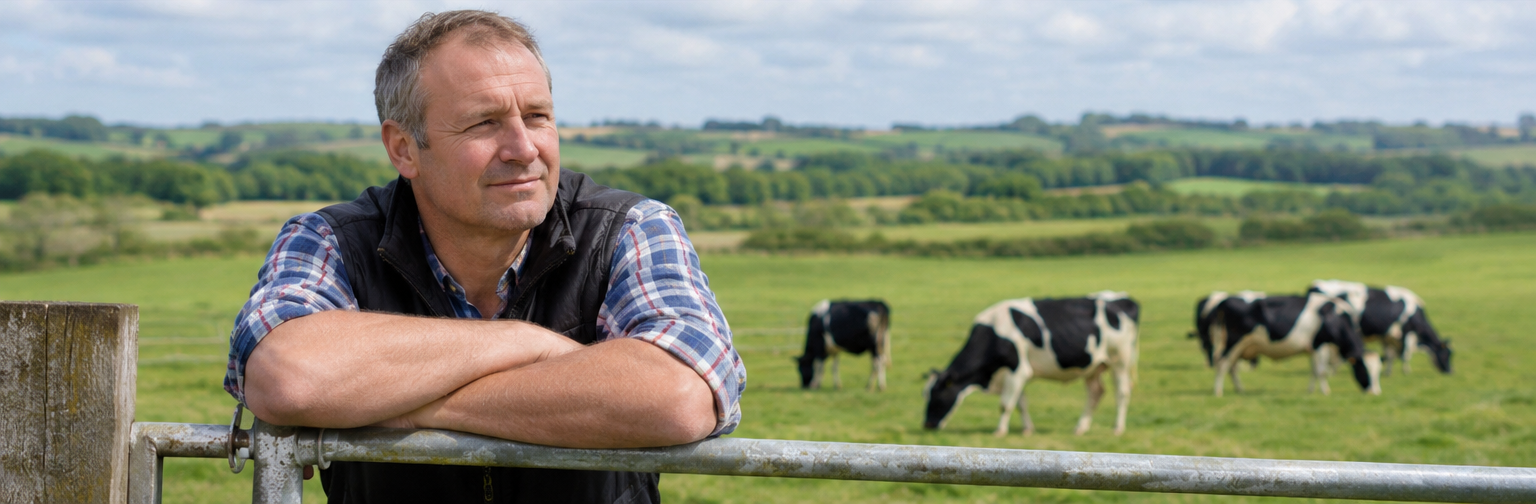
We want farmers to benefit from new sources of income, scientists to gain access to valuable research materials, and British businesses to develop technologies that could create jobs and support economic growth.
Above all, we want a livestock industry that recognises the responsibility involved in taking an animal's life.
Where safe recovery methods exist, they should be used. Where valuable materials remain difficult to recover, we should invest in developing better solutions.
Unnecessary destruction should never be easier to justify than responsible innovation.
A life cannot be returned. But its value should never be forgotten.
There is something profoundly troubling about the thought of an animal spending its entire life being raised for human benefit, only for potentially valuable parts of its body to be needlessly discarded after slaughter.
That animal was alive. It could feel pain, experience fear and respond to the world around it.
Its life was real. Its death is irreversible.
We cannot change that.
But we can decide what happens afterwards.
If its remains could help researchers better understand a devastating illness, provide additional income for a British farmer or contribute to a more sustainable economy, surely we should make every reasonable effort to realise that potential.
Britain has already recognised the importance of animal sentience. The Government's recent fireworks proposals demonstrate how that recognition can influence national policy.
Now we have an opportunity to take another meaningful step — one that brings together compassion, scientific progress, agricultural prosperity and economic opportunity.
We are not asking Britain to stop benefiting from animals. We are asking Britain to take greater responsibility for the lives it already takes.
Please sign this petition.
Call on the UK Government to introduce a Zero-Waste Livestock Mandate and help make Britain a world leader in responsible animal resource recovery.
For the animals whose lives we take.
For the farmers whose livelihoods we depend upon.
For the scientists working towards tomorrow's medical breakthroughs.
And for a Britain that refuses to waste what could help build a better future.
Because although we cannot give an animal its life back, we can ensure that what remains is treated with the respect and responsibility it deserves.

4
The Issue
End Needless Animal Waste: Boost British Farming & Medical Science
An animal has only one life. If we choose to take it for our benefit, surely we owe it the respect of not needlessly wasting what remains.
Every year, millions of animals are slaughtered across Britain. While much of what remains is put to good use, valuable biological materials can still be destroyed, despite their potential to contribute to medical breakthroughs, scientific innovation and economic growth.
These animals were once living, breathing, feeling beings. They experienced the world around them, just as countless other animals do.
Their lives mattered. And surely, what remains of those lives should matter too.
What if Britain could turn these overlooked resources into new opportunities for farmers, skilled British jobs, renewable energy and research into devastating diseases?
What if greater respect for animal life could also help build a stronger, more prosperous Britain?
We recognise animal sentience. Shouldn't our industries reflect that?
In 2022, Britain passed the Animal Welfare (Sentience) Act, recognising the importance of animal sentience in government policymaking.
More recently, the Government announced proposals to restrict excessively loud fireworks, recognising the fear and distress they can cause pets, livestock and wildlife. These concerns have been championed by Change.org campaigns attracting more than one million supporters.
That sends an important message: the emotional wellbeing of animals deserves serious consideration in national policy.
But it also raises a question we should not ignore.
If we are prepared to reconsider fireworks regulations because animals experience fear and distress, shouldn't we also reconsider how we treat the remains of animals whose lives we deliberately take?
Respect for sentient life should not simply disappear when that life ends.
And unlike many animal welfare measures, this change could bring substantial benefits to the very industries that depend on animals.
From needless waste to medical discoveries and economic opportunity
Imagine biological materials from a slaughtered animal helping scientists understand Alzheimer's disease, Parkinson's disease or nerve regeneration.
Imagine British farmers receiving additional income from materials that might otherwise require costly disposal.
Imagine new biotechnology facilities providing skilled employment, supporting rural communities and creating valuable British industries.
These possibilities deserve serious investment.
Britain already has an established animal by-product industry generating over £500 million in annual turnover. Expanding its capabilities could unlock further economic value while making better use of the resources we already produce.
What is currently treated as waste could become a valuable resource for Britain's future.
Our demand: A legally binding Zero-Waste Livestock Mandate
We call on the UK Government, Parliament and DEFRA to introduce legislation requiring the maximum safe and productive use of animal materials generated by the livestock industry.
The mandate must:
1. End unnecessary destruction.
Make it illegal to discard or incinerate animal materials where safe, approved recovery methods can put them to productive use.
2. Introduce universal post-mortem biological screening.
Establish comprehensive, risk-appropriate diagnostic testing, traceability and specialist recovery facilities to maximise the safe utilisation of animal tissues.
3. Advance British medical science.
Create secure, state-regulated pathways for valuable biological materials, including neurological tissues such as brains and spinal cords, to support controlled research into neurodegenerative diseases, regenerative medicine and other scientific applications.
4. Support British farmers and economic growth.
Develop regional processing facilities, new commercial markets and fair payment arrangements so agricultural businesses can benefit from the additional value of recovered materials.
5. Transform remaining resources into renewable energy.
Direct suitable materials towards approved bioenergy production, industrial manufacturing and other beneficial uses before destruction is considered.
6. Ensure accountability.
Require transparent reporting on recovery rates, scientific applications, economic benefits and progress towards eliminating avoidable waste.
This is not about opposing British farming. It is about making it better.
Our farmers are essential to this country. They produce our food, sustain rural communities and contribute to the national economy.
We want to strengthen British agriculture, not undermine it.
We want farmers to benefit from new sources of income, scientists to gain access to valuable research materials, and British businesses to develop technologies that could create jobs and support economic growth.
Above all, we want a livestock industry that recognises the responsibility involved in taking an animal's life.
Where safe recovery methods exist, they should be used. Where valuable materials remain difficult to recover, we should invest in developing better solutions.
Unnecessary destruction should never be easier to justify than responsible innovation.
A life cannot be returned. But its value should never be forgotten.
There is something profoundly troubling about the thought of an animal spending its entire life being raised for human benefit, only for potentially valuable parts of its body to be needlessly discarded after slaughter.
That animal was alive. It could feel pain, experience fear and respond to the world around it.
Its life was real. Its death is irreversible.
We cannot change that.
But we can decide what happens afterwards.
If its remains could help researchers better understand a devastating illness, provide additional income for a British farmer or contribute to a more sustainable economy, surely we should make every reasonable effort to realise that potential.
Britain has already recognised the importance of animal sentience. The Government's recent fireworks proposals demonstrate how that recognition can influence national policy.
Now we have an opportunity to take another meaningful step — one that brings together compassion, scientific progress, agricultural prosperity and economic opportunity.
We are not asking Britain to stop benefiting from animals. We are asking Britain to take greater responsibility for the lives it already takes.
Please sign this petition.
Call on the UK Government to introduce a Zero-Waste Livestock Mandate and help make Britain a world leader in responsible animal resource recovery.
For the animals whose lives we take.
For the farmers whose livelihoods we depend upon.
For the scientists working towards tomorrow's medical breakthroughs.
And for a Britain that refuses to waste what could help build a better future.
Because although we cannot give an animal its life back, we can ensure that what remains is treated with the respect and responsibility it deserves.


Petition Updates
Share this petition
Petition created on 6 November 2026