

EMERGENCY: India's Toxic Air is Killing Its Neighbors - Demand UN Action Now!
The Issue
Martina Otto
Head of Secretariat,
Climate & Clean Air Coalition (CCAC),
1 Rue Miollis, Building VII 75015,
Paris, France.
Urgent Action Required: Transboundary Air Pollution Crisis in South Asia
Dear Martina,
We, the undersigned citizens of South Asian nations, are writing to express our grave concern regarding the severe transboundary air pollution originating from India that is significantly impacting the health, environment, and economies of neighboring countries. As a key partner in the CCAC since 2019, India committed to reducing its air pollution by 30% by 2024. However, the situation has drastically deteriorated, reaching unprecedented levels in January 2025.
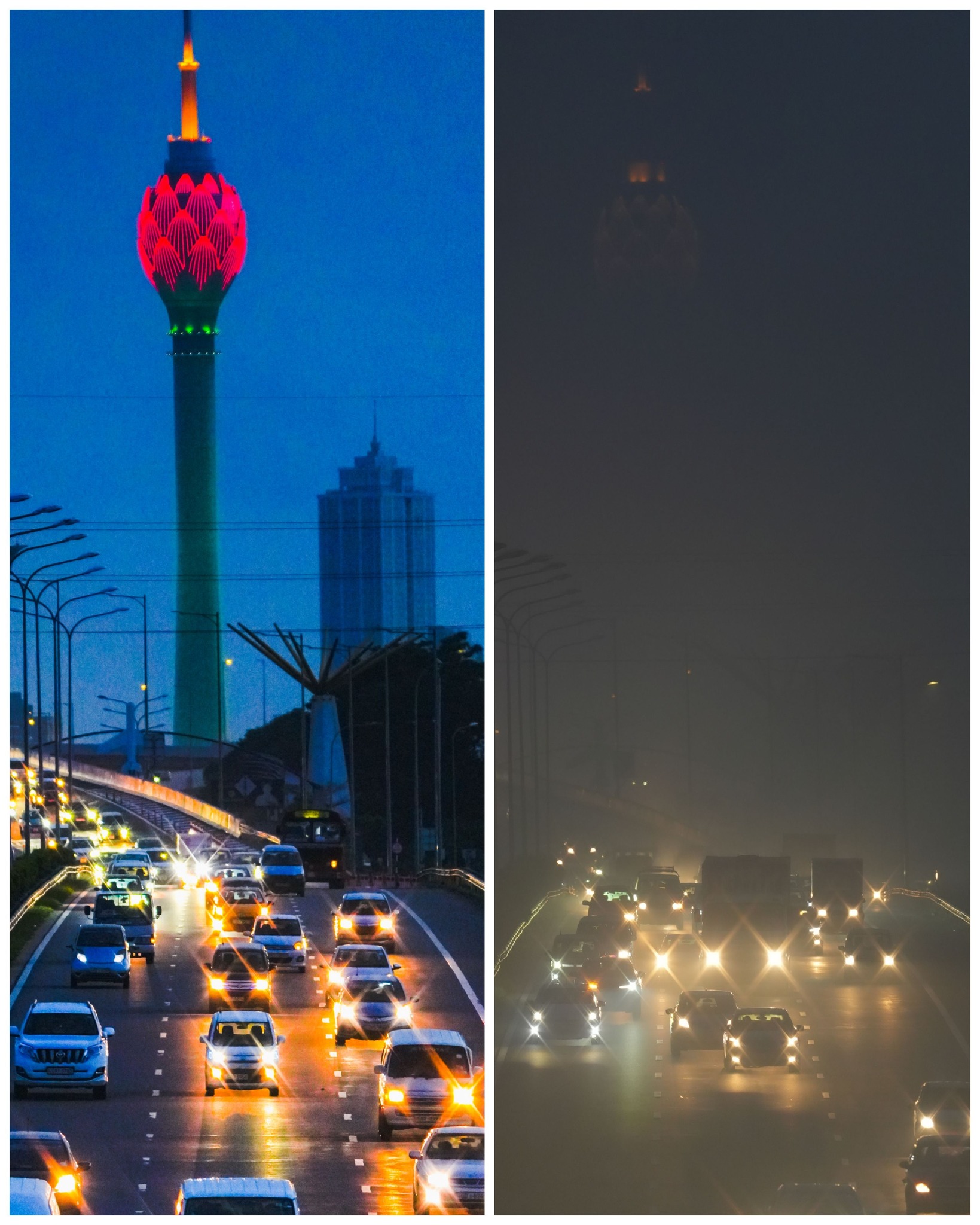
Oct. 05th, 2023 vs. Jan 29th, 2025 (Video evidence)
(Photo: "Then vs. Now" - Thilina Kaluthotage)
Current Situation and Impacts:
1. Public Health Crisis
- Neighboring countries are experiencing severe respiratory health issues
- Vulnerable populations, including children and elderly, are particularly affected
- Healthcare systems are being overwhelmed with respiratory cases
- Rising incidents of premature deaths and complications in infant births
2. Environmental Damage
- Dangerous levels of CO, NOx, SO2, and PM2.5 pollutants
- Formation of thick pollution layers blocking sunlight
- Occurrence of acid rain affecting agricultural productivity
- Severe impact on regional air quality and visibility
3. Economic Consequences
- Significant agricultural losses due to reduced sunlight and acid rain
- Decreased solar power generation efficiency
- Increased healthcare costs
- Reduced tourism due to poor air quality
- Impact on outdoor economic activities
Violations and Non-Compliance:
Despite being party to multiple international agreements including:
- Climate & Clean Air Coalition (CCAC) commitments
- United Nations Framework Convention on Climate Change (UNFCCC)
- Kyoto Protocol
- Montreal Protocol
India has failed to implement effective measures to control transboundary air pollution, violating the fundamental right of neighboring populations to clean air and a healthy environment.
Our Demands:
1. Immediate Intervention
- CCAC to establish an emergency response team to assess and address the current crisis
- Implementation of real-time monitoring systems across affected regions
- Development of an early warning system for neighboring countries
2. Enforcement Measures
- Create a binding framework for transboundary pollution control in South Asia
- Establish penalties for non-compliance with agreed emission reduction targets
- Implement regular independent audits of major pollution sources
3. Policy Reform
- Mandate stricter emission controls for Indian industrial facilities
- Require environmental impact assessments that consider transboundary effects
- Establish a regional air quality management framework
4. International Cooperation
- Promote the adoption of the Convention on Long-Range Transboundary Air Pollution (LRTAP) in South Asia
- Create a regional fund for air quality improvement initiatives
- Establish a multilateral task force for pollution control
5. Compensation Mechanism
- Develop a framework to assess and compensate for transboundary environmental damage
- Create a health impact compensation fund for affected populations
- Establish support mechanisms for affected agricultural communities
We urge the CCAC to take immediate action on this critical issue affecting millions of lives across South Asia. The current situation demands urgent intervention to protect public health, environmental stability, and economic security in the region.
Who is affected?
Every breath we take in South Asia is becoming increasingly toxic. Over 2 billion people across Nepal, Bangladesh, Sri Lanka, Pakistan, and other neighboring countries are being forced to inhale dangerous levels of air pollution originating from India's unchecked industrial emissions. In January 2025, we're experiencing unprecedented levels of toxic air, with children struggling to breathe, elderly people confined to their homes, and hospitals overwhelmed with respiratory cases. Farmers are watching their crops wither under skies darkened by pollution, while solar energy systems - our path to clean energy - are operating at reduced capacity due to blocked sunlight. This isn't just India's problem anymore - it's a humanitarian crisis affecting every person in South Asia.
What is at stake?
If immediate action isn't taken, we face a future where clean air becomes a luxury our children may never know. The toxic cocktail of Carbon Monoxide, Nitrogen Oxides, Sulfur Dioxide, and dangerous particulate matter (PM2.5) is not just causing immediate health issues - it's potentially altering the genetic future of our region. Our economies are suffering as agricultural yields decrease, healthcare costs skyrocket, and renewable energy investments become less effective. Despite signing international agreements including the Climate & Clean Air Coalition (CCAC) in 2019 and promising a 30% reduction in air pollution by 2024, India has failed to take meaningful action. This isn't about pointing fingers - it's about survival.
Why is now the time to act?
January 2025 has seen air quality levels plummet to their worst recorded levels across South Asia, and the situation is only expected to worsen as India pursues aggressive industrialization to become the world's third-largest economy. We cannot wait for more children to develop respiratory diseases, more farmers to lose their livelihoods, or more lives to be cut short. The United Nations Environment Programme and the Climate & Clean Air Coalition must intervene now. India's development cannot come at the cost of an entire region's right to breathe. We need immediate implementation of cross-border pollution controls, compensation for affected communities, and a binding framework for regional air quality management. Every signature on this petition is a voice demanding our fundamental right to clean air.
Sign now - before taking a deep breath becomes a deadly risk.
Thank you.
Citizens of South Asian nations
Contact for correspondence: surakimulk@gmail.com
CC:
- Minister of Environment, Forest and Climate Change of India
- United Nations Environment Programme
- World Health Organization
- South Asian Association for Regional Cooperation (SAARC)
- Environmental Ministers of South Asian Nations

2,842
The Issue
Martina Otto
Head of Secretariat,
Climate & Clean Air Coalition (CCAC),
1 Rue Miollis, Building VII 75015,
Paris, France.
Urgent Action Required: Transboundary Air Pollution Crisis in South Asia
Dear Martina,
We, the undersigned citizens of South Asian nations, are writing to express our grave concern regarding the severe transboundary air pollution originating from India that is significantly impacting the health, environment, and economies of neighboring countries. As a key partner in the CCAC since 2019, India committed to reducing its air pollution by 30% by 2024. However, the situation has drastically deteriorated, reaching unprecedented levels in January 2025.
Oct. 05th, 2023 vs. Jan 29th, 2025 (Video evidence)
(Photo: "Then vs. Now" - Thilina Kaluthotage)
Current Situation and Impacts:
1. Public Health Crisis
- Neighboring countries are experiencing severe respiratory health issues
- Vulnerable populations, including children and elderly, are particularly affected
- Healthcare systems are being overwhelmed with respiratory cases
- Rising incidents of premature deaths and complications in infant births
2. Environmental Damage
- Dangerous levels of CO, NOx, SO2, and PM2.5 pollutants
- Formation of thick pollution layers blocking sunlight
- Occurrence of acid rain affecting agricultural productivity
- Severe impact on regional air quality and visibility
3. Economic Consequences
- Significant agricultural losses due to reduced sunlight and acid rain
- Decreased solar power generation efficiency
- Increased healthcare costs
- Reduced tourism due to poor air quality
- Impact on outdoor economic activities
Violations and Non-Compliance:
Despite being party to multiple international agreements including:
- Climate & Clean Air Coalition (CCAC) commitments
- United Nations Framework Convention on Climate Change (UNFCCC)
- Kyoto Protocol
- Montreal Protocol
India has failed to implement effective measures to control transboundary air pollution, violating the fundamental right of neighboring populations to clean air and a healthy environment.
Our Demands:
1. Immediate Intervention
- CCAC to establish an emergency response team to assess and address the current crisis
- Implementation of real-time monitoring systems across affected regions
- Development of an early warning system for neighboring countries
2. Enforcement Measures
- Create a binding framework for transboundary pollution control in South Asia
- Establish penalties for non-compliance with agreed emission reduction targets
- Implement regular independent audits of major pollution sources
3. Policy Reform
- Mandate stricter emission controls for Indian industrial facilities
- Require environmental impact assessments that consider transboundary effects
- Establish a regional air quality management framework
4. International Cooperation
- Promote the adoption of the Convention on Long-Range Transboundary Air Pollution (LRTAP) in South Asia
- Create a regional fund for air quality improvement initiatives
- Establish a multilateral task force for pollution control
5. Compensation Mechanism
- Develop a framework to assess and compensate for transboundary environmental damage
- Create a health impact compensation fund for affected populations
- Establish support mechanisms for affected agricultural communities
We urge the CCAC to take immediate action on this critical issue affecting millions of lives across South Asia. The current situation demands urgent intervention to protect public health, environmental stability, and economic security in the region.
Who is affected?
Every breath we take in South Asia is becoming increasingly toxic. Over 2 billion people across Nepal, Bangladesh, Sri Lanka, Pakistan, and other neighboring countries are being forced to inhale dangerous levels of air pollution originating from India's unchecked industrial emissions. In January 2025, we're experiencing unprecedented levels of toxic air, with children struggling to breathe, elderly people confined to their homes, and hospitals overwhelmed with respiratory cases. Farmers are watching their crops wither under skies darkened by pollution, while solar energy systems - our path to clean energy - are operating at reduced capacity due to blocked sunlight. This isn't just India's problem anymore - it's a humanitarian crisis affecting every person in South Asia.
What is at stake?
If immediate action isn't taken, we face a future where clean air becomes a luxury our children may never know. The toxic cocktail of Carbon Monoxide, Nitrogen Oxides, Sulfur Dioxide, and dangerous particulate matter (PM2.5) is not just causing immediate health issues - it's potentially altering the genetic future of our region. Our economies are suffering as agricultural yields decrease, healthcare costs skyrocket, and renewable energy investments become less effective. Despite signing international agreements including the Climate & Clean Air Coalition (CCAC) in 2019 and promising a 30% reduction in air pollution by 2024, India has failed to take meaningful action. This isn't about pointing fingers - it's about survival.
Why is now the time to act?
January 2025 has seen air quality levels plummet to their worst recorded levels across South Asia, and the situation is only expected to worsen as India pursues aggressive industrialization to become the world's third-largest economy. We cannot wait for more children to develop respiratory diseases, more farmers to lose their livelihoods, or more lives to be cut short. The United Nations Environment Programme and the Climate & Clean Air Coalition must intervene now. India's development cannot come at the cost of an entire region's right to breathe. We need immediate implementation of cross-border pollution controls, compensation for affected communities, and a binding framework for regional air quality management. Every signature on this petition is a voice demanding our fundamental right to clean air.
Sign now - before taking a deep breath becomes a deadly risk.
Thank you.
Citizens of South Asian nations
Contact for correspondence: surakimulk@gmail.com
CC:
- Minister of Environment, Forest and Climate Change of India
- United Nations Environment Programme
- World Health Organization
- South Asian Association for Regional Cooperation (SAARC)
- Environmental Ministers of South Asian Nations
The Decision Makers

Petition Updates
Share this petition
Petition created on 29 January 2025