
Dignity at the Register: End the Cruel and Contradictory Rules Trapping EBT Families
Dignity at the Register: End the Cruel and Contradictory Rules Trapping EBT Families
The Issue
A Quiet Moment at the Counter
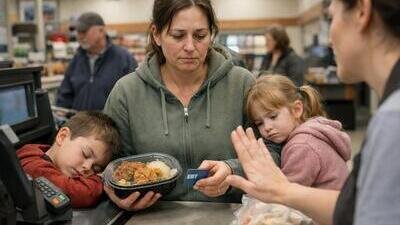
It’s the end of a fourteen-hour day. Your feet ache, your shoulders are heavy, and all you want is to feed your family and get them to bed. You don’t have the time or energy to cook. You just need one moment of relief — a hot, ready-made meal from the grocery deli.
You get to the register. Your kids are tired. The line is growing. You swipe your EBT card.
Then comes that loud, devastating beep.
The cashier isn’t unkind — just tired of enforcing a rule that doesn’t make sense.
“EBT won’t work for that,” they say.
“But the cold ones from the case over there will go through.”
In seconds, a basic human need becomes a public humiliation. You’re forced into a walk of shame with everyone in line watching, then another long wait just to try again.
Hundreds of thousands of Americans using SNAP/EBT face situations like this every day. The system assumes every family has a stable home, working appliances, and time to cook every meal from scratch. Many don’t — and instead of adapting, the system punishes them.
While the federal government continues to ban hot prepared foods, states are now using USDA-approved waivers to restrict what people can buy — banning items like candy, soda, energy drinks, and other everyday groceries in places like Texas and Louisiana. Instead of giving families practical tools to feed themselves with dignity, the rules layer restriction on top of restriction.
It’s a double bind.
“You have to cook at home.”
“You can’t choose your own groceries.”
This isn’t nutrition policy. It’s control.
The Real-World Impact
It hits hardest for shift workers coming off long days, single parents with no time to cook, people in apartments without full kitchens, disabled individuals, and anyone experiencing housing instability.
- Checkout Shame: Families are embarrassed when items are rejected by an outdated law and an algorithm. Cashiers become unwilling gatekeepers.
- Wasted Public Money: States spend millions building software to block certain foods — money that could actually expand access to fresh, affordable groceries.
- Punishment of the Vulnerable: Working parents, elderly shoppers, disabled individuals, and people without kitchens are hit the hardest.
We are trapping our most vulnerable citizens in a system designed to help them, but in practice enforces limitations that punish them.
Our Demands
We call on the USDA and State Governors to modernize EBT and restore dignity at the register:
1. End the Hot Food Ban Nationwide
A meal shouldn’t become “illegal” just because it’s warm.
2. Stop State-Level Basket Micromanagement
End arbitrary “Healthy Food Waivers” that restrict basic grocery choices.
3. Invest in Access, Not Restrictions
Redirect the wasted funds spent on tech filtering systems into real food access in underserved communities.
Dignity shouldn’t depend on your bank balance.
Sign this petition to help end the embarrassment, end the double bind, and bring basic respect back to the checkout line.

48
The Issue
A Quiet Moment at the Counter
It’s the end of a fourteen-hour day. Your feet ache, your shoulders are heavy, and all you want is to feed your family and get them to bed. You don’t have the time or energy to cook. You just need one moment of relief — a hot, ready-made meal from the grocery deli.
You get to the register. Your kids are tired. The line is growing. You swipe your EBT card.
Then comes that loud, devastating beep.
The cashier isn’t unkind — just tired of enforcing a rule that doesn’t make sense.
“EBT won’t work for that,” they say.
“But the cold ones from the case over there will go through.”
In seconds, a basic human need becomes a public humiliation. You’re forced into a walk of shame with everyone in line watching, then another long wait just to try again.
Hundreds of thousands of Americans using SNAP/EBT face situations like this every day. The system assumes every family has a stable home, working appliances, and time to cook every meal from scratch. Many don’t — and instead of adapting, the system punishes them.
While the federal government continues to ban hot prepared foods, states are now using USDA-approved waivers to restrict what people can buy — banning items like candy, soda, energy drinks, and other everyday groceries in places like Texas and Louisiana. Instead of giving families practical tools to feed themselves with dignity, the rules layer restriction on top of restriction.
It’s a double bind.
“You have to cook at home.”
“You can’t choose your own groceries.”
This isn’t nutrition policy. It’s control.
The Real-World Impact
It hits hardest for shift workers coming off long days, single parents with no time to cook, people in apartments without full kitchens, disabled individuals, and anyone experiencing housing instability.
- Checkout Shame: Families are embarrassed when items are rejected by an outdated law and an algorithm. Cashiers become unwilling gatekeepers.
- Wasted Public Money: States spend millions building software to block certain foods — money that could actually expand access to fresh, affordable groceries.
- Punishment of the Vulnerable: Working parents, elderly shoppers, disabled individuals, and people without kitchens are hit the hardest.
We are trapping our most vulnerable citizens in a system designed to help them, but in practice enforces limitations that punish them.
Our Demands
We call on the USDA and State Governors to modernize EBT and restore dignity at the register:
1. End the Hot Food Ban Nationwide
A meal shouldn’t become “illegal” just because it’s warm.
2. Stop State-Level Basket Micromanagement
End arbitrary “Healthy Food Waivers” that restrict basic grocery choices.
3. Invest in Access, Not Restrictions
Redirect the wasted funds spent on tech filtering systems into real food access in underserved communities.
Dignity shouldn’t depend on your bank balance.
Sign this petition to help end the embarrassment, end the double bind, and bring basic respect back to the checkout line.
48
The Decision Makers


Supporter Voices
Petition Updates
Share this petition
Petition created on June 12, 2026