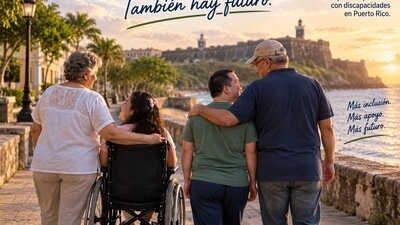

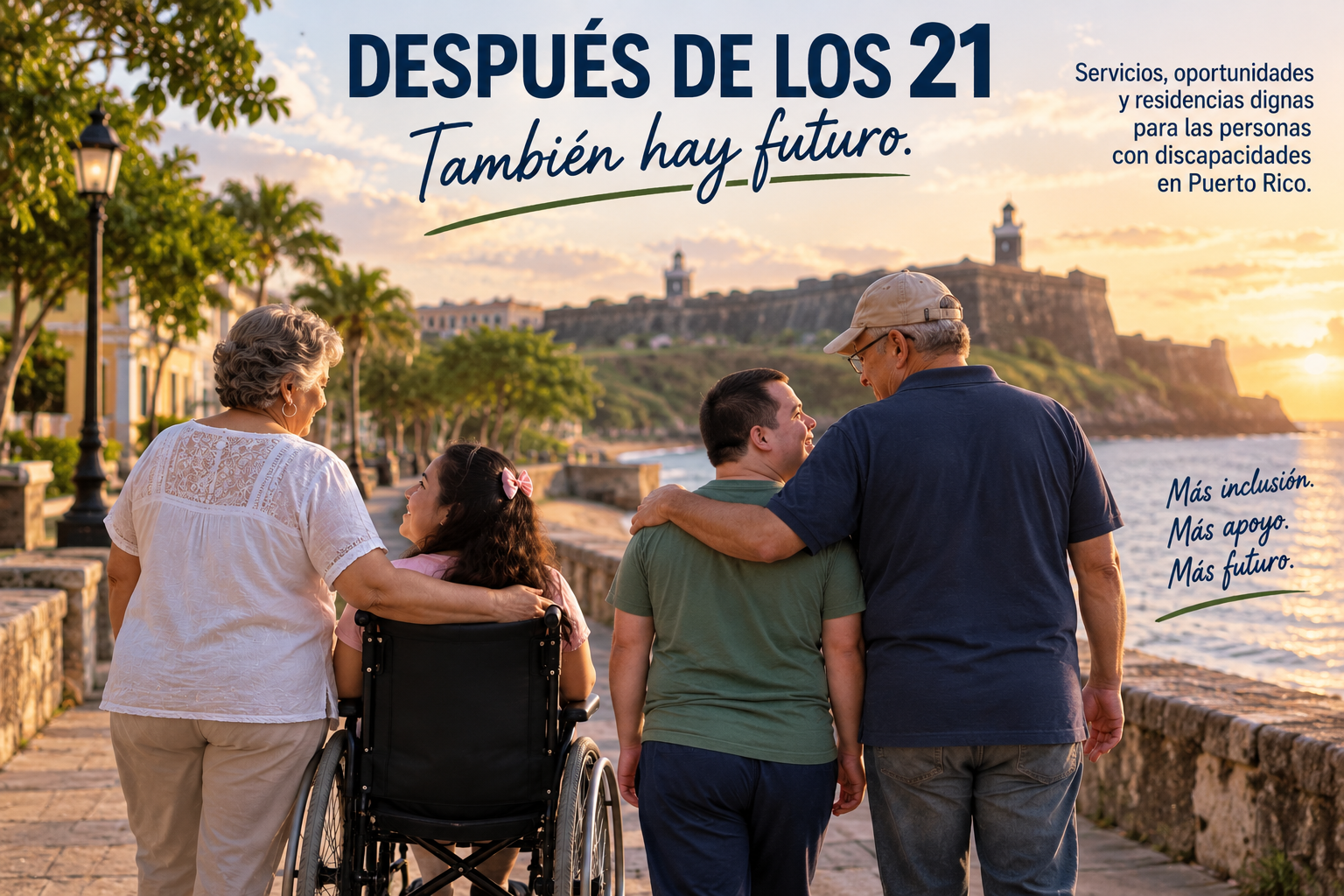
DESPUÉS DE LOS 21: UN FUTURO DIGNO PARA LAS PERSONAS CON DISCAPACIDADES
The Issue
English version below 🇺🇸
DESPUÉS DE LOS 21 AÑOS, LAS PERSONAS CON DISCAPACIDADES CONTINÚAN TENIENDO DERECHOS Y MERECEN UN FUTURO DIGNO
ES HORA DE FORTALECER Y CREAR LOS CENTROS, SERVICIOS Y RESIDENCIAS QUE ELLOS Y SUS FAMILIAS NECESITAN
Petición ciudadana de familias, cuidadores, personas con discapacidades, profesionales y defensores en Puerto Rico
Miles de familias puertorriqueñas vivimos con una pregunta que se hace más urgente con el paso de los años:
¿Qué ocurrirá con nuestros hijos cuando nosotros ya no podamos cuidarlos?
Al cumplir 21 años y concluir la etapa escolar, muchos jóvenes con autismo, discapacidad intelectual, síndrome de Down, condiciones neurológicas y otras discapacidades enfrentan una reducción significativa de programas, servicios y apoyos.
Sin embargo, sus necesidades no terminan a los 21 años. Tampoco terminan sus derechos.
Necesitan oportunidades para continuar aprendiendo, desarrollar destrezas, trabajar según sus capacidades, recibir terapias y atención médica, recrearse, participar en sus comunidades y, cuando sea necesario, contar con un lugar seguro y digno donde vivir con los apoyos adecuados.
UNA NECESIDAD QUE SEGUIRÁ CRECIENDO
En Puerto Rico se ha estimado que aproximadamente 21,500 adultos y 11,700 niños viven con un diagnóstico de Trastorno del Espectro Autista (TEA). A ellos se suman miles de personas con discapacidad intelectual, síndrome de Down, discapacidades múltiples y otras condiciones que pueden requerir distintos niveles de apoyo durante la adultez.
Cada año más jóvenes llegan a los 21 años. Al mismo tiempo, miles de padres, madres y cuidadores están envejeciendo.
Puerto Rico necesita planificar ahora para una realidad que ya está aquí.
La política pública establecida mediante la Ley 163-2024 reconoce la importancia de los servicios y apoyos para las personas con autismo a lo largo de su ciclo de vida. Es necesario convertir esa visión en alternativas suficientes y accesibles para las familias.
Además, Puerto Rico ya está sujeto a obligaciones bajo supervisión de la Corte Federal relacionadas con la protección de los derechos de personas adultas con discapacidad intelectual y otros trastornos del desarrollo atendidas por el sistema gubernamental correspondiente. El caso federal United States of America v. Commonwealth of Puerto Rico, Civil No. 99-1435, y su Joint Compliance Action Plan (JCAP) contemplan áreas como servicios y apoyos en la comunidad, actividades diurnas, capacidad de proveedores, salud y seguridad.
Esto confirma algo fundamental: al cumplir 21 años, los derechos y la necesidad de apoyos no desaparecen. Puerto Rico tiene la responsabilidad de continuar fortaleciendo y ampliando alternativas dignas para la vida adulta.
NO TENEMOS QUE COMENZAR DE CERO
Puerto Rico ya cuenta con instituciones y organizaciones que durante décadas han demostrado que es posible ofrecer servicios integrados y dignos a adultos con discapacidades.
Debemos fortalecer los modelos que funcionan, ampliar su capacidad y utilizar esa experiencia para desarrollar progresivamente alternativas similares en distintas regiones de Puerto Rico.
Proponemos una red de centros integrados que pueda incluir, según las necesidades de cada población:
Programas educativos y de desarrollo para adultos.
Talleres vocacionales, capacitación y empleo apoyado.
Terapias físicas, ocupacionales, del habla y conductuales.
Servicios psicológicos y de apoyo emocional.
Servicios médicos especializados.
Recreación, deportes y espacios multisensoriales.
Tecnología adaptativa y recursos de apoyo.
Áreas accesibles para actividades familiares y comunitarias.
Y, sobre todo, necesitamos comenzar a desarrollar algo que preocupa profundamente a miles de familias:
RESIDENCIAS PARA EL FUTURO
Necesitamos alternativas residenciales supervisadas, seguras e inclusivas para adultos que requieran apoyo cuando sus padres, familiares o cuidadores envejezcan, enfermen o ya no estén.
Estas residencias deben ofrecer apoyos de acuerdo con las necesidades de cada persona, promoviendo la mayor autonomía posible y respetando siempre su dignidad, preferencias y capacidades.
Ningún padre o madre debería llegar a la vejez preguntándose:
“¿Dónde vivirá mi hijo y quién lo cuidará cuando yo falte?”
Esta responsabilidad no puede recaer exclusivamente sobre las familias.
LO QUE SOLICITAMOS:
Solicitamos al Gobierno de Puerto Rico, la Asamblea Legislativa, los municipios y los sectores público, privado y sin fines de lucro trabajar conjuntamente para:
Fortalecer y ampliar los centros y programas que ya ofrecen servicios efectivos a adultos con discapacidades.
Desarrollar progresivamente centros regionales para ampliar el acceso a servicios en distintas partes de Puerto Rico.
Crear alternativas residenciales supervisadas y con apoyos para quienes las necesiten.
Fortalecer la transición después de los 21 años, incluyendo capacitación, empleo apoyado, salud, terapias, recreación y participación comunitaria.
Establecer un plan de largo plazo para atender el envejecimiento de las personas con discapacidades y de sus cuidadores.
Promover alianzas entre gobierno, municipios, universidades, organizaciones sin fines de lucro, fundaciones, empresas, familias y las propias personas con discapacidades.
PUERTO RICO PUEDE HACERLO
Puerto Rico ha demostrado que, cuando existe voluntad, es posible realizar importantes inversiones públicas para fortalecer la vivienda, la infraestructura y el bienestar de nuestras comunidades.
Esa misma visión de desarrollo puede y debe incluir a las personas con discapacidades y a sus familias.
Estamos proponiendo una inversión social de largo plazo que fortalecerá a nuestras familias, generará empleos, ampliará servicios y ofrecerá seguridad, oportunidades y dignidad a miles de ciudadanos puertorriqueños.
NUESTRO LLAMADO:
Nuestros hijos no dejan de existir cuando cumplen 21 años.
Sus necesidades continúan.
Sus talentos continúan.
Sus sueños continúan.
Sus derechos continúan.
Y cuando nosotros ya no podamos cuidarlos, Puerto Rico debe haber construido una respuesta.
Después de los 21 años también hay futuro.
Firma esta petición y ayúdanos a impulsar servicios, oportunidades y residencias dignas para las personas con discapacidades en Puerto Rico.
🇺🇸:
AFTER 21: A DIGNIFIED FUTURE FOR PEOPLE WITH DISABILITIES
AFTER AGE 21, PEOPLE WITH DISABILITIES CONTINUE TO HAVE RIGHTS AND DESERVE A DIGNIFIED FUTURE
IT IS TIME TO STRENGTHEN AND CREATE THE CENTERS, SERVICES, AND RESIDENTIAL OPTIONS THEY AND THEIR FAMILIES NEED
A citizens’ petition by families, caregivers, people with disabilities, professionals, and advocates in Puerto Rico
Thousands of Puerto Rican families live with a question that becomes more urgent with each passing year:
What will happen to our children when we are no longer able to care for them?
When they turn 21 and their school years come to an end, many young adults with autism, intellectual disabilities, Down syndrome, neurological conditions, and other disabilities face a significant reduction in programs, services, and supports.
However, their needs do not end at age 21. Neither do their rights.
They need opportunities to continue learning, develop skills, work according to their abilities, receive therapies and medical care, enjoy recreation, participate in their communities, and, when necessary, have a safe and dignified place to live with the appropriate supports.
A NEED THAT WILL CONTINUE TO GROW
In Puerto Rico, it has been estimated that approximately 21,500 adults and 11,700 children are diagnosed with Autism Spectrum Disorder (ASD). In addition, thousands of people live with intellectual disabilities, Down syndrome, multiple disabilities, and other conditions that may require varying levels of support throughout adulthood.
Every year, more young people turn 21. At the same time, thousands of parents and caregivers are growing older.
Puerto Rico must plan now for a reality that is already here.
The public policy established through Act 163-2024 recognizes the importance of services and supports for people with autism throughout their lifespan. That vision must be translated into sufficient and accessible options for families.
In addition, Puerto Rico is already subject to obligations under federal court supervision concerning the protection of the rights of adults with intellectual disabilities and other developmental disabilities who are served by the corresponding government system. The federal case United States of America v. Commonwealth of Puerto Rico, Civil No. 99-1435, and its Joint Compliance Action Plan (JCAP) address areas including community-based services and supports, daytime activities, provider capacity, health, and safety.
This confirms something fundamental: when a person turns 21, their rights and their need for support do not disappear. Puerto Rico has a responsibility to continue strengthening and expanding dignified alternatives for adult life.
WE DO NOT HAVE TO START FROM SCRATCH
Puerto Rico already has institutions and organizations that have demonstrated for decades that it is possible to provide comprehensive and dignified services to adults with disabilities.
We must strengthen the models that work, expand their capacity, and use that experience to progressively develop similar alternatives in different regions of Puerto Rico.
We propose a network of integrated centers that could include, according to the needs of each population:
Educational and developmental programs for adults.
Vocational workshops, job training, and supported employment.
Physical, occupational, speech, and behavioral therapies.
Psychological and emotional support services.
Specialized medical services.
Recreation, sports, and multisensory spaces.
Assistive technology and support resources.
Accessible areas for family and community activities.
And above all, we need to begin developing something that deeply concerns thousands of families:
RESIDENTIAL OPTIONS FOR THE FUTURE
We need supervised, safe, and inclusive residential options for adults who require support when their parents, relatives, or caregivers grow older, become ill, or are no longer there.
These residences should provide support according to each person’s individual needs, promote the greatest possible level of independence, and always respect their dignity, preferences, and abilities.
No parent should reach old age wondering:
“Where will my child live, and who will care for them when I am gone?”
This responsibility cannot fall exclusively on families.
WHAT WE ARE ASKING FOR
We call on the Government of Puerto Rico, the Legislative Assembly, municipalities, and the public, private, and nonprofit sectors to work together to:
Strengthen and expand the centers and programs that already provide effective services to adults with disabilities.
Progressively develop regional centers to expand access to services throughout Puerto Rico.
Create supervised and supported residential options for those who need them.
Strengthen the transition after age 21, including training, supported employment, healthcare, therapies, recreation, and community participation.
Establish a long-term plan to address the aging of people with disabilities and their caregivers.
Promote partnerships among government, municipalities, universities, nonprofit organizations, foundations, businesses, families, and people with disabilities themselves.
PUERTO RICO CAN DO IT
Puerto Rico has demonstrated that, when there is commitment, significant public investments can be made to strengthen housing, infrastructure, and the well-being of our communities.
That same vision for development can and should include people with disabilities and their families.
We are proposing a long-term social investment that will strengthen our families, create jobs, expand services, and provide security, opportunities, and dignity to thousands of Puerto Rican citizens.
OUR CALL
Our children do not cease to exist when they turn 21.
Their needs continue.
Their talents continue.
Their dreams continue.
Their rights continue.
And when we are no longer able to care for them, Puerto Rico must have built a response.
There is a future after age 21, too.
Sign this petition and help us advance services, opportunities, and dignified residential options for people with disabilities in Puerto Rico.
327
The Issue
English version below 🇺🇸
DESPUÉS DE LOS 21 AÑOS, LAS PERSONAS CON DISCAPACIDADES CONTINÚAN TENIENDO DERECHOS Y MERECEN UN FUTURO DIGNO
ES HORA DE FORTALECER Y CREAR LOS CENTROS, SERVICIOS Y RESIDENCIAS QUE ELLOS Y SUS FAMILIAS NECESITAN
Petición ciudadana de familias, cuidadores, personas con discapacidades, profesionales y defensores en Puerto Rico
Miles de familias puertorriqueñas vivimos con una pregunta que se hace más urgente con el paso de los años:
¿Qué ocurrirá con nuestros hijos cuando nosotros ya no podamos cuidarlos?
Al cumplir 21 años y concluir la etapa escolar, muchos jóvenes con autismo, discapacidad intelectual, síndrome de Down, condiciones neurológicas y otras discapacidades enfrentan una reducción significativa de programas, servicios y apoyos.
Sin embargo, sus necesidades no terminan a los 21 años. Tampoco terminan sus derechos.
Necesitan oportunidades para continuar aprendiendo, desarrollar destrezas, trabajar según sus capacidades, recibir terapias y atención médica, recrearse, participar en sus comunidades y, cuando sea necesario, contar con un lugar seguro y digno donde vivir con los apoyos adecuados.
UNA NECESIDAD QUE SEGUIRÁ CRECIENDO
En Puerto Rico se ha estimado que aproximadamente 21,500 adultos y 11,700 niños viven con un diagnóstico de Trastorno del Espectro Autista (TEA). A ellos se suman miles de personas con discapacidad intelectual, síndrome de Down, discapacidades múltiples y otras condiciones que pueden requerir distintos niveles de apoyo durante la adultez.
Cada año más jóvenes llegan a los 21 años. Al mismo tiempo, miles de padres, madres y cuidadores están envejeciendo.
Puerto Rico necesita planificar ahora para una realidad que ya está aquí.
La política pública establecida mediante la Ley 163-2024 reconoce la importancia de los servicios y apoyos para las personas con autismo a lo largo de su ciclo de vida. Es necesario convertir esa visión en alternativas suficientes y accesibles para las familias.
Además, Puerto Rico ya está sujeto a obligaciones bajo supervisión de la Corte Federal relacionadas con la protección de los derechos de personas adultas con discapacidad intelectual y otros trastornos del desarrollo atendidas por el sistema gubernamental correspondiente. El caso federal United States of America v. Commonwealth of Puerto Rico, Civil No. 99-1435, y su Joint Compliance Action Plan (JCAP) contemplan áreas como servicios y apoyos en la comunidad, actividades diurnas, capacidad de proveedores, salud y seguridad.
Esto confirma algo fundamental: al cumplir 21 años, los derechos y la necesidad de apoyos no desaparecen. Puerto Rico tiene la responsabilidad de continuar fortaleciendo y ampliando alternativas dignas para la vida adulta.
NO TENEMOS QUE COMENZAR DE CERO
Puerto Rico ya cuenta con instituciones y organizaciones que durante décadas han demostrado que es posible ofrecer servicios integrados y dignos a adultos con discapacidades.
Debemos fortalecer los modelos que funcionan, ampliar su capacidad y utilizar esa experiencia para desarrollar progresivamente alternativas similares en distintas regiones de Puerto Rico.
Proponemos una red de centros integrados que pueda incluir, según las necesidades de cada población:
Programas educativos y de desarrollo para adultos.
Talleres vocacionales, capacitación y empleo apoyado.
Terapias físicas, ocupacionales, del habla y conductuales.
Servicios psicológicos y de apoyo emocional.
Servicios médicos especializados.
Recreación, deportes y espacios multisensoriales.
Tecnología adaptativa y recursos de apoyo.
Áreas accesibles para actividades familiares y comunitarias.
Y, sobre todo, necesitamos comenzar a desarrollar algo que preocupa profundamente a miles de familias:
RESIDENCIAS PARA EL FUTURO
Necesitamos alternativas residenciales supervisadas, seguras e inclusivas para adultos que requieran apoyo cuando sus padres, familiares o cuidadores envejezcan, enfermen o ya no estén.
Estas residencias deben ofrecer apoyos de acuerdo con las necesidades de cada persona, promoviendo la mayor autonomía posible y respetando siempre su dignidad, preferencias y capacidades.
Ningún padre o madre debería llegar a la vejez preguntándose:
“¿Dónde vivirá mi hijo y quién lo cuidará cuando yo falte?”
Esta responsabilidad no puede recaer exclusivamente sobre las familias.
LO QUE SOLICITAMOS:
Solicitamos al Gobierno de Puerto Rico, la Asamblea Legislativa, los municipios y los sectores público, privado y sin fines de lucro trabajar conjuntamente para:
Fortalecer y ampliar los centros y programas que ya ofrecen servicios efectivos a adultos con discapacidades.
Desarrollar progresivamente centros regionales para ampliar el acceso a servicios en distintas partes de Puerto Rico.
Crear alternativas residenciales supervisadas y con apoyos para quienes las necesiten.
Fortalecer la transición después de los 21 años, incluyendo capacitación, empleo apoyado, salud, terapias, recreación y participación comunitaria.
Establecer un plan de largo plazo para atender el envejecimiento de las personas con discapacidades y de sus cuidadores.
Promover alianzas entre gobierno, municipios, universidades, organizaciones sin fines de lucro, fundaciones, empresas, familias y las propias personas con discapacidades.
PUERTO RICO PUEDE HACERLO
Puerto Rico ha demostrado que, cuando existe voluntad, es posible realizar importantes inversiones públicas para fortalecer la vivienda, la infraestructura y el bienestar de nuestras comunidades.
Esa misma visión de desarrollo puede y debe incluir a las personas con discapacidades y a sus familias.
Estamos proponiendo una inversión social de largo plazo que fortalecerá a nuestras familias, generará empleos, ampliará servicios y ofrecerá seguridad, oportunidades y dignidad a miles de ciudadanos puertorriqueños.
NUESTRO LLAMADO:
Nuestros hijos no dejan de existir cuando cumplen 21 años.
Sus necesidades continúan.
Sus talentos continúan.
Sus sueños continúan.
Sus derechos continúan.
Y cuando nosotros ya no podamos cuidarlos, Puerto Rico debe haber construido una respuesta.
Después de los 21 años también hay futuro.
Firma esta petición y ayúdanos a impulsar servicios, oportunidades y residencias dignas para las personas con discapacidades en Puerto Rico.
🇺🇸:
AFTER 21: A DIGNIFIED FUTURE FOR PEOPLE WITH DISABILITIES
AFTER AGE 21, PEOPLE WITH DISABILITIES CONTINUE TO HAVE RIGHTS AND DESERVE A DIGNIFIED FUTURE
IT IS TIME TO STRENGTHEN AND CREATE THE CENTERS, SERVICES, AND RESIDENTIAL OPTIONS THEY AND THEIR FAMILIES NEED
A citizens’ petition by families, caregivers, people with disabilities, professionals, and advocates in Puerto Rico
Thousands of Puerto Rican families live with a question that becomes more urgent with each passing year:
What will happen to our children when we are no longer able to care for them?
When they turn 21 and their school years come to an end, many young adults with autism, intellectual disabilities, Down syndrome, neurological conditions, and other disabilities face a significant reduction in programs, services, and supports.
However, their needs do not end at age 21. Neither do their rights.
They need opportunities to continue learning, develop skills, work according to their abilities, receive therapies and medical care, enjoy recreation, participate in their communities, and, when necessary, have a safe and dignified place to live with the appropriate supports.
A NEED THAT WILL CONTINUE TO GROW
In Puerto Rico, it has been estimated that approximately 21,500 adults and 11,700 children are diagnosed with Autism Spectrum Disorder (ASD). In addition, thousands of people live with intellectual disabilities, Down syndrome, multiple disabilities, and other conditions that may require varying levels of support throughout adulthood.
Every year, more young people turn 21. At the same time, thousands of parents and caregivers are growing older.
Puerto Rico must plan now for a reality that is already here.
The public policy established through Act 163-2024 recognizes the importance of services and supports for people with autism throughout their lifespan. That vision must be translated into sufficient and accessible options for families.
In addition, Puerto Rico is already subject to obligations under federal court supervision concerning the protection of the rights of adults with intellectual disabilities and other developmental disabilities who are served by the corresponding government system. The federal case United States of America v. Commonwealth of Puerto Rico, Civil No. 99-1435, and its Joint Compliance Action Plan (JCAP) address areas including community-based services and supports, daytime activities, provider capacity, health, and safety.
This confirms something fundamental: when a person turns 21, their rights and their need for support do not disappear. Puerto Rico has a responsibility to continue strengthening and expanding dignified alternatives for adult life.
WE DO NOT HAVE TO START FROM SCRATCH
Puerto Rico already has institutions and organizations that have demonstrated for decades that it is possible to provide comprehensive and dignified services to adults with disabilities.
We must strengthen the models that work, expand their capacity, and use that experience to progressively develop similar alternatives in different regions of Puerto Rico.
We propose a network of integrated centers that could include, according to the needs of each population:
Educational and developmental programs for adults.
Vocational workshops, job training, and supported employment.
Physical, occupational, speech, and behavioral therapies.
Psychological and emotional support services.
Specialized medical services.
Recreation, sports, and multisensory spaces.
Assistive technology and support resources.
Accessible areas for family and community activities.
And above all, we need to begin developing something that deeply concerns thousands of families:
RESIDENTIAL OPTIONS FOR THE FUTURE
We need supervised, safe, and inclusive residential options for adults who require support when their parents, relatives, or caregivers grow older, become ill, or are no longer there.
These residences should provide support according to each person’s individual needs, promote the greatest possible level of independence, and always respect their dignity, preferences, and abilities.
No parent should reach old age wondering:
“Where will my child live, and who will care for them when I am gone?”
This responsibility cannot fall exclusively on families.
WHAT WE ARE ASKING FOR
We call on the Government of Puerto Rico, the Legislative Assembly, municipalities, and the public, private, and nonprofit sectors to work together to:
Strengthen and expand the centers and programs that already provide effective services to adults with disabilities.
Progressively develop regional centers to expand access to services throughout Puerto Rico.
Create supervised and supported residential options for those who need them.
Strengthen the transition after age 21, including training, supported employment, healthcare, therapies, recreation, and community participation.
Establish a long-term plan to address the aging of people with disabilities and their caregivers.
Promote partnerships among government, municipalities, universities, nonprofit organizations, foundations, businesses, families, and people with disabilities themselves.
PUERTO RICO CAN DO IT
Puerto Rico has demonstrated that, when there is commitment, significant public investments can be made to strengthen housing, infrastructure, and the well-being of our communities.
That same vision for development can and should include people with disabilities and their families.
We are proposing a long-term social investment that will strengthen our families, create jobs, expand services, and provide security, opportunities, and dignity to thousands of Puerto Rican citizens.
OUR CALL
Our children do not cease to exist when they turn 21.
Their needs continue.
Their talents continue.
Their dreams continue.
Their rights continue.
And when we are no longer able to care for them, Puerto Rico must have built a response.
There is a future after age 21, too.
Sign this petition and help us advance services, opportunities, and dignified residential options for people with disabilities in Puerto Rico.
Supporter Voices
Petition Updates
Share this petition
Petition created on September 14, 2026