

Demand Justice: Strengthen the Animal Welfare Act and Stop Animal Cruelty
The Issue
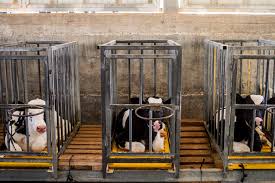
Animal cruelty is an egregious violation of moral and ethical standards around the world. This issue is particularly pressing in our communities where animals continue to suffer in silence without their plight being acknowledged or addressed effectively. From domestic pets being abandoned and abused, to wildlife hunted illegally, the spectrum of cruelty is vast and continues to grow at an alarming rate. It is essential for us as responsible members of the global community to take a stand against these atrocities.
According to the American Society for the Prevention of Cruelty to Animals (ASPCA), over 1 million animals are abused or killed due to domestic violence annually in the United States alone. This alarming statistic highlights the need for more stringent laws and community awareness programs to curb this inhumane treatment. Even more harrowing, the Humane Society International estimates that worldwide, hundreds of thousands of animals are victims of illegal poaching and trade every year.
To combat these issues, we propose the following actionable solutions:
- Implementing stricter animal welfare legislation at both state and federal levels to ensure violators are prosecuted to the fullest extent of the law.
- Increasing funding for animal control agencies and wildlife conservation efforts to better monitor and protect vulnerable species.
- Launching education campaigns in schools and communities to raise awareness about the importance of animal rights and welfare.
- Encouraging citizens to report any acts of cruelty witnessed in their communities by establishing anonymous reporting hotlines.
By coming together as a community, we can advocate for these necessary changes and work towards a future where animals are treated with the respect and care they deserve. Sign this petition to demand action from our local and national governments, urging them to prioritize animal welfare and put an end to cruelty. Let us be the voice for those who cannot speak for themselves. Together, we can make a difference.
Animal cruelty is the act of causing unnecessary pain, suffering, or harm to animals, either through direct abuse or neglect. It includes behaviors such as physical violence, abandonment, failure to provide food or medical care, and exploiting animals for entertainment or profit. Animals are living beings capable of feeling pain and fear, and mistreating them raises serious ethical concerns. Beyond harming animals, cruelty often reflects deeper social problems and has been linked to violent behavior toward humans. Preventing animal cruelty requires stronger laws, public awareness, and compassion toward all living creatures.
In the Philippines, several events have brought public attention to the issue of animal cruelty. Over the years, social media has exposed cases of dogs being beaten, abandoned, or killed, sparking outrage and calls for justice. One widely discussed incident involved a dog being dragged along a road, which led to nationwide condemnation and renewed discussions about responsible pet ownership. These events pushed authorities to enforce the Animal Welfare Act more strictly and encouraged animal rights groups to campaign for stronger protection laws. As a result, awareness about animal cruelty has grown, with more Filipinos speaking up, rescuing abused animals, and demanding accountability for those who harm them.
In the Philippines, incidents of animal cruelty have repeatedly surfaced and sparked public concern. Over the years, viral videos and photos shared online have shown animals—especially dogs and cats—being beaten, abandoned, or killed in cruel ways. One particularly alarming case involved a dog being tied and dragged along a busy road, causing severe injuries and public outrage. Such incidents led to protests, online campaigns, and demands for justice from animal welfare groups and ordinary citizens. These events highlighted the lack of awareness and enforcement of animal protection laws in some areas.
As a response, authorities and advocacy groups intensified efforts to promote the Animal Welfare Act and encourage responsible pet ownership. Some offenders were arrested or fined, sending a message that animal cruelty is a punishable crime. Shelters and rescue organizations also stepped up, saving abused animals and educating the public. Although animal cruelty cases still occur, these events have played a major role in raising awareness and pushing the country toward greater compassion and accountability for the treatment of animals.
One of the most high-profile and emotionally charged cases of animal cruelty in the Philippines is the killing of Killua, a three-year-old Golden Retriever, in Bato, Camarines Sur, in March 2024. The incident sparked a massive national outcry and the viral hashtag #JusticeForKillua after CCTV footage surfaced showing a man chasing the dog and striking it repeatedly with a piece of wood as it tried to escape, later finding its body stuffed inside a sack. While the suspect claimed he acted in self-defense, the brutality captured on video led to his indictment for animal cruelty under the Animal Welfare Act (RA 8485). This case remains a significant landmark in Philippine animal rights, as it forced a national conversation on the necessity of humane animal handling—even in cases where rabies is suspected—and catalyzed legislative efforts to increase the penalties for those who maltreat animals.
Animal cruelty in the Philippines is primarily governed by the Animal Welfare Act of 1998 (Republic Act No. 8485) and its significantly strengthened amendment, Republic Act No. 10631. These laws criminalize the torture, neglect, abandonment, and maltreatment of all animals, providing a graduated scale of penalties based on the severity of the harm: if an animal dies, the offender faces up to two years of imprisonment and a fine of ₱100,000; if the animal survives with severe injuries, the penalty is up to 1.5 years of prison and a ₱50,000 fine. As of 2026, enforcement has received a major boost with a new ₱10-million budget allocation specifically for the Animal Welfare Supervision and Accreditation Program, aimed at professionalizing inspections and supporting rescue shelters. Furthermore, the Philippine Congress is currently deliberating new measures, such as Senate Bill 2458 and House Bill 1746, which seek to create a dedicated Animal Welfare Bureau and further increase fines to ₱250,000 to serve as a more powerful deterrent against abuse.
The Solution
We are calling on the Philippine Congress and the Department of Agriculture to prioritize the protection of animals by passing the Revised Animal Welfare Act. We demand:
Higher Penalties: Increase the maximum fine to ₱250,000 and mandate a minimum of 3 years imprisonment for cases resulting in death.
Creation of an Animal Welfare Bureau: A dedicated agency with the power to investigate abuse cases and conduct surprise inspections of facilities.
Mandatory Education: Requiring animal welfare education in the K-12 curriculum to foster empathy in the next generation.
Faster Prosecution: Streamlining the process for filing cases so that pet owners and rescuers aren't discouraged by bureaucratic red tape.
Why it matters
Animal welfare is a reflection of our societal values. Studies show that individuals who commit acts of violence against animals are significantly more likely to commit violent crimes against humans. By protecting animals, we are building a safer, more compassionate Philippines for everyone.
Sign this petition today to tell our lawmakers: No more excuses. No more delays. Justice for those who have no voice!

1
The Issue
Animal cruelty is an egregious violation of moral and ethical standards around the world. This issue is particularly pressing in our communities where animals continue to suffer in silence without their plight being acknowledged or addressed effectively. From domestic pets being abandoned and abused, to wildlife hunted illegally, the spectrum of cruelty is vast and continues to grow at an alarming rate. It is essential for us as responsible members of the global community to take a stand against these atrocities.
According to the American Society for the Prevention of Cruelty to Animals (ASPCA), over 1 million animals are abused or killed due to domestic violence annually in the United States alone. This alarming statistic highlights the need for more stringent laws and community awareness programs to curb this inhumane treatment. Even more harrowing, the Humane Society International estimates that worldwide, hundreds of thousands of animals are victims of illegal poaching and trade every year.
To combat these issues, we propose the following actionable solutions:
- Implementing stricter animal welfare legislation at both state and federal levels to ensure violators are prosecuted to the fullest extent of the law.
- Increasing funding for animal control agencies and wildlife conservation efforts to better monitor and protect vulnerable species.
- Launching education campaigns in schools and communities to raise awareness about the importance of animal rights and welfare.
- Encouraging citizens to report any acts of cruelty witnessed in their communities by establishing anonymous reporting hotlines.
By coming together as a community, we can advocate for these necessary changes and work towards a future where animals are treated with the respect and care they deserve. Sign this petition to demand action from our local and national governments, urging them to prioritize animal welfare and put an end to cruelty. Let us be the voice for those who cannot speak for themselves. Together, we can make a difference.
Animal cruelty is the act of causing unnecessary pain, suffering, or harm to animals, either through direct abuse or neglect. It includes behaviors such as physical violence, abandonment, failure to provide food or medical care, and exploiting animals for entertainment or profit. Animals are living beings capable of feeling pain and fear, and mistreating them raises serious ethical concerns. Beyond harming animals, cruelty often reflects deeper social problems and has been linked to violent behavior toward humans. Preventing animal cruelty requires stronger laws, public awareness, and compassion toward all living creatures.
In the Philippines, several events have brought public attention to the issue of animal cruelty. Over the years, social media has exposed cases of dogs being beaten, abandoned, or killed, sparking outrage and calls for justice. One widely discussed incident involved a dog being dragged along a road, which led to nationwide condemnation and renewed discussions about responsible pet ownership. These events pushed authorities to enforce the Animal Welfare Act more strictly and encouraged animal rights groups to campaign for stronger protection laws. As a result, awareness about animal cruelty has grown, with more Filipinos speaking up, rescuing abused animals, and demanding accountability for those who harm them.
In the Philippines, incidents of animal cruelty have repeatedly surfaced and sparked public concern. Over the years, viral videos and photos shared online have shown animals—especially dogs and cats—being beaten, abandoned, or killed in cruel ways. One particularly alarming case involved a dog being tied and dragged along a busy road, causing severe injuries and public outrage. Such incidents led to protests, online campaigns, and demands for justice from animal welfare groups and ordinary citizens. These events highlighted the lack of awareness and enforcement of animal protection laws in some areas.
As a response, authorities and advocacy groups intensified efforts to promote the Animal Welfare Act and encourage responsible pet ownership. Some offenders were arrested or fined, sending a message that animal cruelty is a punishable crime. Shelters and rescue organizations also stepped up, saving abused animals and educating the public. Although animal cruelty cases still occur, these events have played a major role in raising awareness and pushing the country toward greater compassion and accountability for the treatment of animals.
One of the most high-profile and emotionally charged cases of animal cruelty in the Philippines is the killing of Killua, a three-year-old Golden Retriever, in Bato, Camarines Sur, in March 2024. The incident sparked a massive national outcry and the viral hashtag #JusticeForKillua after CCTV footage surfaced showing a man chasing the dog and striking it repeatedly with a piece of wood as it tried to escape, later finding its body stuffed inside a sack. While the suspect claimed he acted in self-defense, the brutality captured on video led to his indictment for animal cruelty under the Animal Welfare Act (RA 8485). This case remains a significant landmark in Philippine animal rights, as it forced a national conversation on the necessity of humane animal handling—even in cases where rabies is suspected—and catalyzed legislative efforts to increase the penalties for those who maltreat animals.
Animal cruelty in the Philippines is primarily governed by the Animal Welfare Act of 1998 (Republic Act No. 8485) and its significantly strengthened amendment, Republic Act No. 10631. These laws criminalize the torture, neglect, abandonment, and maltreatment of all animals, providing a graduated scale of penalties based on the severity of the harm: if an animal dies, the offender faces up to two years of imprisonment and a fine of ₱100,000; if the animal survives with severe injuries, the penalty is up to 1.5 years of prison and a ₱50,000 fine. As of 2026, enforcement has received a major boost with a new ₱10-million budget allocation specifically for the Animal Welfare Supervision and Accreditation Program, aimed at professionalizing inspections and supporting rescue shelters. Furthermore, the Philippine Congress is currently deliberating new measures, such as Senate Bill 2458 and House Bill 1746, which seek to create a dedicated Animal Welfare Bureau and further increase fines to ₱250,000 to serve as a more powerful deterrent against abuse.
The Solution
We are calling on the Philippine Congress and the Department of Agriculture to prioritize the protection of animals by passing the Revised Animal Welfare Act. We demand:
Higher Penalties: Increase the maximum fine to ₱250,000 and mandate a minimum of 3 years imprisonment for cases resulting in death.
Creation of an Animal Welfare Bureau: A dedicated agency with the power to investigate abuse cases and conduct surprise inspections of facilities.
Mandatory Education: Requiring animal welfare education in the K-12 curriculum to foster empathy in the next generation.
Faster Prosecution: Streamlining the process for filing cases so that pet owners and rescuers aren't discouraged by bureaucratic red tape.
Why it matters
Animal welfare is a reflection of our societal values. Studies show that individuals who commit acts of violence against animals are significantly more likely to commit violent crimes against humans. By protecting animals, we are building a safer, more compassionate Philippines for everyone.
Sign this petition today to tell our lawmakers: No more excuses. No more delays. Justice for those who have no voice!
The Decision Makers

Petition Updates
Share this petition
Petition created on February 4, 2026