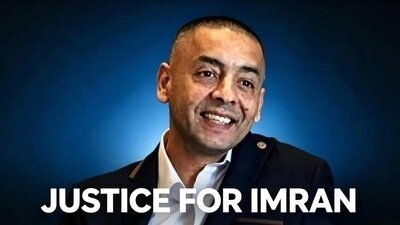

Demand answers for Imran Bashir's acquittal
The Issue
Demand Answers and Full Transparency Following the Death of Imran Bashir
A life has been lost. A family is grieving. Serious questions deserve clear answers.
On 4 February 2026, 50-year-old Imran Bashir was found unconscious at a property on Gladstone Street in Peterborough. He was pronounced dead at the scene.
Filippo Femminile was subsequently charged with murder and stood trial at Peterborough Crown Court. On 23 September 2026, a jury found him not guilty of murder.
Although the criminal proceedings have concluded, questions remain about the circumstances surrounding Imran’s death and the legal principles considered during the trial.
An acquittal marks the conclusion of criminal proceedings. It does not mean that legitimate questions about a person’s death must remain unanswered.
Remembering Imran – A Life That Mattered
Before discussing the legal proceedings, we must remember the person whose life was lost.
Imran Bashir was not simply a name in a newspaper headline or another case in a courtroom.
He was a deeply loved man, remembered by those who knew him for his kindness, generosity, warmth and wonderful sense of humour.
He was cheerful, friendly and good-hearted. He brought happiness and laughter to those around him and was generous towards others.
He had family who loved him, friends who cherished him and people whose lives were brighter because he was part of them.
His death has left an irreplaceable absence in the lives of those who knew and loved him.
Behind every headline is a human being. Behind every tragedy are people who must live with the loss long after the court proceedings have ended.
Imran deserves to be remembered not only for the circumstances of his death, but for the person he was, the kindness he showed and the happiness he brought to others.
Imran was loved. Imran mattered. His memory deserves dignity and respect.
How Can Multiple Stabbings Be Considered Self-Defence?
One of the most serious questions in any case involving fatal knife violence is how the law distinguishes necessary self-defence from excessive force.
If someone is stabbed repeatedly, how is the continued use of potentially lethal force assessed?
At what point can an act of self-defence become excessive force?
How do the number and location of injuries, the sequence of events and the possibility that a threat had already ended affect that assessment?
We ask for clarification about what evidence concerning Imran’s injuries was presented at trial and how the applicable legal principles were explained to the jury.
We also seek to understand how the law assesses the necessity and reasonableness of lethal force in circumstances involving a knife.
These questions are not an allegation that the jury acted improperly. They concern the legal distinction between reasonable self-defence and excessive force, and what can lawfully be explained about its application during the proceedings.
Questions Surrounding Imran’s Death
There are important questions that deserve consideration:
What evidence was presented concerning the events leading up to the fatal incident?
What evidence was presented concerning the threat perceived by those involved?
What medical and forensic evidence concerning Imran’s injuries was presented during the trial?
What evidence was presented concerning the sequence of events and the actions taken immediately after the incident?
How were the legal principles of self-defence explained to the jury?
What information about the investigation and prosecution can lawfully be disclosed?
We recognise that juries in England and Wales do not ordinarily provide detailed written reasons for their verdicts.
Nevertheless, the relevant authorities can explain the applicable law, the prosecution process and what information may legally be provided to the family and the public.
Our Requests to the Authorities
We call upon Cambridgeshire Police and the Crown Prosecution Service to:
Provide clear answers to Imran’s family. Offer a comprehensive explanation of the criminal proceedings, the prosecution’s case and the outcome, within the limits of the law.
Clarify the role of self-defence. Explain the relevant legal principles, including how necessity and reasonable force are assessed in cases involving potentially lethal violence.
Address questions about the injuries and forensic evidence. Clarify what evidence concerning the nature and extent of Imran’s injuries was presented at trial and what information can lawfully be shared.
Explain the available legal options. Clarify whether any lawful avenues for further examination remain available and under what circumstances credible new evidence could justify further action.
Support the family. Ensure that Imran’s loved ones have meaningful opportunities to ask questions, raise outstanding concerns and receive appropriate information and support.
Provide a public response. Explain what information can lawfully be disclosed to address the questions raised by this petition and any outstanding concerns within the community.
A Court Verdict Does Not Erase the Loss
We recognise the importance of the legal process, the independence of the jury and the rights of everyone involved.
This petition does not seek to replace a court verdict with public opinion.
It seeks transparency, clarity and proper consideration of any credible new evidence.
A criminal trial may conclude, but the grief experienced by those left behind does not end with a verdict.
Imran’s family must continue living with his absence. His friends must continue without someone who brought kindness, friendship and laughter into their lives.
No legal process can bring Imran back. However, the information that can lawfully be provided should be made accessible to those most deeply affected by his death.
His life should never be reduced to a case number, a court judgment or a newspaper headline.
He was a loved human being whose memory deserves dignity.
We ask the relevant authorities to respond to these concerns, explain what further steps, if any, remain legally available, and provide the greatest transparency permitted by law.
Imran Bashir will be remembered for the life he lived, the love he shared and the people whose lives he touched.

268
The Issue
Demand Answers and Full Transparency Following the Death of Imran Bashir
A life has been lost. A family is grieving. Serious questions deserve clear answers.
On 4 February 2026, 50-year-old Imran Bashir was found unconscious at a property on Gladstone Street in Peterborough. He was pronounced dead at the scene.
Filippo Femminile was subsequently charged with murder and stood trial at Peterborough Crown Court. On 23 September 2026, a jury found him not guilty of murder.
Although the criminal proceedings have concluded, questions remain about the circumstances surrounding Imran’s death and the legal principles considered during the trial.
An acquittal marks the conclusion of criminal proceedings. It does not mean that legitimate questions about a person’s death must remain unanswered.
Remembering Imran – A Life That Mattered
Before discussing the legal proceedings, we must remember the person whose life was lost.
Imran Bashir was not simply a name in a newspaper headline or another case in a courtroom.
He was a deeply loved man, remembered by those who knew him for his kindness, generosity, warmth and wonderful sense of humour.
He was cheerful, friendly and good-hearted. He brought happiness and laughter to those around him and was generous towards others.
He had family who loved him, friends who cherished him and people whose lives were brighter because he was part of them.
His death has left an irreplaceable absence in the lives of those who knew and loved him.
Behind every headline is a human being. Behind every tragedy are people who must live with the loss long after the court proceedings have ended.
Imran deserves to be remembered not only for the circumstances of his death, but for the person he was, the kindness he showed and the happiness he brought to others.
Imran was loved. Imran mattered. His memory deserves dignity and respect.
How Can Multiple Stabbings Be Considered Self-Defence?
One of the most serious questions in any case involving fatal knife violence is how the law distinguishes necessary self-defence from excessive force.
If someone is stabbed repeatedly, how is the continued use of potentially lethal force assessed?
At what point can an act of self-defence become excessive force?
How do the number and location of injuries, the sequence of events and the possibility that a threat had already ended affect that assessment?
We ask for clarification about what evidence concerning Imran’s injuries was presented at trial and how the applicable legal principles were explained to the jury.
We also seek to understand how the law assesses the necessity and reasonableness of lethal force in circumstances involving a knife.
These questions are not an allegation that the jury acted improperly. They concern the legal distinction between reasonable self-defence and excessive force, and what can lawfully be explained about its application during the proceedings.
Questions Surrounding Imran’s Death
There are important questions that deserve consideration:
What evidence was presented concerning the events leading up to the fatal incident?
What evidence was presented concerning the threat perceived by those involved?
What medical and forensic evidence concerning Imran’s injuries was presented during the trial?
What evidence was presented concerning the sequence of events and the actions taken immediately after the incident?
How were the legal principles of self-defence explained to the jury?
What information about the investigation and prosecution can lawfully be disclosed?
We recognise that juries in England and Wales do not ordinarily provide detailed written reasons for their verdicts.
Nevertheless, the relevant authorities can explain the applicable law, the prosecution process and what information may legally be provided to the family and the public.
Our Requests to the Authorities
We call upon Cambridgeshire Police and the Crown Prosecution Service to:
Provide clear answers to Imran’s family. Offer a comprehensive explanation of the criminal proceedings, the prosecution’s case and the outcome, within the limits of the law.
Clarify the role of self-defence. Explain the relevant legal principles, including how necessity and reasonable force are assessed in cases involving potentially lethal violence.
Address questions about the injuries and forensic evidence. Clarify what evidence concerning the nature and extent of Imran’s injuries was presented at trial and what information can lawfully be shared.
Explain the available legal options. Clarify whether any lawful avenues for further examination remain available and under what circumstances credible new evidence could justify further action.
Support the family. Ensure that Imran’s loved ones have meaningful opportunities to ask questions, raise outstanding concerns and receive appropriate information and support.
Provide a public response. Explain what information can lawfully be disclosed to address the questions raised by this petition and any outstanding concerns within the community.
A Court Verdict Does Not Erase the Loss
We recognise the importance of the legal process, the independence of the jury and the rights of everyone involved.
This petition does not seek to replace a court verdict with public opinion.
It seeks transparency, clarity and proper consideration of any credible new evidence.
A criminal trial may conclude, but the grief experienced by those left behind does not end with a verdict.
Imran’s family must continue living with his absence. His friends must continue without someone who brought kindness, friendship and laughter into their lives.
No legal process can bring Imran back. However, the information that can lawfully be provided should be made accessible to those most deeply affected by his death.
His life should never be reduced to a case number, a court judgment or a newspaper headline.
He was a loved human being whose memory deserves dignity.
We ask the relevant authorities to respond to these concerns, explain what further steps, if any, remain legally available, and provide the greatest transparency permitted by law.
Imran Bashir will be remembered for the life he lived, the love he shared and the people whose lives he touched.
The Decision Makers

Supporter Voices
Petition Updates
Share this petition
Petition created on 26 September 2026