
Demand Answers, Action and Support for St. Catharines Flood Victims
The Issue
The catastrophic flooding that struck St. Catharines and communities across Niagara twice in five days has left residents facing devastating losses, major financial burdens and difficult questions.
What happened? Could some of the damage have been prevented or reduced? And what must be done to ensure this does not happen again at this scale?
We are calling on the City of St. Catharines and other relevant stakeholders to:
- Investigate and explain what happened, including what infrastructure factors contributed to the scale of flooding and whether any damage could have reasonably been reduced.
- Act on what is learned, through a Flood Resilience Action Plan, targeted infrastructure improvements, stronger preparedness and direct communication with at-risk residents.
- Provide meaningful support to residents affected by the floods, including financial assistance for significant losses that cannot reasonably be recovered through insurance or other existing programs.
These are practical steps that will benefit the entire community.
Please sign this petition and share it with others.
Why action is needed
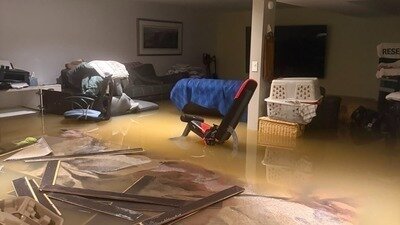
For affected families, the disaster did not end when the water receded. Hundreds of homes were filled with sewage-contaminated water, possessions were destroyed and many residents now face tens of thousands of dollars in cleanup and rebuilding costs.
Many households do not have adequate insurance coverage for this type of loss. Seniors and lower-income residents are particularly vulnerable. Flood risk can also affect property values and insurance premiums, creating costs that extend beyond those whose homes were directly damaged in these events.
Every major rainfall now brings renewed anxiety for residents who have already been flooded.
No government can prevent extreme weather. But governments can identify vulnerabilities, reduce avoidable damage and make informed investments to better protect their communities.
We need to know what happened
St. Catharines' 2025 Asset Management Plan recognizes that more frequent and intense storms can increase flood risk. It also distinguishes the physical condition of infrastructure from its capacity and level of service.
Infrastructure can be in good physical condition while still being inadequate to handle higher volumes of water. Notably, St. Catharines’ sewer system has a high proportion of combined systems, allowing stormwater to enter pipes that can contain wastewater.
We deserve answers, practical solutions and meaningful support
Answers
- Commission an independent engineering review of the July 28 and August 2 floods.
The review should determine what happened, which areas of the city were particularly vulnerable, what risks had previously been identified and what overflow mitigation measures were in place.
Its findings should be made public. - Publish a public flood-risk assessment identifying flood-risk areas, using engineering analysis, hydraulic modelling and information from these events.
Residents in at-risk areas should be informed about their risks and what they can do to reduce potential damage.
Solutions
- Develop and implement a Flood Resilience Action Plan.
The plan should prioritize stormwater and wastewater capacity, drainage, sewer separation and other solutions identified through the review.
The City should publicly identify what will be prioritized, why, expected costs and timelines.
Support
- Ensure immediate and meaningful financial support for affected households.
Residents are now facing major cleanup, repair and replacement costs. It is essential that affected households can access all available disaster assistance, including but not limited to Disaster Recovery Assistance for Ontarians (DRAO).

593
The Issue
The catastrophic flooding that struck St. Catharines and communities across Niagara twice in five days has left residents facing devastating losses, major financial burdens and difficult questions.
What happened? Could some of the damage have been prevented or reduced? And what must be done to ensure this does not happen again at this scale?
We are calling on the City of St. Catharines and other relevant stakeholders to:
- Investigate and explain what happened, including what infrastructure factors contributed to the scale of flooding and whether any damage could have reasonably been reduced.
- Act on what is learned, through a Flood Resilience Action Plan, targeted infrastructure improvements, stronger preparedness and direct communication with at-risk residents.
- Provide meaningful support to residents affected by the floods, including financial assistance for significant losses that cannot reasonably be recovered through insurance or other existing programs.
These are practical steps that will benefit the entire community.
Please sign this petition and share it with others.
Why action is needed
For affected families, the disaster did not end when the water receded. Hundreds of homes were filled with sewage-contaminated water, possessions were destroyed and many residents now face tens of thousands of dollars in cleanup and rebuilding costs.
Many households do not have adequate insurance coverage for this type of loss. Seniors and lower-income residents are particularly vulnerable. Flood risk can also affect property values and insurance premiums, creating costs that extend beyond those whose homes were directly damaged in these events.
Every major rainfall now brings renewed anxiety for residents who have already been flooded.
No government can prevent extreme weather. But governments can identify vulnerabilities, reduce avoidable damage and make informed investments to better protect their communities.
We need to know what happened
St. Catharines' 2025 Asset Management Plan recognizes that more frequent and intense storms can increase flood risk. It also distinguishes the physical condition of infrastructure from its capacity and level of service.
Infrastructure can be in good physical condition while still being inadequate to handle higher volumes of water. Notably, St. Catharines’ sewer system has a high proportion of combined systems, allowing stormwater to enter pipes that can contain wastewater.
We deserve answers, practical solutions and meaningful support
Answers
- Commission an independent engineering review of the July 28 and August 2 floods.
The review should determine what happened, which areas of the city were particularly vulnerable, what risks had previously been identified and what overflow mitigation measures were in place.
Its findings should be made public. - Publish a public flood-risk assessment identifying flood-risk areas, using engineering analysis, hydraulic modelling and information from these events.
Residents in at-risk areas should be informed about their risks and what they can do to reduce potential damage.
Solutions
- Develop and implement a Flood Resilience Action Plan.
The plan should prioritize stormwater and wastewater capacity, drainage, sewer separation and other solutions identified through the review.
The City should publicly identify what will be prioritized, why, expected costs and timelines.
Support
- Ensure immediate and meaningful financial support for affected households.
Residents are now facing major cleanup, repair and replacement costs. It is essential that affected households can access all available disaster assistance, including but not limited to Disaster Recovery Assistance for Ontarians (DRAO).
Petition Updates
Share this petition
Petition created on August 9, 2026