

Correct the Narrative: It Was Her Discovery – Credit Rosalind Franklin in NCERT
The Issue
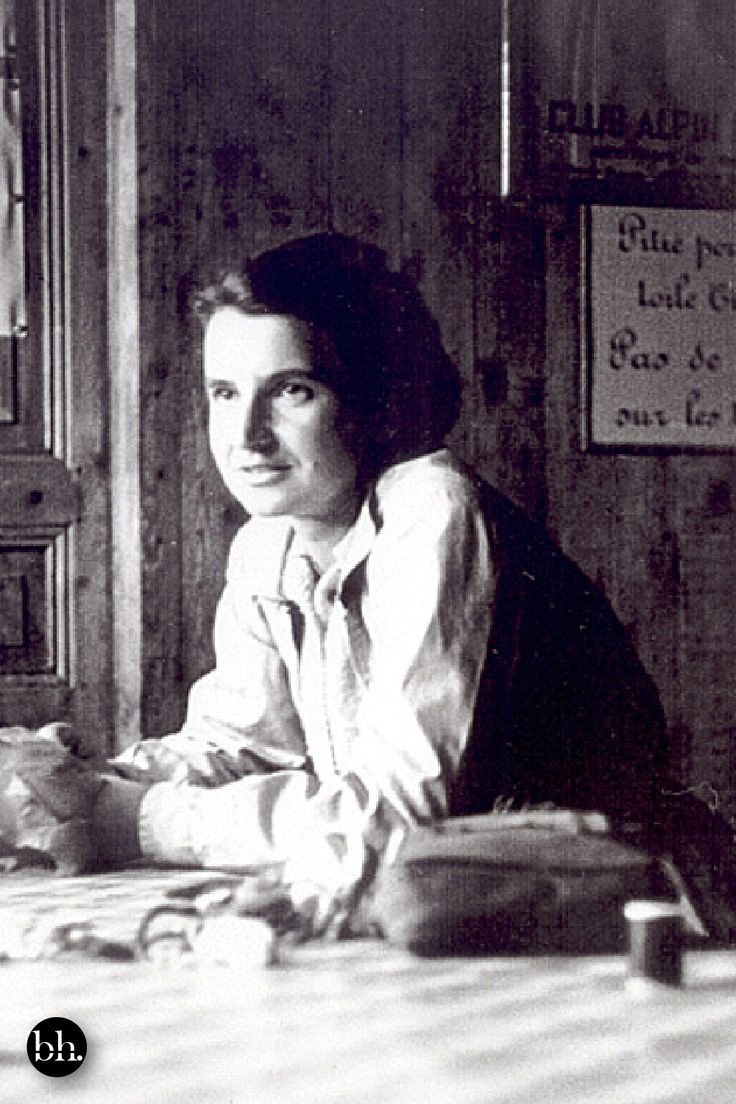
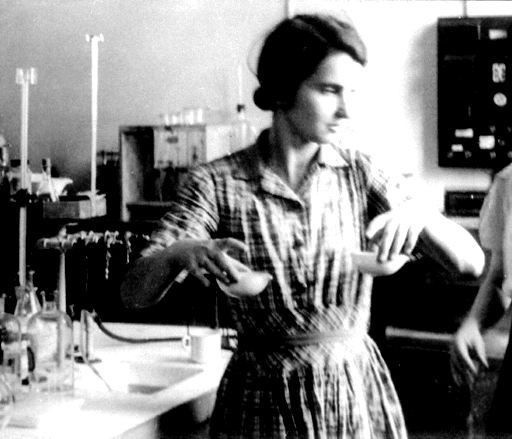
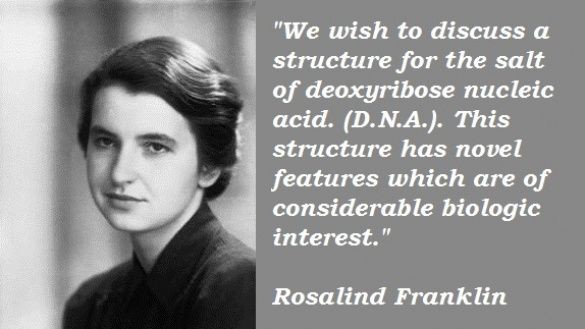
As a woman studying in STEM, I have seen firsthand how women’s contributions to science have often been overlooked throughout history. One of the most significant cases of this is the underrated role of Rosalind Franklin in the discovery of DNA's structure—a breakthrough that transformed genetics and modern biology. Despite her vital contributions, her name is often missing from textbooks, while James Watson and Francis Crick are credited as the sole discoverers.
The Truth About DNA’s Discovery:
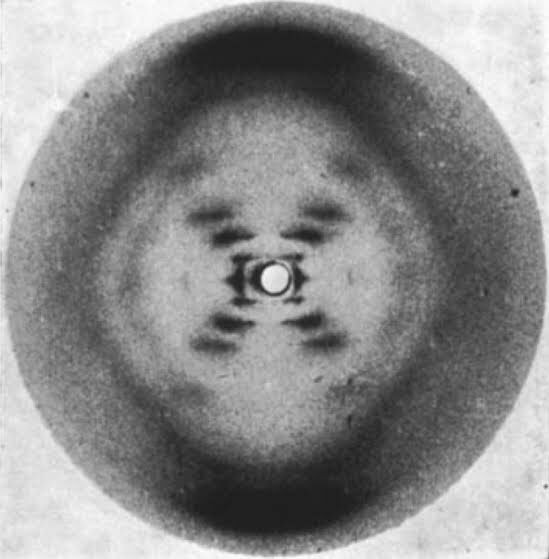
Rosalind Franklin was a pioneering scientist whose expertise in X-ray diffraction led to the capture of "Photo 51"—a crucial piece of evidence that revealed DNA’s double-helix structure. This image provided the key insight needed to understand DNA’s molecular arrangement. However, it was shared without her knowledge with Watson and Crick, who used it to develop their famous model.
In1962, the Nobel Prize was awarded to Watson, Crick, and Maurice Wilkins for this discovery. Sadly, Franklin had passed away from ovarian cancer in 1958 at just 37 years old (Source: Britannica) and did not receive the recognition she deserved in her lifetime. While scientific discoveries are often built on the work of many, Franklin’s contribution was fundamental and deserves to be acknowledged with the same prominence.h
Why This Matters Today:
This is not just about correcting history—it’s about ensuring a fair and accurate representation of scientific achievements. Studies show that only 28% of researchers worldwide are women (UNESCO, 2018). When educational materials highlight only male scientists, it can unintentionally discourage young women from pursuing careers in STEM. By acknowledging Franklin’s contributions properly, we can help inspire future generations and promote a more inclusive scientific community.
What Needs to Change:
This petition calls on CBSE and NCERT to update their textbooks to:
✔ Explicitly recognize Rosalind Franklin’s role in uncovering DNA’s structure.
✔ Present her story as an example of collaborative scientific discovery, ensuring that all contributors receive due credit.
✔ Use this case as a learning opportunity on ethics in science, helping students understand the importance of fairness and acknowledgment in research.
How You Can Help:
By signing this petition, you are supporting a more complete and accurate portrayal of history. Updating our textbooks will not only honor Franklin’s legacy but also send a powerful message to students—that science thrives on contributions from people of all backgrounds.
This is about more than one scientist—it’s about ensuring that the real history is taught, so that future innovators are inspired by the true pioneers of science.
Sign and share this petition to help bring about a meaningful change in education!

64
The Issue
As a woman studying in STEM, I have seen firsthand how women’s contributions to science have often been overlooked throughout history. One of the most significant cases of this is the underrated role of Rosalind Franklin in the discovery of DNA's structure—a breakthrough that transformed genetics and modern biology. Despite her vital contributions, her name is often missing from textbooks, while James Watson and Francis Crick are credited as the sole discoverers.
The Truth About DNA’s Discovery:
Rosalind Franklin was a pioneering scientist whose expertise in X-ray diffraction led to the capture of "Photo 51"—a crucial piece of evidence that revealed DNA’s double-helix structure. This image provided the key insight needed to understand DNA’s molecular arrangement. However, it was shared without her knowledge with Watson and Crick, who used it to develop their famous model.
In1962, the Nobel Prize was awarded to Watson, Crick, and Maurice Wilkins for this discovery. Sadly, Franklin had passed away from ovarian cancer in 1958 at just 37 years old (Source: Britannica) and did not receive the recognition she deserved in her lifetime. While scientific discoveries are often built on the work of many, Franklin’s contribution was fundamental and deserves to be acknowledged with the same prominence.h
Why This Matters Today:
This is not just about correcting history—it’s about ensuring a fair and accurate representation of scientific achievements. Studies show that only 28% of researchers worldwide are women (UNESCO, 2018). When educational materials highlight only male scientists, it can unintentionally discourage young women from pursuing careers in STEM. By acknowledging Franklin’s contributions properly, we can help inspire future generations and promote a more inclusive scientific community.
What Needs to Change:
This petition calls on CBSE and NCERT to update their textbooks to:
✔ Explicitly recognize Rosalind Franklin’s role in uncovering DNA’s structure.
✔ Present her story as an example of collaborative scientific discovery, ensuring that all contributors receive due credit.
✔ Use this case as a learning opportunity on ethics in science, helping students understand the importance of fairness and acknowledgment in research.
How You Can Help:
By signing this petition, you are supporting a more complete and accurate portrayal of history. Updating our textbooks will not only honor Franklin’s legacy but also send a powerful message to students—that science thrives on contributions from people of all backgrounds.
This is about more than one scientist—it’s about ensuring that the real history is taught, so that future innovators are inspired by the true pioneers of science.
Sign and share this petition to help bring about a meaningful change in education!
The Decision Makers
Petition Updates
Share this petition
Petition created on 16 February 2025