

Correct the inaccurate and white washed image of King Tutankhamen
The Issue
Correct the White Washing of King Tut!!!
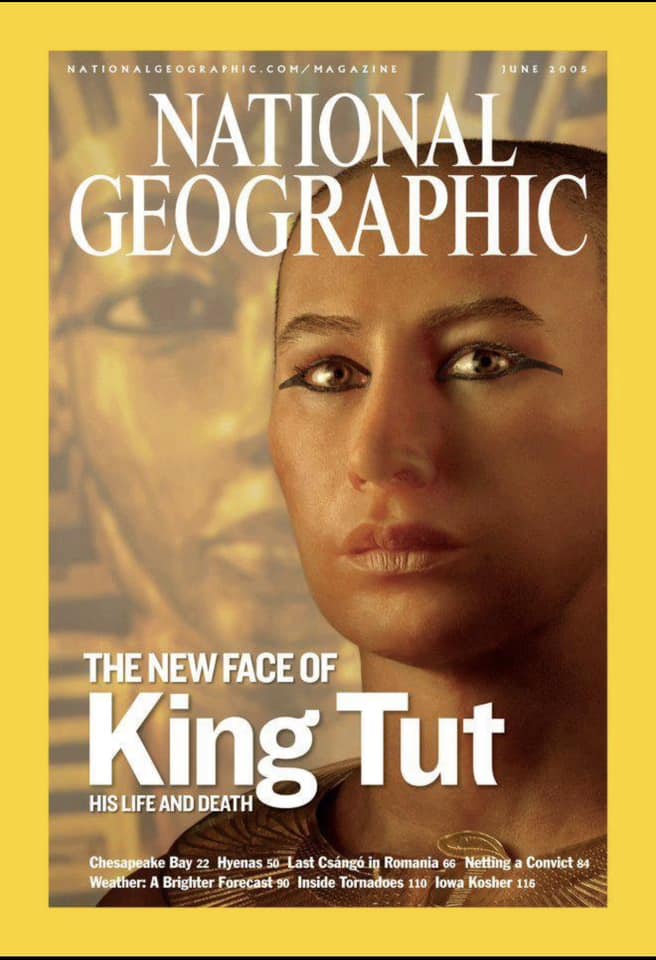
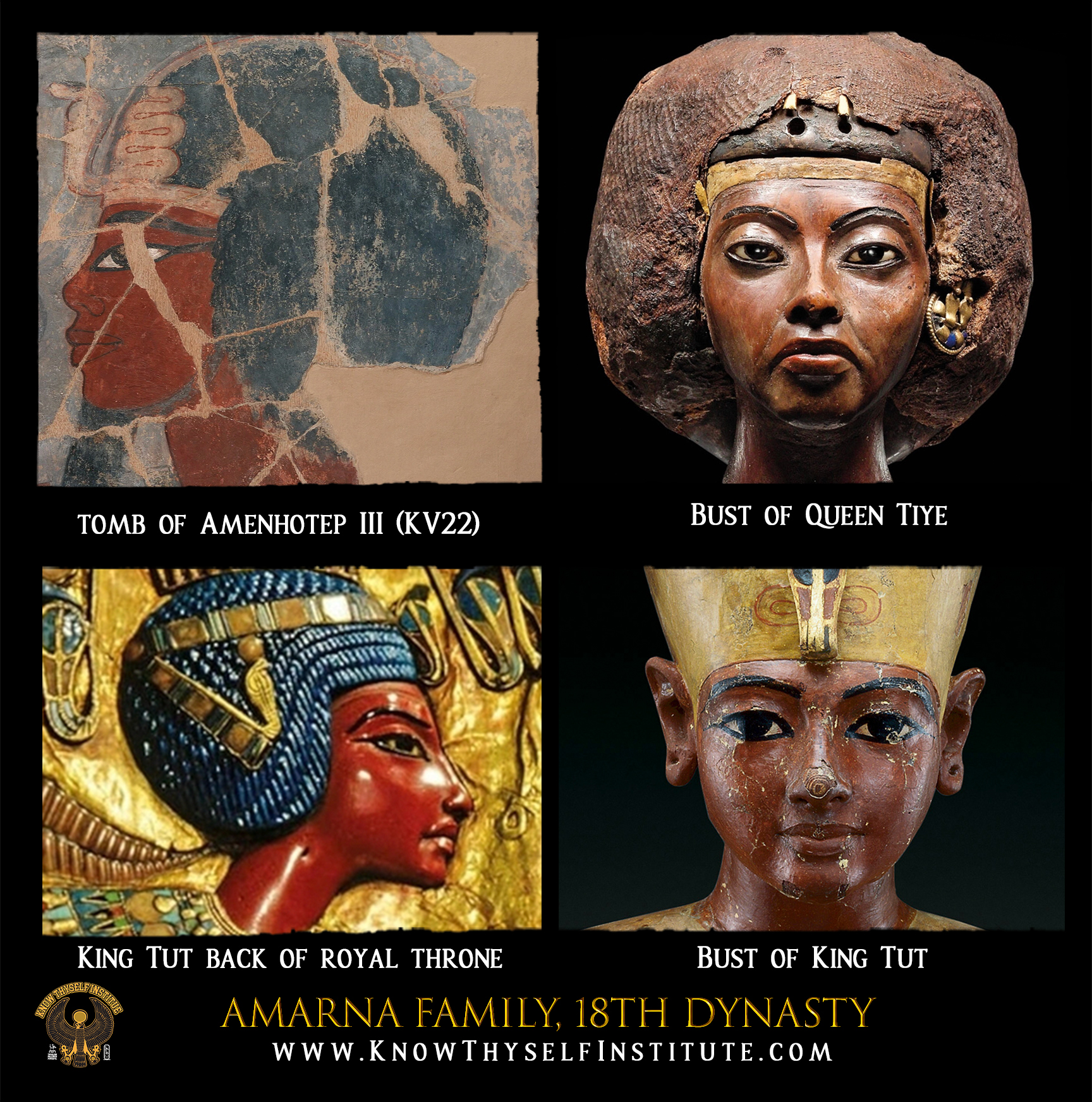
National Geographic's Magazine must Correct the Hisotrical Record and present an image of King Tutankhamen that is consistent with the numerous busts and reliefs. The image of King tut on the cover of the June 15th, 2005 edition of National Geographic's was inaccurate and matched no known relief or statue of King Tut. It was commissioned by the Infamous Dr. Hawass, a known gatekeeper who was disgraced while serving as the Arab Republic of Egypt's Minister of the Supreme Council of Antiquities.
Whitewashed reconstruction of King Tut commissioned by Dr Hawass
The deceit and intellectual dishonesty of Dr. Hawass, the disgraced former Minister of Antiquities, is well documented as laid out in the article below by the Smithsonian Museum.
“Hawass had been accused of corruption, shoddy science and having uncomfortably close connections with the deposed president and first lady.”
The Fall of Zahi Hawass: https://www.smithsonianmag.com/history/the-fall-of-zahi-hawass-32319337/
Hawass does not stand on historical accuracy. He stands on Egyptian nationalism and anti-African Sentiment. He is a notorious gate keeper known to prevent independent analysis of ancient remains and artifacts and to hide results of tests ran on the mummies from the public with no explanation. Hawass has always maintained that the ancient Kemetic civilization was of Mediterranean origins with no connection to the rest of Africa. Of course we now know this is completely incorrect and the Origins of Kemetic culture, science, and spirituality began in the Green Sahara, Sudan and Horn of Africa regions.
His dishonesty is outright blatant as illustrated below in their Europeanized reconstructions of King Tut which bear no resemblance to any of his statues and reliefs. The discrepancies are quite obvious as they have a bad habit of white washing Kemetic Artifacts. The white washing of antiquity is an issue that has been well documented throughout the decades. The field of Egyptology in its very inception was plagued with racism, colonial dogma and anti-African sentiment. Hollywood and pop culture has been bombarded with images of Europeans replacing the rolls of Africans to the extent that a large portion of the population does not even question this falsification of history. Movies like, “Exodus” and “Gods of Egypt”, have contributed to a legacy of whitewashing, and the media has altered the public’s perception. Hollywood's creation of a caste system where Blacks are relegated to servitude and whites are exalted to the roles of royalty is nothing more than a colonial invention and mass psychosis.
Sir Flinders Petrie is one of the most influential and controversial figures in the history of Egyptology. He was an archaeologist whose sixty years in the field produced an enormous amount of archaeological evidence for all periods of Egyptian history. While Petiri’s work yielded great insight into ancient Nile Valley civilization, it was tainted by his racist views which were quite common in the late 18th and early 19th centuries in fields of academia. He is most famous for his work which he called “Dynastic theory”, in which he employed eugenics propaganda to characterize Egyptians as "Semitic" or "Caucasian".
“Kathleen L. Sheppard, discusses the personal and academic relationship between eugenicist Francis Galton and Egyptologist William Flinders Petrie with an emphasis on the eugenic-thinking in Petrie’s intellectual and personal life…This book succeeds in demonstrating Petrie’s racism, but the deeper issues surrounding race and Kemet (ancient Egypt) in the works of Petrie and his contemporaries, which still impact Egyptology today, and are not adequately addressed.”
The Hamitic Hypothesis was another attempt to attribute the accomplishment of Africans to others. It stated that everything of value ever found in Africa was brought there by the Hamites, allegedly a branch of the Caucasian race. It suggested that the progenitors of Nile Valley civilization were not “Black” Africans, but rather “dark skin caucasians”. They attributed the dark melanated complexions carved on temple walls as “dark tans'' and characterized them as “Dark skinned caucasians”. However, both the Dynastic Race theory and Hamitic Hypothesis are no longer accepted in the field of predynastic archaeology or Egyptology although these attitudes still linger to this day and are expressed in pop culture, social media and modern academia.
Sources:
https://arts.monash.edu/__data/assets/pdf_file/0008/1676402/eras-162-07-samuels-review-essay1.pdf
The racist origins of Egyptology and continued whitewashing of ancient Nile Valley culture and civilization has distorted the legacy of ancient Kemet. They have attempted to bury the civilization behind a veil called Egypt and attempted to al but erase the Black African achievements of Nile Valley Africans. Although ancient Kemet was not homogeneous and was a diverse and complex society, its culture, traditions, and identity was African in origin. The connection and cultural overlap between Upper Egypt and Lower Nubia has existed since the predynastic era prior to the Delta regions being absorbed into the Southernly Kingdom of Upper Kemet. Kemetic culture, as reflected in the early dynastic era, emerged from a set of cultural features that existed across a large swath of northeast Africa. Population groups gradually settled in the region over time. There was no single “people” or group of people who settled the Nile Valley and began what we refer to as ancient Egyptian dynastic history. But the debate is over and the origins of what is now known as ancient Egypt began in the southern most regions of the land, in Black Africa. Ta-Netjer translates to "The Land of the Gods" and the ancient Kemtites (Egyptians) looked south to the "Nehesey of Pwnt" which translates to Nubians of Punt as desribed in the Stele of Mentuhotep IV, as the region of their ancestral homeland and origins of their pantheon.
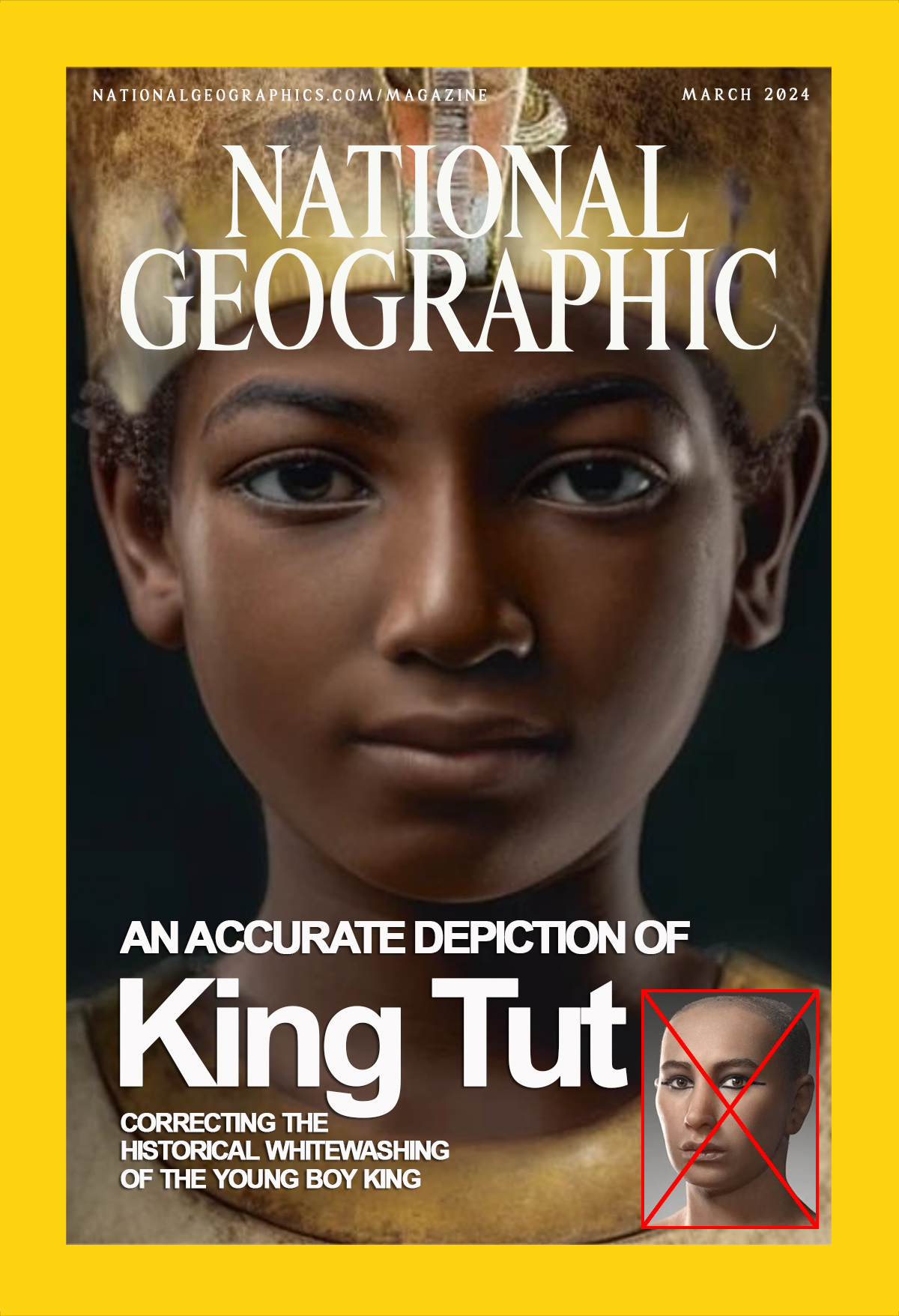
In conclusion, it is clear we cannot trust the Arab Republic of Egypt or the Supreme Council of Antiquities and must put all claims that serve to disconnect the civilization of Kemet from the rest of Africa under a microscope. We demand National Geographic's to correct this obvious and egregious error immediately and reprint a cover with an accurate depiction of King Tutankhamen which actually reflects the artwork he left for the world to marvel at.
This statement by Egyptian born Professor Fekri Hassan gives an example of the principles that ground us moving forward:
“Egyptologists need to engage in emphasizing the grounding of Egypt in African cultures and its interaction throughout its history with African cultures. This would be a first step in reconsidering the sociopolitical biases that not only isolate modern Egypt from its ancient past, but also reorient Egyptology to deal with intercultural dynamics and to become actively engaged in the current struggle to combat racism and inequities, a key component of the Sustainable Development Goals.”
Dr. Hassan, Ph.D., Professor Fekri Hassan taught in the Department of Anthropology at Washington State University. He was an advisor to the Ministry of Culture of the Arab Republic of Egypt from 1988 to 1990.
New accurate Reconstruction created by: https://www.youtube.com/@kingmono
We demand National Geographic's create an accurate reconstruction
Grandparent of King Tut and his images below

29
The Issue
Correct the White Washing of King Tut!!!
National Geographic's Magazine must Correct the Hisotrical Record and present an image of King Tutankhamen that is consistent with the numerous busts and reliefs. The image of King tut on the cover of the June 15th, 2005 edition of National Geographic's was inaccurate and matched no known relief or statue of King Tut. It was commissioned by the Infamous Dr. Hawass, a known gatekeeper who was disgraced while serving as the Arab Republic of Egypt's Minister of the Supreme Council of Antiquities.
Whitewashed reconstruction of King Tut commissioned by Dr Hawass
The deceit and intellectual dishonesty of Dr. Hawass, the disgraced former Minister of Antiquities, is well documented as laid out in the article below by the Smithsonian Museum.
“Hawass had been accused of corruption, shoddy science and having uncomfortably close connections with the deposed president and first lady.”
The Fall of Zahi Hawass: https://www.smithsonianmag.com/history/the-fall-of-zahi-hawass-32319337/
Hawass does not stand on historical accuracy. He stands on Egyptian nationalism and anti-African Sentiment. He is a notorious gate keeper known to prevent independent analysis of ancient remains and artifacts and to hide results of tests ran on the mummies from the public with no explanation. Hawass has always maintained that the ancient Kemetic civilization was of Mediterranean origins with no connection to the rest of Africa. Of course we now know this is completely incorrect and the Origins of Kemetic culture, science, and spirituality began in the Green Sahara, Sudan and Horn of Africa regions.
His dishonesty is outright blatant as illustrated below in their Europeanized reconstructions of King Tut which bear no resemblance to any of his statues and reliefs. The discrepancies are quite obvious as they have a bad habit of white washing Kemetic Artifacts. The white washing of antiquity is an issue that has been well documented throughout the decades. The field of Egyptology in its very inception was plagued with racism, colonial dogma and anti-African sentiment. Hollywood and pop culture has been bombarded with images of Europeans replacing the rolls of Africans to the extent that a large portion of the population does not even question this falsification of history. Movies like, “Exodus” and “Gods of Egypt”, have contributed to a legacy of whitewashing, and the media has altered the public’s perception. Hollywood's creation of a caste system where Blacks are relegated to servitude and whites are exalted to the roles of royalty is nothing more than a colonial invention and mass psychosis.
Sir Flinders Petrie is one of the most influential and controversial figures in the history of Egyptology. He was an archaeologist whose sixty years in the field produced an enormous amount of archaeological evidence for all periods of Egyptian history. While Petiri’s work yielded great insight into ancient Nile Valley civilization, it was tainted by his racist views which were quite common in the late 18th and early 19th centuries in fields of academia. He is most famous for his work which he called “Dynastic theory”, in which he employed eugenics propaganda to characterize Egyptians as "Semitic" or "Caucasian".
“Kathleen L. Sheppard, discusses the personal and academic relationship between eugenicist Francis Galton and Egyptologist William Flinders Petrie with an emphasis on the eugenic-thinking in Petrie’s intellectual and personal life…This book succeeds in demonstrating Petrie’s racism, but the deeper issues surrounding race and Kemet (ancient Egypt) in the works of Petrie and his contemporaries, which still impact Egyptology today, and are not adequately addressed.”
The Hamitic Hypothesis was another attempt to attribute the accomplishment of Africans to others. It stated that everything of value ever found in Africa was brought there by the Hamites, allegedly a branch of the Caucasian race. It suggested that the progenitors of Nile Valley civilization were not “Black” Africans, but rather “dark skin caucasians”. They attributed the dark melanated complexions carved on temple walls as “dark tans'' and characterized them as “Dark skinned caucasians”. However, both the Dynastic Race theory and Hamitic Hypothesis are no longer accepted in the field of predynastic archaeology or Egyptology although these attitudes still linger to this day and are expressed in pop culture, social media and modern academia.
Sources:
https://arts.monash.edu/__data/assets/pdf_file/0008/1676402/eras-162-07-samuels-review-essay1.pdf
The racist origins of Egyptology and continued whitewashing of ancient Nile Valley culture and civilization has distorted the legacy of ancient Kemet. They have attempted to bury the civilization behind a veil called Egypt and attempted to al but erase the Black African achievements of Nile Valley Africans. Although ancient Kemet was not homogeneous and was a diverse and complex society, its culture, traditions, and identity was African in origin. The connection and cultural overlap between Upper Egypt and Lower Nubia has existed since the predynastic era prior to the Delta regions being absorbed into the Southernly Kingdom of Upper Kemet. Kemetic culture, as reflected in the early dynastic era, emerged from a set of cultural features that existed across a large swath of northeast Africa. Population groups gradually settled in the region over time. There was no single “people” or group of people who settled the Nile Valley and began what we refer to as ancient Egyptian dynastic history. But the debate is over and the origins of what is now known as ancient Egypt began in the southern most regions of the land, in Black Africa. Ta-Netjer translates to "The Land of the Gods" and the ancient Kemtites (Egyptians) looked south to the "Nehesey of Pwnt" which translates to Nubians of Punt as desribed in the Stele of Mentuhotep IV, as the region of their ancestral homeland and origins of their pantheon.
In conclusion, it is clear we cannot trust the Arab Republic of Egypt or the Supreme Council of Antiquities and must put all claims that serve to disconnect the civilization of Kemet from the rest of Africa under a microscope. We demand National Geographic's to correct this obvious and egregious error immediately and reprint a cover with an accurate depiction of King Tutankhamen which actually reflects the artwork he left for the world to marvel at.
This statement by Egyptian born Professor Fekri Hassan gives an example of the principles that ground us moving forward:
“Egyptologists need to engage in emphasizing the grounding of Egypt in African cultures and its interaction throughout its history with African cultures. This would be a first step in reconsidering the sociopolitical biases that not only isolate modern Egypt from its ancient past, but also reorient Egyptology to deal with intercultural dynamics and to become actively engaged in the current struggle to combat racism and inequities, a key component of the Sustainable Development Goals.”
Dr. Hassan, Ph.D., Professor Fekri Hassan taught in the Department of Anthropology at Washington State University. He was an advisor to the Ministry of Culture of the Arab Republic of Egypt from 1988 to 1990.
New accurate Reconstruction created by: https://www.youtube.com/@kingmono
We demand National Geographic's create an accurate reconstruction
Grandparent of King Tut and his images below
Supporter Voices
Petition Updates
Share this petition
Petition created on April 20, 2024