Classify Wireless Phone Service as an Essential Utility
The Issue
Classify Wireless Phone Service as an Essential Utility
I'm Johnny Collins, founder of MobiSend, a mobile top-up company. I watch what happens when people run out of phone service, and it is not what most Americans picture.
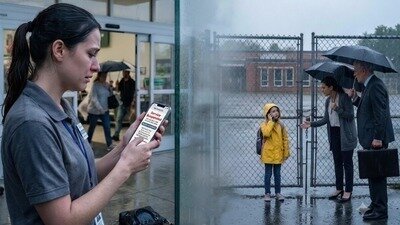
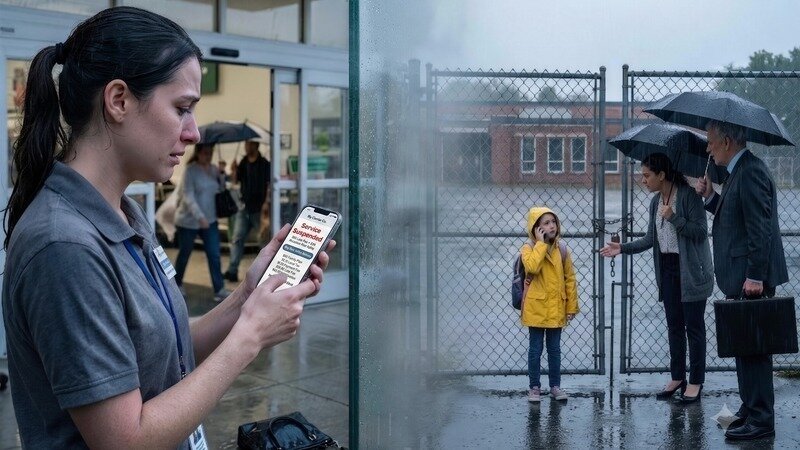
People come to us paying in five and ten dollar increments, because that is what they have that day. They are not buying entertainment. They are keeping the number their employer calls, the number their kid's school has on file, the number their bank sends a login code to. I have seen people top up at midnight so a line does not shut off. When that line goes quiet, everything attached to it goes quiet too.
For tens of millions of people, the phone in their pocket is the only phone they have. It is how they apply for jobs, reach a doctor, receive benefits, and call 911. It is infrastructure. The law still treats it like a luxury.
Because wireless is not classified as a utility, none of the protections people assume exist actually do. Carriers can raise prices with almost no oversight. They can cut off service over a missed payment with none of the notice, payment-plan rights, or emergency protections that stop a power company from shutting off your heat in January. Nothing obligates them to serve rural areas, tribal lands, or low-income neighborhoods, so the same dead zones persist for decades. Bills carry fees most customers cannot explain and cannot dispute. And when a wildfire, hurricane, or blackout takes the network down, there is no enforceable reliability standard behind it.
The inconsistency is already on the books. California's Attorney General lists telephone service among the utilities regulated by the Public Utilities Commission. State law defines a telephone corporation as a public utility. California's LifeLine program delivers discounted cell service as a utility benefit, and wireless customers pay into the state's universal service funds on every bill. We already tax it like a utility and subsidize it like a utility. We simply refuse to protect people like it is one.
What we are demanding:
- No shutoff without written notice, a right to a payment plan, and protection during declared emergencies and extreme weather
- Plain-language billing, rate transparency, and a real process to dispute charges
- A universal service obligation, so carriers cannot write off rural, tribal, and low-income communities
- Enforceable network reliability and backup-power standards during disasters and outages
- Affordability floors, so keeping a working phone line is not a choice against groceries
The Federal Communications Commission has the authority to reclassify wireless service. Congress can direct it to. State public utility commissions can act now, without waiting for either.
Sign this if you have ever watched a phone line go dark and watched everything else go with it. The rules were written for a world where the phone on the wall was the utility and the phone in your pocket was extra. That world is gone. The law needs to catch up.

20
The Issue
Classify Wireless Phone Service as an Essential Utility
I'm Johnny Collins, founder of MobiSend, a mobile top-up company. I watch what happens when people run out of phone service, and it is not what most Americans picture.
People come to us paying in five and ten dollar increments, because that is what they have that day. They are not buying entertainment. They are keeping the number their employer calls, the number their kid's school has on file, the number their bank sends a login code to. I have seen people top up at midnight so a line does not shut off. When that line goes quiet, everything attached to it goes quiet too.
For tens of millions of people, the phone in their pocket is the only phone they have. It is how they apply for jobs, reach a doctor, receive benefits, and call 911. It is infrastructure. The law still treats it like a luxury.
Because wireless is not classified as a utility, none of the protections people assume exist actually do. Carriers can raise prices with almost no oversight. They can cut off service over a missed payment with none of the notice, payment-plan rights, or emergency protections that stop a power company from shutting off your heat in January. Nothing obligates them to serve rural areas, tribal lands, or low-income neighborhoods, so the same dead zones persist for decades. Bills carry fees most customers cannot explain and cannot dispute. And when a wildfire, hurricane, or blackout takes the network down, there is no enforceable reliability standard behind it.
The inconsistency is already on the books. California's Attorney General lists telephone service among the utilities regulated by the Public Utilities Commission. State law defines a telephone corporation as a public utility. California's LifeLine program delivers discounted cell service as a utility benefit, and wireless customers pay into the state's universal service funds on every bill. We already tax it like a utility and subsidize it like a utility. We simply refuse to protect people like it is one.
What we are demanding:
- No shutoff without written notice, a right to a payment plan, and protection during declared emergencies and extreme weather
- Plain-language billing, rate transparency, and a real process to dispute charges
- A universal service obligation, so carriers cannot write off rural, tribal, and low-income communities
- Enforceable network reliability and backup-power standards during disasters and outages
- Affordability floors, so keeping a working phone line is not a choice against groceries
The Federal Communications Commission has the authority to reclassify wireless service. Congress can direct it to. State public utility commissions can act now, without waiting for either.
Sign this if you have ever watched a phone line go dark and watched everything else go with it. The rules were written for a world where the phone on the wall was the utility and the phone in your pocket was extra. That world is gone. The law needs to catch up.
Petition Updates
Share this petition
Petition created on July 31, 2026