Circuit Cycle: Improve E-Waste Collection/Disposal in West Palm Beach
Circuit Cycle: Improve E-Waste Collection/Disposal in West Palm Beach
The Issue
As a young child in India, I was enlightened about the dangers of improper disposal of electronic waste, or e-waste, in school. I was only in 3rd grade at the time, but it scared me and spurred me to action. I initiated a simple solution—a collection box—for safely disposing of e-waste in my local community. Today, living in America, I want to leverage this experience and advocate for better e-waste management, reassuring the public, particularly children who felt like I had, that a safe, sustainable future is within our reach.
E-waste poses a global environmental and health concern. Without appropriate management, harmful substances from discarded electronics, such as lead, mercury, and cadmium, can leak into our soil and water, endangering human health and ecosystems. The United States alone produces more than 6.9 million tonnes of e-waste annually, making it the world's second largest generator after China (Global E-Waste Monitor 2020). In Florida, water run-off from junkyards can seep into the ground and pollute our underground drinking water sources. This puts the safety of our tap water at risk, so proper waste disposal is particularly important to keep our water clean.
By looking at successful e-waste management strategies in other countries, such as Switzerland, we can find effective solutions. In Switzerland, residents can conveniently bring their e-waste to local markets, where it can be safely disposed at cashier stations or designated collection points. This ease of accessibility greatly enhances participation in the e-waste recycling program.
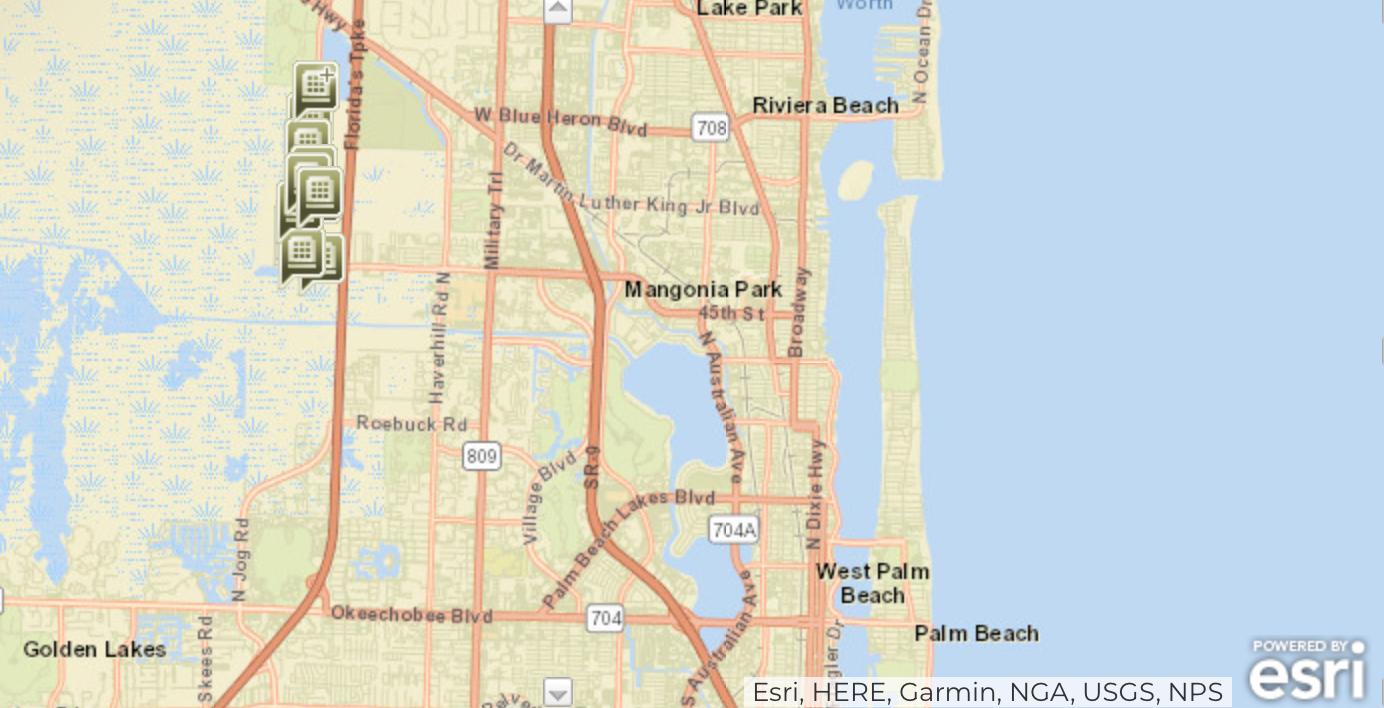
Currently, the main recommended solution of e-waste disposal is to drive to a recycling plant, many of which are far out of reach for the average citizen, mainly located within the interior of Florida, bordering the Everglades preserve areas, as shown on the SWA’s recycling center map below.
Looking at Switzerland’s system as a model, we ask the Solid Waste Authority of Palm Beach County (SWA) to initiate partnerships with local chain stores such as Walmart or Target for a more accessible method of e-waste collection. This will enable people to dispose of their e-waste as conveniently as possible while keeping collection methods safe for everyone involved.
Every signature on this petition represents a step toward a safer, greener future. Act now—sign this petition and demand better e-waste management practices for yourself and your community. Together, we can make real change.

855
The Issue
As a young child in India, I was enlightened about the dangers of improper disposal of electronic waste, or e-waste, in school. I was only in 3rd grade at the time, but it scared me and spurred me to action. I initiated a simple solution—a collection box—for safely disposing of e-waste in my local community. Today, living in America, I want to leverage this experience and advocate for better e-waste management, reassuring the public, particularly children who felt like I had, that a safe, sustainable future is within our reach.
E-waste poses a global environmental and health concern. Without appropriate management, harmful substances from discarded electronics, such as lead, mercury, and cadmium, can leak into our soil and water, endangering human health and ecosystems. The United States alone produces more than 6.9 million tonnes of e-waste annually, making it the world's second largest generator after China (Global E-Waste Monitor 2020). In Florida, water run-off from junkyards can seep into the ground and pollute our underground drinking water sources. This puts the safety of our tap water at risk, so proper waste disposal is particularly important to keep our water clean.
By looking at successful e-waste management strategies in other countries, such as Switzerland, we can find effective solutions. In Switzerland, residents can conveniently bring their e-waste to local markets, where it can be safely disposed at cashier stations or designated collection points. This ease of accessibility greatly enhances participation in the e-waste recycling program.
Currently, the main recommended solution of e-waste disposal is to drive to a recycling plant, many of which are far out of reach for the average citizen, mainly located within the interior of Florida, bordering the Everglades preserve areas, as shown on the SWA’s recycling center map below.
Looking at Switzerland’s system as a model, we ask the Solid Waste Authority of Palm Beach County (SWA) to initiate partnerships with local chain stores such as Walmart or Target for a more accessible method of e-waste collection. This will enable people to dispose of their e-waste as conveniently as possible while keeping collection methods safe for everyone involved.
Every signature on this petition represents a step toward a safer, greener future. Act now—sign this petition and demand better e-waste management practices for yourself and your community. Together, we can make real change.
The Decision Makers
Supporter Voices
Petition Updates
Share this petition
Petition created on November 10, 2024