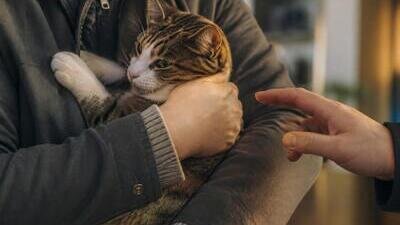

Change the law to protect pet owners from unauthorized feeding
The Issue
Petition: Make It an Offence to Feed Another Person’s Pet Without Consent
We, the undersigned, call upon lawmakers in Wales and across the UK to introduce legislation that makes it a distinct offence to feed another person’s pet without the owner’s explicit consent, and to grant the RSPCA clearer powers to intervene in cases of repeated, harmful, or reckless feeding.
Why This Matters
Across the UK, there has been a growing rise in cases where individuals feed pets that are not their own, particularly cats.
It is easy to view this as a harmless or compassionate act. However, unauthorised feeding can have serious, sometimes devastating consequences for pets and their owners.
The Harm Caused by Unauthorised Feeding
Health Risks: Many pets have strict dietary needs due to allergies, medical conditions, or veterinary‑prescribed diets. Feeding them unsuitable food, even unintentionally, can cause illness, pain, or long‑term harm.
Financial Impact: When a pet becomes ill due to inappropriate feeding, owners face avoidable veterinary bills and emotional distress.
Behavioural Disruption: Regular feeding by strangers can lure pets away from their homes, disrupt their routines, and cause confusion or anxiety.
Trust Issues: Pets rely on familiar caregivers. Interference from unknown individuals can undermine established trust, affect behaviour, and interfere with medical routines.
Cruelty Through Sustained Interference
This issue is not about the occasional titbit or a well‑meaning treat.
In the case prompting this petition, the feeding involved full meals, provided consistently and deliberately, despite repeated requests for it to stop and the threat of legal action. This sustained interference was not kindness; it was pure cruelty. It directly undermined the owner’s ability to care for their pets safely and knowingly exposed the animals to harm.
Personal Loss
In this instance the consequences were catastrophic. Two on my beloved cats were lost due to reckless, spiteful, and repeated feeding by individuals who openly admitted their actions and refused to stop. These cats were healthy, cared for, and deeply loved. They were fed inappropriate food against the owner’s wishes, leading to choking, illness, unnecessary suffering and ultimately their deaths. Their loss has caused profound grief and highlights the urgent need for legal protection.
Escalating Medical Harm
The damage was not limited to acute illness. One cat rapidly gained a dangerous amount of weight due to being fed full meals by neighbours, dramatically increasing the risk of diabetes and other associated illnesses. This sudden weight gain was unnatural, medically significant, and entirely avoidable.
Those responsible do not bear the cost of the resulting veterinary treatment - the owner does. This creates a deeply unfair situation where irresponsible behaviour by a third party leads to medical harm, financial strain, and emotional distress for families who are simply trying to care for their pets responsibly.
Limited Police Response
Despite admissions from those responsible, and despite repeated reports, police were unable or unwilling to act. Officers acknowledged the behaviour but stated that current laws are too vague to support enforcement. They cited evidential strain, lack of a specific offence, and the difficulty of proving intent, even though the individuals involved admitted what they were doing and refused to stop.
This gap leaves pet owners unprotected. It leaves police without the tools they need. And it leaves animals vulnerable to harm that could easily be prevented with clearer legislation.
The Legal Gap
Current legislation does not specifically address the act of feeding another person’s pet without permission. While existing animal welfare laws cover intentional harm, they do not recognise the very real risks posed by unauthorised feeding — even when the harm is indirect, cumulative, or unintended.
The Need for RSPCA Powers
The RSPCA is often the first organisation contacted when animal welfare concerns arise. However, without a clear offence or defined powers relating to unauthorised feeding, their ability to intervene is limited. Granting the RSPCA explicit authority to investigate and act in cases of repeated or harmful feeding would:
Protect animals from avoidable suffering
Provide a clear enforcement pathway
Reduce pressure on police
Ensure welfare concerns are addressed promptly and effectively
What We Are Asking For
We urge lawmakers to:
Create a distinct offence for feeding another person’s pet without the owner’s explicit consent.
Recognise sustained, unauthorised feeding as a potential act of cruelty, particularly when it leads to illness, behavioural disruption, or danger.
Grant the RSPCA clear powers to investigate and intervene in cases of repeated or harmful feeding.
Provide clear public guidance on responsible interaction with animals they do not own.
Equip police with enforceable powers to intervene when repeated feeding causes harm or distress.
Support pet owners in protecting their animals from interference, including through mediation or enforcement where necessary.
Why Legislation Is Needed
Pets are family members. Owners have both the right and the responsibility to control their care, diet, and wellbeing. Without legal protection, owners are left vulnerable when others interfere, even after being asked to stop. A clear legal offence would:
Protect pets from avoidable harm
Reduce conflict between neighbours
Support responsible pet ownership
Ensure accountability when unauthorised feeding causes suffering
Give police and the RSPCA the clarity and authority they currently lack
Add Your Voice
By signing this petition, you are helping to safeguard pets, support responsible ownership, and encourage lawmakers to address a growing issue that affects communities across the UK.
Together, we can prevent further loss, protect vulnerable animals, and ensure that every pet receives the care, safety, and respect they deserve.

61
The Issue
Petition: Make It an Offence to Feed Another Person’s Pet Without Consent
We, the undersigned, call upon lawmakers in Wales and across the UK to introduce legislation that makes it a distinct offence to feed another person’s pet without the owner’s explicit consent, and to grant the RSPCA clearer powers to intervene in cases of repeated, harmful, or reckless feeding.
Why This Matters
Across the UK, there has been a growing rise in cases where individuals feed pets that are not their own, particularly cats.
It is easy to view this as a harmless or compassionate act. However, unauthorised feeding can have serious, sometimes devastating consequences for pets and their owners.
The Harm Caused by Unauthorised Feeding
Health Risks: Many pets have strict dietary needs due to allergies, medical conditions, or veterinary‑prescribed diets. Feeding them unsuitable food, even unintentionally, can cause illness, pain, or long‑term harm.
Financial Impact: When a pet becomes ill due to inappropriate feeding, owners face avoidable veterinary bills and emotional distress.
Behavioural Disruption: Regular feeding by strangers can lure pets away from their homes, disrupt their routines, and cause confusion or anxiety.
Trust Issues: Pets rely on familiar caregivers. Interference from unknown individuals can undermine established trust, affect behaviour, and interfere with medical routines.
Cruelty Through Sustained Interference
This issue is not about the occasional titbit or a well‑meaning treat.
In the case prompting this petition, the feeding involved full meals, provided consistently and deliberately, despite repeated requests for it to stop and the threat of legal action. This sustained interference was not kindness; it was pure cruelty. It directly undermined the owner’s ability to care for their pets safely and knowingly exposed the animals to harm.
Personal Loss
In this instance the consequences were catastrophic. Two on my beloved cats were lost due to reckless, spiteful, and repeated feeding by individuals who openly admitted their actions and refused to stop. These cats were healthy, cared for, and deeply loved. They were fed inappropriate food against the owner’s wishes, leading to choking, illness, unnecessary suffering and ultimately their deaths. Their loss has caused profound grief and highlights the urgent need for legal protection.
Escalating Medical Harm
The damage was not limited to acute illness. One cat rapidly gained a dangerous amount of weight due to being fed full meals by neighbours, dramatically increasing the risk of diabetes and other associated illnesses. This sudden weight gain was unnatural, medically significant, and entirely avoidable.
Those responsible do not bear the cost of the resulting veterinary treatment - the owner does. This creates a deeply unfair situation where irresponsible behaviour by a third party leads to medical harm, financial strain, and emotional distress for families who are simply trying to care for their pets responsibly.
Limited Police Response
Despite admissions from those responsible, and despite repeated reports, police were unable or unwilling to act. Officers acknowledged the behaviour but stated that current laws are too vague to support enforcement. They cited evidential strain, lack of a specific offence, and the difficulty of proving intent, even though the individuals involved admitted what they were doing and refused to stop.
This gap leaves pet owners unprotected. It leaves police without the tools they need. And it leaves animals vulnerable to harm that could easily be prevented with clearer legislation.
The Legal Gap
Current legislation does not specifically address the act of feeding another person’s pet without permission. While existing animal welfare laws cover intentional harm, they do not recognise the very real risks posed by unauthorised feeding — even when the harm is indirect, cumulative, or unintended.
The Need for RSPCA Powers
The RSPCA is often the first organisation contacted when animal welfare concerns arise. However, without a clear offence or defined powers relating to unauthorised feeding, their ability to intervene is limited. Granting the RSPCA explicit authority to investigate and act in cases of repeated or harmful feeding would:
Protect animals from avoidable suffering
Provide a clear enforcement pathway
Reduce pressure on police
Ensure welfare concerns are addressed promptly and effectively
What We Are Asking For
We urge lawmakers to:
Create a distinct offence for feeding another person’s pet without the owner’s explicit consent.
Recognise sustained, unauthorised feeding as a potential act of cruelty, particularly when it leads to illness, behavioural disruption, or danger.
Grant the RSPCA clear powers to investigate and intervene in cases of repeated or harmful feeding.
Provide clear public guidance on responsible interaction with animals they do not own.
Equip police with enforceable powers to intervene when repeated feeding causes harm or distress.
Support pet owners in protecting their animals from interference, including through mediation or enforcement where necessary.
Why Legislation Is Needed
Pets are family members. Owners have both the right and the responsibility to control their care, diet, and wellbeing. Without legal protection, owners are left vulnerable when others interfere, even after being asked to stop. A clear legal offence would:
Protect pets from avoidable harm
Reduce conflict between neighbours
Support responsible pet ownership
Ensure accountability when unauthorised feeding causes suffering
Give police and the RSPCA the clarity and authority they currently lack
Add Your Voice
By signing this petition, you are helping to safeguard pets, support responsible ownership, and encourage lawmakers to address a growing issue that affects communities across the UK.
Together, we can prevent further loss, protect vulnerable animals, and ensure that every pet receives the care, safety, and respect they deserve.
Supporter Voices
Petition Updates
Share this petition
Petition created on 3 July 2026