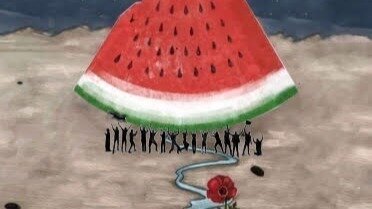

CEASEFIRE - Indigenous Solidarity with Climate-Impacted Communities of Palestine & Lebanon
The issue
09 August 2026
Released on the Occasion of the United Nations International Indigenous Peoples Day 2026
The Indigenous Network COP31 Partners stand in unwavering solidarity with the Peoples, indigenous and local communities of Palestine and Lebanon, whose lives, lands, cultures and futures are devastated and eroded by the combined impacts of armed conflict, occupation, environmental destruction and accelerating climate changes.
For Indigenous Peoples across the Pacific, Asia, First Nations of Australia and Māori of Aotearoa New Zealand - land, sea, culture and identity is not separated. We recognise in the struggles of Palestinian and Lebanese communities many of the same principles that Indigenous Peoples have defended for generations - the right to remain on ancestral lands with dignity; the protection of sacred places, burial grounds and cultural heritage; the stewardship of lands and waters for future generations; and the right of communities to determine their own futures free from violence, dispossession and environmental destruction. Climate justice cannot exist where communities are denied peace, security and the basic conditions and necessary supports to adapt to climate change.
Conflict and Climate Change creating a Humanitarian and Environmental Catastrophe
In Lebanon, communities across South Lebanon, Nabatieh, Tyre, Bint Jbeil, Marjayoun, the Bekaa Valley, and parts of the southern suburbs of Beirut have endured repeated destruction of homes, farmland, forests, olive groves, irrigation systems, health facilities and public infrastructure. Wildfires, prolonged drought, water shortages and declining agricultural productivity are compounding the impacts of conflict, forcing displacement while undermining long-term recovery and resilience.
Across Gaza, communities already living with extreme water scarcity, rising temperatures, sea-level rise and coastal degradation experience the destruction of water infrastructure, wastewater systems, agricultural lands, fisheries, hospitals, schools and renewable energy facilities. Aquifers have become increasingly contaminated by seawater intrusion and pollution, while debris, unexploded ordnance and hazardous materials threaten ecosystems and public health.
Throughout the West Bank, including Jenin, Tulkarm, Nablus, the Jordan Valley, Masafer Yatta and East Jerusalem, restrictions on movement, land access and water resources continue to weaken agricultural resilience, food security and community adaptation against worsening drought and climate extremes.
The environmental consequences extend far beyond damaged buildings. Forests have been burnt-destroyed, biodiversity has been lost, soils contaminated, productive farmland destroyed, coastal ecosystems degraded, and livelihoods dependent upon agriculture, fisheries and traditional land stewardship severely disrupted. These impacts signify economic losses and profound non-economic losses - including cultural identity, spiritual relationships with Country, ancestral knowledge, community cohesion, intergenerational wellbeing and any future legacy.
Irrecoverable environmental losses
For Indigenous Peoples throughout the Middle East, the Pacific and Asia, climate change is never only about rising temperatures or stronger storms. It is about losing ancestral graves to erosion, sacred landscapes to destruction, traditional food systems to environmental collapse, including the languages, ceremonies and cultural practices that depend upon continued relationships with place.
When conflict destroys landscapes already under pressure from climate change, the consequences multiply. Communities lose homes and their foundations of identity, belonging and cultural continuity. This is particularly significant for Palestinian and Lebanese communities whose histories, cultural landscapes, olive groves, ancient villages, religious sites and traditional farming systems have evolved over thousands of years.
Climate Action Requires Peace
Communities cannot implement climate adaptation while living under bombardment. They cannot restore ecosystems while essential infrastructure is destroyed. They cannot protect biodiversity while their forests burn. They cannot build resilience while they are repeatedly displaced and living under great threats and risks. They cannot safeguard future generations without security, dignity and hope. Peace, environmental protection and climate resilience are inseparable. The international community must recognise that armed atrocities and conflicts are increasingly becoming a driver of climate vulnerability, environmental degradation, forced displacement and climate immobility.
Urgent Call to the Global Community
The Indigenous Network COP31 Partners call upon global organisations, international institutions, governments, humanitarian agencies, climate bodies and development partners to:
- Endorse this Petition.
- Support an immediate and sustained cessation of hostilities and ensure the protection of civilians in accordance with international humanitarian law.
- Protect water systems, agricultural lands, forests, biodiversity, cultural heritage, hospitals, schools and renewable energy infrastructure from further destruction.
- Recognise environmental destruction resulting from armed conflict as a significant climate justice and sustainable development concern requiring international accountability.
- Prioritise climate adaptation and recovery funding for conflict-affected communities through accessible, community-led financing mechanisms.
- Support the rehabilitation of water infrastructure, ecosystem restoration, sustainable agriculture, renewable energy systems and climate-resilient livelihoods.
- Recognise Indigenous Peoples and local communities as partners in environmental recovery, traditional ecological knowledge and long-term resilience.
- Protect heritage, sacred sites, burial grounds and ancestral landscapes as essential components of climate resilience and community recovery.
- Strengthen international support for women, youth, persons with disabilities, older persons and displaced communities who face disproportionate climate and conflict-related risks.
- Ensure that climate that climate finance, Loss and Damage funding and humanitarian assistance reach affected communities directly and are delivered urgently, transparently, equitably and without discrimination.
- Recognise climate mobility, climate immobility and planned relocation as interconnected humanitarian and climate policy priorities requiring rights-based responses that uphold dignity and self-determination.
- Sign this Petition.
"There can be no climate justice without peace, no resilience without dignity, and no sustainable future while impacted Palestinian and Lebanese communities remain trapped between illegal wars and climate change."
Indigenous Network COP31 Partners
شركاء شبكة السكان الأصليين في مؤتمر الأطراف الحادي والثلاثين
indigenousnetwork200@gmail.com
20
The issue
09 August 2026
Released on the Occasion of the United Nations International Indigenous Peoples Day 2026
The Indigenous Network COP31 Partners stand in unwavering solidarity with the Peoples, indigenous and local communities of Palestine and Lebanon, whose lives, lands, cultures and futures are devastated and eroded by the combined impacts of armed conflict, occupation, environmental destruction and accelerating climate changes.
For Indigenous Peoples across the Pacific, Asia, First Nations of Australia and Māori of Aotearoa New Zealand - land, sea, culture and identity is not separated. We recognise in the struggles of Palestinian and Lebanese communities many of the same principles that Indigenous Peoples have defended for generations - the right to remain on ancestral lands with dignity; the protection of sacred places, burial grounds and cultural heritage; the stewardship of lands and waters for future generations; and the right of communities to determine their own futures free from violence, dispossession and environmental destruction. Climate justice cannot exist where communities are denied peace, security and the basic conditions and necessary supports to adapt to climate change.
Conflict and Climate Change creating a Humanitarian and Environmental Catastrophe
In Lebanon, communities across South Lebanon, Nabatieh, Tyre, Bint Jbeil, Marjayoun, the Bekaa Valley, and parts of the southern suburbs of Beirut have endured repeated destruction of homes, farmland, forests, olive groves, irrigation systems, health facilities and public infrastructure. Wildfires, prolonged drought, water shortages and declining agricultural productivity are compounding the impacts of conflict, forcing displacement while undermining long-term recovery and resilience.
Across Gaza, communities already living with extreme water scarcity, rising temperatures, sea-level rise and coastal degradation experience the destruction of water infrastructure, wastewater systems, agricultural lands, fisheries, hospitals, schools and renewable energy facilities. Aquifers have become increasingly contaminated by seawater intrusion and pollution, while debris, unexploded ordnance and hazardous materials threaten ecosystems and public health.
Throughout the West Bank, including Jenin, Tulkarm, Nablus, the Jordan Valley, Masafer Yatta and East Jerusalem, restrictions on movement, land access and water resources continue to weaken agricultural resilience, food security and community adaptation against worsening drought and climate extremes.
The environmental consequences extend far beyond damaged buildings. Forests have been burnt-destroyed, biodiversity has been lost, soils contaminated, productive farmland destroyed, coastal ecosystems degraded, and livelihoods dependent upon agriculture, fisheries and traditional land stewardship severely disrupted. These impacts signify economic losses and profound non-economic losses - including cultural identity, spiritual relationships with Country, ancestral knowledge, community cohesion, intergenerational wellbeing and any future legacy.
Irrecoverable environmental losses
For Indigenous Peoples throughout the Middle East, the Pacific and Asia, climate change is never only about rising temperatures or stronger storms. It is about losing ancestral graves to erosion, sacred landscapes to destruction, traditional food systems to environmental collapse, including the languages, ceremonies and cultural practices that depend upon continued relationships with place.
When conflict destroys landscapes already under pressure from climate change, the consequences multiply. Communities lose homes and their foundations of identity, belonging and cultural continuity. This is particularly significant for Palestinian and Lebanese communities whose histories, cultural landscapes, olive groves, ancient villages, religious sites and traditional farming systems have evolved over thousands of years.
Climate Action Requires Peace
Communities cannot implement climate adaptation while living under bombardment. They cannot restore ecosystems while essential infrastructure is destroyed. They cannot protect biodiversity while their forests burn. They cannot build resilience while they are repeatedly displaced and living under great threats and risks. They cannot safeguard future generations without security, dignity and hope. Peace, environmental protection and climate resilience are inseparable. The international community must recognise that armed atrocities and conflicts are increasingly becoming a driver of climate vulnerability, environmental degradation, forced displacement and climate immobility.
Urgent Call to the Global Community
The Indigenous Network COP31 Partners call upon global organisations, international institutions, governments, humanitarian agencies, climate bodies and development partners to:
- Endorse this Petition.
- Support an immediate and sustained cessation of hostilities and ensure the protection of civilians in accordance with international humanitarian law.
- Protect water systems, agricultural lands, forests, biodiversity, cultural heritage, hospitals, schools and renewable energy infrastructure from further destruction.
- Recognise environmental destruction resulting from armed conflict as a significant climate justice and sustainable development concern requiring international accountability.
- Prioritise climate adaptation and recovery funding for conflict-affected communities through accessible, community-led financing mechanisms.
- Support the rehabilitation of water infrastructure, ecosystem restoration, sustainable agriculture, renewable energy systems and climate-resilient livelihoods.
- Recognise Indigenous Peoples and local communities as partners in environmental recovery, traditional ecological knowledge and long-term resilience.
- Protect heritage, sacred sites, burial grounds and ancestral landscapes as essential components of climate resilience and community recovery.
- Strengthen international support for women, youth, persons with disabilities, older persons and displaced communities who face disproportionate climate and conflict-related risks.
- Ensure that climate that climate finance, Loss and Damage funding and humanitarian assistance reach affected communities directly and are delivered urgently, transparently, equitably and without discrimination.
- Recognise climate mobility, climate immobility and planned relocation as interconnected humanitarian and climate policy priorities requiring rights-based responses that uphold dignity and self-determination.
- Sign this Petition.
"There can be no climate justice without peace, no resilience without dignity, and no sustainable future while impacted Palestinian and Lebanese communities remain trapped between illegal wars and climate change."
Indigenous Network COP31 Partners
شركاء شبكة السكان الأصليين في مؤتمر الأطراف الحادي والثلاثين
indigenousnetwork200@gmail.com
Supporter voices
Petition Updates
Share this petition
Petition created on 6 August 2026