Different Issues, Same Pattern

I recently came across an article discussing the connection between pesticide exposure and environmental justice. The piece highlights a reality many communities already know: decisions with significant impacts on people's health and quality of life are often made without meaningful input from the people who must live with the consequences.
Whether we're talking about rapid development, gentrification, industrial projects, pesticide applications, or other major changes to our communities, the pattern often feels the same: move forward first, ask questions later.
People are expected to adapt. To accept. To relocate. To tolerate. To trust that someone else has carefully weighed the costs and benefits on their behalf.
But what happens when they haven't?
The issue isn't always whether something should or should not happen. It's whether the public is given transparency, information, and a voice in the process.
Which brings me to a simple question:
Wouldn't you at least want to be notified beforehand?
Many people are surprised to learn that in many states (including Virginia) there is no requirement that nearby residents be notified before certain pesticide applications occur.
Last year, Senator William Stanley introduced Senate Bill 911 (SB 911), legislation that would have required advance notification and increased transparency regarding aerial pesticide applications. The bill was ultimately killed in committee by a 12-1 vote.
Agree or disagree with pesticide use itself, shouldn't people have the right to know when and where chemicals are being applied around them?
If you're interested in challenging the status quo, transparency is a good place to start.
If you'd like to learn more or help raise awareness, please consider signing and sharing my separate petition calling for advance notification of pesticide spraying: Require Prior Notification for Aerial and Ground Pesticide Application https://c.org/PN5vJnrZGG
Look, I understand. A petition can feel like a small gesture in the face of much larger systems and interests. But it's still something. It's one of the few tools ordinary people have to make their concerns visible and remind decision-makers that communities deserve a seat at the table.
Sometimes the first step toward change is simply making sure our voices are heard.
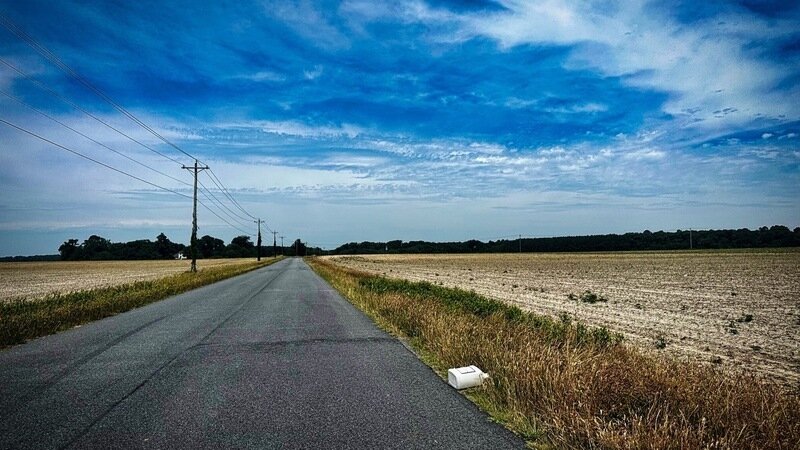
Photo: A discarded Restricted Use Pesticide container lies along the shoulder of Arlington Road in Northampton County, Virginia. The weathered white jug, identified as CrossOver Pro Herbicide, rests among roadside grass and vegetation, with its warning label still visible. The product contains herbicidal chemicals used for brush and broadleaf weed control and is classified as a Restricted Use Pesticide due to environmental concerns. The container appears abandoned near the roadway, raising questions about its origin, disposal, and whether pesticide applications have recently occurred in the surrounding area.