

Call on Human Rights Activists & SEL Leaders to Support Initiatives that Develop EQ
The Issue
On February 24, 2022, Vladimir Putin ordered the invasion of Ukraine. Since then, more than 1.8 million children have become refugees and are now living in other countries. There they struggle to come to terms with the trauma they experienced while adjusting to new languages, cultures, and schools. The 2.5 million children still living in Ukraine have been displaced and are living without basic necessities and the constant threat of violence.
If you’re like me, you ask yourself every day, “What can I do to help?” To answer that question we must ask another, more troubling one – why do people like Putin exist?
I believe the answer lies in one of our oldest and most fossilized institutions - education. What and how we teach our children has a huge impact on the kind of adults they become. In the current industrialized education model, children are treated like cars on an assembly line. Everyone must learn the same things, in the same way, on the same time schedule. At the end of this process, standardized tests and grades are used to measure, rank, and compare children to one another. From this, children learn that some are better and more deserving than others.
But this approach to education ignores a fundamental truth uncovered by neuroscience. The human brain forms memories by hardwiring facts and feelings together. The two are inseparable. You don’t get facts without feelings, but most educational institutions ignore or barely acknowledge the existence of emotions, labeling them “soft skills.”
My 14-year Journey
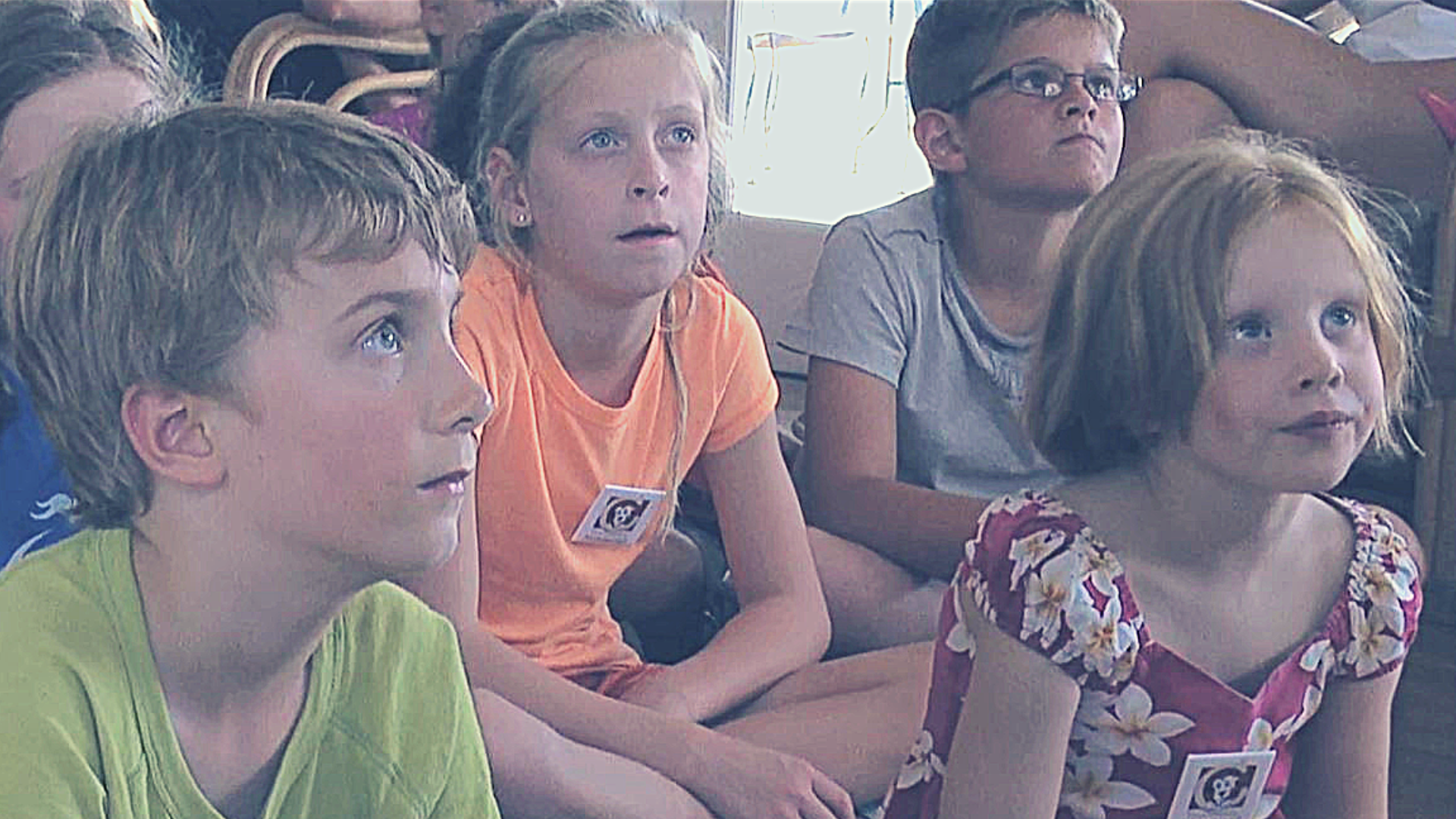
I first learned about how much emotions impact learning in 2009 from a group of third graders in rural Iowa. The kids told me that imperfect people are “dirty, bad, stupid, ugly, messed up losers.” To say I was stunned would be an understatement. Even more disturbing was the discovery that this belief was shared by children around the world. In elementary classrooms in more than 16 countries, I heard the same thing again and again. “Imperfect people are losers.” The kids knew intellectually that no one is perfect because we told them again and again. But that was not what they felt.
How was this possible? Why did young children understand one thing but feel another?
Once again, the answer lies in how the brain hardwires facts and feelings to create memories. Any adult knows that children who feel safe, seen, and supported learn better than those who are anxious, fearful, or insecure. That’s because when children experience negativity the emotional center of the brain (the amygdala) initiates the flight-fight-freeze response. At the same time, the pre-frontal cortex, the part of the brain responsible for learning, shuts down making it almost impossible for children to learn. Because our current education systems make light of feelings, the result is adults who do not have the social-emotional skills they need to deal with emotionally charged situations.
Which brings us back to the effects of the diaspora Putin has initiated in Ukraine. I shudder to think what the 1.8 million Ukrainian children who have been displaced by the Russian invasion have experienced so far. Imagine what it would be like to lose your home, family, friends, and pets - to be forced to leave everything you know and love behind and flee to another country where everything is unfamiliar. How do you think these children’s brains are responding to the shock and trauma?
The task facing us today is to help Ukrainian children recover while helping children around the world develop the emotional intelligence they’ll need to grow into kind, caring, and competent adults who won’t start wars.
A New Approach to Acquiring Emotional Intelligence
This petition is both a wake-up call and a call to action. I believe that our best chance to change the war-torn trajectory begun by Putin and others like him is to make programs specifically designed to teach both social-emotional and core literacy skills available to all children globally.
Please help me realize this goal by signing this petition, spreading the word about the need for emotional and literacy training, contacting changemakers who can champion this cause, and donating to make it possible for Ukrainian children (and other children affected by war) to take part in programs like Song Flight.
What is Song Flight?
Song Flight is a global initiative that brings children from around the world together to learn from and with one another. Based on my 14 years of experience, Song Flight uses stories, songs, and creative collaboration to help kids develop both their EQ and IQ.
To learn more about Song Flight and how to take part, visit https://Song-Flight.com

52
The Issue
On February 24, 2022, Vladimir Putin ordered the invasion of Ukraine. Since then, more than 1.8 million children have become refugees and are now living in other countries. There they struggle to come to terms with the trauma they experienced while adjusting to new languages, cultures, and schools. The 2.5 million children still living in Ukraine have been displaced and are living without basic necessities and the constant threat of violence.
If you’re like me, you ask yourself every day, “What can I do to help?” To answer that question we must ask another, more troubling one – why do people like Putin exist?
I believe the answer lies in one of our oldest and most fossilized institutions - education. What and how we teach our children has a huge impact on the kind of adults they become. In the current industrialized education model, children are treated like cars on an assembly line. Everyone must learn the same things, in the same way, on the same time schedule. At the end of this process, standardized tests and grades are used to measure, rank, and compare children to one another. From this, children learn that some are better and more deserving than others.
But this approach to education ignores a fundamental truth uncovered by neuroscience. The human brain forms memories by hardwiring facts and feelings together. The two are inseparable. You don’t get facts without feelings, but most educational institutions ignore or barely acknowledge the existence of emotions, labeling them “soft skills.”
My 14-year Journey
I first learned about how much emotions impact learning in 2009 from a group of third graders in rural Iowa. The kids told me that imperfect people are “dirty, bad, stupid, ugly, messed up losers.” To say I was stunned would be an understatement. Even more disturbing was the discovery that this belief was shared by children around the world. In elementary classrooms in more than 16 countries, I heard the same thing again and again. “Imperfect people are losers.” The kids knew intellectually that no one is perfect because we told them again and again. But that was not what they felt.
How was this possible? Why did young children understand one thing but feel another?
Once again, the answer lies in how the brain hardwires facts and feelings to create memories. Any adult knows that children who feel safe, seen, and supported learn better than those who are anxious, fearful, or insecure. That’s because when children experience negativity the emotional center of the brain (the amygdala) initiates the flight-fight-freeze response. At the same time, the pre-frontal cortex, the part of the brain responsible for learning, shuts down making it almost impossible for children to learn. Because our current education systems make light of feelings, the result is adults who do not have the social-emotional skills they need to deal with emotionally charged situations.
Which brings us back to the effects of the diaspora Putin has initiated in Ukraine. I shudder to think what the 1.8 million Ukrainian children who have been displaced by the Russian invasion have experienced so far. Imagine what it would be like to lose your home, family, friends, and pets - to be forced to leave everything you know and love behind and flee to another country where everything is unfamiliar. How do you think these children’s brains are responding to the shock and trauma?
The task facing us today is to help Ukrainian children recover while helping children around the world develop the emotional intelligence they’ll need to grow into kind, caring, and competent adults who won’t start wars.
A New Approach to Acquiring Emotional Intelligence
This petition is both a wake-up call and a call to action. I believe that our best chance to change the war-torn trajectory begun by Putin and others like him is to make programs specifically designed to teach both social-emotional and core literacy skills available to all children globally.
Please help me realize this goal by signing this petition, spreading the word about the need for emotional and literacy training, contacting changemakers who can champion this cause, and donating to make it possible for Ukrainian children (and other children affected by war) to take part in programs like Song Flight.
What is Song Flight?
Song Flight is a global initiative that brings children from around the world together to learn from and with one another. Based on my 14 years of experience, Song Flight uses stories, songs, and creative collaboration to help kids develop both their EQ and IQ.
To learn more about Song Flight and how to take part, visit https://Song-Flight.com
The Decision Makers

Petition Updates
Share this petition
Petition created on January 18, 2023