
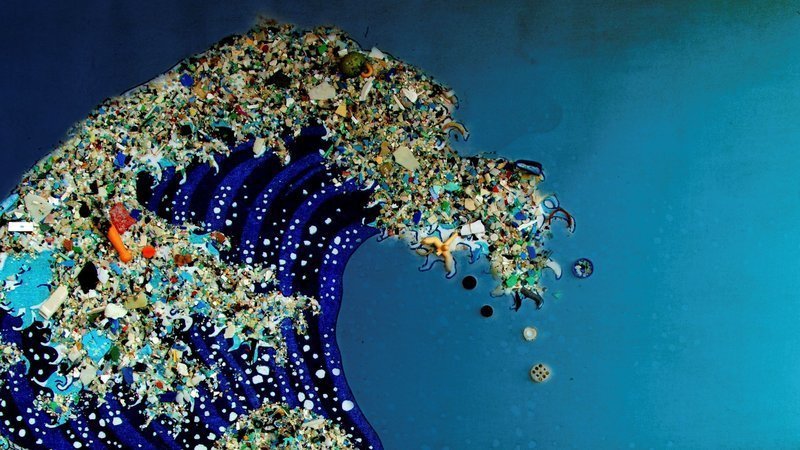
#Stopmicrofibres Stop micro plastics pollution in our waters
The Issue
According to the most recent estimates in our seas there are over 150 million tons of plastic and this number is growing year after year of an additional 8 million tons.
Plastic arrives in the oceans in the most unexpected ways even through our washing machines. Every time we do our laundry we contribute to polluting the sea, in an unconscious way.
During washing and tumble drying garments release hundreds of thousands of synthetic microfibres smaller than 5 millimeters in length, too small to be retained by the filters of the water treatments plants.
These micro fibers are eaten by plankton, thus entering the food chain and reaching our tables. Traces of plastic were found in kitchen salt, in the drinking water that flows from our taps and in many other food products.
Finally, however, someone is doing something about it: after California, where a law that will make the labelling of clothing items containing more than 50% synthetic fibres in the pipeline, another US state is moving along the same path.
The state of New York has a proposed Bill (AB 1549) which will become effective on January 1, 2021 if approved. The Bill requires that no person, firm, partnership, association, limited liability company or corporation shall sell or offer for sale any new clothing made from fabric that is composed of more than 50% synthetic material without a conspicuous label that is visible to the consumer at the point of sale.
Definitions included in the bill are as follows:
- Clothing: "an article of apparel intended to be worn by a person, not including hats or shoes."
- Plastic microfiber: "a small synthetic particle that is fibrous in shape, less than five millimeters in length, and is released into water through the regular washing of textiles made from synthetic material.”
In addition to FTC required care instructions, the label will need to contain one of the following statements based on the care instruction provided:
- If Care label is recommended or required with Machine or Hand wash instructions: An additional conspicuous label should read: "This garment sheds plastic microfibers when washed, which contributes to marine plastic pollution. Hand washing recommended to reduce shedding.”
- If Care label is recommended or required with dry cleaning instructions: An additional conspicuous label should read: "This garment sheds plastic microfibers when washed, which contributes to marine plastic pollution. Dry clean only."
- For all other clothing that does not meet the descriptions in the 2 bullets above or if including the applicable statements above would violate 16 CFR Part 423, then the statement should read as follows: "This garment sheds plastic microfibers when washed, which contributes to marine plastic pollution."
The disclosure of these statements may be in the form of a sticker, hang tag, or any other label type and must be conspicuous to the consumer at the point of sale.
Let's act to promote a similar law in the U.K and in the E.U, which would give a strong economic boost to our textile supply chain, world famous for the production of garments in natural fibres such as cotton, wool, silk, linen, hemp and bamboo and therefore create new jobs.

Victory
The Issue
According to the most recent estimates in our seas there are over 150 million tons of plastic and this number is growing year after year of an additional 8 million tons.
Plastic arrives in the oceans in the most unexpected ways even through our washing machines. Every time we do our laundry we contribute to polluting the sea, in an unconscious way.
During washing and tumble drying garments release hundreds of thousands of synthetic microfibres smaller than 5 millimeters in length, too small to be retained by the filters of the water treatments plants.
These micro fibers are eaten by plankton, thus entering the food chain and reaching our tables. Traces of plastic were found in kitchen salt, in the drinking water that flows from our taps and in many other food products.
Finally, however, someone is doing something about it: after California, where a law that will make the labelling of clothing items containing more than 50% synthetic fibres in the pipeline, another US state is moving along the same path.
The state of New York has a proposed Bill (AB 1549) which will become effective on January 1, 2021 if approved. The Bill requires that no person, firm, partnership, association, limited liability company or corporation shall sell or offer for sale any new clothing made from fabric that is composed of more than 50% synthetic material without a conspicuous label that is visible to the consumer at the point of sale.
Definitions included in the bill are as follows:
- Clothing: "an article of apparel intended to be worn by a person, not including hats or shoes."
- Plastic microfiber: "a small synthetic particle that is fibrous in shape, less than five millimeters in length, and is released into water through the regular washing of textiles made from synthetic material.”
In addition to FTC required care instructions, the label will need to contain one of the following statements based on the care instruction provided:
- If Care label is recommended or required with Machine or Hand wash instructions: An additional conspicuous label should read: "This garment sheds plastic microfibers when washed, which contributes to marine plastic pollution. Hand washing recommended to reduce shedding.”
- If Care label is recommended or required with dry cleaning instructions: An additional conspicuous label should read: "This garment sheds plastic microfibers when washed, which contributes to marine plastic pollution. Dry clean only."
- For all other clothing that does not meet the descriptions in the 2 bullets above or if including the applicable statements above would violate 16 CFR Part 423, then the statement should read as follows: "This garment sheds plastic microfibers when washed, which contributes to marine plastic pollution."
The disclosure of these statements may be in the form of a sticker, hang tag, or any other label type and must be conspicuous to the consumer at the point of sale.
Let's act to promote a similar law in the U.K and in the E.U, which would give a strong economic boost to our textile supply chain, world famous for the production of garments in natural fibres such as cotton, wool, silk, linen, hemp and bamboo and therefore create new jobs.
The Decision Makers


Petition Updates
Share this petition
Petition created on 12 June 2019