
Boosting Awareness and Involving More People in Counteracting Climate Change and Pollution
The Issue
I write this petition with a heavy heart and a burning determination. We are unknowingly orchestrating our own demise and causing the extinction of numerous animal species worldwide due to rising global temperatures and increasing pollution. Our planet and us need more attention and care than we are currently giving.
We overlook the urgency to confront climate change and pollution, which are already causing catastrophic climatic changes, loss of biodiversity, and severe health issues. According to the Intergovernmental Panel on Climate Change, we are less than 12 years away from not being able to undo these effects (Source: IPCC). Our oceans are drowning in plastic, with an estimation of 8 million metric tons of plastic waste entering our seas each year (Source: National Geographic).
It is thus due time for us to raise mass awareness and fervor to fight back against these impending crises. We must push forward clean up campaigns for our oceans, aggressively transition to cleaner energy alternatives and enforce stringent pollution control protocols.
Climate change and pollution are two of the most pressing environmental crises facing humanity today. These global challenges have long been recognized by scientists, environmentalists, and policymakers as urgent issues that demand immediate and sustained action. Despite this awareness, however, the level of public engagement in counteracting climate change and pollution remains insufficient to tackle the scale of the problem. Addressing these crises requires not only governmental policies and technological innovations but also broad-based public participation. To achieve meaningful change, it is essential to boost awareness and involve more people in counteracting these environmental threats.
This essay explores the various strategies to raise awareness, engage the public, and mobilize action to combat climate change and pollution. It also delves into the psychological, social, and structural barriers that prevent people from becoming more active in these efforts and suggests comprehensive solutions to overcome these obstacles.
The Importance of Public Engagement
The Scope of the Problem
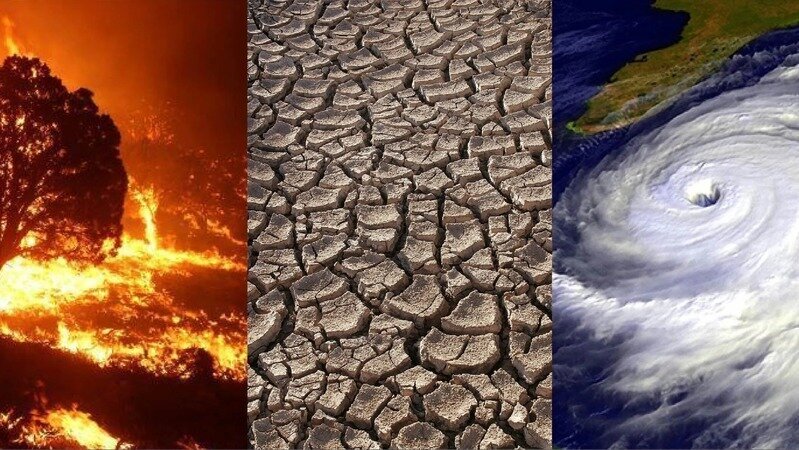
Climate change is driven by the release of greenhouse gases (GHGs) such as carbon dioxide (CO₂), methane (CH₄), and nitrous oxide (N₂O), primarily from the burning of fossil fuels, deforestation, and industrial agriculture. The effects of climate change include rising global temperatures, melting ice caps, sea-level rise, more frequent and severe weather events, and disruptions to ecosystems. These impacts are not abstract future concerns—they are being felt today, from intensified hurricanes to unprecedented wildfires and droughts.
Pollution, on the other hand, manifests in various forms, including air pollution, water pollution, and plastic waste. According to the World Health Organization (WHO), air pollution is responsible for an estimated 7 million premature deaths annually. Marine ecosystems are also suffering from plastic pollution, with millions of tons of plastic waste entering the oceans every year, affecting marine life and even entering the human food chain.
Despite the scientific consensus and the visibility of climate change and pollution's devastating impacts, public engagement in mitigating these issues remains limited. A significant portion of the population is either unaware of the full extent of the problem or feels disempowered to make a difference. For the world to effectively combat climate change and pollution, public participation must be expanded and deepened.
Why Public Engagement Matters
Addressing environmental crises requires systemic changes across multiple levels—government policies, industry practices, and individual behaviors. Public engagement is crucial because:
Governments Respond to Public Pressure: In democratic societies, public opinion can significantly influence policy making. When citizens demand stronger environmental policies, governments are more likely to take action, whether through legislation, regulation, or international agreements.
Behavioral Change at the Individual Level: While large-scale policy interventions are necessary, individual behavior also matters. Everyday actions such as reducing energy consumption, cutting down on single-use plastics, and adopting sustainable consumption habits can have a cumulative impact on emissions and pollution.
Collective Action: The scale of climate change and pollution problems requires collective solutions. Civic engagement and grassroots movements can pressure corporations and policymakers, create new norms around sustainability, and lead to more robust environmental protection efforts.
Innovation and Community Solutions: Engaging local communities can lead to creative solutions that address specific environmental problems. Many communities have initiated local recycling programs, renewable energy projects, and urban greening efforts that reduce emissions and improve quality of life.
In short, addressing climate change and pollution requires not only technological solutions but also widespread public buy-in and action.
Barriers to Public Engagement
Despite the critical need for public participation, several barriers hinder people's involvement in environmental action.
Lack of Awareness
One of the most significant barriers to public engagement is simply a lack of awareness about the severity and urgency of the climate crisis. While scientists and experts have been warning about the dangers of climate change and pollution for decades, much of the general public remains uninformed or misinformed. This information gap can stem from several sources:
Media Coverage: Mainstream media coverage of climate change has historically been inconsistent. Although media outlets have improved their coverage in recent years, the problem is often portrayed as distant or overly complex, reducing the sense of immediacy.
Misinformation and Disinformation: Deliberate misinformation campaigns funded by certain industries—particularly fossil fuel companies—have sown confusion about the causes and risks of climate change. These efforts, combined with social media platforms that amplify false narratives, contribute to a general misunderstanding of the issue.
Perception of Irrelevance: For many people, the consequences of climate change and pollution may seem distant or irrelevant to their daily lives. The gradual nature of environmental changes makes it difficult for individuals to grasp the long-term impacts.
Psychological Distance
Psychological distance refers to the tendency for people to view global problems as less urgent or less personal than local, immediate issues. Climate change, for example, is often seen as a "future problem" or one that primarily affects people in other parts of the world, such as low-lying island nations or Arctic communities. This distance can lead to apathy or a lack of motivation to engage.
Even among individuals who are aware of environmental problems, many feel powerless to make a difference. The scale of the climate crisis can feel overwhelming, and the perception that individual actions are insignificant can deter people from changing their behavior. This sense of helplessness is reinforced by a societal narrative that focuses on the roles of governments and corporations, often sidelining the potential impact of collective individual action.
Economic and Social Constraints
Socioeconomic factors also play a critical role in determining people's ability to engage with environmental issues. Individuals and communities living in poverty or facing economic hardship may be more concerned with immediate survival needs, making it difficult to prioritize environmental concerns. Moreover, people in marginalized communities often bear the brunt of environmental degradation, but may lack the resources or platforms to advocate for change.
Political and Cultural Divides
In many countries, climate change has become a politically divisive issue, which impedes the formation of a unified public response. This polarization makes it difficult to engage people across the political spectrum, even when the evidence for the need for action is overwhelming. Similarly, cultural differences can influence how environmental issues are perceived and addressed.
Strategies for Boosting Awareness and Involving More People
Given these barriers, it is essential to develop strategies that boost public awareness and involve more people in counteracting climate change and pollution. These strategies must be multifaceted and tailored to different audiences.
Education and Public Awareness Campaigns
Public education is the cornerstone of raising awareness. Comprehensive, accessible information about climate change and pollution should be disseminated across various platforms. Key components of effective public awareness campaigns include:
Simplified, Science-Based Messaging: The scientific complexity of climate change can be a deterrent for the general public. Simplifying the science and using relatable metaphors or stories can make the issue more accessible. For instance, explaining carbon footprints in terms of the everyday activities that contribute to them can help individuals understand their role in the problem.
Highlighting Local Impacts: Campaigns should emphasize the local and immediate impacts of climate change and pollution. People are more likely to engage with issues that affect their communities, such as increased flooding, health problems from air pollution, or the degradation of local ecosystems.
Leveraging Social Media: Social media platforms are powerful tools for raising awareness, particularly among younger generations. Environmental movements such as Fridays for Future and Extinction Rebellion have used social media to mobilize millions of people worldwide. Hashtags, viral videos, and influencer partnerships can amplify messages and drive action.
Empowering Individuals Through Practical Solutions
People are more likely to engage when they feel empowered to take meaningful action. Campaigns and initiatives should provide individuals with clear, actionable steps they can take to reduce their environmental impact. These actions can include:
Energy Conservation: Encouraging individuals to reduce energy consumption through simple steps such as using energy-efficient appliances, switching to renewable energy providers, and adopting sustainable transportation methods.
Waste Reduction: Promoting practices like reducing single-use plastics, composting organic waste, and supporting local recycling programs.
Sustainable Consumption: Educating people about the environmental impact of their purchasing decisions, including food, clothing, and household goods. Encouraging a shift toward sustainable, locally-sourced, and ethically-produced products.
Citizen Science and Environmental Monitoring: Engaging individuals in citizen science projects that allow them to monitor local environmental conditions, such as air quality or biodiversity, can help foster a personal connection to environmental issues.
Building Community-Based Movements
Grassroots movements are essential for mobilizing collective action. Community-based initiatives can create a sense of ownership and accountability, encouraging long-term engagement. Examples of successful community initiatives include:
Community Solar Projects: These initiatives allow individuals to invest in local solar energy projects, reducing reliance on fossil fuels while building community resilience.
Urban Gardening and Reforestation Programs: Cities and towns around the world are transforming urban spaces into green areas through community gardening and reforestation efforts. These projects not only reduce emissions but also improve air quality, biodiversity, and mental well-being.
Environmental Justice Campaigns: Many marginalized communities bear the brunt of environmental degradation, including polluted air, contaminated water, and toxic waste sites. Environmental justice campaigns empower these communities to demand accountability from governments and corporations, ensuring that the most vulnerable populations are included in the climate movement.
Involving Businesses and Corporations
Corporations play a significant role in contributing to climate change and pollution, but they also have the potential to be part of the solution. Businesses can be encouraged to adopt more sustainable practices by:
Promoting Corporate Responsibility: Highlighting companies that have taken steps to reduce their environmental footprint can set an example for others. Certifications such as B Corp status or membership in sustainability initiatives like the UN Global Compact signal corporate commitment to environmental and social responsibility.
We owe it to ourselves, to our children, and to the countless animal species that share this planet with us, to build a sustainable and safe future. Help us in spreading this message and drive all to action. End your complacency today, sign the petition. Stand up for your planet. Stand up for your future.
this was made using chatgpt and edited by me. Please let me know about any inaccuracies you see by saying so in the "why i'm signing this" section below. Thank you for reading and I hope you can help spread awareness about climate change.

76
The Issue
I write this petition with a heavy heart and a burning determination. We are unknowingly orchestrating our own demise and causing the extinction of numerous animal species worldwide due to rising global temperatures and increasing pollution. Our planet and us need more attention and care than we are currently giving.
We overlook the urgency to confront climate change and pollution, which are already causing catastrophic climatic changes, loss of biodiversity, and severe health issues. According to the Intergovernmental Panel on Climate Change, we are less than 12 years away from not being able to undo these effects (Source: IPCC). Our oceans are drowning in plastic, with an estimation of 8 million metric tons of plastic waste entering our seas each year (Source: National Geographic).
It is thus due time for us to raise mass awareness and fervor to fight back against these impending crises. We must push forward clean up campaigns for our oceans, aggressively transition to cleaner energy alternatives and enforce stringent pollution control protocols.
Climate change and pollution are two of the most pressing environmental crises facing humanity today. These global challenges have long been recognized by scientists, environmentalists, and policymakers as urgent issues that demand immediate and sustained action. Despite this awareness, however, the level of public engagement in counteracting climate change and pollution remains insufficient to tackle the scale of the problem. Addressing these crises requires not only governmental policies and technological innovations but also broad-based public participation. To achieve meaningful change, it is essential to boost awareness and involve more people in counteracting these environmental threats.
This essay explores the various strategies to raise awareness, engage the public, and mobilize action to combat climate change and pollution. It also delves into the psychological, social, and structural barriers that prevent people from becoming more active in these efforts and suggests comprehensive solutions to overcome these obstacles.
The Importance of Public Engagement
The Scope of the Problem
Climate change is driven by the release of greenhouse gases (GHGs) such as carbon dioxide (CO₂), methane (CH₄), and nitrous oxide (N₂O), primarily from the burning of fossil fuels, deforestation, and industrial agriculture. The effects of climate change include rising global temperatures, melting ice caps, sea-level rise, more frequent and severe weather events, and disruptions to ecosystems. These impacts are not abstract future concerns—they are being felt today, from intensified hurricanes to unprecedented wildfires and droughts.
Pollution, on the other hand, manifests in various forms, including air pollution, water pollution, and plastic waste. According to the World Health Organization (WHO), air pollution is responsible for an estimated 7 million premature deaths annually. Marine ecosystems are also suffering from plastic pollution, with millions of tons of plastic waste entering the oceans every year, affecting marine life and even entering the human food chain.
Despite the scientific consensus and the visibility of climate change and pollution's devastating impacts, public engagement in mitigating these issues remains limited. A significant portion of the population is either unaware of the full extent of the problem or feels disempowered to make a difference. For the world to effectively combat climate change and pollution, public participation must be expanded and deepened.
Why Public Engagement Matters
Addressing environmental crises requires systemic changes across multiple levels—government policies, industry practices, and individual behaviors. Public engagement is crucial because:
Governments Respond to Public Pressure: In democratic societies, public opinion can significantly influence policy making. When citizens demand stronger environmental policies, governments are more likely to take action, whether through legislation, regulation, or international agreements.
Behavioral Change at the Individual Level: While large-scale policy interventions are necessary, individual behavior also matters. Everyday actions such as reducing energy consumption, cutting down on single-use plastics, and adopting sustainable consumption habits can have a cumulative impact on emissions and pollution.
Collective Action: The scale of climate change and pollution problems requires collective solutions. Civic engagement and grassroots movements can pressure corporations and policymakers, create new norms around sustainability, and lead to more robust environmental protection efforts.
Innovation and Community Solutions: Engaging local communities can lead to creative solutions that address specific environmental problems. Many communities have initiated local recycling programs, renewable energy projects, and urban greening efforts that reduce emissions and improve quality of life.
In short, addressing climate change and pollution requires not only technological solutions but also widespread public buy-in and action.
Barriers to Public Engagement
Despite the critical need for public participation, several barriers hinder people's involvement in environmental action.
Lack of Awareness
One of the most significant barriers to public engagement is simply a lack of awareness about the severity and urgency of the climate crisis. While scientists and experts have been warning about the dangers of climate change and pollution for decades, much of the general public remains uninformed or misinformed. This information gap can stem from several sources:
Media Coverage: Mainstream media coverage of climate change has historically been inconsistent. Although media outlets have improved their coverage in recent years, the problem is often portrayed as distant or overly complex, reducing the sense of immediacy.
Misinformation and Disinformation: Deliberate misinformation campaigns funded by certain industries—particularly fossil fuel companies—have sown confusion about the causes and risks of climate change. These efforts, combined with social media platforms that amplify false narratives, contribute to a general misunderstanding of the issue.
Perception of Irrelevance: For many people, the consequences of climate change and pollution may seem distant or irrelevant to their daily lives. The gradual nature of environmental changes makes it difficult for individuals to grasp the long-term impacts.
Psychological Distance
Psychological distance refers to the tendency for people to view global problems as less urgent or less personal than local, immediate issues. Climate change, for example, is often seen as a "future problem" or one that primarily affects people in other parts of the world, such as low-lying island nations or Arctic communities. This distance can lead to apathy or a lack of motivation to engage.
Even among individuals who are aware of environmental problems, many feel powerless to make a difference. The scale of the climate crisis can feel overwhelming, and the perception that individual actions are insignificant can deter people from changing their behavior. This sense of helplessness is reinforced by a societal narrative that focuses on the roles of governments and corporations, often sidelining the potential impact of collective individual action.
Economic and Social Constraints
Socioeconomic factors also play a critical role in determining people's ability to engage with environmental issues. Individuals and communities living in poverty or facing economic hardship may be more concerned with immediate survival needs, making it difficult to prioritize environmental concerns. Moreover, people in marginalized communities often bear the brunt of environmental degradation, but may lack the resources or platforms to advocate for change.
Political and Cultural Divides
In many countries, climate change has become a politically divisive issue, which impedes the formation of a unified public response. This polarization makes it difficult to engage people across the political spectrum, even when the evidence for the need for action is overwhelming. Similarly, cultural differences can influence how environmental issues are perceived and addressed.
Strategies for Boosting Awareness and Involving More People
Given these barriers, it is essential to develop strategies that boost public awareness and involve more people in counteracting climate change and pollution. These strategies must be multifaceted and tailored to different audiences.
Education and Public Awareness Campaigns
Public education is the cornerstone of raising awareness. Comprehensive, accessible information about climate change and pollution should be disseminated across various platforms. Key components of effective public awareness campaigns include:
Simplified, Science-Based Messaging: The scientific complexity of climate change can be a deterrent for the general public. Simplifying the science and using relatable metaphors or stories can make the issue more accessible. For instance, explaining carbon footprints in terms of the everyday activities that contribute to them can help individuals understand their role in the problem.
Highlighting Local Impacts: Campaigns should emphasize the local and immediate impacts of climate change and pollution. People are more likely to engage with issues that affect their communities, such as increased flooding, health problems from air pollution, or the degradation of local ecosystems.
Leveraging Social Media: Social media platforms are powerful tools for raising awareness, particularly among younger generations. Environmental movements such as Fridays for Future and Extinction Rebellion have used social media to mobilize millions of people worldwide. Hashtags, viral videos, and influencer partnerships can amplify messages and drive action.
Empowering Individuals Through Practical Solutions
People are more likely to engage when they feel empowered to take meaningful action. Campaigns and initiatives should provide individuals with clear, actionable steps they can take to reduce their environmental impact. These actions can include:
Energy Conservation: Encouraging individuals to reduce energy consumption through simple steps such as using energy-efficient appliances, switching to renewable energy providers, and adopting sustainable transportation methods.
Waste Reduction: Promoting practices like reducing single-use plastics, composting organic waste, and supporting local recycling programs.
Sustainable Consumption: Educating people about the environmental impact of their purchasing decisions, including food, clothing, and household goods. Encouraging a shift toward sustainable, locally-sourced, and ethically-produced products.
Citizen Science and Environmental Monitoring: Engaging individuals in citizen science projects that allow them to monitor local environmental conditions, such as air quality or biodiversity, can help foster a personal connection to environmental issues.
Building Community-Based Movements
Grassroots movements are essential for mobilizing collective action. Community-based initiatives can create a sense of ownership and accountability, encouraging long-term engagement. Examples of successful community initiatives include:
Community Solar Projects: These initiatives allow individuals to invest in local solar energy projects, reducing reliance on fossil fuels while building community resilience.
Urban Gardening and Reforestation Programs: Cities and towns around the world are transforming urban spaces into green areas through community gardening and reforestation efforts. These projects not only reduce emissions but also improve air quality, biodiversity, and mental well-being.
Environmental Justice Campaigns: Many marginalized communities bear the brunt of environmental degradation, including polluted air, contaminated water, and toxic waste sites. Environmental justice campaigns empower these communities to demand accountability from governments and corporations, ensuring that the most vulnerable populations are included in the climate movement.
Involving Businesses and Corporations
Corporations play a significant role in contributing to climate change and pollution, but they also have the potential to be part of the solution. Businesses can be encouraged to adopt more sustainable practices by:
Promoting Corporate Responsibility: Highlighting companies that have taken steps to reduce their environmental footprint can set an example for others. Certifications such as B Corp status or membership in sustainability initiatives like the UN Global Compact signal corporate commitment to environmental and social responsibility.
We owe it to ourselves, to our children, and to the countless animal species that share this planet with us, to build a sustainable and safe future. Help us in spreading this message and drive all to action. End your complacency today, sign the petition. Stand up for your planet. Stand up for your future.
this was made using chatgpt and edited by me. Please let me know about any inaccuracies you see by saying so in the "why i'm signing this" section below. Thank you for reading and I hope you can help spread awareness about climate change.
The Decision Makers
Supporter Voices
Petition Updates
Share this petition
Petition created on September 26, 2024