A letter to Dr Shane Reti, the new Minister of Health

Dear Dr Reti
Best wishes with the weighty health portfolio. I am a health sciences educator, recently retired, and several months ago interacted with you regarding vape regulations, an area which I have been closely following. I am also managing an online petition with 3,800 signatures, see link* below. This has various items of referenced information on vaping in the updates.
A hasty critique of the former government and an ardent suggestion for the current:
The Dept of Public Health, which is part of Otago Uni, has a primary role in advising government. It was and is highly active re Covid, but regarding vaping has been mainly data gathering and 'soft' on regulation protocols. To be cynical but realistic, this may be because the Uni is inseparable from the government in this Dept, precluding real autonomy. It may not help that main vape spokesperson in the Dept, was an academic in business and marketing, with no medical or science background.
The vaping industry appears to have been highly influential in NZ policy, very much as in the UK, where the exact same messaging and same highly selective references reflect a distorted picture of safety cf that robustly stated by major clinical respiratory associations. (UK have extremely high teen vape rates also.)
Whatever the cause, the NZ scenario is shocking in many respects.
After looking at yesterday's coalition agreements, I drafted this comment.
Coalition vape policy - making NZ healthy again
The perfect storm, for causing New Zealand to have the second highest global vape rate, an epidemic of school children vaping, and heavy future health and social costs, is a highly addictive, toxic product, powerful marketing and government support.
This is also the perfect mix for big tobacco/vape corps to flourish.
The coalition agreements posted yesterday indicate all parties want to turn this around.
Some reputable clinical organisations (eg American Cancer Society, FDA) consider vapes too hazardous even as a means of quitting the carcinogen, tobacco. Others (eg the current heads of the 2 major NZ GP associations) state they are hazardous but useful for quitting tobacco if tight controls are in place eg plain packaging, health warnings, out of view, no posters, no attractive vape shops, and in pharmacies or at least not more available than tobacco.
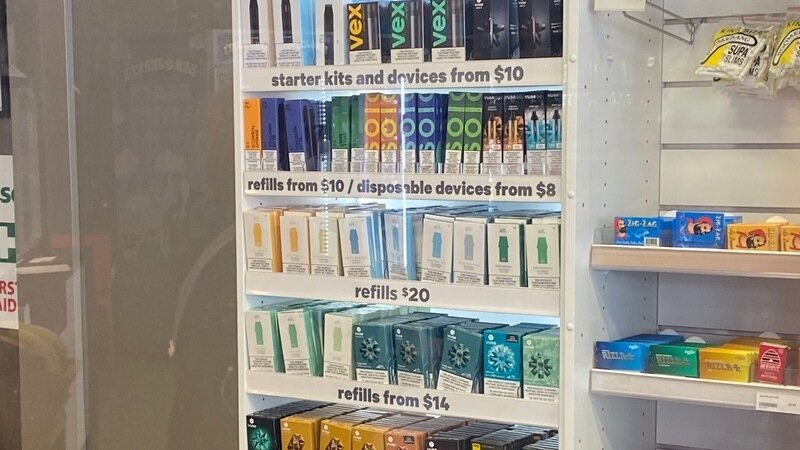
The last government has 1. allowed all retailers, service stations etc, to display and sell vapes, online sales, and supports attractive specialty shops 2. advertised them as 'the healthy option', with fewer toxins than tobacco 3. had no quitting programmes for vape or nicotine addiction, and 4. stated all the above are necessary to help tobacco smokers quit, i.e. the mantra of Phillip Morris and co.
Some suggestions so far of the coalition need revision. Kids obviously get around the current R18 regulations, and 'disposable vapes' can simply be replaced by those with removable batteries. NZ First previous idea was Snus, a nicotine plug held between lip and gum and banned in most countries and the Intl J of Cancer concluded it was carcinogenic.
We need a campaign to inform the public clearly of health risks, vape and nicotine quitting programmes, vapes out of view, and a ban of online sale of both tobacco cigarettes and vapes.
Good resources are available, including Cleveland and Mayo Clinics, Australian vape quitting programmes.
Hopefully the new government uses them.
Mary MacGibbon (PhD)
(contact details supplied)
The PS - sent later that day.
Hi again
If tobacco regulation isn't also tight any assurances regarding vaping seem rather hollow. Both forms of smoking are a threat, and they are of course related.
The high morbidity and mortality from tobacco use is deeply worrying.
The proposed total reversal of the amendment regulating tobacco to pay for tax cuts is disturbing and short-sighted economically. It seems criminal, given the predictable health outcomes.*
Youth do need real protection against both forms of smoking, requiring robust control of retail, no online sales, real quitting services for nicotine addiction especially but also for vapes and tobacco quitting programmes must be changed, so they don't promote vaping as essentially healthy etc.