Ban Hair Discrimination In The North East & Cumbria – Enforce Real Protection Now!

Ban Hair Discrimination In The North East & Cumbria – Enforce Real Protection Now!
The Issue
To: Local Authorities, Education & Workplace Leaders and the UK Government
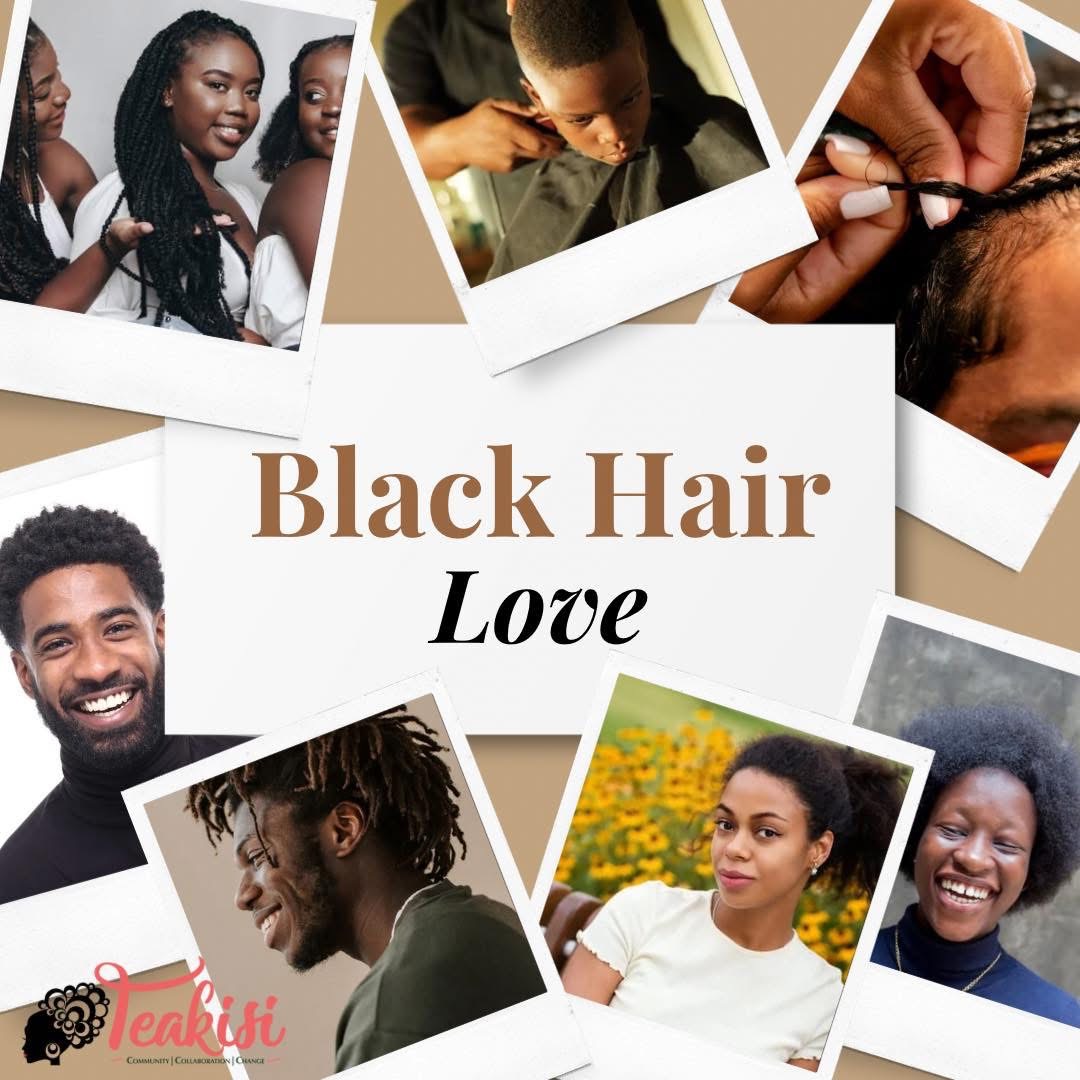
I am calling for an urgent end to hair discrimination in my community in the North East of England, Cumbria, and across the entire United Kingdom. Black people should not be judged, excluded, or penalised because of their natural hair or protective styles. Yet, across schools and workplaces, we continue to face unfair treatment simply for wearing our hair in its natural state. Children are sent home from school for wearing braids or Afros, while professionals are told their natural hair is "unprofessional" or "untidy." Hair discrimination is racial discrimination – full stop.
Research by Pantene, Black Minds Matter and Project Embrace found that 93% of Black people in the UK have experienced some form of hair bias. Among those who have experienced hair discrimination, the most common places where it occurs are: Schools (59%), Workplaces (49%) and Job Interviews (45%). Even more alarming, 52% of individuals reported that hair discrimination negatively impacted their self-esteem or mental health. These statistics highlight just how widespread and harmful hair discrimination is, affecting people from childhood through their professional careers.
Unfortunately, this issue is not just a UK problem – it persists globally, from South Africa to the United States and beyond. The fact that our hair, our identity, is treated as a problem is exhausting and unacceptable. Dual-heritage individuals also experience this discrimination, facing pressure to conform to Eurocentric beauty standards or "tame" their curls to fit into workplaces and schools. Black people should not have to prove their professionalism, intelligence, or competence by changing their hair. These experiences highlight how anti-Blackness is embedded in policies that see textured hair as "messy" or "unkempt." Policy changes need local action, and the North East and Cumbria must not be left behind.
As someone who has personally experienced this discrimination, I know how exhausting it is to constantly defend something as fundamental as hair. I’ve had random people reach out and touch my braids while giving me a compliment - “Oh wow, this is nice!” Okay, thanks, but did you have to touch me? I’ve had my natural hair patted like I’m a pet, followed by, “It’s so fluffy!” I understand curiosity, but do you see me touching yours?
Then there’s the never-ending commentary:
- “Wow, you always change your hairstyle!” - Said like it’s a bad thing
- “You look so different!” - Because I dared to wear my hair in a new protective style.
- “Can you even wash it?” - A patronising and ignorant question that assumes Afro-textured hair is dirty.
- “Your hair is so big; does it get in the way?” - Diminishing natural Black hairstyles by portraying them as obstructive.
Such comments, often framed as compliments or innocent observations, reinforce stereotypes and contribute to a culture where Black people's hair is viewed as an anomaly rather than a natural and professional expression of identity. Through my platform Tribe Tesi and my work with Teakisi, I have heard these stories time and time again. Teakisi has long been a platform for underrepresented voices, and through our advocacy, events, and storytelling, we have exposed the deep-rooted discrimination faced by our community.
Countless individuals have faced similar discrimination: mothers whose children have been forced to cut their hair to meet so-called "appearance policies," employees pressured to straighten their hair just to "fit in," and the emotional and financial burden placed on Black individuals who feel forced to alter their natural hair for acceptance.
However, this petition is not about blaming individuals or institutions, but rather about encouraging self-reflection and awareness of unconscious bias. I recognise that not everyone engages in discriminatory behaviour and that many people, businesses, and organisations actively work towards equality and inclusion. I deeply appreciate the allies who stand with us and the individuals and groups who have campaigned before us to bring attention to this issue. Their efforts have paved the way for change, and we thank them for their commitment to justice and equal opportunities for Black people.
We demand:
- Legal Protection - Explicit inclusion of hair discrimination under the UK Equality Act 2010 to ensure no one is penalised for their natural or protective hairstyles.
- Policy Changes in Schools & Workplaces - A commitment from schools and employers to review and amend policies that unfairly target Afro-textured hair, braids, locs, twists, and other cultural hairstyles.
- Education & Awareness - Mandatory training for educators and employers on racial bias, including hair discrimination, to ensure cultural competency and inclusivity.
- Accountability & Reporting - Clear channels for individuals to report hair discrimination without fear of retaliation, with real consequences for those enforcing discriminatory policies.
This petition is not just about policy; it’s about justice. It’s about ensuring that future generations do not have to face the same discrimination we have endured. It’s about dismantling harmful beauty standards that tell us professionalism and acceptability come in only one form.
I urge you to sign this petition and join me in demanding real change. Tribe Tesi and Teakisi will continue to push for an end to hair discrimination, but we need collective action to make this a reality.
Sign. Share. Speak up. Because hair discrimination has no place in our schools, workplaces, or society.
Other content:
YouTube Shorts: Why Is Black People's Hair Still A Problem?

971
The Issue
To: Local Authorities, Education & Workplace Leaders and the UK Government
I am calling for an urgent end to hair discrimination in my community in the North East of England, Cumbria, and across the entire United Kingdom. Black people should not be judged, excluded, or penalised because of their natural hair or protective styles. Yet, across schools and workplaces, we continue to face unfair treatment simply for wearing our hair in its natural state. Children are sent home from school for wearing braids or Afros, while professionals are told their natural hair is "unprofessional" or "untidy." Hair discrimination is racial discrimination – full stop.
Research by Pantene, Black Minds Matter and Project Embrace found that 93% of Black people in the UK have experienced some form of hair bias. Among those who have experienced hair discrimination, the most common places where it occurs are: Schools (59%), Workplaces (49%) and Job Interviews (45%). Even more alarming, 52% of individuals reported that hair discrimination negatively impacted their self-esteem or mental health. These statistics highlight just how widespread and harmful hair discrimination is, affecting people from childhood through their professional careers.
Unfortunately, this issue is not just a UK problem – it persists globally, from South Africa to the United States and beyond. The fact that our hair, our identity, is treated as a problem is exhausting and unacceptable. Dual-heritage individuals also experience this discrimination, facing pressure to conform to Eurocentric beauty standards or "tame" their curls to fit into workplaces and schools. Black people should not have to prove their professionalism, intelligence, or competence by changing their hair. These experiences highlight how anti-Blackness is embedded in policies that see textured hair as "messy" or "unkempt." Policy changes need local action, and the North East and Cumbria must not be left behind.
As someone who has personally experienced this discrimination, I know how exhausting it is to constantly defend something as fundamental as hair. I’ve had random people reach out and touch my braids while giving me a compliment - “Oh wow, this is nice!” Okay, thanks, but did you have to touch me? I’ve had my natural hair patted like I’m a pet, followed by, “It’s so fluffy!” I understand curiosity, but do you see me touching yours?
Then there’s the never-ending commentary:
- “Wow, you always change your hairstyle!” - Said like it’s a bad thing
- “You look so different!” - Because I dared to wear my hair in a new protective style.
- “Can you even wash it?” - A patronising and ignorant question that assumes Afro-textured hair is dirty.
- “Your hair is so big; does it get in the way?” - Diminishing natural Black hairstyles by portraying them as obstructive.
Such comments, often framed as compliments or innocent observations, reinforce stereotypes and contribute to a culture where Black people's hair is viewed as an anomaly rather than a natural and professional expression of identity. Through my platform Tribe Tesi and my work with Teakisi, I have heard these stories time and time again. Teakisi has long been a platform for underrepresented voices, and through our advocacy, events, and storytelling, we have exposed the deep-rooted discrimination faced by our community.
Countless individuals have faced similar discrimination: mothers whose children have been forced to cut their hair to meet so-called "appearance policies," employees pressured to straighten their hair just to "fit in," and the emotional and financial burden placed on Black individuals who feel forced to alter their natural hair for acceptance.
However, this petition is not about blaming individuals or institutions, but rather about encouraging self-reflection and awareness of unconscious bias. I recognise that not everyone engages in discriminatory behaviour and that many people, businesses, and organisations actively work towards equality and inclusion. I deeply appreciate the allies who stand with us and the individuals and groups who have campaigned before us to bring attention to this issue. Their efforts have paved the way for change, and we thank them for their commitment to justice and equal opportunities for Black people.
We demand:
- Legal Protection - Explicit inclusion of hair discrimination under the UK Equality Act 2010 to ensure no one is penalised for their natural or protective hairstyles.
- Policy Changes in Schools & Workplaces - A commitment from schools and employers to review and amend policies that unfairly target Afro-textured hair, braids, locs, twists, and other cultural hairstyles.
- Education & Awareness - Mandatory training for educators and employers on racial bias, including hair discrimination, to ensure cultural competency and inclusivity.
- Accountability & Reporting - Clear channels for individuals to report hair discrimination without fear of retaliation, with real consequences for those enforcing discriminatory policies.
This petition is not just about policy; it’s about justice. It’s about ensuring that future generations do not have to face the same discrimination we have endured. It’s about dismantling harmful beauty standards that tell us professionalism and acceptability come in only one form.
I urge you to sign this petition and join me in demanding real change. Tribe Tesi and Teakisi will continue to push for an end to hair discrimination, but we need collective action to make this a reality.
Sign. Share. Speak up. Because hair discrimination has no place in our schools, workplaces, or society.
Other content:
YouTube Shorts: Why Is Black People's Hair Still A Problem?
971
Supporter Voices
Petition Updates
Share this petition
Petition created on 22 March 2025