

Ban animal slaughter and sale of meat near Buddhist temples and sacred sites
The Issue
For practising Buddhists, animal lovers and environmentalists it is deeply disturbing to witness the increasing prevalence of slaughterhouses and the commercial selling of meat, near sacred Buddhist sites in India, Nepal and South-East Asia. Shakyamuni Buddha emphasized the crucial importance of non-violence and compassion, and advised people to abandon the killing and consumption of animals for personal gain, health or desire.
Indian law (and other countries) contains general anti-cruelty provisions that apply to animals in captivity. Particularly relevant are the prohibitions on confining an animal in a way that does not permit reasonable opportunity for movement or tethering an animal for an unreasonable time (Section 11 (e)(f)).
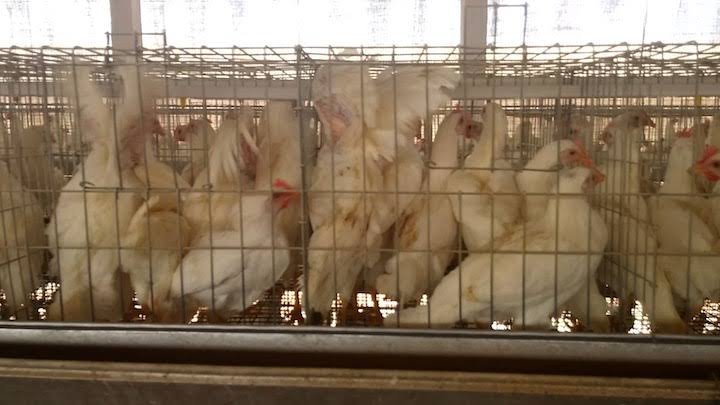
So, it is disheartening (and upsetting) to see such illegal, cruel and barbaric activities (where animals are often kept cooped up in filthy cages, sick and unable to move, in extreme heat, waiting to be slaughtered) operating and making profit from meat-eating consumers around sacred Buddhist temples and sites, such as the sacred Bodhi Temple in Bodh Gaya, where Buddha attained enlightenment.
Buddhist temples and sites represent not only spiritual awakening and wisdom, but also the core ethos of Buddhism, advocating for love, compassion and respect for all living beings. So, it is sad and disturbing that places dedicated to teaching and practising love and peace coexist alongside facilities that engage in the direct opposite: the slaughter of animals. Moreover, it tarnishes and corrupts the sacred sanctity of these spaces for pilgrims and spiritual practitioners who seek spiritual growth and peaceful meditation.
The Buddhist land of Bhutan has banned slaughterhouses nationwide for many years. India, the heartland and home of Buddhism, is recognized as a predominantly (and traditionally) vegetarian country, and yet, the presence of slaughterhouses near these major and influential spiritual centres undermines this cultural heritage and history. It is essential to preserve the integrity and peaceful atmosphere of these pilgrimage locations, enabling practitioners and visitors to immerse themselves fully in the tranquil and serene aura of such historically significant Buddhist sites. Local Indians often say that selling meat in these areas is relatively new and arose mainly from the demand of foreign consumers and pilgrims.
We urge local and national authorities to enact a ban on slaughterhouses and the commercial sale of meat within a stipulated radius of all sacred Buddhist temples and pilgrimage destinations in India, starting with those most revered and frequented by pilgrims. This measure not only adheres to India's cultural and religious values but also respects the teachings of Buddha, fostering an environment of compassion around places of spiritual learning and reflection.
Please lend your support to this noble cause by signing this petition. Peace begins on our plates. Together, we can demonstrate our joint, humane commitment to the principles of compassion, non-violence and respect for all creatures, and honour the sanctity and purpose of these sacred sites.
Background reading: Buddhist Teachings on Eating Slaughtered Animals
CHINESE TRANSLATION
《关于“禁止在佛教寺庙及圣地附近屠宰动物和销售肉类”的请愿书》
对于佛教修行者、动物保护者及环保人士而言,目睹印度、尼泊尔及东南亚地区各佛教圣地附近屠宰场日益泛滥、肉类买卖盛行的可怖景象,令人深感不安!释迦牟尼佛曾强调非暴力与慈悲的至关重要,告诫众生应摒弃为满足个人利益、健康或私欲而做出的杀生食肉行为。
印度法律(及其他国家)设有适用于圈养动物的普遍反虐待条款。其中尤为关键的是禁止以限制动物活动空间的方式囚禁动物,或将其拴系于原地超过合理时限(第11条的e、f款)。
然而令人痛心(且让人愤慨)的是,在诸如菩提伽耶圣菩提寺等伟大的佛教圣地周边,竟依然存在着此类非法、残酷、野蛮的营利活动——动物常被囚禁于污秽牢笼中,病弱难动,甚至在酷热中等待屠宰,且这些场所大多坐落于肉食消费者的聚居区。
我们必须知道,佛教寺庙与圣地不仅象征着觉醒与智慧,更承载着佛教的核心精神,即倡导对一切众生的博爱、慈悲与尊重。令人痛心的是,这些致力于传播爱与和平的场所,竟与从事截然相反行为的屠宰场并存。更甚的是,这种现象完全玷污了朝圣者与修行者寻求精神成长与静心冥想的圣洁性,使圣地蒙尘败坏。
或许我们可以学习不丹。不丹这个佛教国度多年来在全国范围内禁止屠宰场的开设。而印度作为世界佛教的中心和发源地,常被公认为一个以素食为主(且具有传统素食习惯)的国家,然而在这些重要且有影响力的圣地附近仍存在大量的屠宰场,却明显破坏了上述文化遗产和宗教传承。因此,必须维护这些佛教圣地的完整性与宁静氛围,使修行者和游客能够完全沉浸于这些具有历史意义的佛教圣地所散发的宁静祥和气氛中。特别是,当地印度人常言,在这些圣地附近售卖肉类实属近年爆发的现象,且主要源于外国消费者与朝圣者们的物欲需求。
我们敦促国家及地方各级当局颁布禁令,要求在印度所有佛教圣地、寺庙及其周边规定半径范围内,禁止开设屠宰场及从事肉类商业买卖,尤其是从最受尊崇且朝圣者最频繁造访的场所着手改革。此举不仅契合印度的文化和宗教价值,更是践行佛陀教诲,在精神修习与冥想之地营造慈悲氛围的必由之道。
请大家签署此请愿书支持这项崇高的事业。和平始于餐盘。让我们共同践行慈悲、非暴力及尊重众生的理念,以人道精神守护这些圣地的神圣性与使命。

355
The Issue
For practising Buddhists, animal lovers and environmentalists it is deeply disturbing to witness the increasing prevalence of slaughterhouses and the commercial selling of meat, near sacred Buddhist sites in India, Nepal and South-East Asia. Shakyamuni Buddha emphasized the crucial importance of non-violence and compassion, and advised people to abandon the killing and consumption of animals for personal gain, health or desire.
Indian law (and other countries) contains general anti-cruelty provisions that apply to animals in captivity. Particularly relevant are the prohibitions on confining an animal in a way that does not permit reasonable opportunity for movement or tethering an animal for an unreasonable time (Section 11 (e)(f)).
So, it is disheartening (and upsetting) to see such illegal, cruel and barbaric activities (where animals are often kept cooped up in filthy cages, sick and unable to move, in extreme heat, waiting to be slaughtered) operating and making profit from meat-eating consumers around sacred Buddhist temples and sites, such as the sacred Bodhi Temple in Bodh Gaya, where Buddha attained enlightenment.
Buddhist temples and sites represent not only spiritual awakening and wisdom, but also the core ethos of Buddhism, advocating for love, compassion and respect for all living beings. So, it is sad and disturbing that places dedicated to teaching and practising love and peace coexist alongside facilities that engage in the direct opposite: the slaughter of animals. Moreover, it tarnishes and corrupts the sacred sanctity of these spaces for pilgrims and spiritual practitioners who seek spiritual growth and peaceful meditation.
The Buddhist land of Bhutan has banned slaughterhouses nationwide for many years. India, the heartland and home of Buddhism, is recognized as a predominantly (and traditionally) vegetarian country, and yet, the presence of slaughterhouses near these major and influential spiritual centres undermines this cultural heritage and history. It is essential to preserve the integrity and peaceful atmosphere of these pilgrimage locations, enabling practitioners and visitors to immerse themselves fully in the tranquil and serene aura of such historically significant Buddhist sites. Local Indians often say that selling meat in these areas is relatively new and arose mainly from the demand of foreign consumers and pilgrims.
We urge local and national authorities to enact a ban on slaughterhouses and the commercial sale of meat within a stipulated radius of all sacred Buddhist temples and pilgrimage destinations in India, starting with those most revered and frequented by pilgrims. This measure not only adheres to India's cultural and religious values but also respects the teachings of Buddha, fostering an environment of compassion around places of spiritual learning and reflection.
Please lend your support to this noble cause by signing this petition. Peace begins on our plates. Together, we can demonstrate our joint, humane commitment to the principles of compassion, non-violence and respect for all creatures, and honour the sanctity and purpose of these sacred sites.
Background reading: Buddhist Teachings on Eating Slaughtered Animals
CHINESE TRANSLATION
《关于“禁止在佛教寺庙及圣地附近屠宰动物和销售肉类”的请愿书》
对于佛教修行者、动物保护者及环保人士而言,目睹印度、尼泊尔及东南亚地区各佛教圣地附近屠宰场日益泛滥、肉类买卖盛行的可怖景象,令人深感不安!释迦牟尼佛曾强调非暴力与慈悲的至关重要,告诫众生应摒弃为满足个人利益、健康或私欲而做出的杀生食肉行为。
印度法律(及其他国家)设有适用于圈养动物的普遍反虐待条款。其中尤为关键的是禁止以限制动物活动空间的方式囚禁动物,或将其拴系于原地超过合理时限(第11条的e、f款)。
然而令人痛心(且让人愤慨)的是,在诸如菩提伽耶圣菩提寺等伟大的佛教圣地周边,竟依然存在着此类非法、残酷、野蛮的营利活动——动物常被囚禁于污秽牢笼中,病弱难动,甚至在酷热中等待屠宰,且这些场所大多坐落于肉食消费者的聚居区。
我们必须知道,佛教寺庙与圣地不仅象征着觉醒与智慧,更承载着佛教的核心精神,即倡导对一切众生的博爱、慈悲与尊重。令人痛心的是,这些致力于传播爱与和平的场所,竟与从事截然相反行为的屠宰场并存。更甚的是,这种现象完全玷污了朝圣者与修行者寻求精神成长与静心冥想的圣洁性,使圣地蒙尘败坏。
或许我们可以学习不丹。不丹这个佛教国度多年来在全国范围内禁止屠宰场的开设。而印度作为世界佛教的中心和发源地,常被公认为一个以素食为主(且具有传统素食习惯)的国家,然而在这些重要且有影响力的圣地附近仍存在大量的屠宰场,却明显破坏了上述文化遗产和宗教传承。因此,必须维护这些佛教圣地的完整性与宁静氛围,使修行者和游客能够完全沉浸于这些具有历史意义的佛教圣地所散发的宁静祥和气氛中。特别是,当地印度人常言,在这些圣地附近售卖肉类实属近年爆发的现象,且主要源于外国消费者与朝圣者们的物欲需求。
我们敦促国家及地方各级当局颁布禁令,要求在印度所有佛教圣地、寺庙及其周边规定半径范围内,禁止开设屠宰场及从事肉类商业买卖,尤其是从最受尊崇且朝圣者最频繁造访的场所着手改革。此举不仅契合印度的文化和宗教价值,更是践行佛陀教诲,在精神修习与冥想之地营造慈悲氛围的必由之道。
请大家签署此请愿书支持这项崇高的事业。和平始于餐盘。让我们共同践行慈悲、非暴力及尊重众生的理念,以人道精神守护这些圣地的神圣性与使命。
The Decision Makers

Supporter Voices
Petition Updates
Share this petition
Petition created on 10 December 2025