Baldivis For FOGO
The issue
Baldivis residents are currently using a three bin system when it comes to waste removal, as many other shires and city’s are doing. However, Baldivis is not currently on a FOGO system. As it stands, the only waste that can go into the lime green lidded bin are lawn trimmings, leaves, branches and similar. Residents of Baldivis are then left with a less than desirably sized general waste bin to host a weeks worth of waste, and a lime green lidded bin with plenty of room in it (lack of use) leaving many residents frustrated not only with the lack of space, but also litter flying out of bins and down our beautiful streets.
FOGO – or food organics and garden organics – is the term often used when referring to a three-bin system where any waste that once lived (such as food scraps and garden waste) is diverted from landfill and processed to make soil enrichers and compost for use in parks, gardens and in agriculture.
It is an effective approach to waste management in Western Australia that diverts large volumes of food waste. FOGO goes a step further than the ‘garden organics’ or ‘green waste’ bin that some local governments have offered their residents over the past decade.
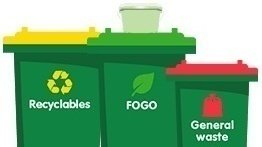
The FOGO bin, with its lime-green lid, is supplied by participating local governments to their residents, together with a yellow-lidded recycling bin and a smaller red-lidded bin for general waste. The FOGO bin is typically collected each week, while recycling and general waste bins are collected on alternate weeks.
We would like to see Baldivis move to the FOGO system, with food scraps and other naturally compostable items able to go into the lime green bin which would be collected weekly, then in turn creating less waste in the red bin, which would be moved to a fortnightly collection.
A FOGO system for Baldivis would mean less waste in landfill, creating less of an environmental impact, more compost for the gardens in our local parks, less litter in our streets and happier residents.
Petition Closed
The issue
Baldivis residents are currently using a three bin system when it comes to waste removal, as many other shires and city’s are doing. However, Baldivis is not currently on a FOGO system. As it stands, the only waste that can go into the lime green lidded bin are lawn trimmings, leaves, branches and similar. Residents of Baldivis are then left with a less than desirably sized general waste bin to host a weeks worth of waste, and a lime green lidded bin with plenty of room in it (lack of use) leaving many residents frustrated not only with the lack of space, but also litter flying out of bins and down our beautiful streets.
FOGO – or food organics and garden organics – is the term often used when referring to a three-bin system where any waste that once lived (such as food scraps and garden waste) is diverted from landfill and processed to make soil enrichers and compost for use in parks, gardens and in agriculture.
It is an effective approach to waste management in Western Australia that diverts large volumes of food waste. FOGO goes a step further than the ‘garden organics’ or ‘green waste’ bin that some local governments have offered their residents over the past decade.
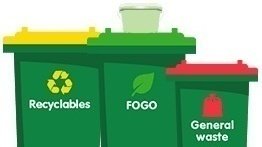
The FOGO bin, with its lime-green lid, is supplied by participating local governments to their residents, together with a yellow-lidded recycling bin and a smaller red-lidded bin for general waste. The FOGO bin is typically collected each week, while recycling and general waste bins are collected on alternate weeks.
We would like to see Baldivis move to the FOGO system, with food scraps and other naturally compostable items able to go into the lime green bin which would be collected weekly, then in turn creating less waste in the red bin, which would be moved to a fortnightly collection.
A FOGO system for Baldivis would mean less waste in landfill, creating less of an environmental impact, more compost for the gardens in our local parks, less litter in our streets and happier residents.
The Decision Makers
Petition Updates
Share this petition
Petition created on 7 February 2022