
An Appeal for Humane Treatment of Users in Manipur, India
An Appeal for Humane Treatment of Users in Manipur, India
The Issue
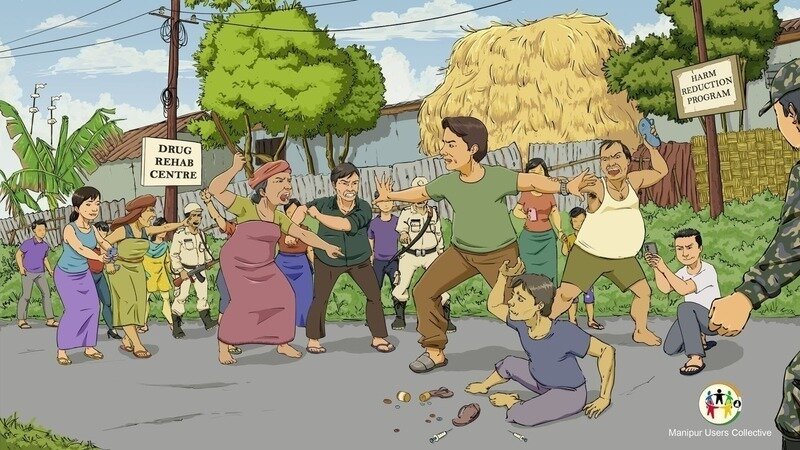
The northeastern state of Manipur, nestled on the border with Myanmar, have been grappling with the scourge of drug use since the late 1980s. Drug users have been marginalized and mistreated, and have long been denied a voice to ventilate their grievances. They endure abuse, harassment, stigmatization, and discrimination, often becoming easy targets for those seeking to prove a point. While the persecution of drug users is not a new phenomenon, recent developments have raised serious concerns. There has been a sharp escalation in the persecution of drug users during the recent past from every front, including forced pick-up, detention and rehabilitation, public humiliation, and physical abuse - some resulting in tragic outcomes. These actions not only violate human rights but also undermine efforts to reduce harm and demand for drugs.
Our youths are particularly vulnerable to drug use. More young people are turning to drugs for the same reasons that anyone does – out of curiosity or frustration, being lured into it, or to fit in with friends. With manufacturing units cropping up in many parts of the state, easy availability of locally produced heroin and accessibility to illicit substances and pharmaceutical drugs also proved to be a major contributing factor in fomenting addiction. When one becomes physically, mentally and spiritually dependent on a particular substance, they start developing tolerance and consequently get caught in the web of addiction. It becomes a nightmare to escape from the habit and what once provided a fleeting high becomes a relentless routine with nothing ahead of them except the next dose. They feel compelled to chase that elusive high by increasing the dosage and often end up overdosing and dying. We shall be failing them as a responsible society if do not find ways to safeguard them from this frightening and vulnerable situation.
We must recognize that addiction is an illness, much like any other health condition. Just as we do not blame someone for falling ill or for not recovering or responding to treatment, we should apply the same understanding to addiction. Global institutions acknowledge that addiction requires compassionate treatment. Unfortunately, the prevailing punitive approach to drug use aggravates the problem. Fear of persecution drives drug users underground, preventing them from accessing essential health services and leaving them vulnerable to severe health consequences. Without immediate intervention, there’s a real risk of the issue spiraling into an epidemic, reminiscent of the challenges faced in the 1990s.
Therefore, we urge the state government, local authorities, and the community at large to –
1. Recognize Addiction as a Health Issue : Let’s shift our perspective. Rather than viewing addiction as a moral failing, let’s acknowledge it as a health condition that requires compassionate treatment.
2. Prioritize Treatment : Evidence-based approaches should take precedence over punitive measures. We must prioritize opted and consented treatment, offering a lifeline to those trapped in addiction.
3. Prevent Mistreatment : Clear guidelines and oversight are essential to prevent the mistreatment of drug users. No one should suffer humiliation or abuse due to their struggles.
4. Effective implementation of Existing Policies and relevant schemes : “The Manipur State Policy on Psychoactive Substances, 2019” and related enactments and schemes such as “NALSA (Legal Services to the Victims of Drug Abuse and the Eradication of the Drug Menace) Scheme, 2015” must be effectively enforced. A dedicated legal authority or an appropriate committee for upholding human rights and ethical standards towards addressing substance use issues should be duly constituted.
Referential links : https://nalsa.gov.in/acts-rules/preventive-strategic-legal-services-schemes/nalsa-legal-services-to-the-victims-of-drug-abuse-and-eradication-of-drug-menace-scheme-2015
5. Raise Awareness : Public awareness programs can educate people about the complexities of addiction and the importance of supportive care. Let’s dispel myths and foster empathy.
6. Demand Accountability : Those who violate human rights must be held accountable. Justice is essential for healing and progress.
By signing this petition, we are not only voicing our concern but also advocating for a shift in perspective. We believe that every individual deserves to be treated with compassion, dignity and respect, regardless of their struggles. It is time to replace stigma and discrimination with empathy and support.
Together, we can bring about positive change and create a more just, healthy and compassionate society.

776
The Issue
The northeastern state of Manipur, nestled on the border with Myanmar, have been grappling with the scourge of drug use since the late 1980s. Drug users have been marginalized and mistreated, and have long been denied a voice to ventilate their grievances. They endure abuse, harassment, stigmatization, and discrimination, often becoming easy targets for those seeking to prove a point. While the persecution of drug users is not a new phenomenon, recent developments have raised serious concerns. There has been a sharp escalation in the persecution of drug users during the recent past from every front, including forced pick-up, detention and rehabilitation, public humiliation, and physical abuse - some resulting in tragic outcomes. These actions not only violate human rights but also undermine efforts to reduce harm and demand for drugs.
Our youths are particularly vulnerable to drug use. More young people are turning to drugs for the same reasons that anyone does – out of curiosity or frustration, being lured into it, or to fit in with friends. With manufacturing units cropping up in many parts of the state, easy availability of locally produced heroin and accessibility to illicit substances and pharmaceutical drugs also proved to be a major contributing factor in fomenting addiction. When one becomes physically, mentally and spiritually dependent on a particular substance, they start developing tolerance and consequently get caught in the web of addiction. It becomes a nightmare to escape from the habit and what once provided a fleeting high becomes a relentless routine with nothing ahead of them except the next dose. They feel compelled to chase that elusive high by increasing the dosage and often end up overdosing and dying. We shall be failing them as a responsible society if do not find ways to safeguard them from this frightening and vulnerable situation.
We must recognize that addiction is an illness, much like any other health condition. Just as we do not blame someone for falling ill or for not recovering or responding to treatment, we should apply the same understanding to addiction. Global institutions acknowledge that addiction requires compassionate treatment. Unfortunately, the prevailing punitive approach to drug use aggravates the problem. Fear of persecution drives drug users underground, preventing them from accessing essential health services and leaving them vulnerable to severe health consequences. Without immediate intervention, there’s a real risk of the issue spiraling into an epidemic, reminiscent of the challenges faced in the 1990s.
Therefore, we urge the state government, local authorities, and the community at large to –
1. Recognize Addiction as a Health Issue : Let’s shift our perspective. Rather than viewing addiction as a moral failing, let’s acknowledge it as a health condition that requires compassionate treatment.
2. Prioritize Treatment : Evidence-based approaches should take precedence over punitive measures. We must prioritize opted and consented treatment, offering a lifeline to those trapped in addiction.
3. Prevent Mistreatment : Clear guidelines and oversight are essential to prevent the mistreatment of drug users. No one should suffer humiliation or abuse due to their struggles.
4. Effective implementation of Existing Policies and relevant schemes : “The Manipur State Policy on Psychoactive Substances, 2019” and related enactments and schemes such as “NALSA (Legal Services to the Victims of Drug Abuse and the Eradication of the Drug Menace) Scheme, 2015” must be effectively enforced. A dedicated legal authority or an appropriate committee for upholding human rights and ethical standards towards addressing substance use issues should be duly constituted.
Referential links : https://nalsa.gov.in/acts-rules/preventive-strategic-legal-services-schemes/nalsa-legal-services-to-the-victims-of-drug-abuse-and-eradication-of-drug-menace-scheme-2015
5. Raise Awareness : Public awareness programs can educate people about the complexities of addiction and the importance of supportive care. Let’s dispel myths and foster empathy.
6. Demand Accountability : Those who violate human rights must be held accountable. Justice is essential for healing and progress.
By signing this petition, we are not only voicing our concern but also advocating for a shift in perspective. We believe that every individual deserves to be treated with compassion, dignity and respect, regardless of their struggles. It is time to replace stigma and discrimination with empathy and support.
Together, we can bring about positive change and create a more just, healthy and compassionate society.
776
Petition Updates
Share this petition
Petition created on 1 June 2024