

AMIE Recognition from MHRD, AICTE, Government of India
The Issue
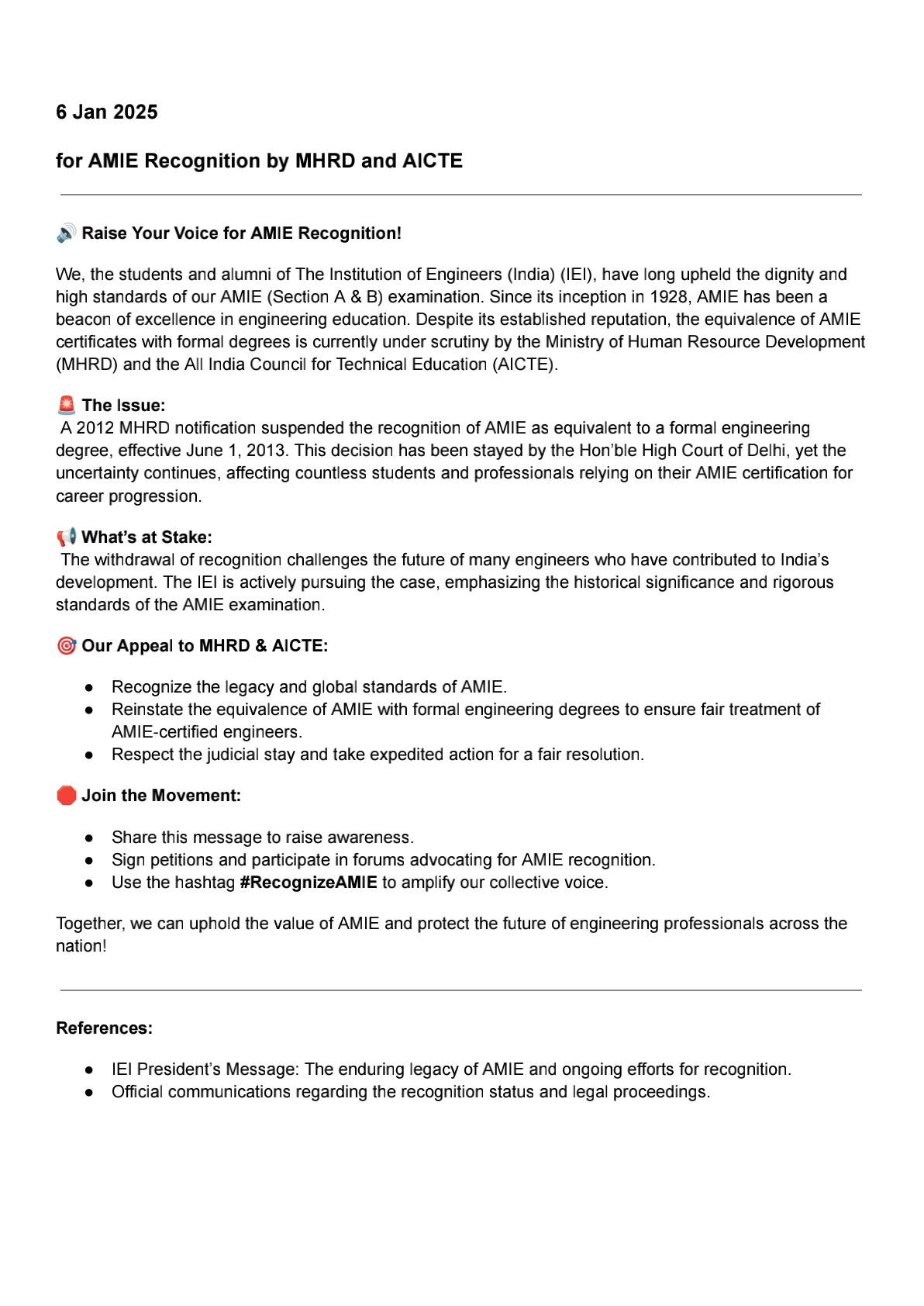
6 Jan 2025
for AMIE Recognition by MHRD and AICTE
🔊 Raise Your Voice for AMIE Recognition!
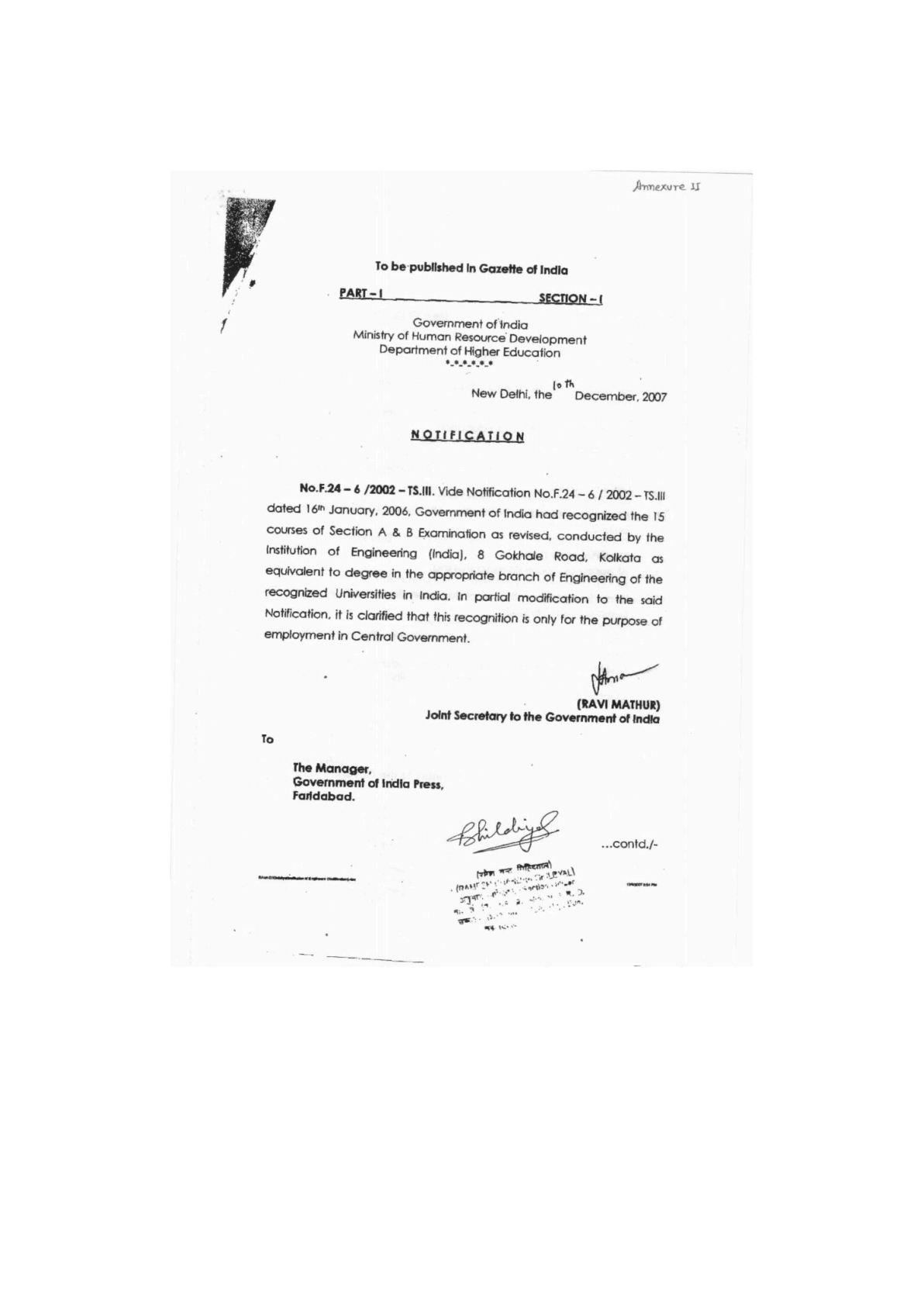
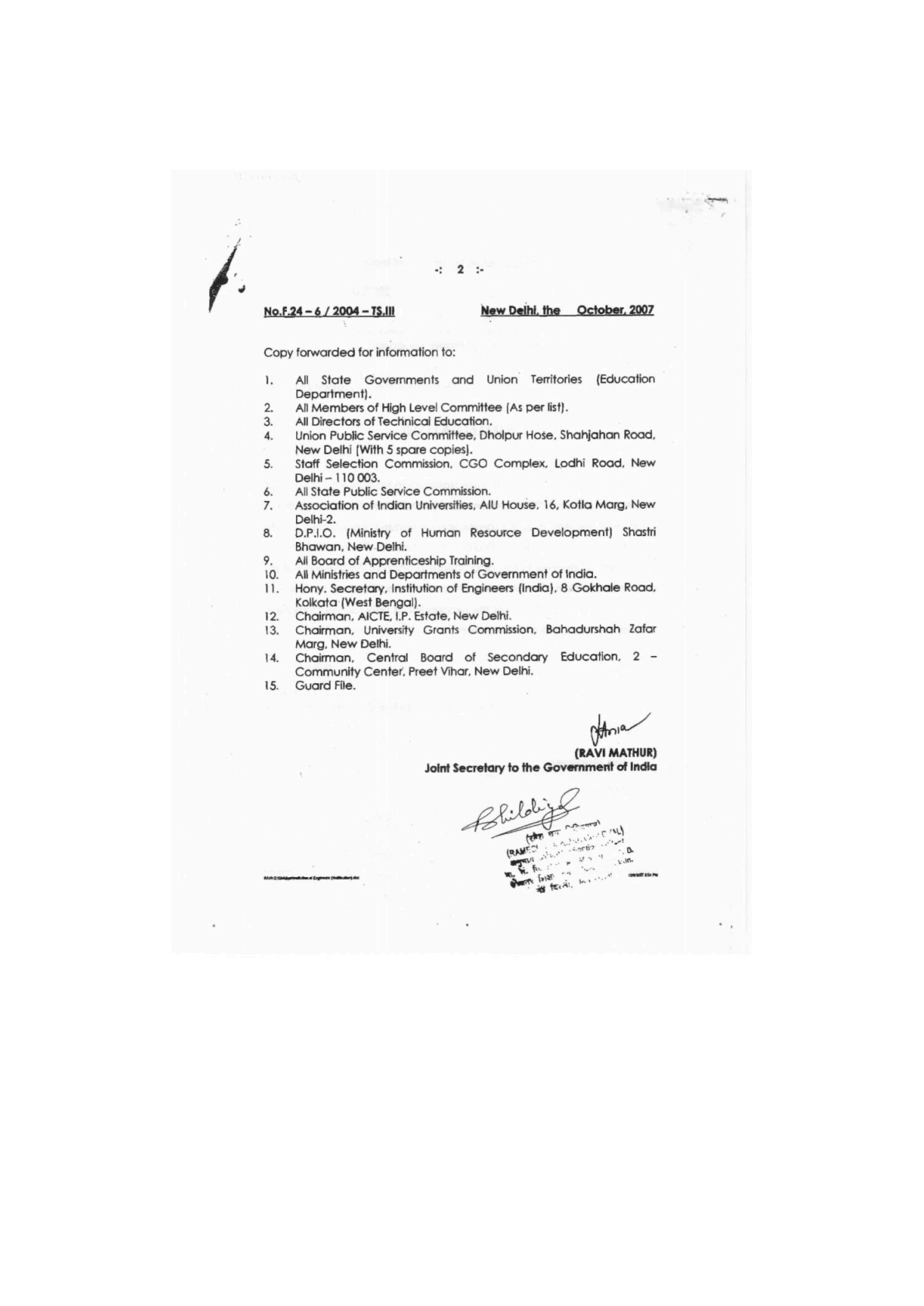
We, the students and alumni of The Institution of Engineers (India) (IEI), have long upheld the dignity and high standards of our AMIE (Section A & B) examination. Since its inception in 1928, AMIE has been a beacon of excellence in engineering education. Despite its established reputation, the equivalence of AMIE certificates with formal degrees is currently under scrutiny by the Ministry of Human Resource Development (MHRD) and the All India Council for Technical Education (AICTE).
🚨 The Issue:
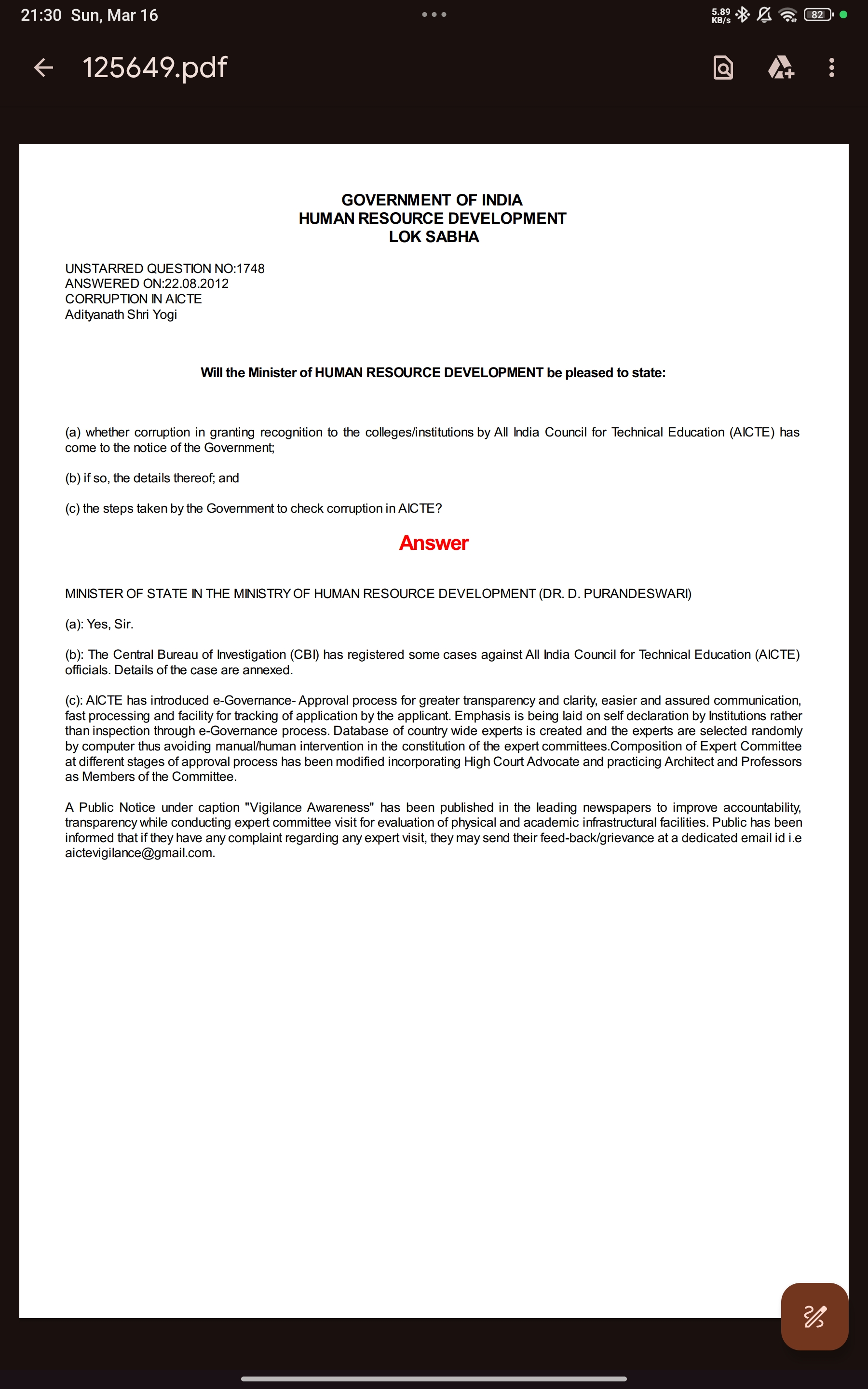
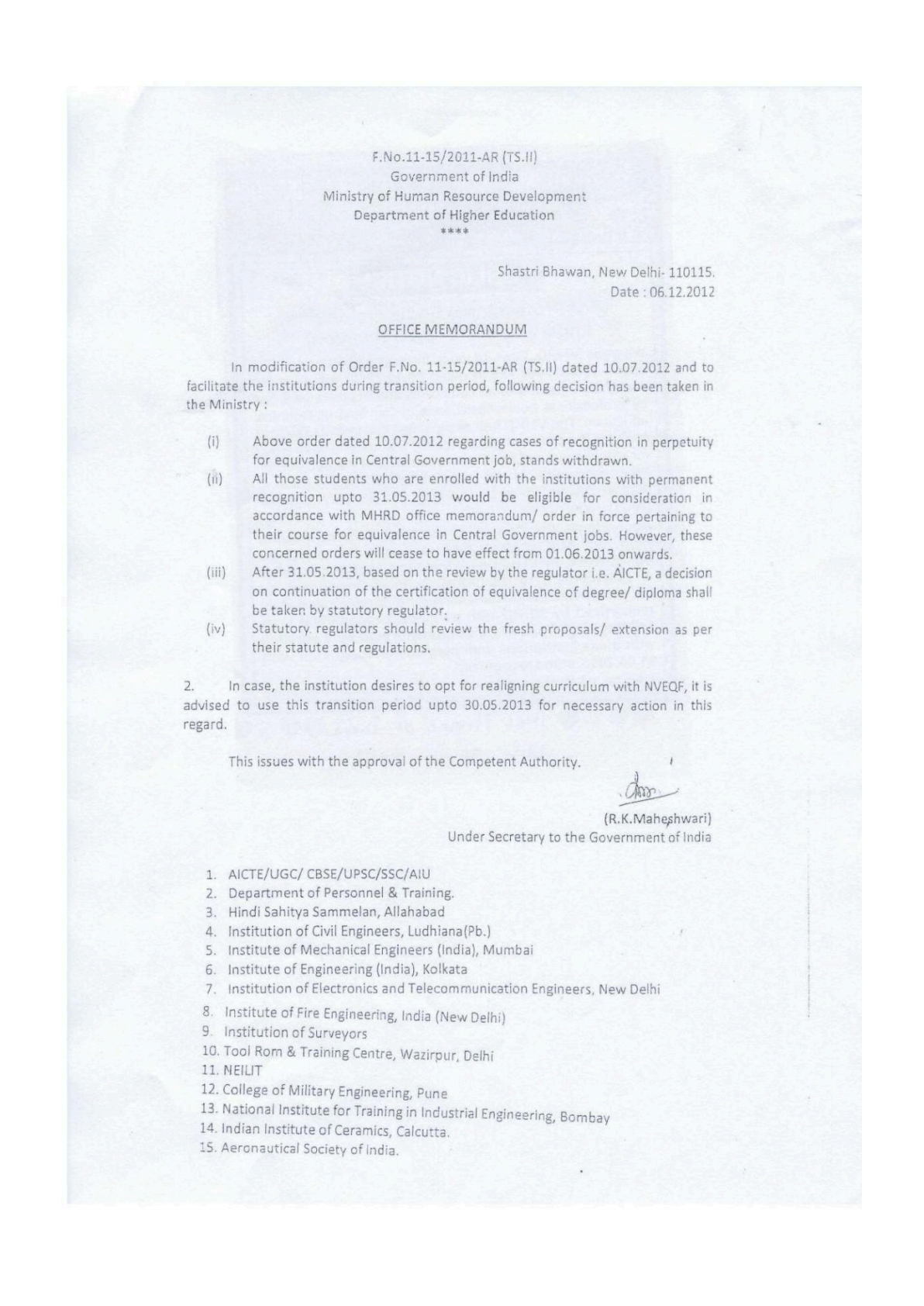
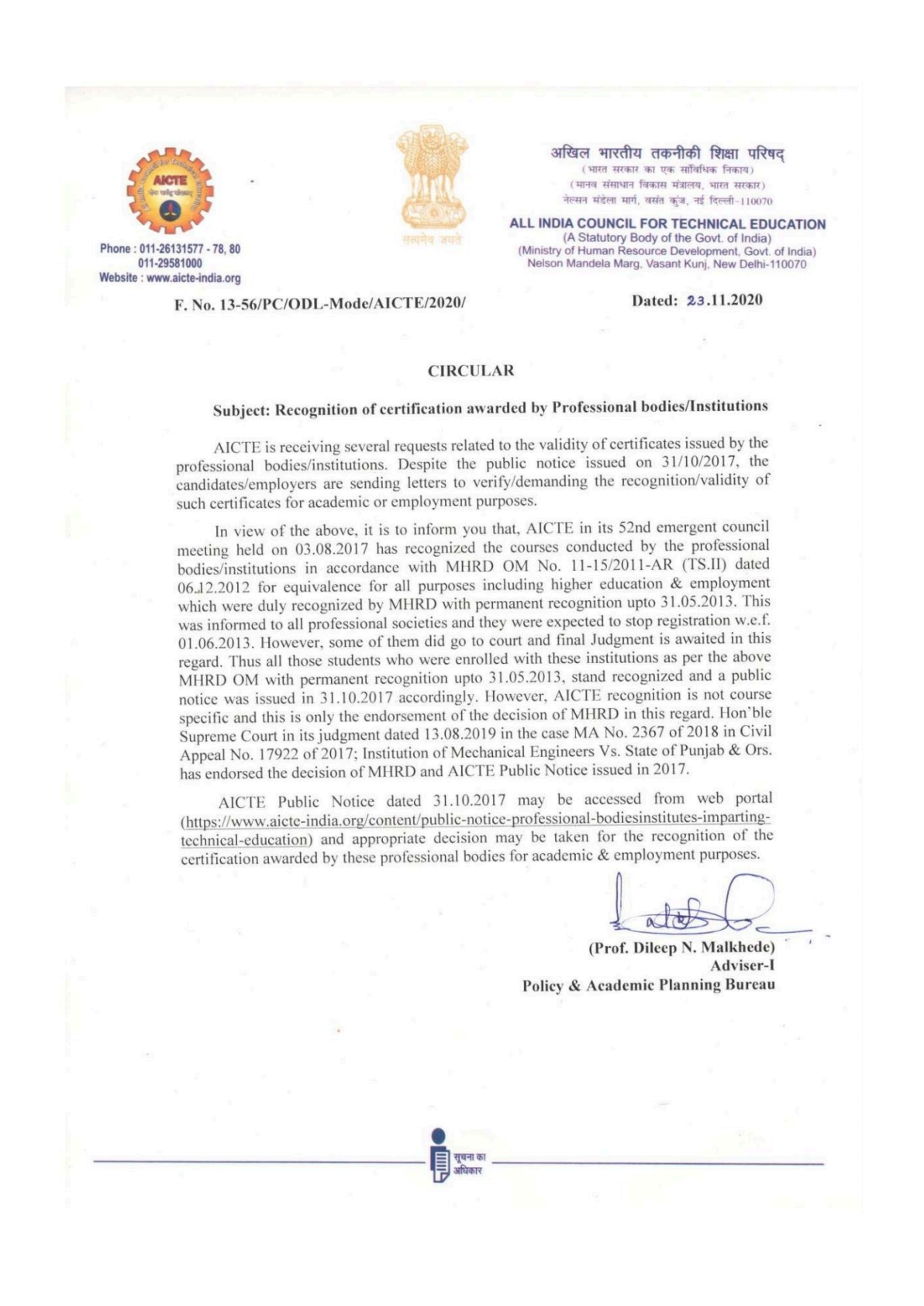
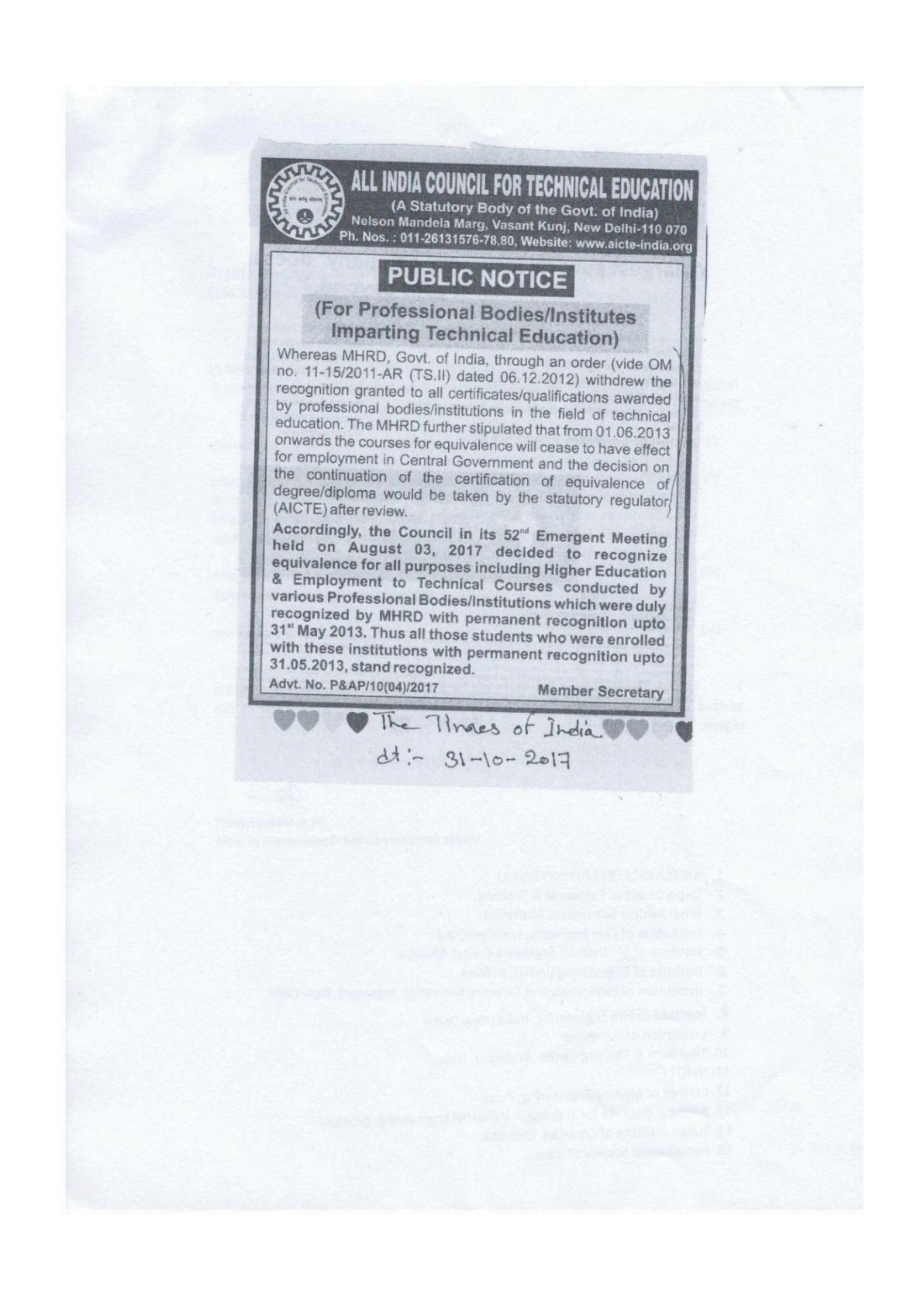
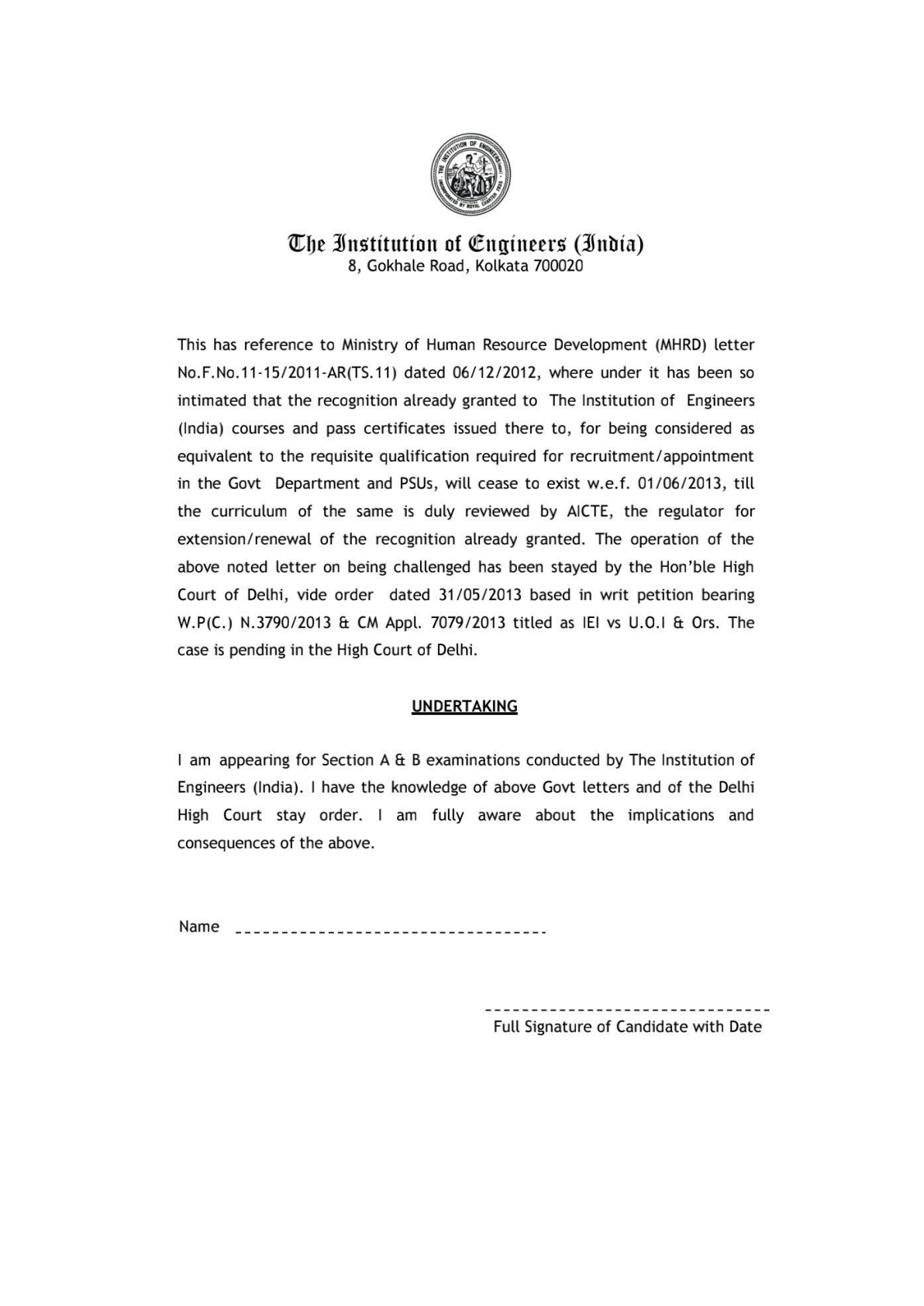
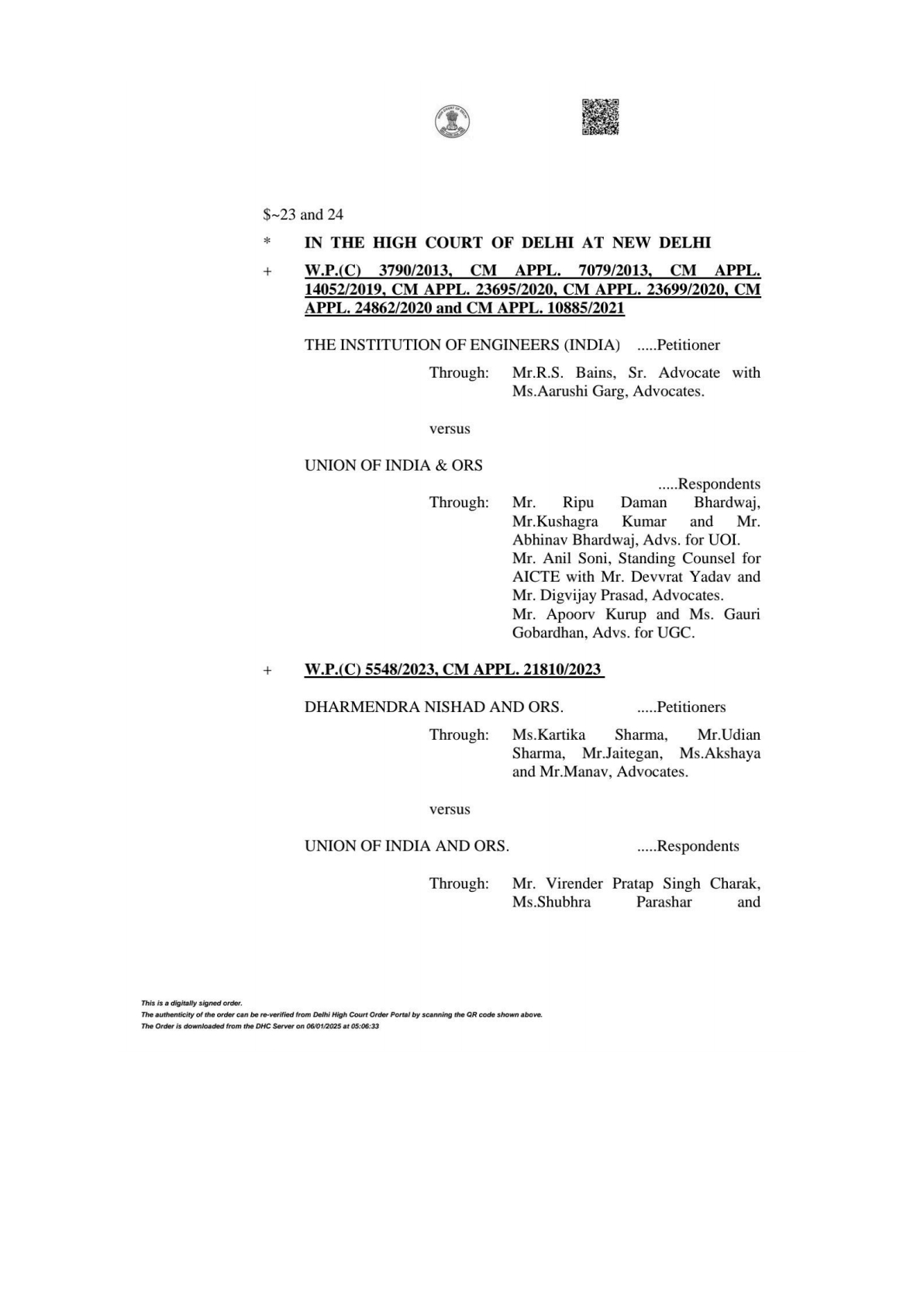
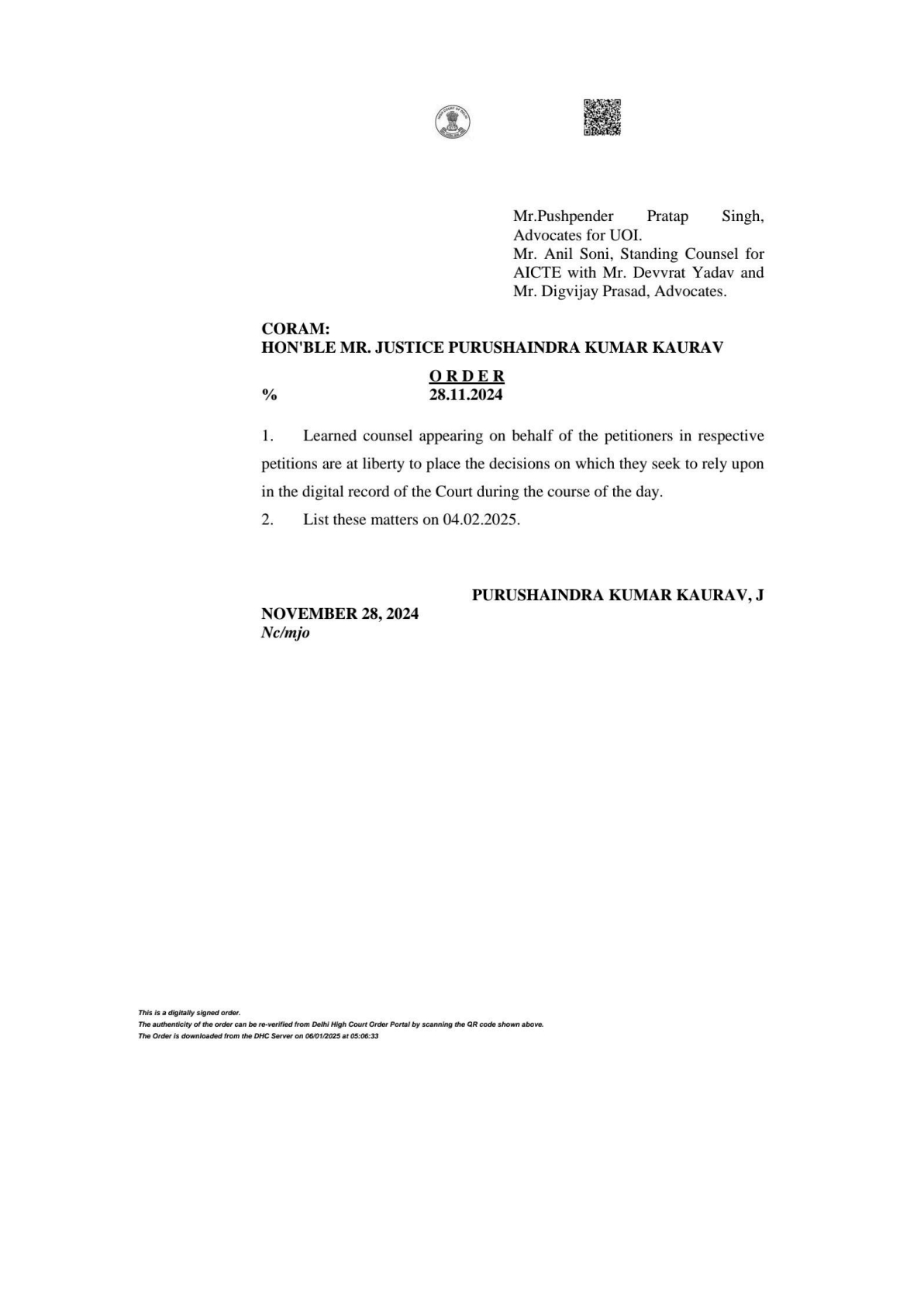
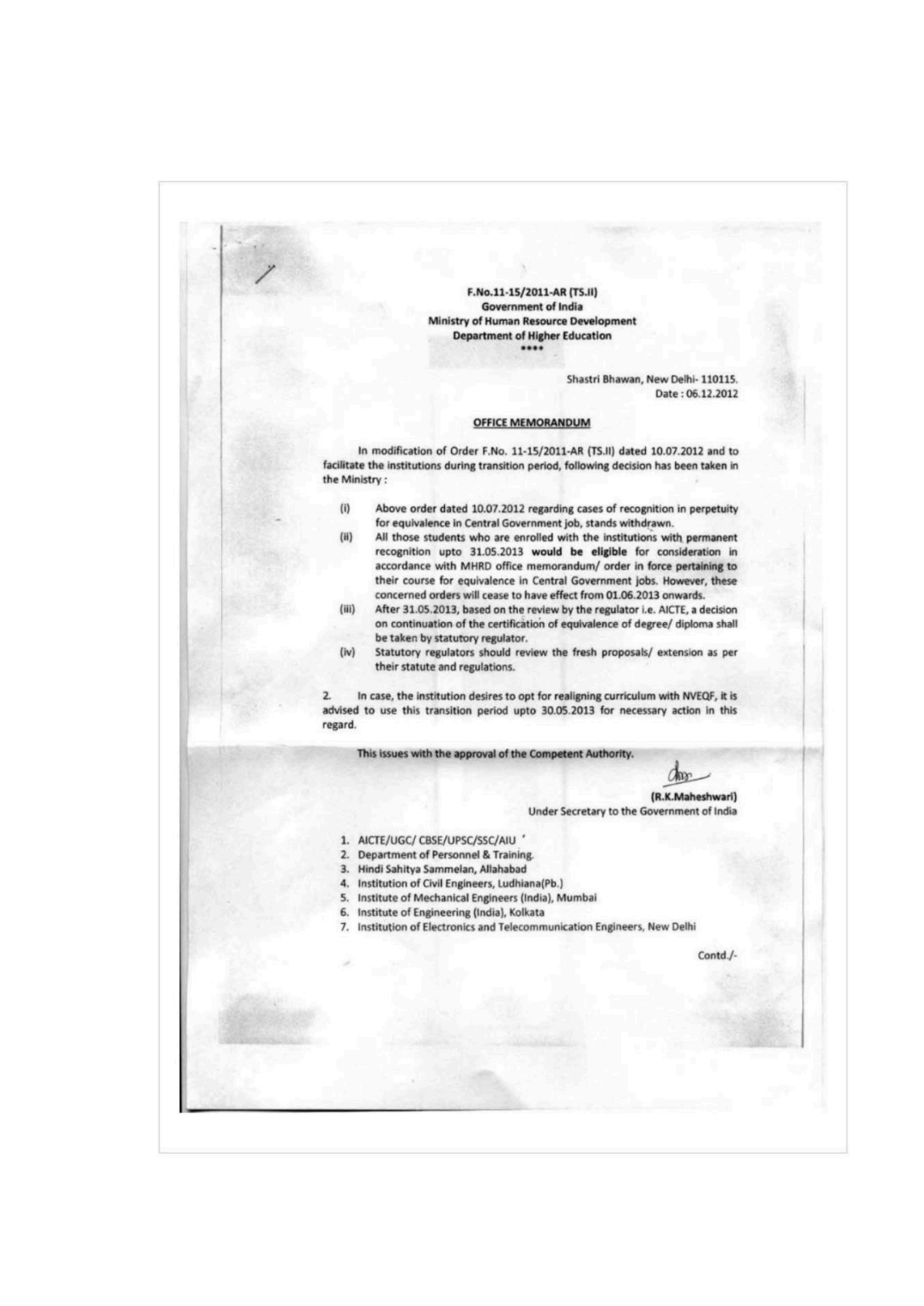
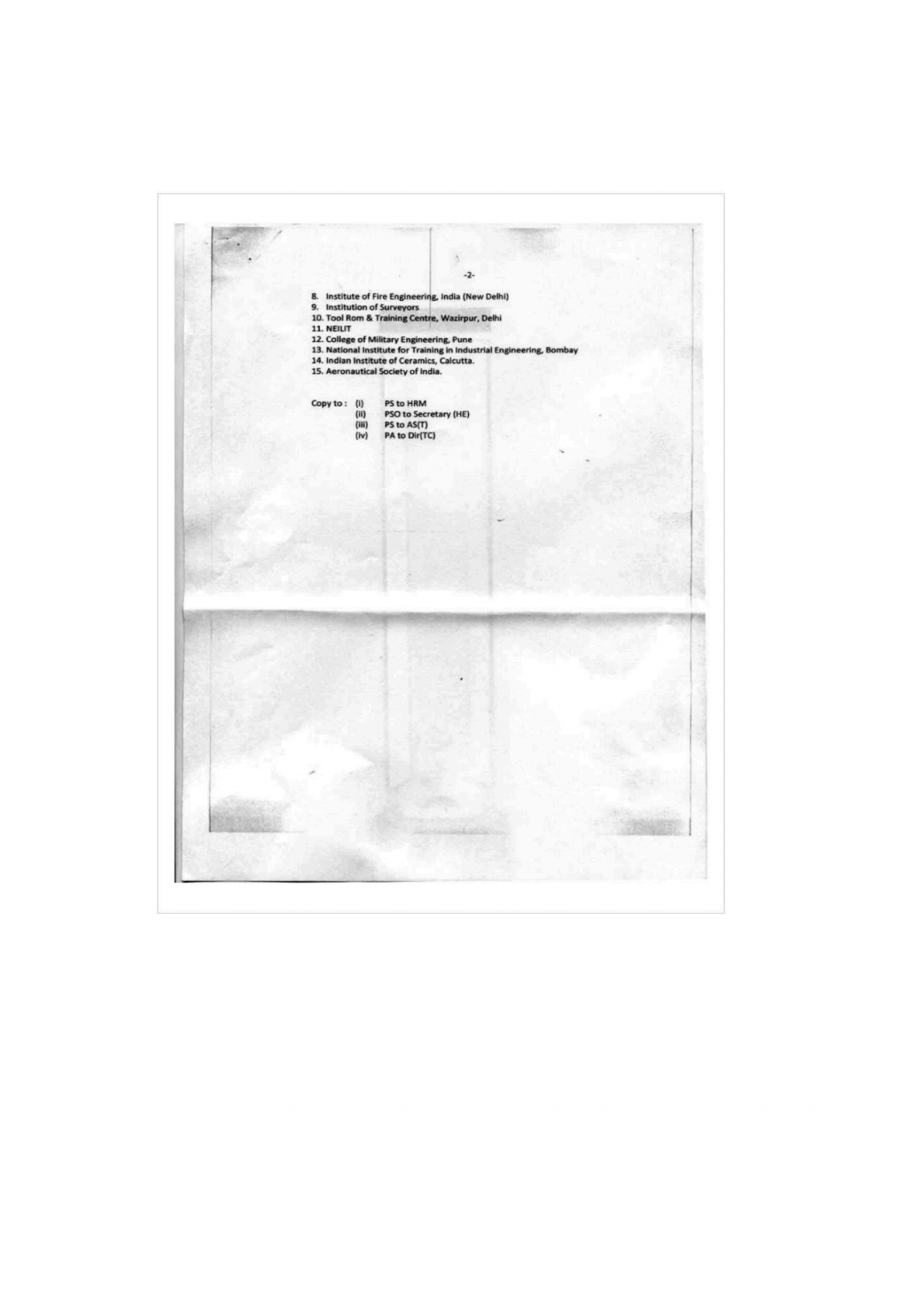
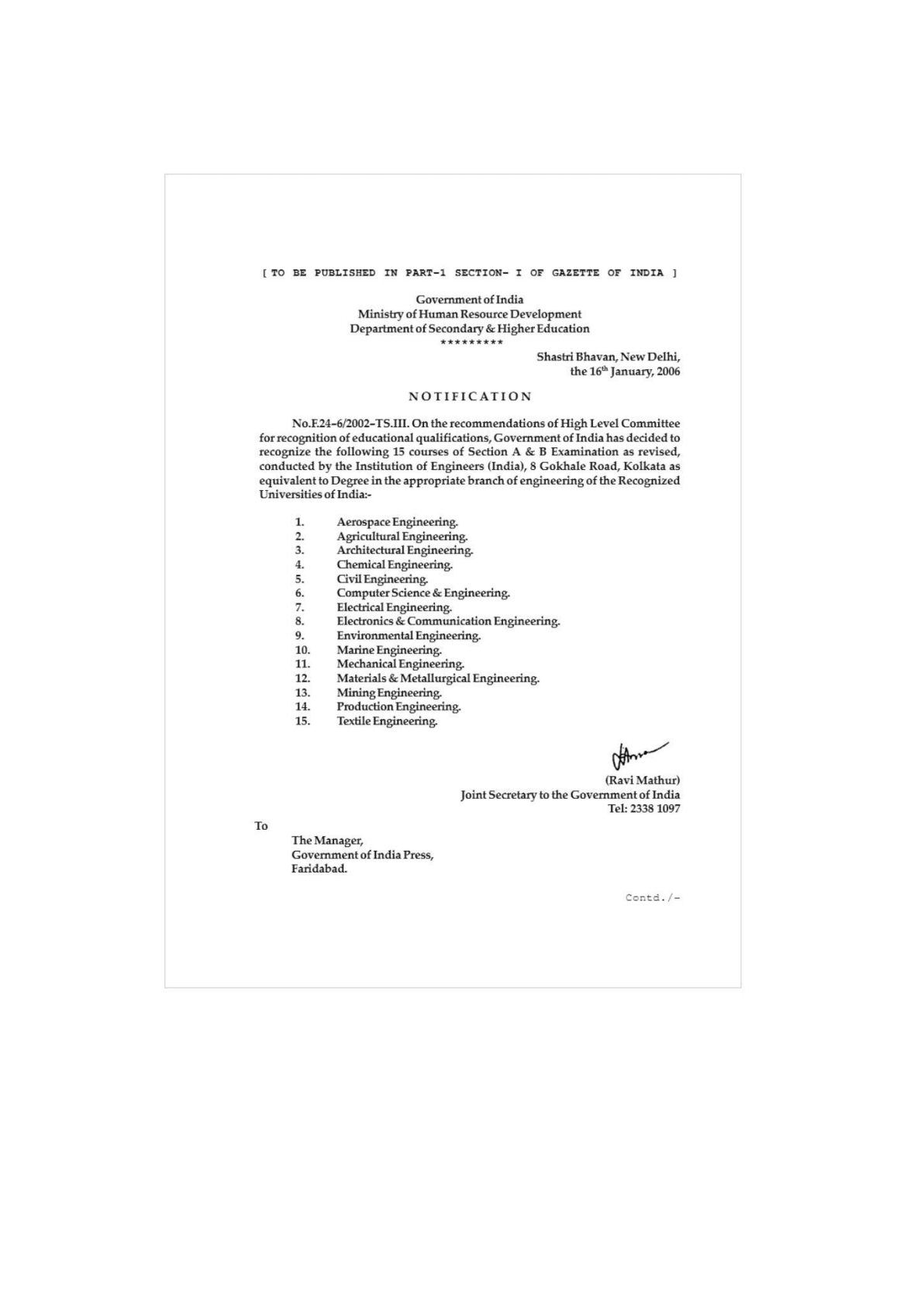
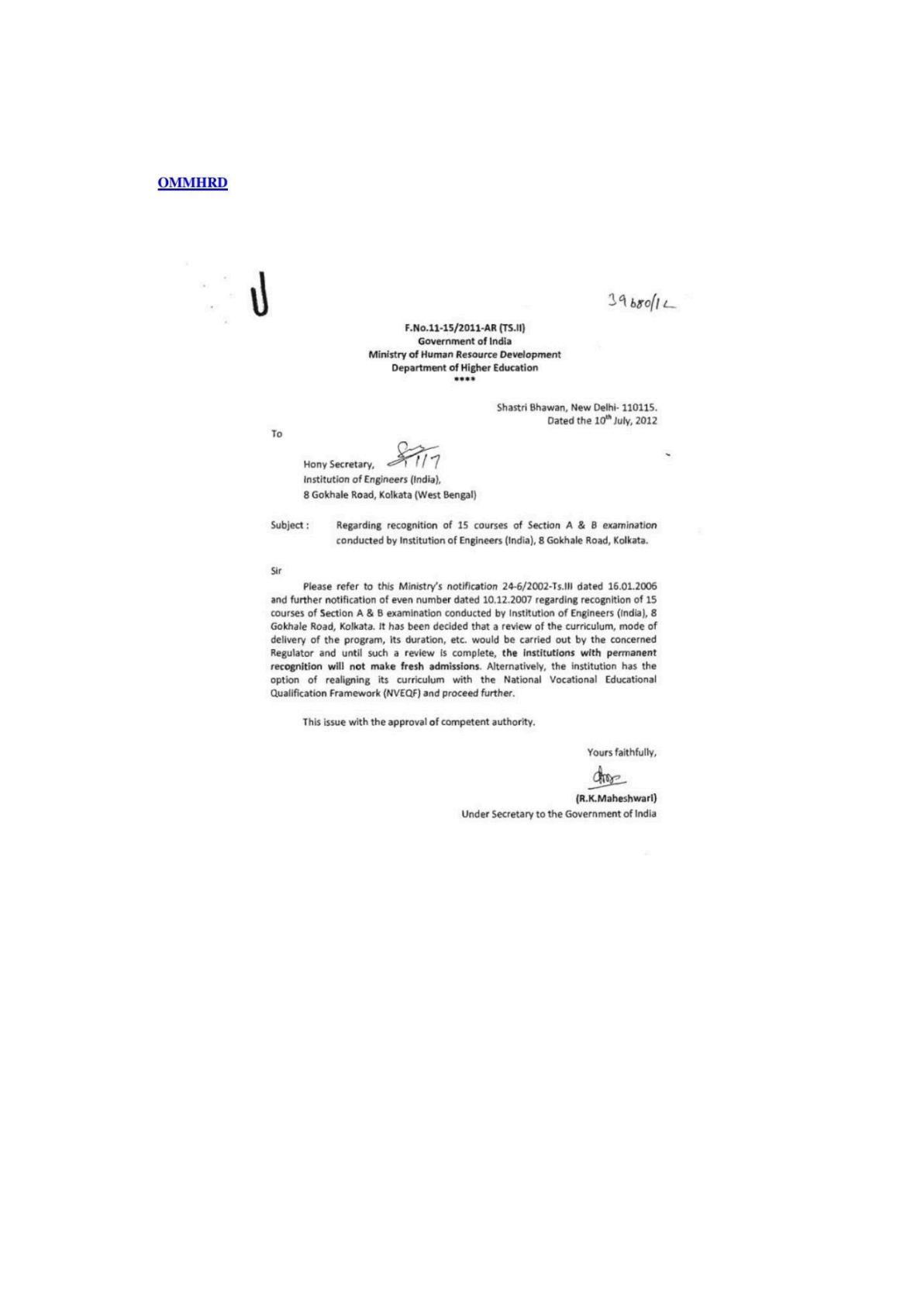
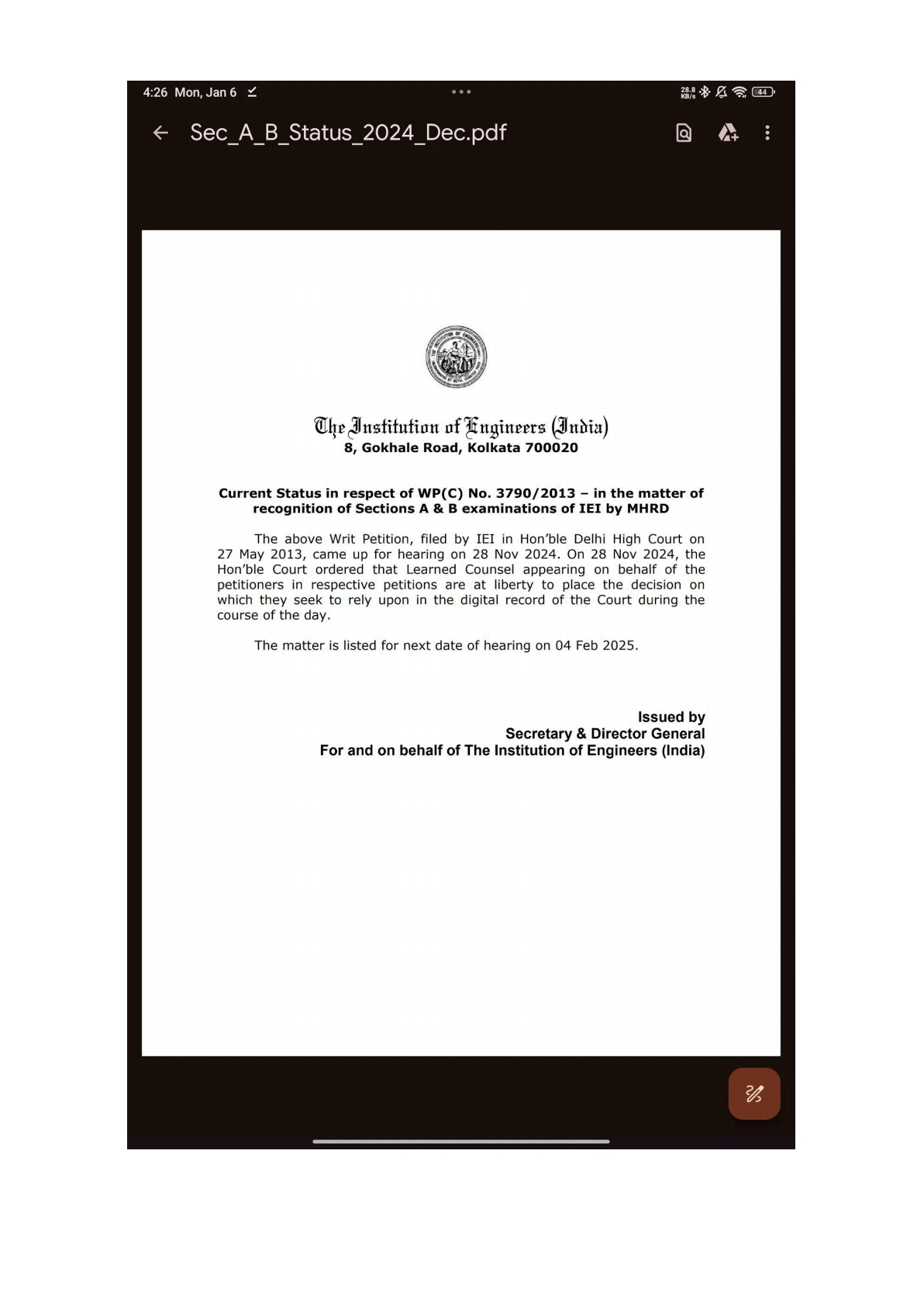
A 2012 MHRD notification suspended the recognition of AMIE as equivalent to a formal engineering degree, effective June 1, 2013. This decision has been stayed by the Hon’ble High Court of Delhi, yet the uncertainty continues, affecting countless students and professionals relying on their AMIE certification for career progression.
📢 What’s at Stake:
The withdrawal of recognition challenges the future of many engineers who have contributed to India’s development. The IEI is actively pursuing the case, emphasizing the historical significance and rigorous standards of the AMIE examination.
🎯 Our Appeal to MHRD & AICTE:
Recognize the legacy and global standards of AMIE.
Reinstate the equivalence of AMIE with formal engineering degrees to ensure fair treatment of AMIE-certified engineers.
Respect the judicial stay and take expedited action for a fair resolution.
🛑 Join the Movement:
Share this message to raise awareness.
Sign petitions and participate in forums advocating for AMIE recognition.
Use the hashtag #RecognizeAMIE to amplify our collective voice.
Together, we can uphold the value of AMIE and protect the future of engineering professionals across the nation!
References:
IEI President’s Message: The enduring legacy of AMIE and ongoing efforts for recognition.
Official communications regarding the recognition status and legal proceedings.
Aspect
AMIE
B.Tech
Curriculum
Section A (basic sciences), Section B (core engineering), project work, and 10 lab experiments.
Eight semesters covering core subjects, electives, projects, and numerous lab sessions.
Standards
High standards with rigorous assessments. Comparable to B.Tech in content.
Governed by AICTE/UGC, with a standardized curriculum and assessments.
Assessment
Written exams twice a year. 50% minimum to pass each subject.
Continuous assessment through quizzes, assignments, and exams. Passing marks typically 40-50%.
Grading
50% required to pass, with distinctions for high performance.
GPA/percentage-based grading, with distinctions for top achievers.
Recognition
Historically equivalent to B.Tech; currently facing recognition challenges with MHRD & AICTE.
Universally accepted for higher education and employment.
Flexibility
Ideal for working professionals; self-paced learning.
Full-time with fixed schedules; requires regular attendance.
Practical Exposure
Includes project work and 10 lab experiments. Practical knowledge often gained through work experience.
Extensive lab sessions, internships, and real-world projects.
Ideal For
Those needing flexible study options, like working professionals.
Students looking for a traditional, immersive educational experience.
Project Work
One mandatory project in the final stage of the course.
Typically one or more major projects throughout the program.
Lab Experiments
10 compulsory lab experiments in engineering disciplines.
Numerous lab experiments integrated into each semester.
Regulatory Oversight
Conducted by IEI; recognition issues with AICTE/MHRD are ongoing.
Directly regulated by AICTE/UGC with recognized standards.
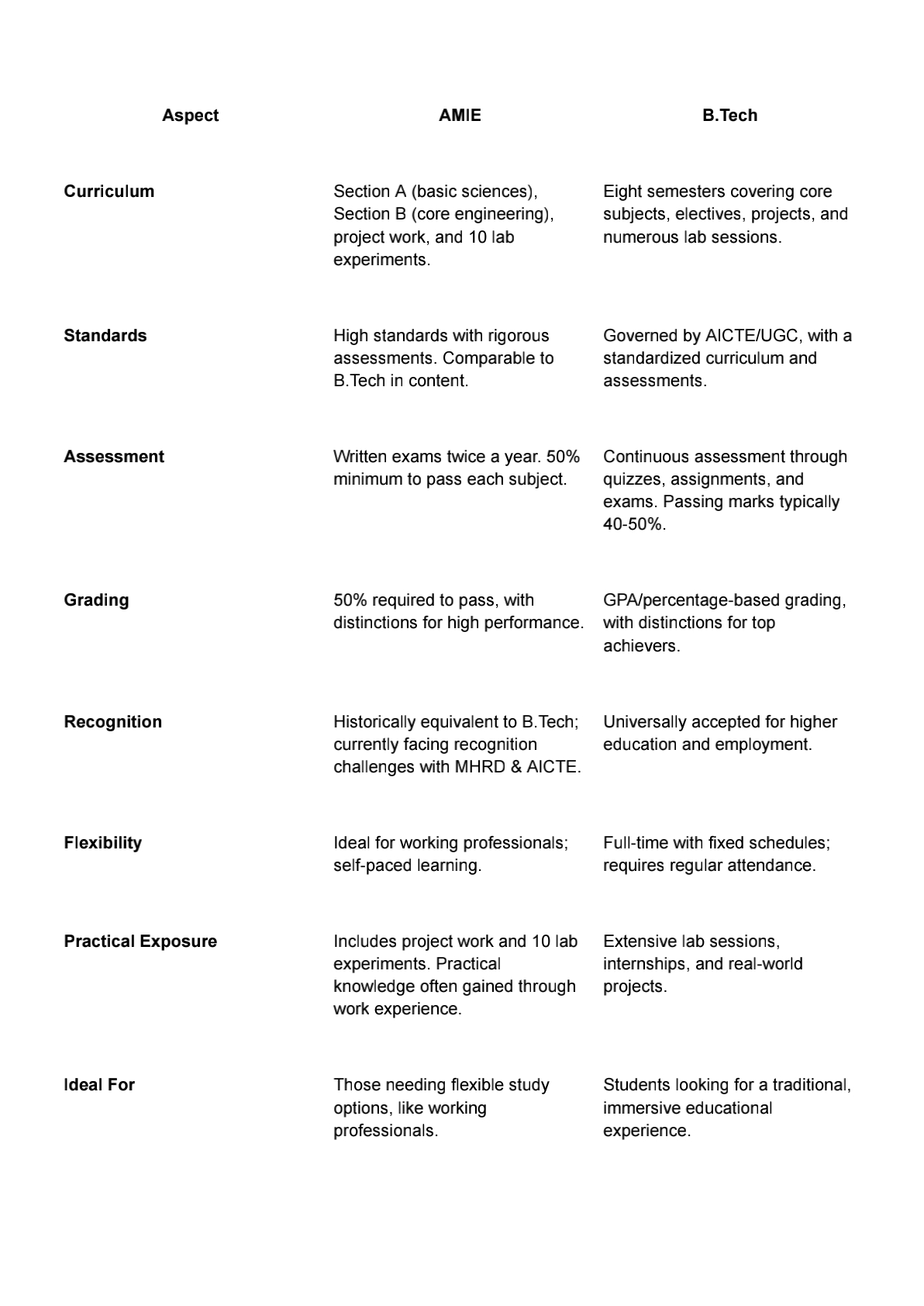
This table highlights the equivalence and differences between AMIE and B.Tech, focusing on curriculum details, practical work, and recognition.

215
The Issue
6 Jan 2025
for AMIE Recognition by MHRD and AICTE
🔊 Raise Your Voice for AMIE Recognition!
We, the students and alumni of The Institution of Engineers (India) (IEI), have long upheld the dignity and high standards of our AMIE (Section A & B) examination. Since its inception in 1928, AMIE has been a beacon of excellence in engineering education. Despite its established reputation, the equivalence of AMIE certificates with formal degrees is currently under scrutiny by the Ministry of Human Resource Development (MHRD) and the All India Council for Technical Education (AICTE).
🚨 The Issue:
A 2012 MHRD notification suspended the recognition of AMIE as equivalent to a formal engineering degree, effective June 1, 2013. This decision has been stayed by the Hon’ble High Court of Delhi, yet the uncertainty continues, affecting countless students and professionals relying on their AMIE certification for career progression.
📢 What’s at Stake:
The withdrawal of recognition challenges the future of many engineers who have contributed to India’s development. The IEI is actively pursuing the case, emphasizing the historical significance and rigorous standards of the AMIE examination.
🎯 Our Appeal to MHRD & AICTE:
Recognize the legacy and global standards of AMIE.
Reinstate the equivalence of AMIE with formal engineering degrees to ensure fair treatment of AMIE-certified engineers.
Respect the judicial stay and take expedited action for a fair resolution.
🛑 Join the Movement:
Share this message to raise awareness.
Sign petitions and participate in forums advocating for AMIE recognition.
Use the hashtag #RecognizeAMIE to amplify our collective voice.
Together, we can uphold the value of AMIE and protect the future of engineering professionals across the nation!
References:
IEI President’s Message: The enduring legacy of AMIE and ongoing efforts for recognition.
Official communications regarding the recognition status and legal proceedings.
Aspect
AMIE
B.Tech
Curriculum
Section A (basic sciences), Section B (core engineering), project work, and 10 lab experiments.
Eight semesters covering core subjects, electives, projects, and numerous lab sessions.
Standards
High standards with rigorous assessments. Comparable to B.Tech in content.
Governed by AICTE/UGC, with a standardized curriculum and assessments.
Assessment
Written exams twice a year. 50% minimum to pass each subject.
Continuous assessment through quizzes, assignments, and exams. Passing marks typically 40-50%.
Grading
50% required to pass, with distinctions for high performance.
GPA/percentage-based grading, with distinctions for top achievers.
Recognition
Historically equivalent to B.Tech; currently facing recognition challenges with MHRD & AICTE.
Universally accepted for higher education and employment.
Flexibility
Ideal for working professionals; self-paced learning.
Full-time with fixed schedules; requires regular attendance.
Practical Exposure
Includes project work and 10 lab experiments. Practical knowledge often gained through work experience.
Extensive lab sessions, internships, and real-world projects.
Ideal For
Those needing flexible study options, like working professionals.
Students looking for a traditional, immersive educational experience.
Project Work
One mandatory project in the final stage of the course.
Typically one or more major projects throughout the program.
Lab Experiments
10 compulsory lab experiments in engineering disciplines.
Numerous lab experiments integrated into each semester.
Regulatory Oversight
Conducted by IEI; recognition issues with AICTE/MHRD are ongoing.
Directly regulated by AICTE/UGC with recognized standards.
This table highlights the equivalence and differences between AMIE and B.Tech, focusing on curriculum details, practical work, and recognition.
Petition Updates
Share this petition
Petition created on 5 January 2025