21 YEARS OF INJUSTICE! Demand Accountability for the GATUMBA Massacre.

21 YEARS OF INJUSTICE! Demand Accountability for the GATUMBA Massacre.
The Issue
Over 160 Banyamulenge refugees were brutally massacred in Gatumba in 2004. Survivors and families are still waiting for justice. Demand international accountability now.
On the night of August 13, 2004, the Gatumba refugee camp in Burundi, operated by the United Nations, was attacked in one of the most brutal massacres in the region’s recent history. The assault resulted in the deaths of 166 people and injuries to 106 others, most of whom were Banyamulenge a Congolese Tutsi ethnic minority who had fled ethnic violence in the Democratic Republic of the Congo (DRC). The attack was carried out by the Forces Nationales pour la Liberation (FNL), a Hutu extremist rebel group from Burundi alongside Mai Mai militia members from Congo (DRC)
BACKGROUND
Gatumba refugee camp, which was overseen by the United Nations High Commissioner for Refugees (UNHCR), sheltered 1,767 Congolese Banyamulenge refugees, most of whom had fled violent ethnic persecution and warfare in the Democratic Republic of the Congo (DRC). The Banyamulenge ethnic Tutsis native to eastern Congo had become particular targets of hostility due to their perceived ties to Rwanda. Their displacement to Gatumba followed the May 2004 mutiny in Bukavu, when Tutsi-led forces temporarily seized control of the city before being ousted by the Congolese national army (FARDC). Fearing retribution and communal violence, thousands of Banyamulenge fled across the border to neighboring country Burundi in search of protection.
At around 10:00 PM that night, hundreds of armed men, some in military uniforms and accompanied by women and children, descended on the camp in a coordinated assault. Witnesses described the attackers as chanting religious hymns and beating drums before unleashing their weapons on the sleeping population. The assailants used automatic rifles, grenades, machetes, and fire, setting tents ablaze and killing civilians indiscriminately including infants, pregnant women, and elderly refugees. The violence lasted for several hours, with no significant intervention from Burundian security forces stationed nearby. When the attack ended, 166 people were confirmed dead, and at least 106 others were seriously wounded. The Forces Nationales de Libération (FNL), a Burundian Hutu rebel group, later claimed responsibility through its spokesperson, Pasteur Habimana, falsely accusing the refugees of being armed Rwandan collaborators preparing an invasion of Burundi. The FNL had at that point refused to join peace talks that were ending Burundi’s civil war and had lost significant influence making the attack a political and symbolic act of terror aimed at regaining relevance.
The international reaction was swift but ultimately ineffective. The United Nations, African Union, and European Union issued statements condemning the massacre and calling for an investigation. Human Rights Watch and other advocacy groups labeled it a crime against humanity and demanded that those responsible be brought to justice. However, despite the public admission of guilt by the FNL and the known identities of key figures, no one has ever been prosecuted. Calls for international legal action such as through the International Criminal Court (ICC) went unanswered. The massacre remains unpunished, and the survivors, still living in exile and in many cases stateless, continue to seek justice, recognition, and accountability. The Gatumba Massacre is a tragic reminder of the dangers of ethnic scapegoating, the failures of international protection mechanisms, and the long-lasting scars left by mass violence when the world turns away.
PERPETRATORS
On the occasion of the 21st century of the Gatumba genocide,which occurred during the night of august 13 to 14,at least 166 Banyamulenge civilians mainly women and children were brutally killed and burned,over 100 were severely wounded and 8 reported missing in Gatumba refugee camp in Burundi.
The attack on banyamulenge refugee camp at Gatumba,on the DRC-Burundi border,was carried out by Interahamwe (FDLR),Mai Mai militia and also the palmehutu-FNL Burundian rebel group which was led by Agathon RWASA.
Despite the issuance of arrest warrants in 2004 by the Burundian authorities against Pasteur Habimana-spokesperson for the FNL who publicly claimed responsibility for the attack on behalf of the FNL movement during a BBC interview- and agathon RWASA then president of the FNL, neither has ever been apprehended and both continue to live freely in Burundi.
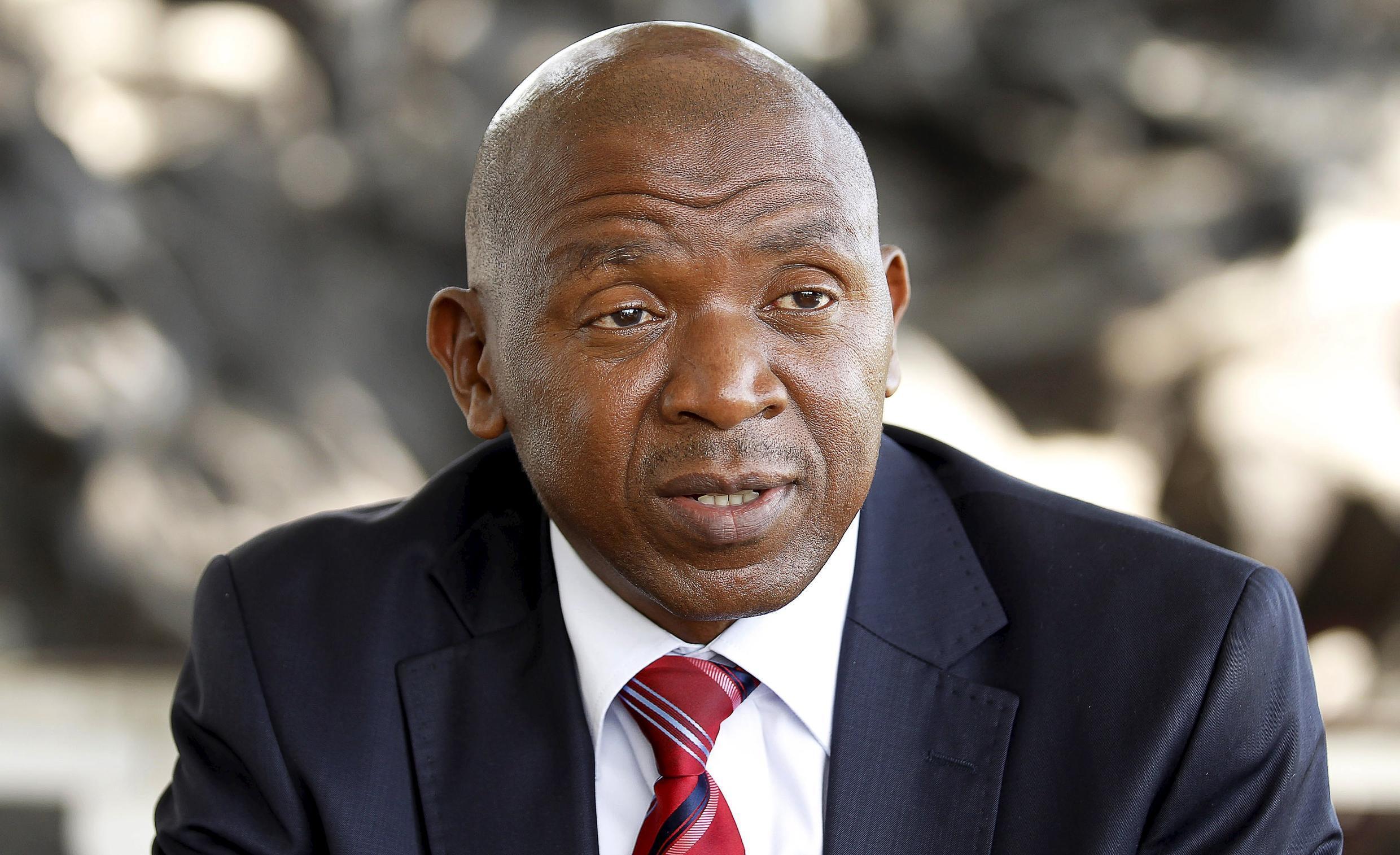
Agathon Rwasa President of Palme-FNL, the Hutu rebel movement
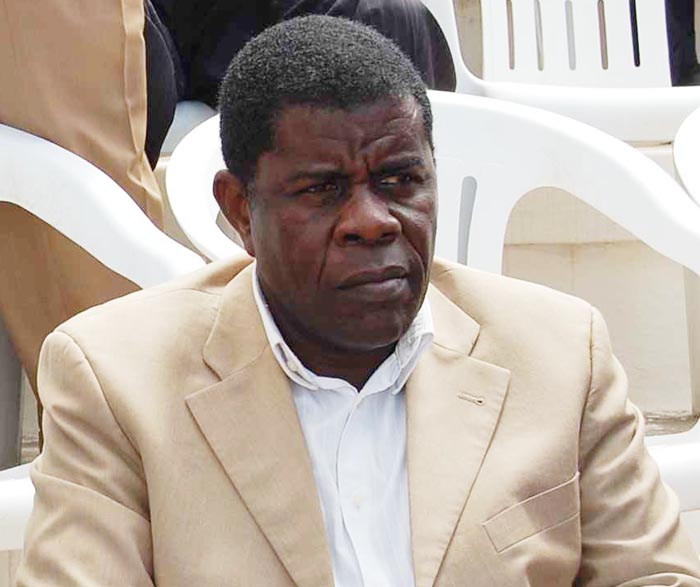
Pasteur Habimana Spokesperson for the Hutu rebel group, Palme-FNL
Source: https://youtu.be/uulush3rXog?si=qJwvxdz-2BqZ2aV0
Audio of Pasteur habimana and agathon Rwasa admitting of there atrocities
The Democratic Republic of Congo has not conducted any investigations or taken any actions regarding its nationals who were killed in this attack. Meanwhile the international community, despite holding overwhelming evidence, has yet to initiate any judicial proceedings.
Since 2004, several complaints have been filed in both Burundi and the DRC, and the steps have been taken before the prosecutor of the international criminal court and the secretary general of the United Nations all without outcome to date.
In 2024 new complaints were filed against the genocide and crimes against humanity before the competent courts of burundi and DRC,they was also a submission of the renewal request to the secretary general of the united nations all without any outcome to date.
Call for action
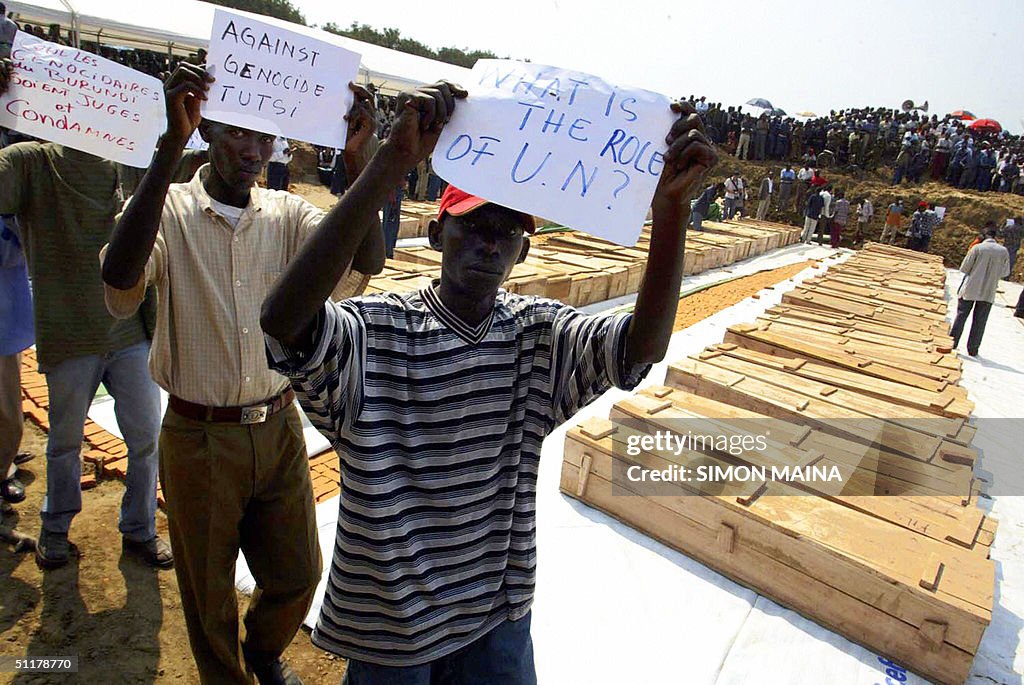
1. The United Nations and International Community to:
- Publicly recognize the Gatumba Massacre as a crime against humanity.
- Establish or support an independent, international investigation into
- the massacre.
- Work with regional bodies to ensure justice and reparations for victims and survivors.
- Strengthen mechanisms for protecting vulnerable refugee populations from ethnic violence.
2. The African Union and Regional Governments to:
- Acknowledge the Gatumba Massacre in official records and transitional justice initiatives.
- Cooperate with international bodies to bring AGATHO RWASA and PASTOR HABIMANA to justice.
- Uphold the principle of non-impunity for mass atrocities.
3. The International Criminal Court (ICC) to:
- Reopen or initiate proceedings related to the Gatumba Massacre.
- Investigate and prosecute AGATHO RWASA and PASTOR HABIMANA under international law.
4. Human rights organizations, civil society, and individuals to:
- Raise awareness about the Gatumba Massacre and its impact.
- Advocate for justice, truth-telling, and commemoration efforts.
- Stand in solidarity with the survivors and their families
5. Please visit and Donate to Gatumba Survivors Foundations (GRSF)http://www.gatumbasurvivors.org/
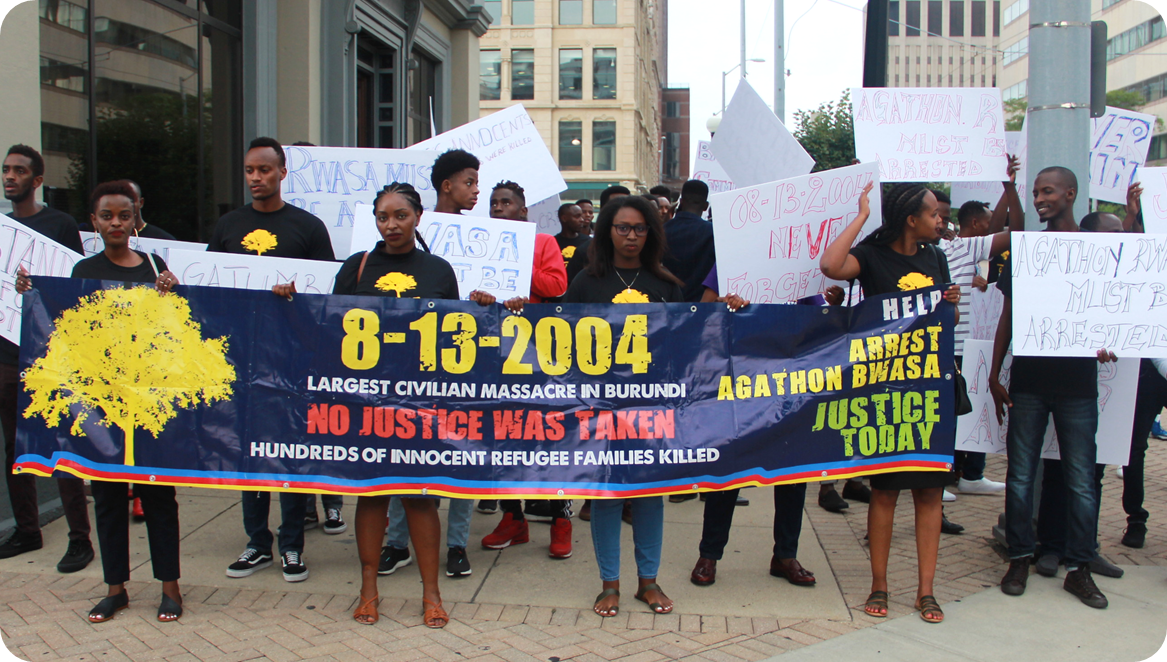
Justice Delayed Is Justice Denied.
Survivors were left with devastating injuries, deep psychological trauma, and nowhere to turn for protection or justice. These victims of Gatumba deserve more than silence, they deserve truth, recognition, and justice.
WE CALL ON YOU TO ACT NOW
Sign your name. Share their story. Demand accountability.
Please share a video of yourself saying these powerful words: “JUSTICE FOR GATUMBA MASSACRE VICTIMS.”
Help raise awareness by using these hashtags:
#JusticeForGatumba #GatumbaMassacre #NeverForget #EndImpunity #UnitedForJustice #HumanRights #RefugeeProtection
Testimonies from the Survivors
“I saw my brother killed in front of me.”
“We were sleeping when gunfire woke us. I tried to run, but a bullet hit my leg. They set the tents on fire. My brother was only 10. I crawled away and hid under clothes until morning.” — Survivor, Human Rights Watch, 2004
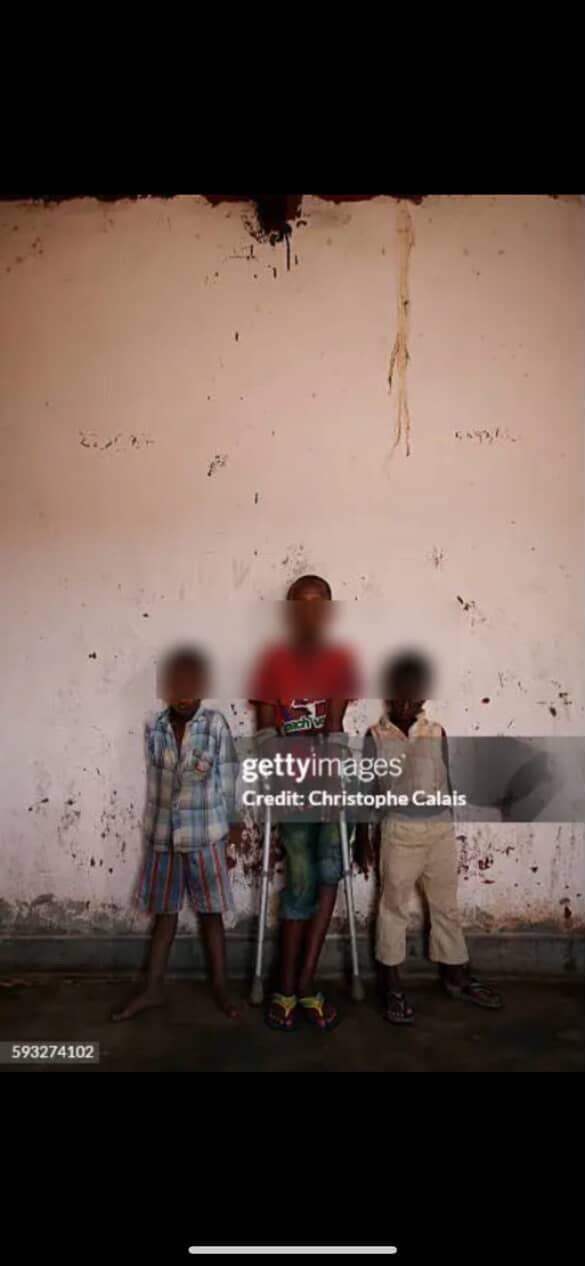
“They threw grenades into tents with babies inside.”
“They shouted in Kirundi and Kiswahili. It was chaos. I will never forget the cries of the children. I was volunteering at the camp I saw things that still haunt me.” — Witness, UNHCR Field Report, 2004
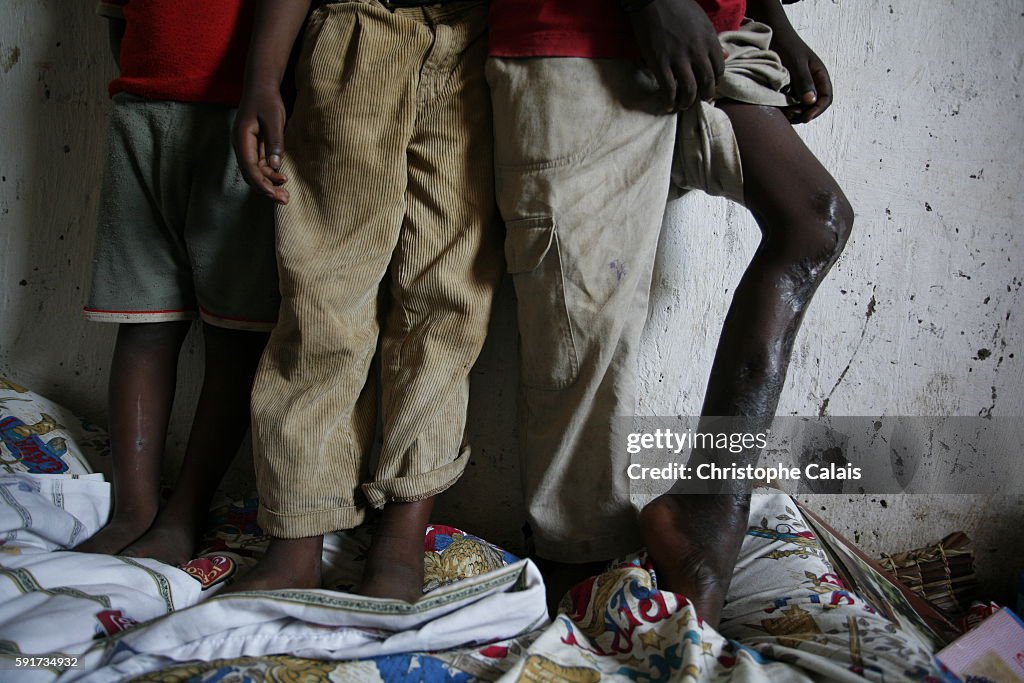
“I ran into the bushes. My whole family was gone.”
“My mother tried to shield my sister. A bullet hit her. I ran and didn’t stop until I was deep in the forest. When I returned the next day, no one in my family was alive.” — Teen Survivor, Gatumba Refugee Survivors Foundation
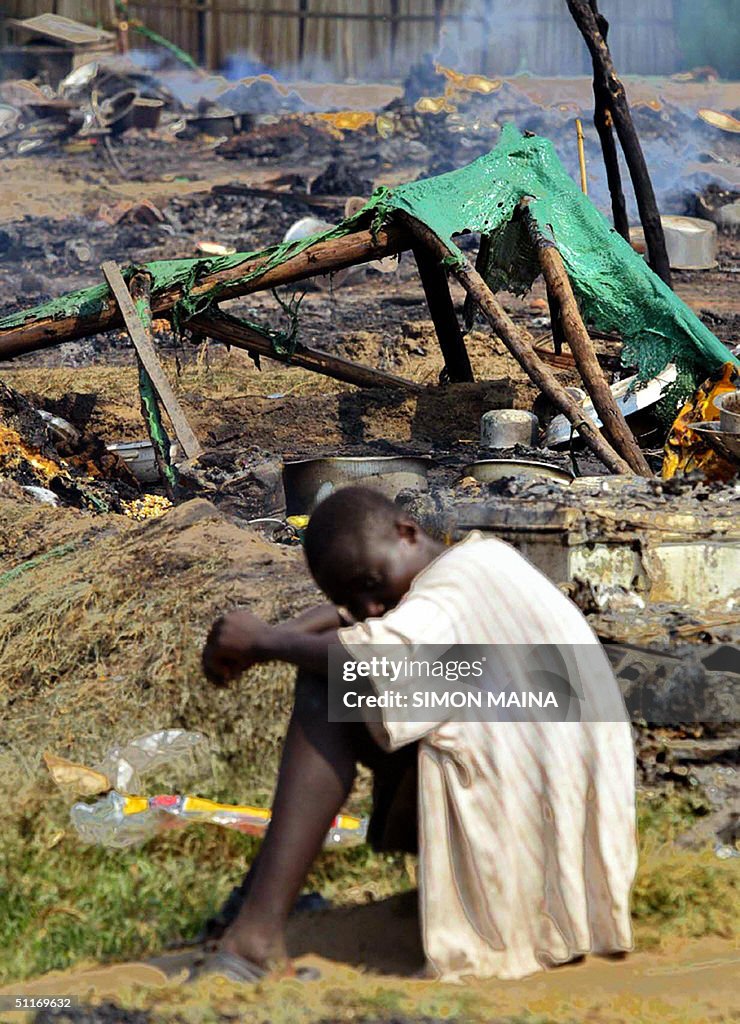
“They wanted to eliminate us because of our ethnicity.”
“We were Banyamulenge. That was enough reason for them to kill us. Even the UN could not protect us. Two decades later, we are still waiting for justice.”— Survivor, Commemoration Event, South Africa, 2023
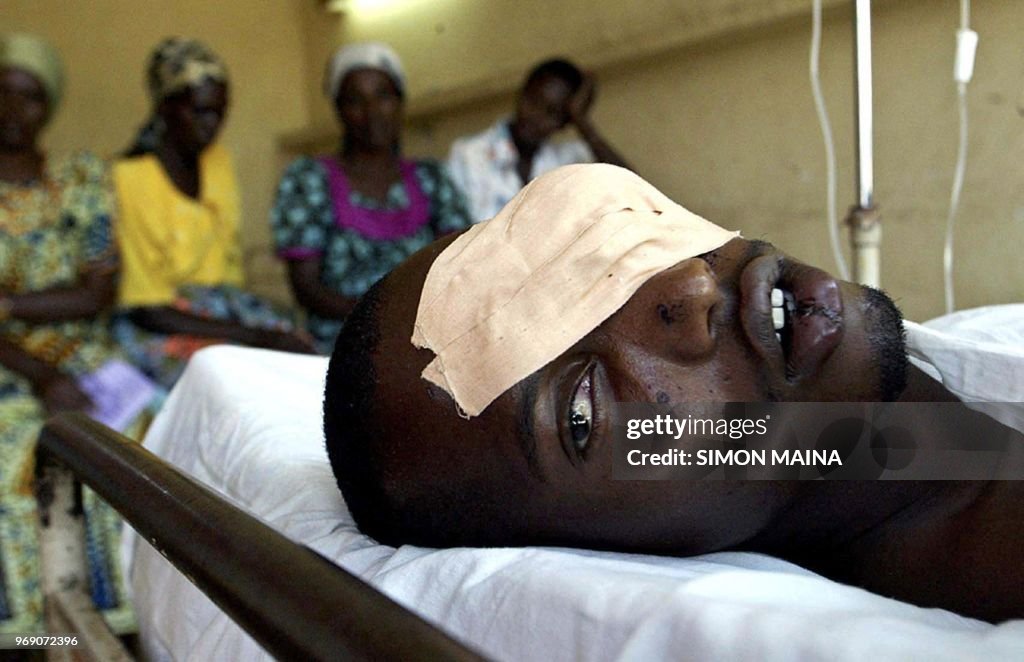
“I prayed over bodies burned in their tents.”
“Mothers holding dead babies. Tents in flames. I’ve seen death before, but not like this. The world turned its back on these refugees.” — Burundian Priest, Local Radio Interview, 2004
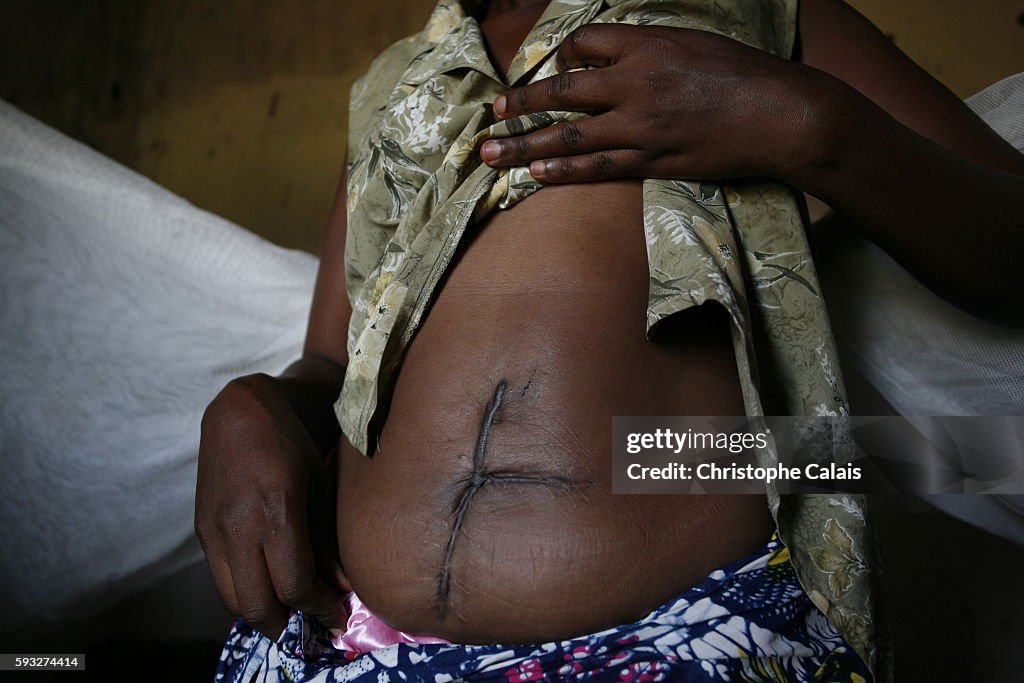
Mother who lost two children
“I had just laid my babies down to sleep. When the shooting started, I held them close, praying they wouldn’t cry. A grenade hit our tent. I woke up in a hospital, but my children were gone. I don’t know how I survived.”– Survivor testimony, shared during a 2014 memorial event in Rwanda
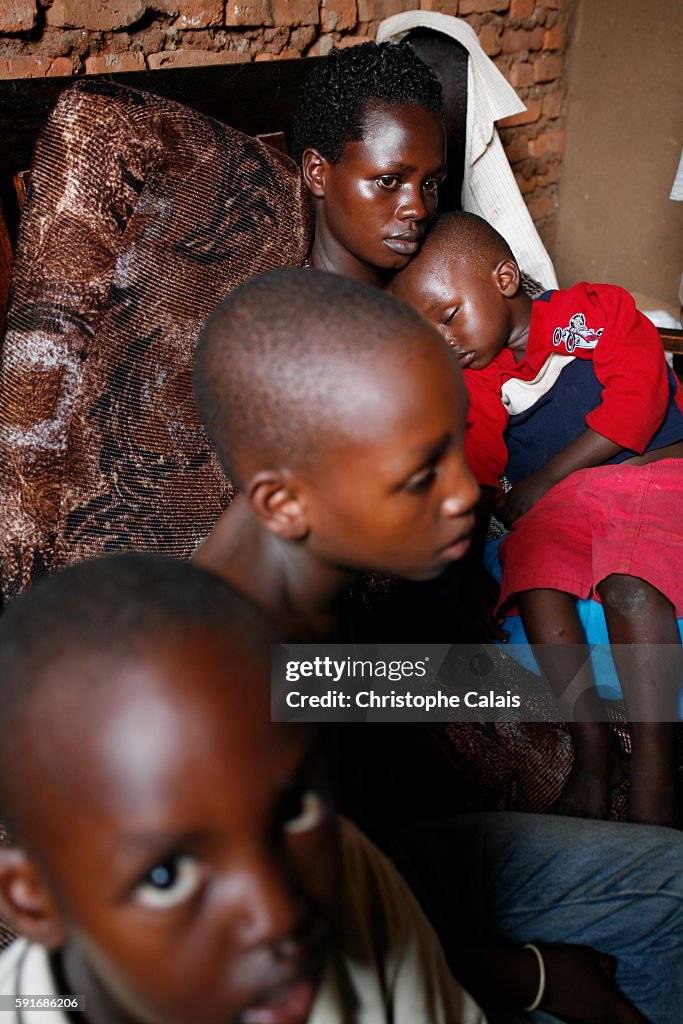
Child survivor (age 9 at the time)
“My father pushed me under the bed and told me not to move, no matter what I heard. I listened to screams and gunshots for what felt like hours. When it was quiet, I came out. My father never moved again.” – From an oral history project by Gatumba Refugee Survivors Foundation
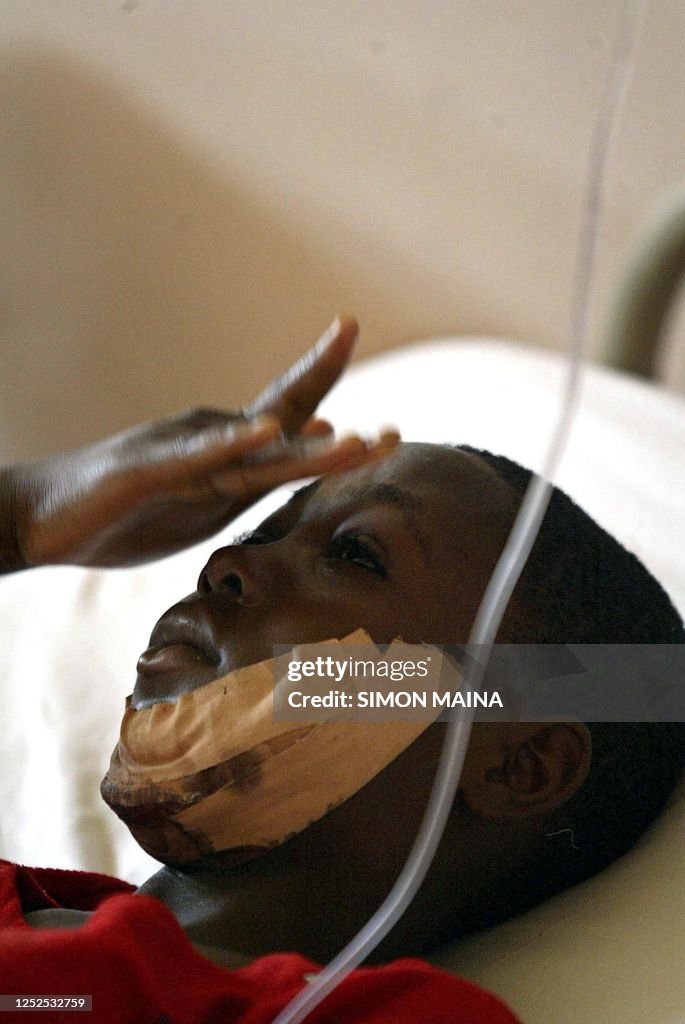
Father who lost his entire family
“They murdered my wife, my four children, and even my elderly mother. I live now only to tell their story. If I am silent, it’s like they died twice.” – Spoken during a diaspora remembrance service, Canada, 2019
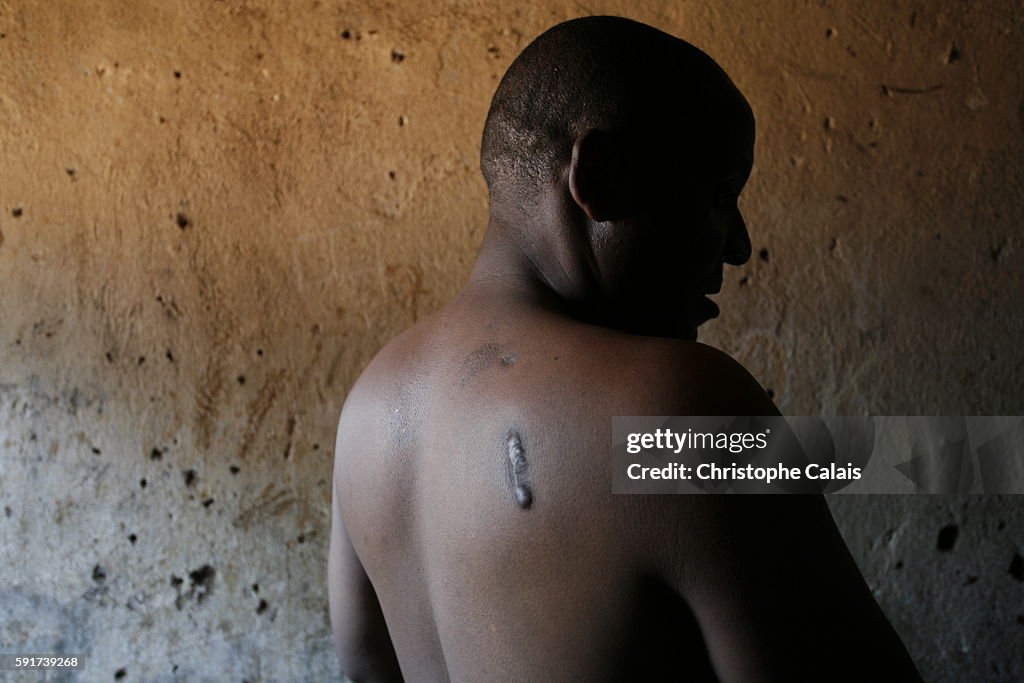
Teen boy who was injured and survived
“I was burned badly when our tent was set on fire. I still have the scars. I couldn’t run fast, and they left me for dead. Sometimes I think that was luck. But every time I look in the mirror, I remember everything.” – Interview conducted for a documentary on the massacre
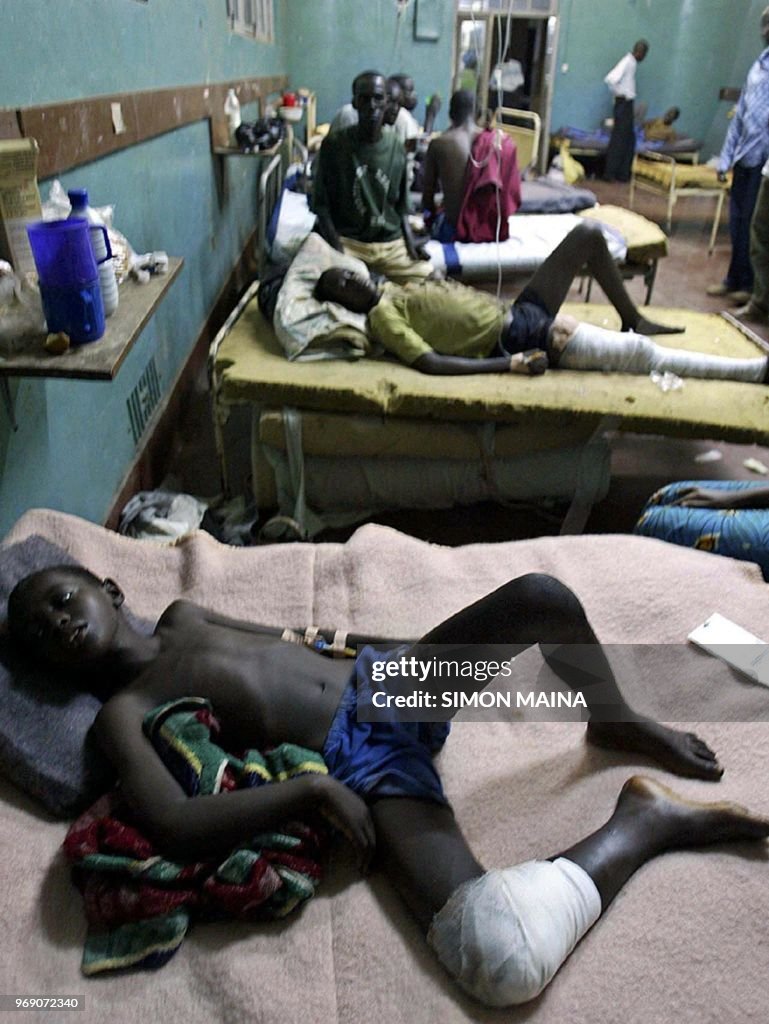
Nurse at a local hospital (anonymous)
“The injured came in waves burned, bleeding, terrified. Some were silent, others screaming. Children without parents. Parents carrying bodies. We didn’t have enough supplies. We did what we could.” – Testimony collected by MSF (Doctors Without Borders) field team, 2004
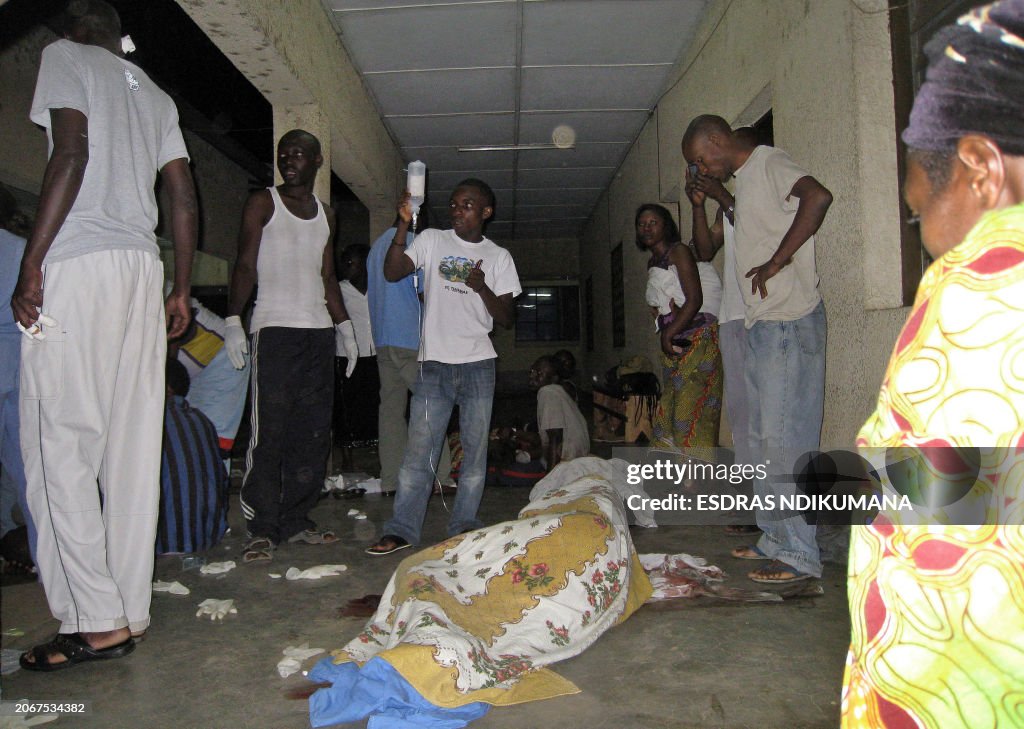
UN Staff (anonymous)
“We were overwhelmed and unprepared. We had warnings that the camp was vulnerable, but nobody acted fast enough. What happened in Gatumba should never have happened under our watch.” – Anonymous source, internal UN field communications, leaked in 2005
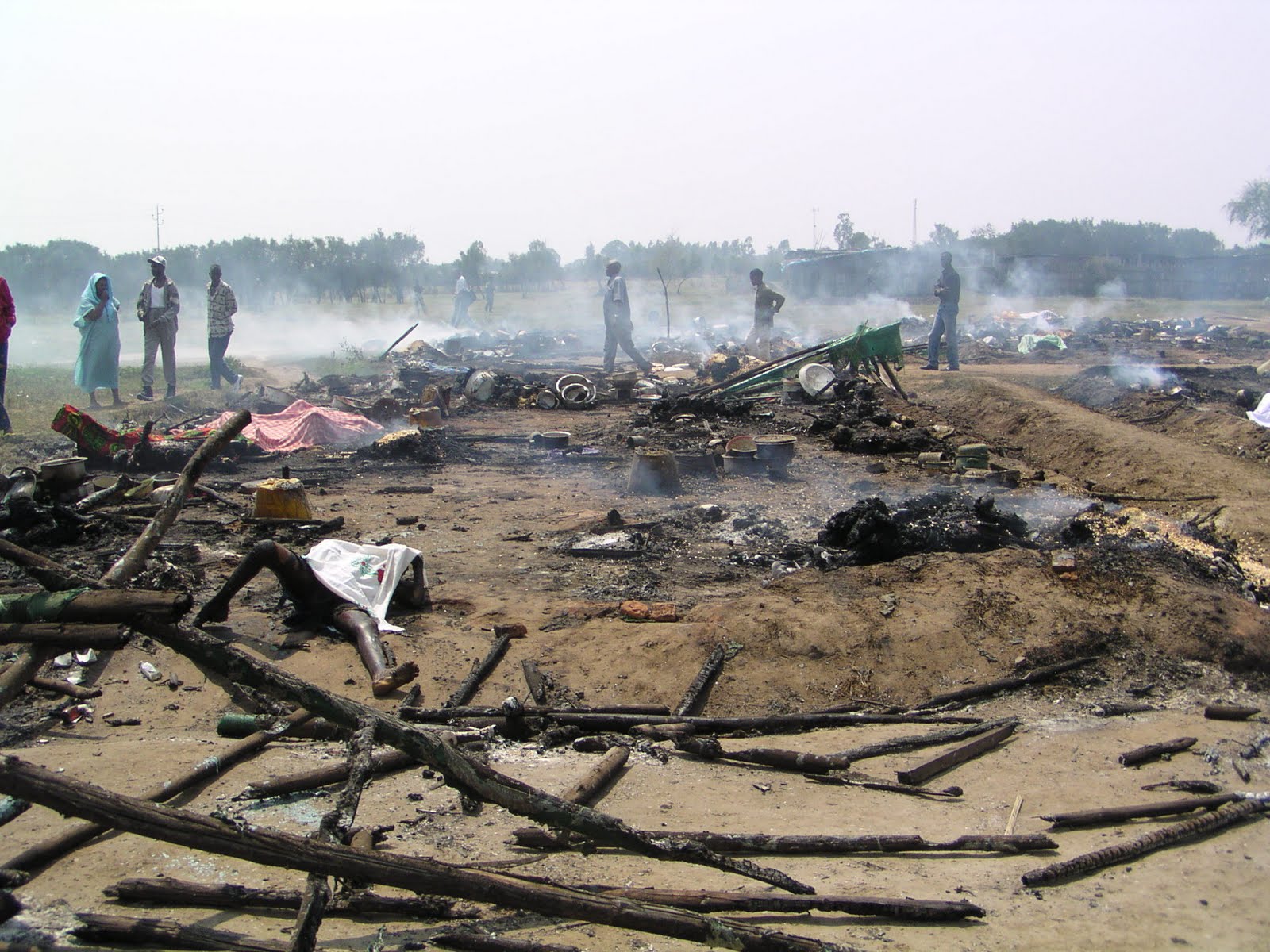
Survivor who still lives in exile
“We were targeted because we were Banyamulenge. They called us invaders, foreigners even though we were born in Congo. They wanted to erase us. That night was not just a massacre; it was a message.” – Spoken at the 2022 Global Memorial for Ethnic Violence in East Africa
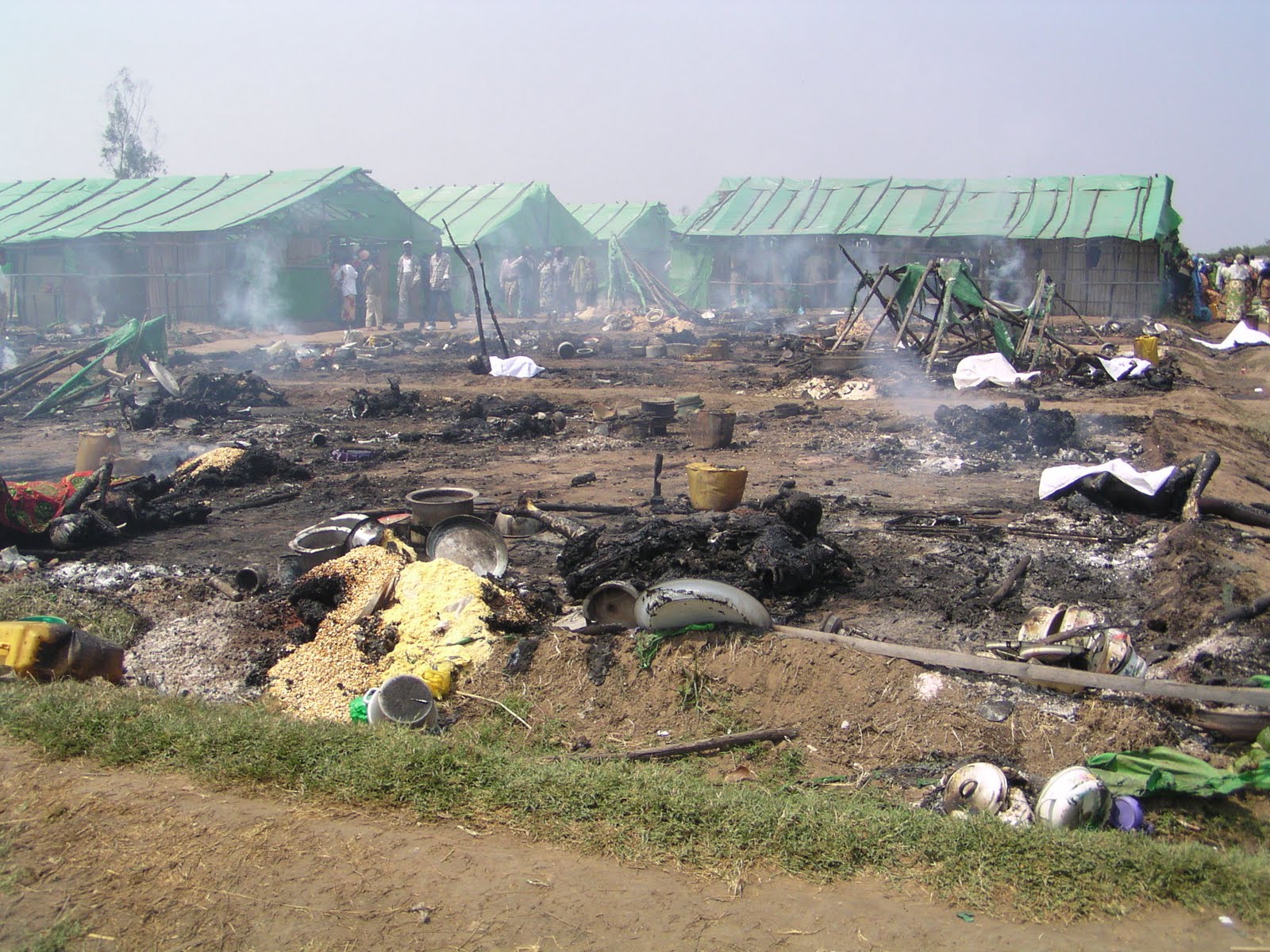
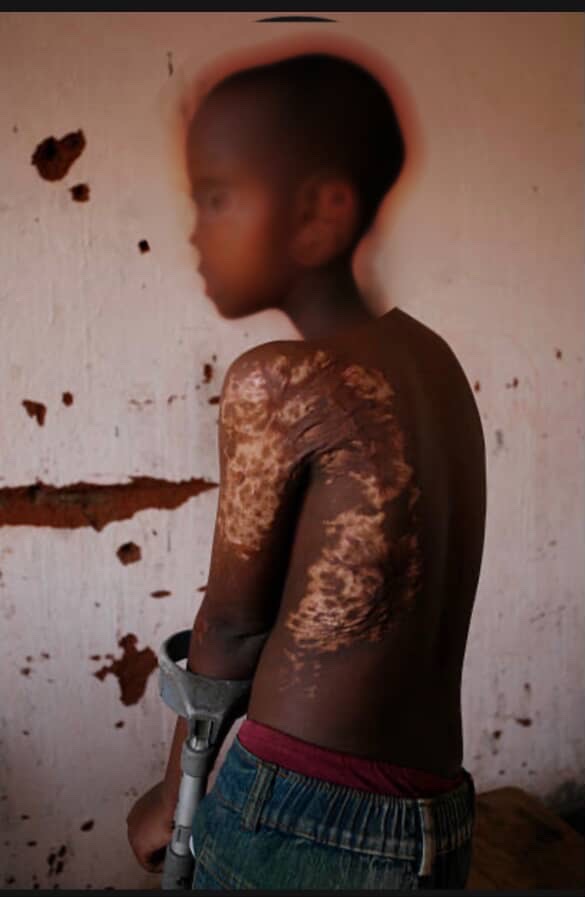
These stories are more than memories — they are evidence
They remind us of the urgency for justice, ethnic tolerance, and international accountability!

326
The Issue
Over 160 Banyamulenge refugees were brutally massacred in Gatumba in 2004. Survivors and families are still waiting for justice. Demand international accountability now.
On the night of August 13, 2004, the Gatumba refugee camp in Burundi, operated by the United Nations, was attacked in one of the most brutal massacres in the region’s recent history. The assault resulted in the deaths of 166 people and injuries to 106 others, most of whom were Banyamulenge a Congolese Tutsi ethnic minority who had fled ethnic violence in the Democratic Republic of the Congo (DRC). The attack was carried out by the Forces Nationales pour la Liberation (FNL), a Hutu extremist rebel group from Burundi alongside Mai Mai militia members from Congo (DRC)
BACKGROUND
Gatumba refugee camp, which was overseen by the United Nations High Commissioner for Refugees (UNHCR), sheltered 1,767 Congolese Banyamulenge refugees, most of whom had fled violent ethnic persecution and warfare in the Democratic Republic of the Congo (DRC). The Banyamulenge ethnic Tutsis native to eastern Congo had become particular targets of hostility due to their perceived ties to Rwanda. Their displacement to Gatumba followed the May 2004 mutiny in Bukavu, when Tutsi-led forces temporarily seized control of the city before being ousted by the Congolese national army (FARDC). Fearing retribution and communal violence, thousands of Banyamulenge fled across the border to neighboring country Burundi in search of protection.
At around 10:00 PM that night, hundreds of armed men, some in military uniforms and accompanied by women and children, descended on the camp in a coordinated assault. Witnesses described the attackers as chanting religious hymns and beating drums before unleashing their weapons on the sleeping population. The assailants used automatic rifles, grenades, machetes, and fire, setting tents ablaze and killing civilians indiscriminately including infants, pregnant women, and elderly refugees. The violence lasted for several hours, with no significant intervention from Burundian security forces stationed nearby. When the attack ended, 166 people were confirmed dead, and at least 106 others were seriously wounded. The Forces Nationales de Libération (FNL), a Burundian Hutu rebel group, later claimed responsibility through its spokesperson, Pasteur Habimana, falsely accusing the refugees of being armed Rwandan collaborators preparing an invasion of Burundi. The FNL had at that point refused to join peace talks that were ending Burundi’s civil war and had lost significant influence making the attack a political and symbolic act of terror aimed at regaining relevance.
The international reaction was swift but ultimately ineffective. The United Nations, African Union, and European Union issued statements condemning the massacre and calling for an investigation. Human Rights Watch and other advocacy groups labeled it a crime against humanity and demanded that those responsible be brought to justice. However, despite the public admission of guilt by the FNL and the known identities of key figures, no one has ever been prosecuted. Calls for international legal action such as through the International Criminal Court (ICC) went unanswered. The massacre remains unpunished, and the survivors, still living in exile and in many cases stateless, continue to seek justice, recognition, and accountability. The Gatumba Massacre is a tragic reminder of the dangers of ethnic scapegoating, the failures of international protection mechanisms, and the long-lasting scars left by mass violence when the world turns away.
PERPETRATORS
On the occasion of the 21st century of the Gatumba genocide,which occurred during the night of august 13 to 14,at least 166 Banyamulenge civilians mainly women and children were brutally killed and burned,over 100 were severely wounded and 8 reported missing in Gatumba refugee camp in Burundi.
The attack on banyamulenge refugee camp at Gatumba,on the DRC-Burundi border,was carried out by Interahamwe (FDLR),Mai Mai militia and also the palmehutu-FNL Burundian rebel group which was led by Agathon RWASA.
Despite the issuance of arrest warrants in 2004 by the Burundian authorities against Pasteur Habimana-spokesperson for the FNL who publicly claimed responsibility for the attack on behalf of the FNL movement during a BBC interview- and agathon RWASA then president of the FNL, neither has ever been apprehended and both continue to live freely in Burundi.
Agathon Rwasa President of Palme-FNL, the Hutu rebel movement
Pasteur Habimana Spokesperson for the Hutu rebel group, Palme-FNL
Source: https://youtu.be/uulush3rXog?si=qJwvxdz-2BqZ2aV0
Audio of Pasteur habimana and agathon Rwasa admitting of there atrocities
The Democratic Republic of Congo has not conducted any investigations or taken any actions regarding its nationals who were killed in this attack. Meanwhile the international community, despite holding overwhelming evidence, has yet to initiate any judicial proceedings.
Since 2004, several complaints have been filed in both Burundi and the DRC, and the steps have been taken before the prosecutor of the international criminal court and the secretary general of the United Nations all without outcome to date.
In 2024 new complaints were filed against the genocide and crimes against humanity before the competent courts of burundi and DRC,they was also a submission of the renewal request to the secretary general of the united nations all without any outcome to date.
Call for action
1. The United Nations and International Community to:
- Publicly recognize the Gatumba Massacre as a crime against humanity.
- Establish or support an independent, international investigation into
- the massacre.
- Work with regional bodies to ensure justice and reparations for victims and survivors.
- Strengthen mechanisms for protecting vulnerable refugee populations from ethnic violence.
2. The African Union and Regional Governments to:
- Acknowledge the Gatumba Massacre in official records and transitional justice initiatives.
- Cooperate with international bodies to bring AGATHO RWASA and PASTOR HABIMANA to justice.
- Uphold the principle of non-impunity for mass atrocities.
3. The International Criminal Court (ICC) to:
- Reopen or initiate proceedings related to the Gatumba Massacre.
- Investigate and prosecute AGATHO RWASA and PASTOR HABIMANA under international law.
4. Human rights organizations, civil society, and individuals to:
- Raise awareness about the Gatumba Massacre and its impact.
- Advocate for justice, truth-telling, and commemoration efforts.
- Stand in solidarity with the survivors and their families
5. Please visit and Donate to Gatumba Survivors Foundations (GRSF)http://www.gatumbasurvivors.org/
Justice Delayed Is Justice Denied.
Survivors were left with devastating injuries, deep psychological trauma, and nowhere to turn for protection or justice. These victims of Gatumba deserve more than silence, they deserve truth, recognition, and justice.
WE CALL ON YOU TO ACT NOW
Sign your name. Share their story. Demand accountability.
Please share a video of yourself saying these powerful words: “JUSTICE FOR GATUMBA MASSACRE VICTIMS.”
Help raise awareness by using these hashtags:
#JusticeForGatumba #GatumbaMassacre #NeverForget #EndImpunity #UnitedForJustice #HumanRights #RefugeeProtection
Testimonies from the Survivors
“I saw my brother killed in front of me.”
“We were sleeping when gunfire woke us. I tried to run, but a bullet hit my leg. They set the tents on fire. My brother was only 10. I crawled away and hid under clothes until morning.” — Survivor, Human Rights Watch, 2004
“They threw grenades into tents with babies inside.”
“They shouted in Kirundi and Kiswahili. It was chaos. I will never forget the cries of the children. I was volunteering at the camp I saw things that still haunt me.” — Witness, UNHCR Field Report, 2004
“I ran into the bushes. My whole family was gone.”
“My mother tried to shield my sister. A bullet hit her. I ran and didn’t stop until I was deep in the forest. When I returned the next day, no one in my family was alive.” — Teen Survivor, Gatumba Refugee Survivors Foundation
“They wanted to eliminate us because of our ethnicity.”
“We were Banyamulenge. That was enough reason for them to kill us. Even the UN could not protect us. Two decades later, we are still waiting for justice.”— Survivor, Commemoration Event, South Africa, 2023
“I prayed over bodies burned in their tents.”
“Mothers holding dead babies. Tents in flames. I’ve seen death before, but not like this. The world turned its back on these refugees.” — Burundian Priest, Local Radio Interview, 2004
Mother who lost two children
“I had just laid my babies down to sleep. When the shooting started, I held them close, praying they wouldn’t cry. A grenade hit our tent. I woke up in a hospital, but my children were gone. I don’t know how I survived.”– Survivor testimony, shared during a 2014 memorial event in Rwanda
Child survivor (age 9 at the time)
“My father pushed me under the bed and told me not to move, no matter what I heard. I listened to screams and gunshots for what felt like hours. When it was quiet, I came out. My father never moved again.” – From an oral history project by Gatumba Refugee Survivors Foundation
Father who lost his entire family
“They murdered my wife, my four children, and even my elderly mother. I live now only to tell their story. If I am silent, it’s like they died twice.” – Spoken during a diaspora remembrance service, Canada, 2019
Teen boy who was injured and survived
“I was burned badly when our tent was set on fire. I still have the scars. I couldn’t run fast, and they left me for dead. Sometimes I think that was luck. But every time I look in the mirror, I remember everything.” – Interview conducted for a documentary on the massacre
Nurse at a local hospital (anonymous)
“The injured came in waves burned, bleeding, terrified. Some were silent, others screaming. Children without parents. Parents carrying bodies. We didn’t have enough supplies. We did what we could.” – Testimony collected by MSF (Doctors Without Borders) field team, 2004
UN Staff (anonymous)
“We were overwhelmed and unprepared. We had warnings that the camp was vulnerable, but nobody acted fast enough. What happened in Gatumba should never have happened under our watch.” – Anonymous source, internal UN field communications, leaked in 2005
Survivor who still lives in exile
“We were targeted because we were Banyamulenge. They called us invaders, foreigners even though we were born in Congo. They wanted to erase us. That night was not just a massacre; it was a message.” – Spoken at the 2022 Global Memorial for Ethnic Violence in East Africa
These stories are more than memories — they are evidence
They remind us of the urgency for justice, ethnic tolerance, and international accountability!
326
The Decision Makers

Supporter Voices
Petition Updates
Share this petition
Petition created on August 9, 2025