

熱帯林をバイオマス発電のために燃やさないで! 〜東京ガス・阪和興業はスラウェシ島の天然林を破壊する木質ペレットの使用をやめてください 〜
署名活動の主旨
DO NOT BURN TROPICAL FORESTS FOR BIOMASS POWER GENERATION!
Tokyo Gas and Hanwa Co., Ltd.: Stop Using Wood Pellets That Destroy Natural Forests on Sulawesi Island
*English follows Japanese.
STOP BAKAR HUTAN TROPIS UNTUK PEMBANGKIT LISTRIK TENAGA BIOMASSA!
Seruan kepada Tokyo Gas dan Hanwa Co., Ltd.: Hentikan Penggunaan Pelet Kayu yang Merusak Hutan Alam di Pulau Sulawesi!
*Bahasa Indonesia mengikuti Bahasa Inggris.
インドネシアの熱帯林が伐採され、日本で「再生可能エネルギー」のために燃やされています。
スラウェシ島の熱帯林には、世界でここにしかいない希少な動物たちが暮らしています。
私たちが使う電気のために、豊かな森と生き物の命を犠牲にしてよいのでしょうか?
ウータン・森と生活を考える会は、スラウェシ島ゴロンタロ州で木質ペレットを生産し、輸入を行う阪和興業株式会社と、その燃料でバイオマス発電事業を行う東京ガス株式会社に対して、「インドネシアの熱帯林を破壊してつくられた木質ペレット」を使わないよう求めます。
\\\署名の宛先///
- 阪和興業株式会社 代表取締役社長 中川洋一様
- 東京ガス株式会社 代表取締役社長 笹山 晋一様
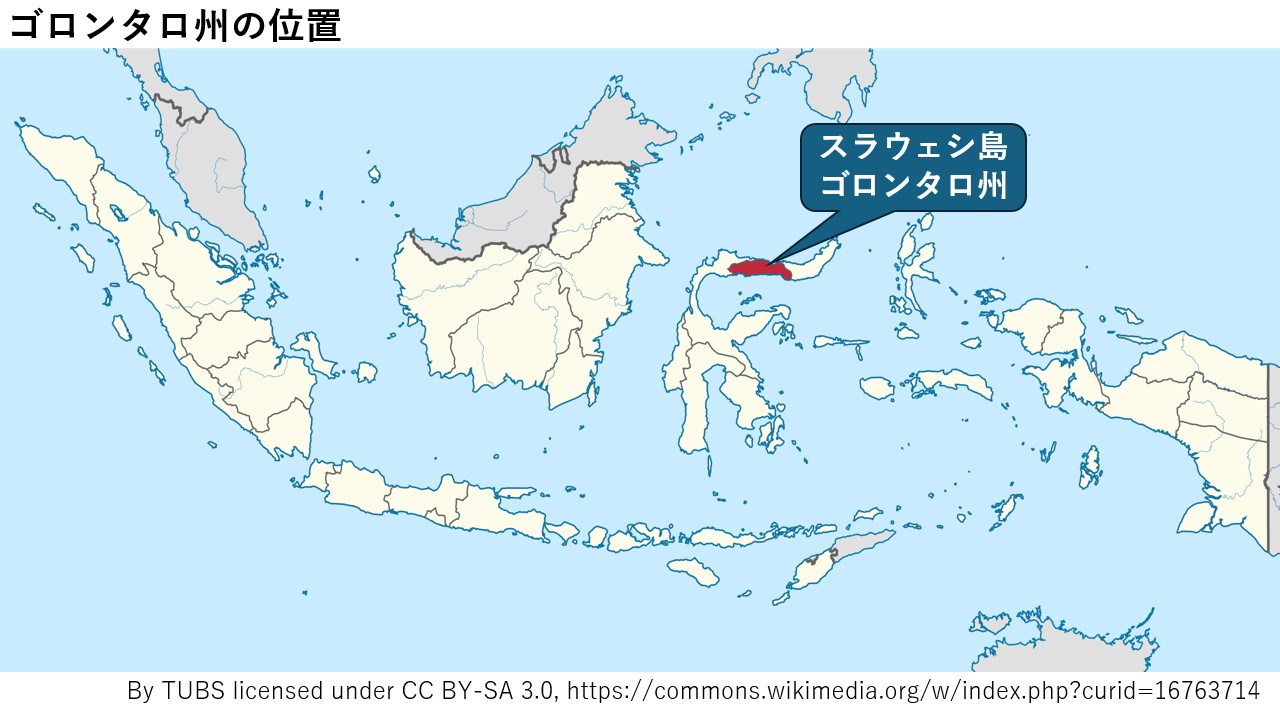
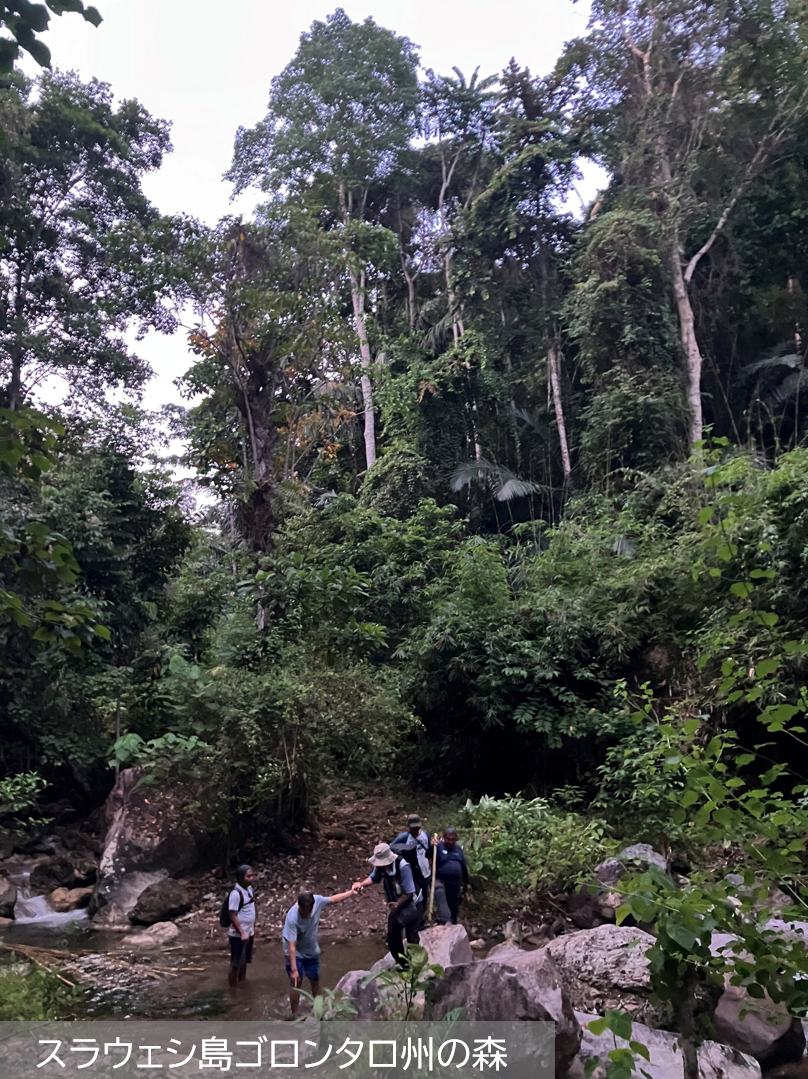
🌳 森を壊してつくる“再エネ”?
日本では、再生可能エネルギー固定価格買取制度(FIT)により、バイオマス発電が「再生可能エネルギー」として支援されています。
バイオマス発電は、木を燃料にしても、森林は再成長するという理由で「カーボン・ニュートラル」な「再エネ」とされてきました。また、これまで利用されてこなかった国産の間伐材や製材所の残りを使う、とも言われてきました。
本当にそうでしょうか?
実際には、海外の森を伐採してつくられた木質ペレット等を大量に輸入し燃料にしているバイオマス発電が、7割以上(kWベース)に上ります。
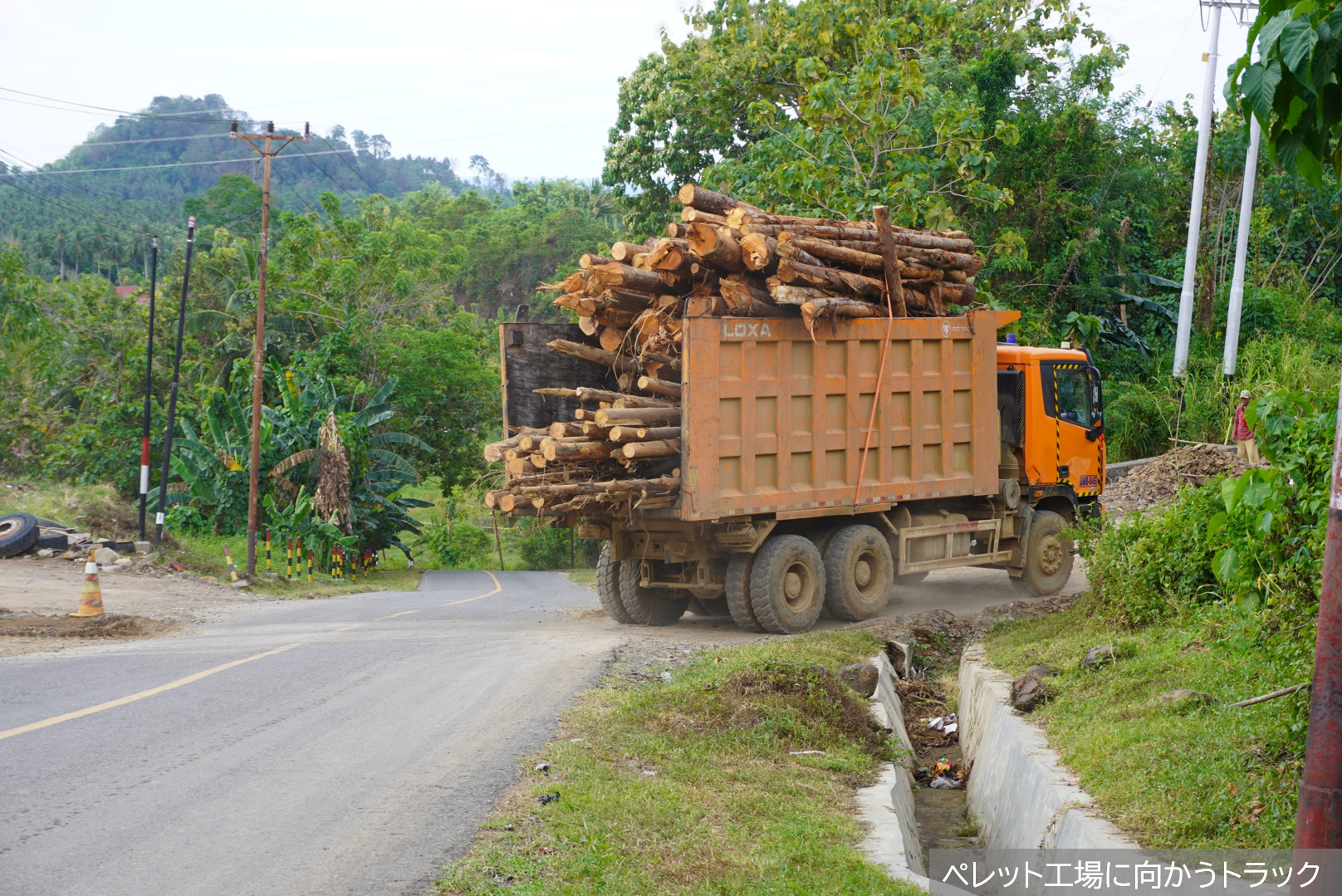
その中には、インドネシアの熱帯林を伐採して作られる木質ペレットもあります。インドネシアから日本への木質ペレット輸入量は、2020年以前はほぼゼロでしたが、2024年には30万トン以上に急増しました。
インドネシアから木質ペレットを輸入している国は、日本と韓国のみで、日本の需要にけん引されてインドネシアのペレット産業が急成長しています。
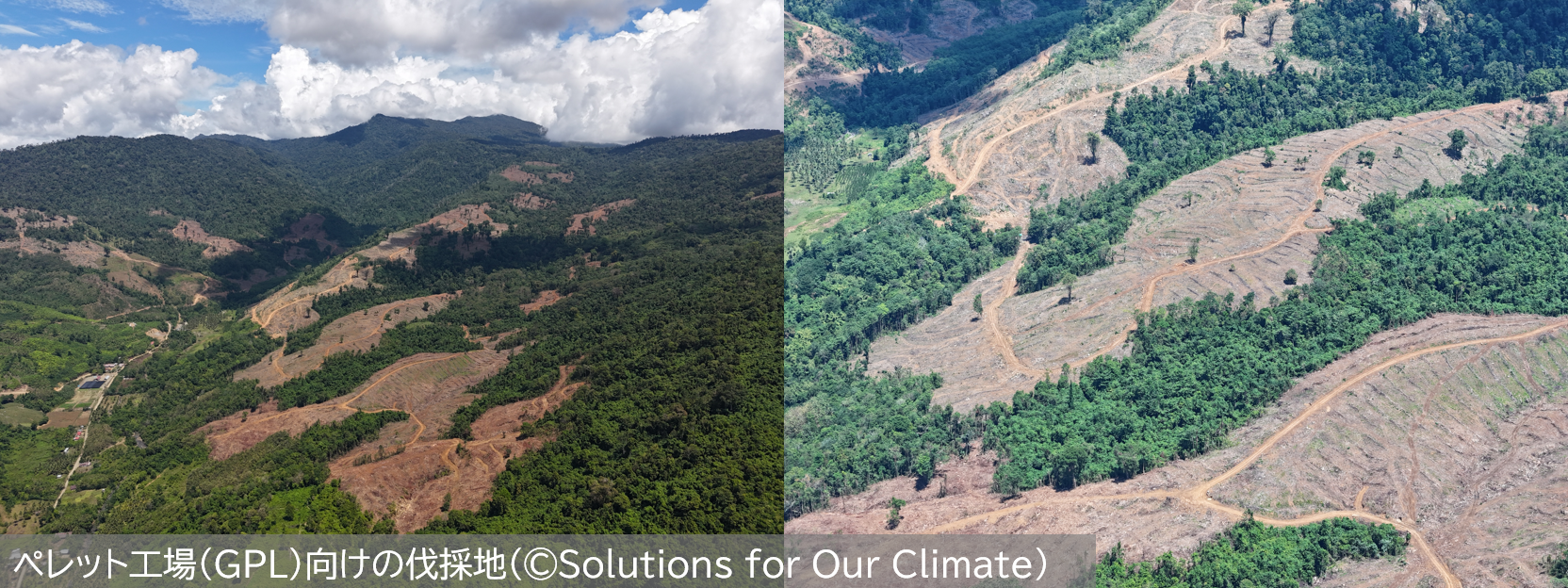
現在、インドネシア全体では、バイオマス燃料(木質ペレット)の生産のためのコンセッション(森林の伐採許可)の面積は、130万ヘクタールに上ります(※東京都のおよそ6倍)。
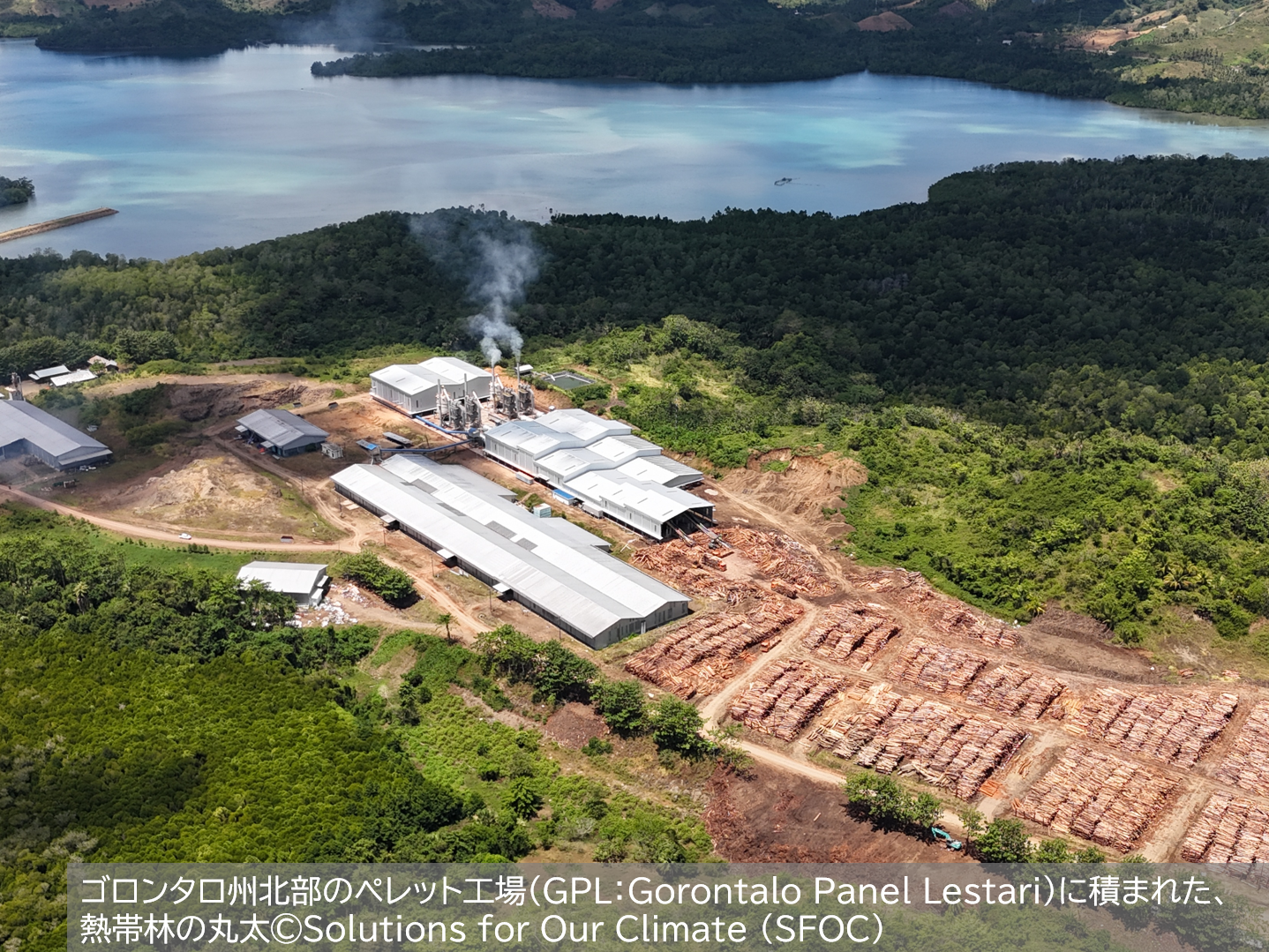
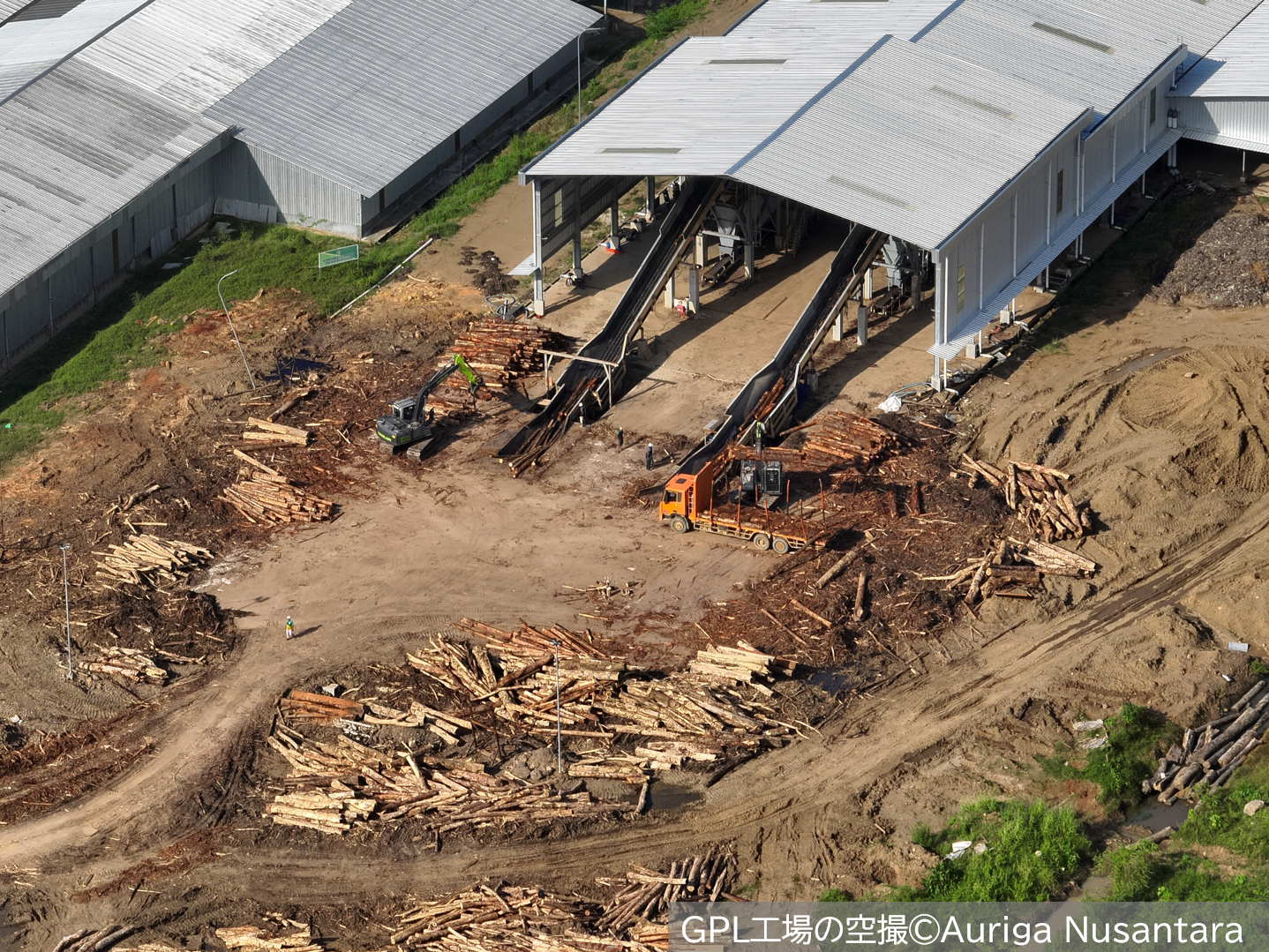
🐒 ここにしかいない!絶滅危惧種たちが暮らすスラウェシの森
スラウェシ島は「ウォーレシア・ホットスポット」と呼ばれ、世界の重要な生物多様性ホットスポットの一つです。
複数の半島から成る独特な形をしており、地理的孤立性から生物多様性が特に高く、スラウェシ島の哺乳類の98%、両生類の80%、鳥類の3分の1が固有種(そこにしか生息していない種)と言われています。
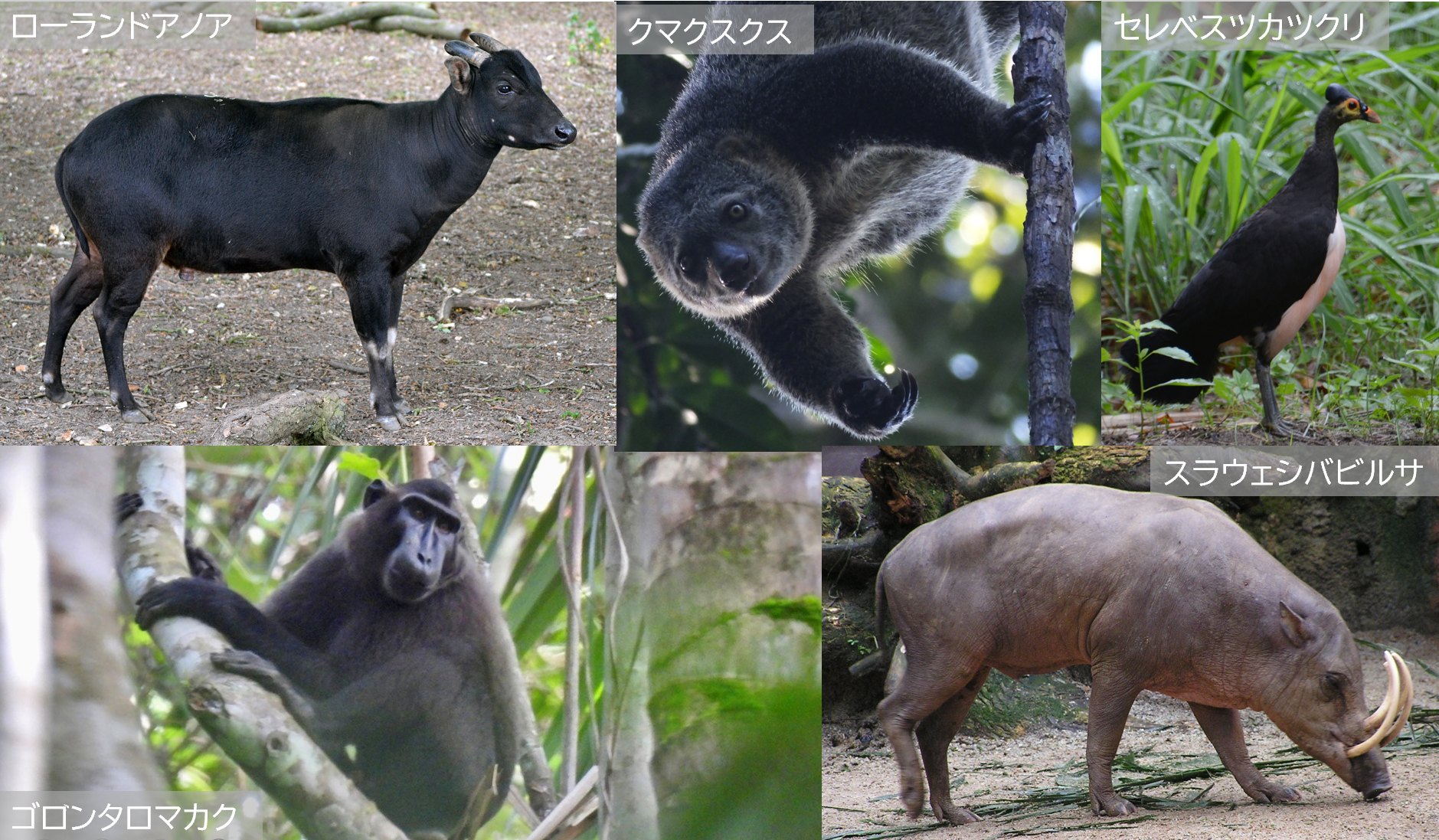
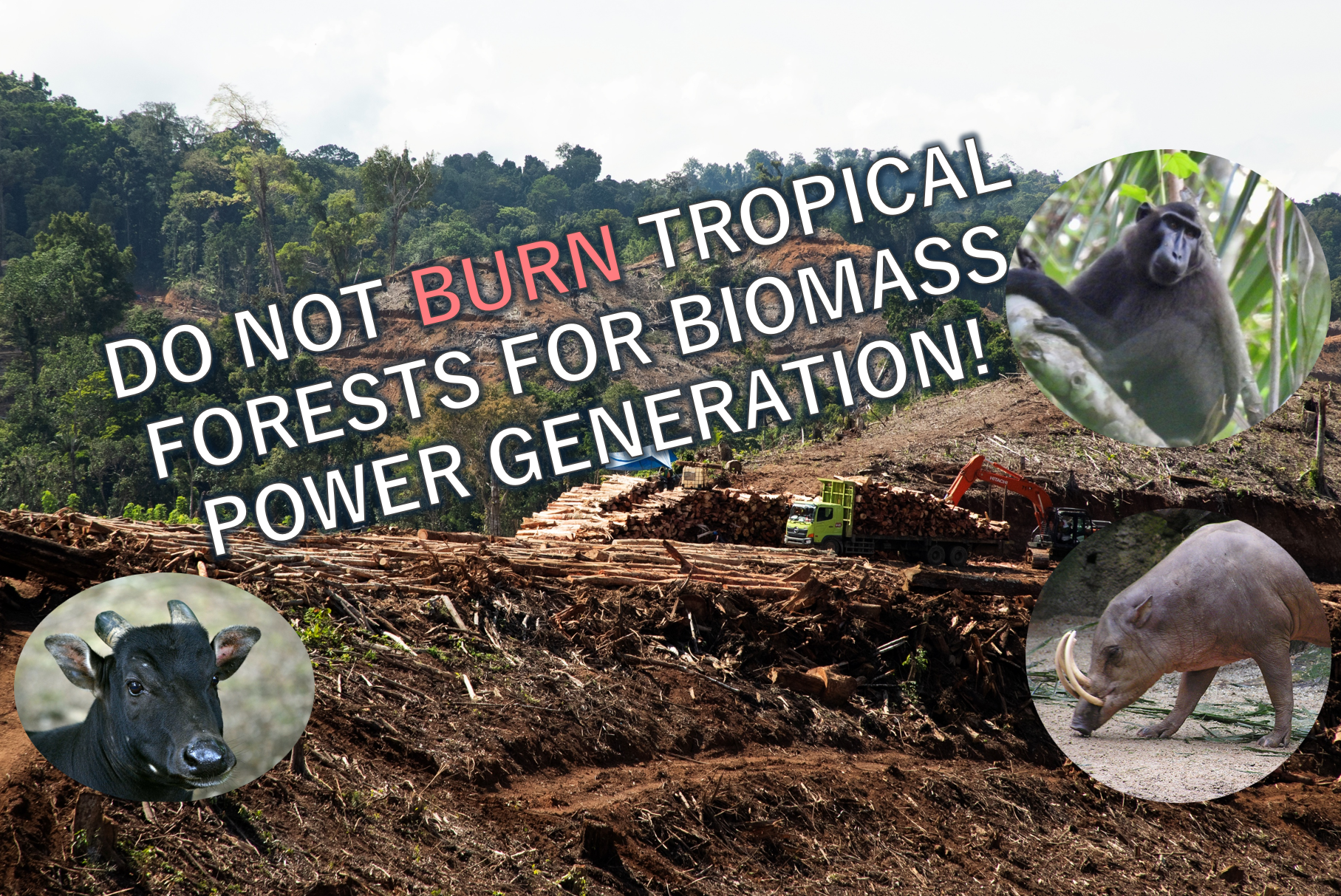
バイオマス発電の燃料生産のために伐採されている場所は、世界でこの島にしかいない絶滅危惧種アノア(ウシの仲間)、スラウェシバビルーサ(イノシシの仲間)、ゴロンタロマカク(サルの仲間)などの生息地と重なっています。(下記の写真は生息地が既存のコンセッションと被っている動物のコラージュ)
ゴロンタロ州に残っている天然林は60万ヘクタール余りですが、既に4つの伐採地が存在し、その総面積は10万ヘクタール(東京都の半分)になります。
今後、伐採地はさらに増える計画で、合計28万ヘクタールになります[1]。これらがすべて伐採され、エネルギー植林に代わると、州の天然林の約4割が失われてしまうことになります。
細長い半島の半ばにあるゴロンタロ州の森林は、それ自体、生物が行き来する「緑の回廊」です。
ゴロンタロ州でこれだけの規模の熱帯林が失われることは、貴重種の生息地を分断し、さらに絶滅に近づけることになるでしょう。
これらの生き物たちは、今後動物園でしか姿を見ることができなくなるかもしれません。
🏡 住民の暮らしにも被害が
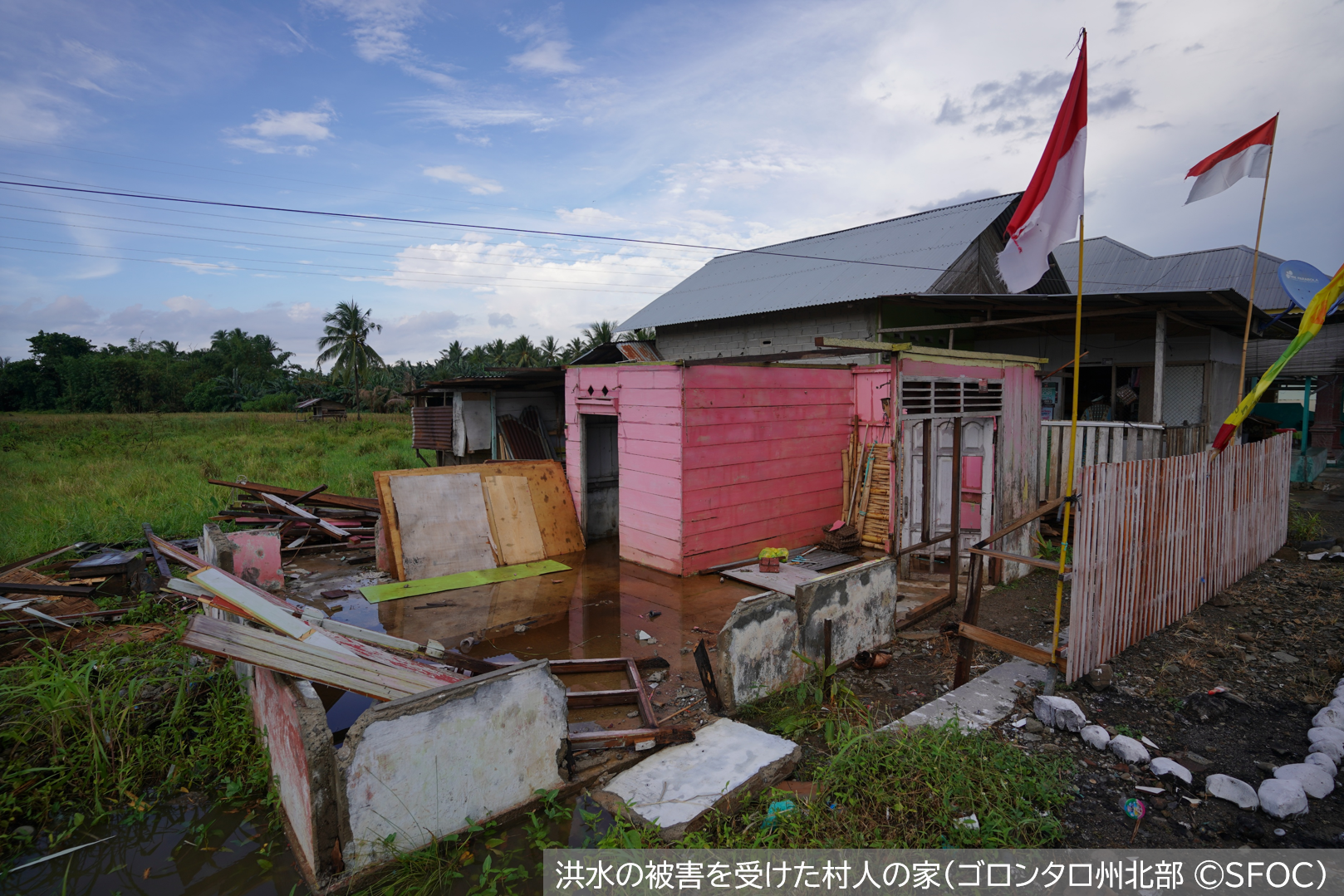
ゴロンタロ州で、ペレット生産のための森林伐採が進む地域では、大雨による洪水が増え、村人の家や田畑、道路が深刻な被害を受けています。
村の人が飲み水や水浴びに使ってきた川の水も、最近は雨の後はなかなか濁りが取れないそうです。
気候変動の影響で熱帯特有のスコールがさらに激しく頻繁になる中、村の人々が安全に暮らすためには、きれいな水を保ち、洪水を防ぐ機能を持つ森林を守ることがとても大切です。
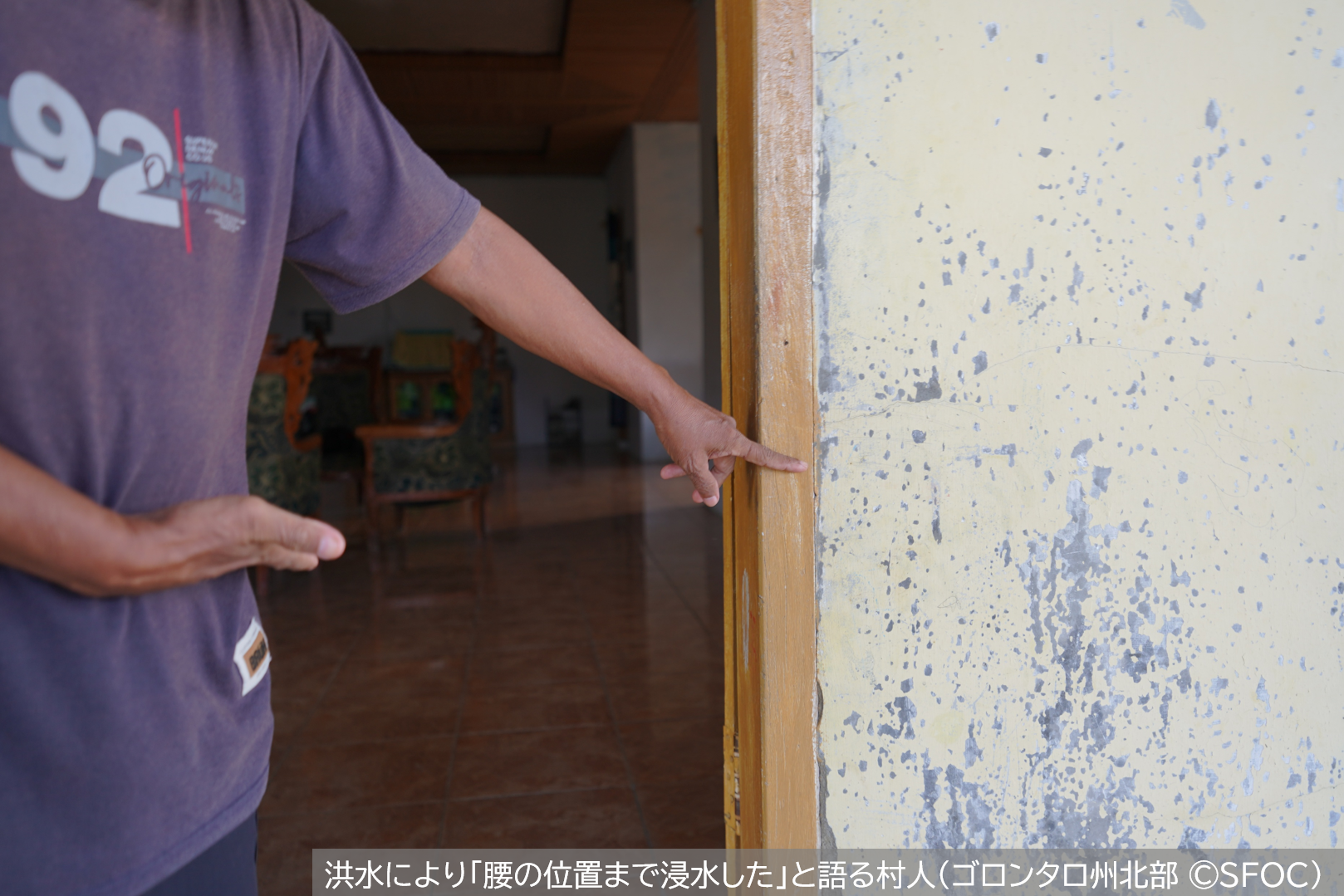
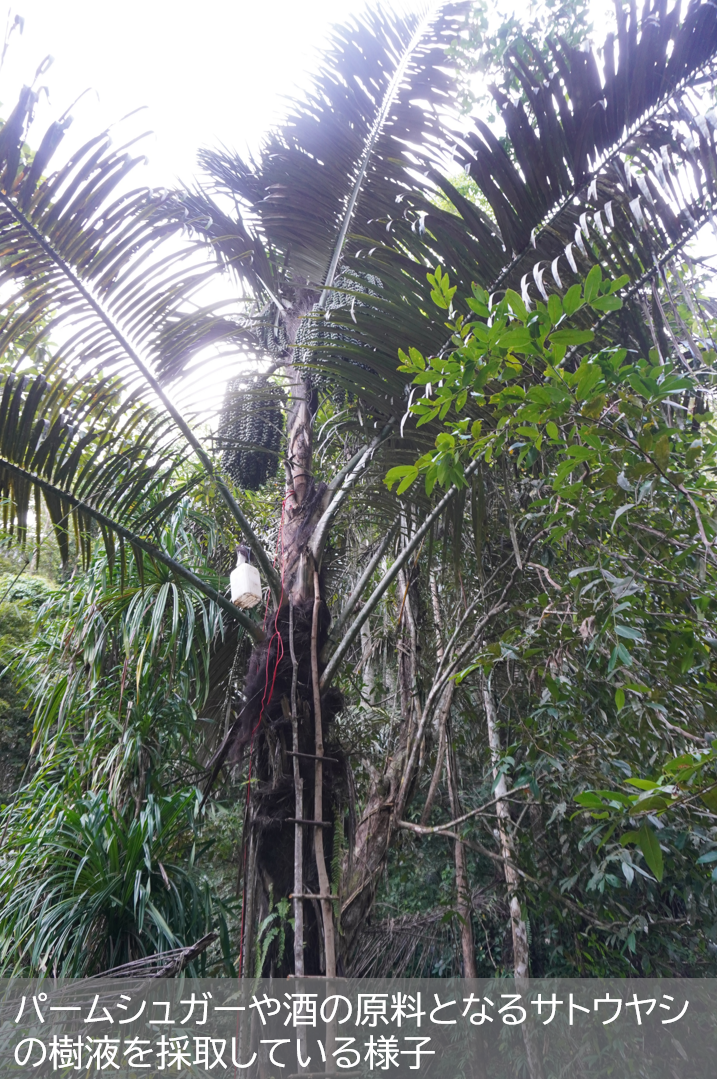
また、森から採れるハチミツやラタン(工芸品の原料になる籐(トウ))、薬草、サトウヤシの樹液など、森の恵みを生活の支えとしてきた住民たち、特に農地を持たない貧しい村人にとっては、森林が破壊されることは生きる糧が奪われることを意味します。
日本企業が関わる木質ペレットの事業と、そのペレットを燃料とする日本の再エネによって、インドネシアの村人の安全で豊かな暮らしが脅かされているのです。
🔥 “再エネ”どころかCO₂が増える!
再生可能エネルギーが拡大するために、ある程度の環境負荷は仕方ないと考える人がいるかもしれません。
しかし、木質バイオマス発電は、大前提として気候変動対策としても逆効果なのです。
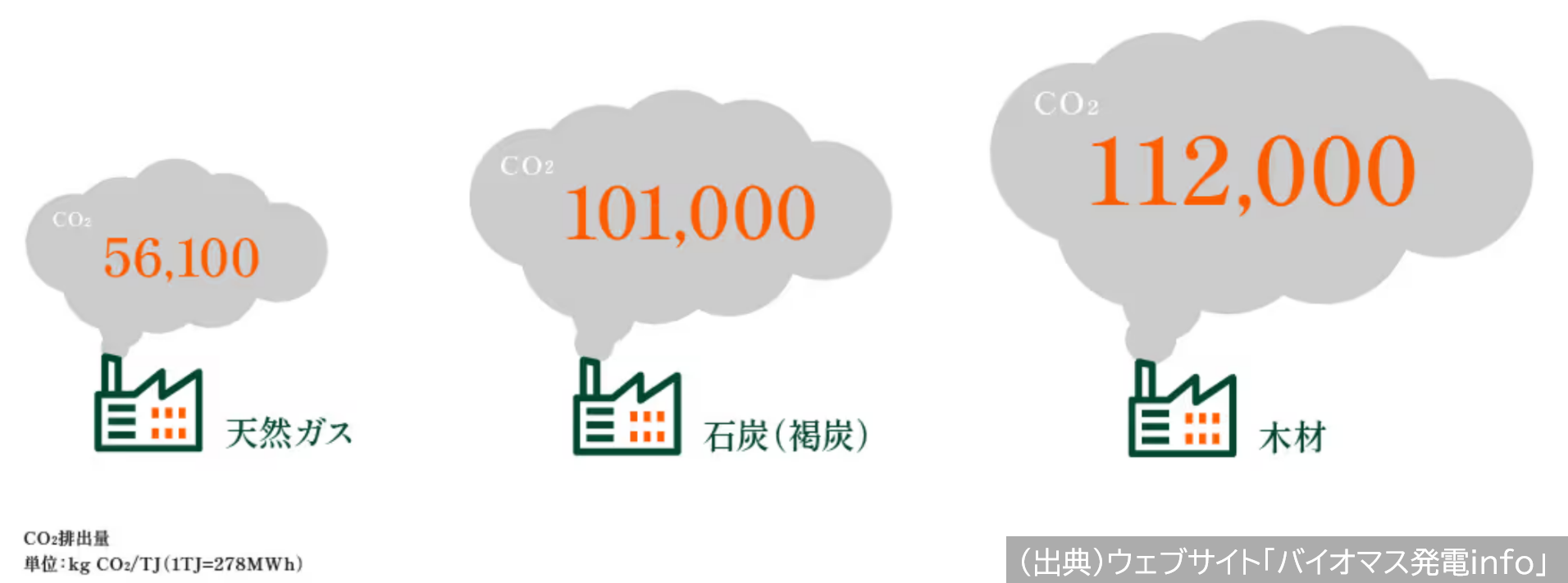
木質バイオマス発電は、実は木材の燃焼の段階では、石炭火力発電より多くのCO₂を排出します。
天然林を伐採して燃料とした場合、その土地で木が再び育ち、燃焼によって排出された分と同じだけのCO2を吸収するまでには、少なくとも元の樹木の樹齢と同じだけ、つまり数十年から100年以上もの時間が必要です。
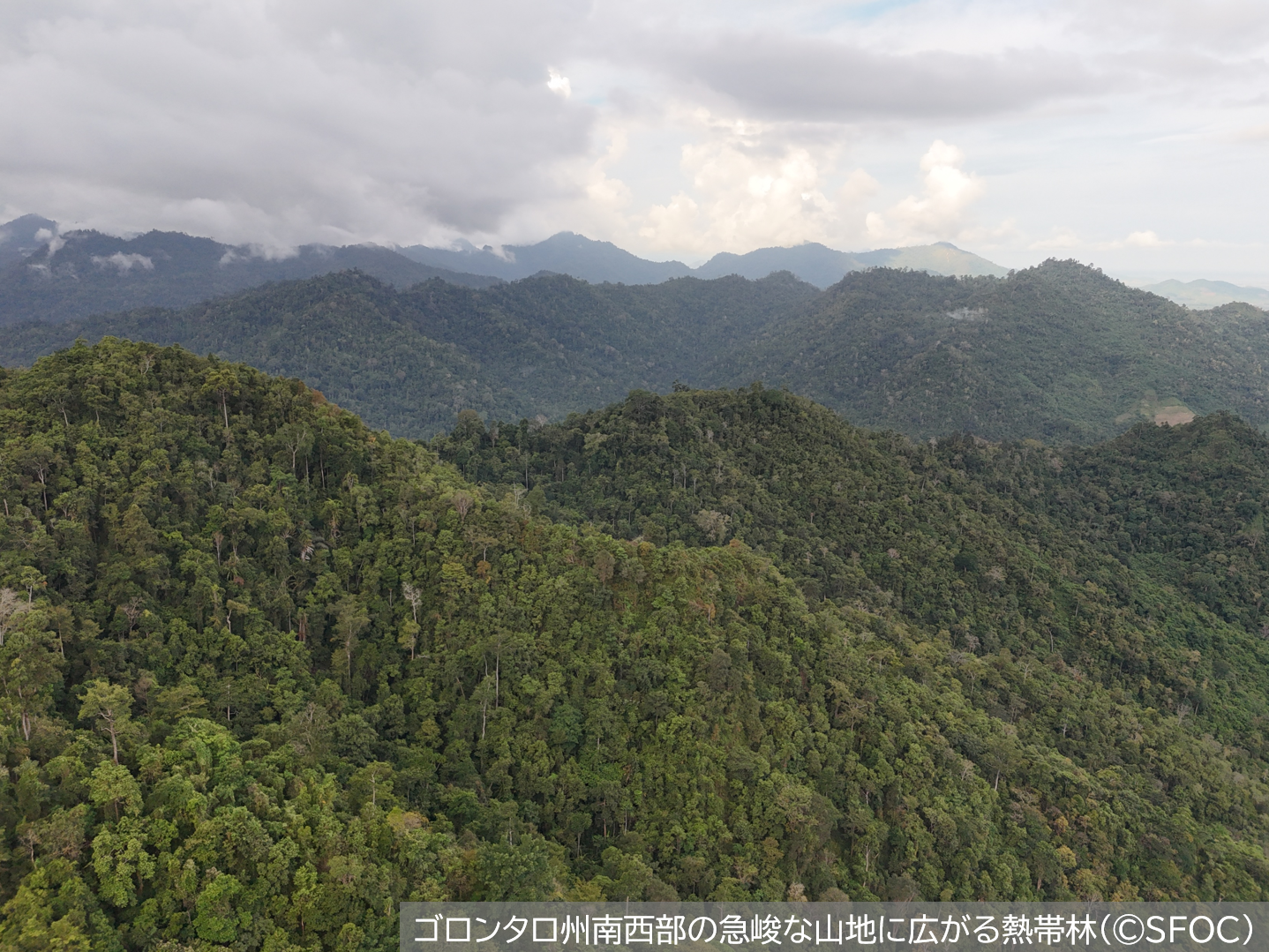
また熱帯林の場合、落ち葉や枯れ木の分解が早いために土壌が薄く、特にゴロンタロ州のような急峻な山が多い地域では、一度森林が大面積で伐採されると、熱帯特有の強い雨によって表土が流されてしまう可能性もあります。
そうなると、将来、今あるような豊かな森を回復させるのはとても難しくなります。
生物多様性の宝庫であり、貴重なCO2吸収源でもある熱帯林を伐採し、燃料として燃やすことは再生可能ではありません。
そのような木質バイオマス発電を「カーボンニュートラル」とすることは、地球温暖化対策として間違っているばかりか、熱帯林を減少させ気候変動をさらに促進することにつながります。
しかし、今、熱帯林を燃料とする電力が、私たちが支払う再エネ賦課金で支えられ、環境にやさしい「再生可能エネルギー」として売られているのです。
これはグリーンウォッシュと言っても過言ではありません。
🏭 阪和興業が関わるゴロンタロ州のペレット事業
阪和興業は、インドネシア・スラウェシ島ゴロンタロ州のペレット工場「PT Biomasa Jaya Abadi(BJA)」に出資(20%)しています。
BJAは、バイオマス燃料(木質ペレット)のためのコンセッション(森林の伐採許可)を持つ2つの会社「PT Inti Global Laksana(IGL)」および「PT Banyan Tumbuh Lestari(BTL)」から木材を調達しています。
これらの伐採許可地域では、約3万ヘクタールの熱帯林が伐採対象となっており、過去3年ほどで既に3000ヘクタール以上の熱帯林が失われています。
阪和興業は、「ゴロンタロでは1本の木を伐ったら3本植林している」と説明しています。しかし植えているのは外来の早生樹(成長の早い樹木)で、これらは植林後4年ほどの周期で伐採を繰り返し、木質ペレット原料となることが想定されています。
熱帯林が持つ生物多様性の豊かさ、水源涵養(かんよう)や土壌の流出防止、物質生産(木材だけでなく、果物やキノコなどの食料も含む)などの多様な機能を、早生樹の単一植林によって代替することは不可能です。
さらに4年程度という超短期間で伐採・生産を繰り返すことは、土壌を疲弊させ、再生産能力を弱めていく可能も高いのです。
🔥 東京ガスが富山県で燃やしているインドネシアのペレット
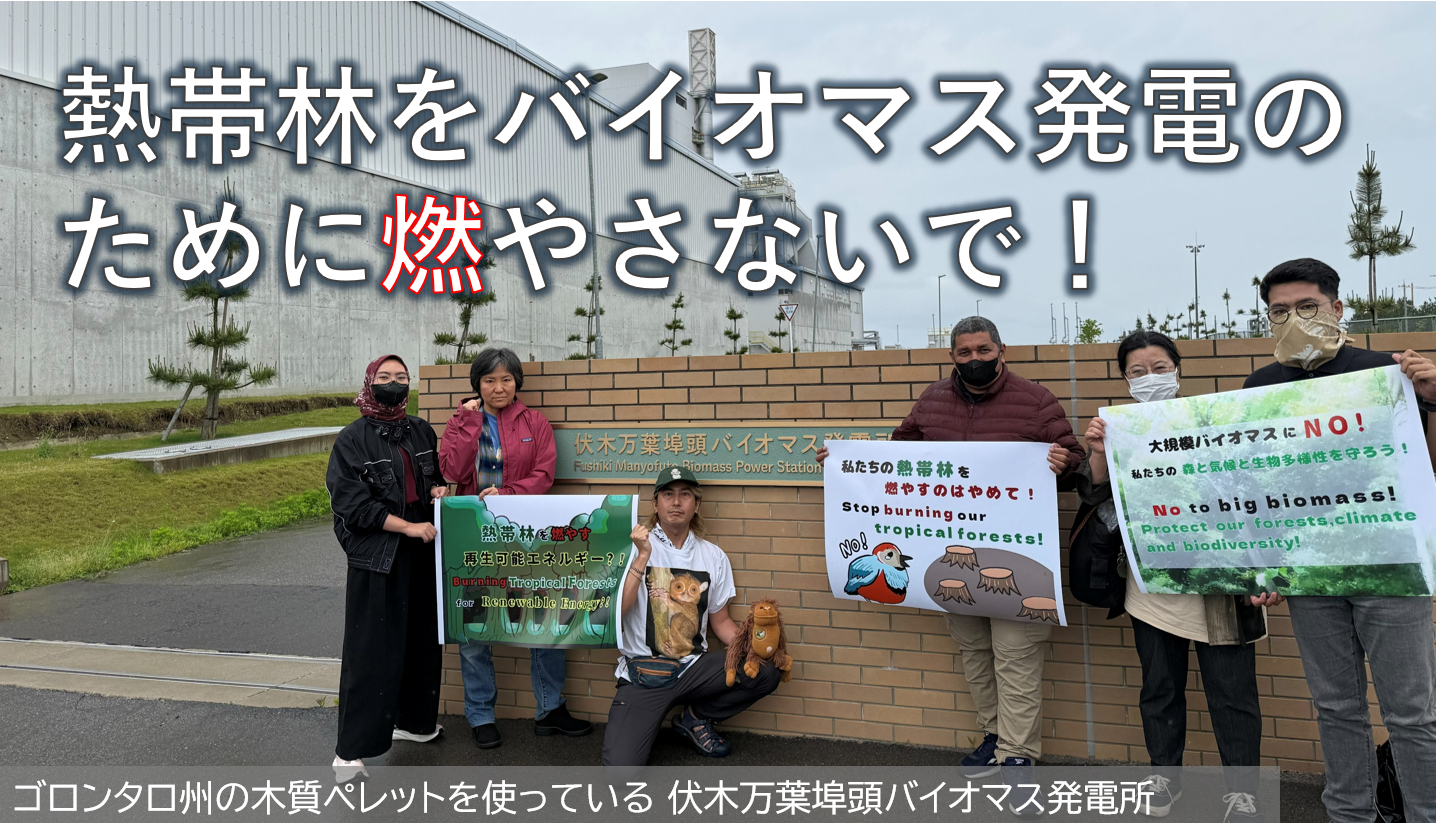
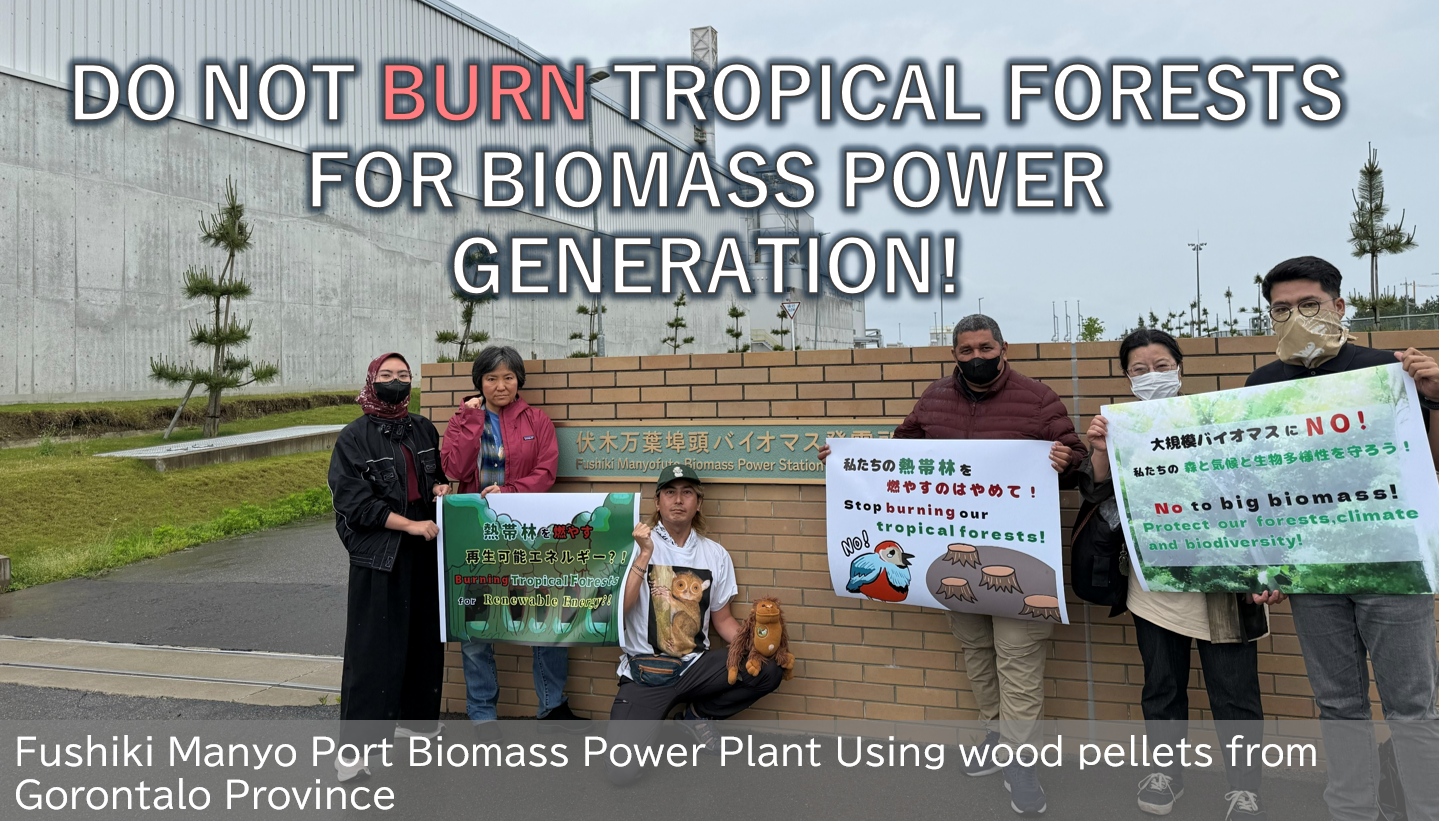
阪和興業はゴロンタロ州で生産された木質ペレットを日本に輸出し、富山県の伏木万葉埠頭バイオマス発電所などに供給しています。
伏木万葉埠頭バイオマス発電所(出力5.15万kW)を運営しているプロミットパワー株式会社は、東京ガスの100%出資子会社です。
同発電所では、ベトナム、カナダ、マレーシアと、インドネシア・ゴロンタロ州産の木質ペレットが燃料として使われています。
インドネシアの熱帯林が、「日本の再エネ」の名のもとに伐られて燃やされている… その現実に、私たちは目を向けなければなりません。
✋ 私たちは求めます
- 熱帯林や天然林由来のバイオマス燃料の製造・使用・調達を即時に中止してください。
- 既に伐採された熱帯林・天然林について、元の生態系を回復する行動を取ってください。
- 海外の木質バイオマス燃料を燃やす誤った「再エネ」ではなく、森林破壊・劣化の無い再エネ事業を進めてください。
🌱 未来を守るために
インドネシアの森を燃やす「再エネ」は、私たちの未来を守るどころか、奪っています。
現時点では、インドネシアの130万ヘクタールのバイオマス向け伐採コンセッションのほとんどで、本格的な伐採は始まっていません。
日本の企業と市民社会が「熱帯林・天然林破壊を引き起こしたペレットは使わない」というメッセージを強く打ち出せば、今まさに進んでいる熱帯林の伐採をくい止め、生態系と村人の生活を守ることができます。
残された貴重な熱帯林を守ることこそが、正しい気候変動対策であり私たちの未来を守る行動なのです。
どうか皆さんの力を貸してください。
【English】
Indonesia’s tropical forests are being logged and burned in Japan in the name of “renewable energy.”
The tropical forests of Sulawesi Island are home to rare animals found nowhere else in the world.
Is it acceptable to sacrifice rich forests and the lives of wildlife for the electricity we consume?
The Hutan Group calls on Hanwa Co., Ltd., which produces wood pellets in Gorontalo Province on Sulawesi Island and export them to Japan, Tokyo Gas Co., Ltd., which operates a biomass power plant using those pellets, to stop using wood pellets produced through the destruction of Indonesia’s tropical forests.
This petition is addressed to;
- Mr. Yoichi Nakagawa
President & CEO, Hanwa Co., Ltd. - Mr. Shinichi Sasayama
President & CEO, Tokyo Gas Co., Ltd.
①Map: Location of Gorontalo Province, From https://commons.wikimedia.org/w/index.php?curid=16763714 Wikimedia Commons, by TUBS, licensed under CC BY-SA 3.0
②Photo: Forests in Gorontalo Province, Sulawesi Island
※The sequential numbers on the left correspond to the order of photos in the Japanese text above.
🌳 “Renewable Energy” That Destroys Forests?
In Japan, biomass power generation is supported as “renewable energy” under the Feed-in Tariff (FIT) scheme.
Biomass power has long been considered “carbon neutral” on the assumption that forests regrow after trees are burned. It has also been claimed that many biomass power plants mainly use unused domestic thinning wood and sawmill residues.
But is this really the case?
In reality, more than 70% (on a kW basis) of biomass power generation in Japan relies on large-scale imports of wood pellets produced from logging overseas forests.
Among these are wood pellets made from logged tropical forests in Indonesia. Imports of Indonesian wood pellets to Japan were almost zero before 2020, but surged to over 300,000 tonnes in 2024.
Japan and South Korea are the only countries importing wood pellets from Indonesia, and demand from Japan is driving the rapid expansion of Indonesia’s pellet industry.
Across Indonesia, the total area of forest concessions (permissions to harvest forests) granted for biomass fuel (wood pellet) production now amounts to 1.3 million hectares—about six times the size of Tokyo Metropolis.
③Photo: Tropical forest logs stacked at the pellet mill (GPL: Gorontalo Panel Lestari) in northern Gorontalo Province (c) Solutions for Our Climate
④Photo: Aerial view of the GPL mill (c)Auriga Nusantara
⑤Photo: Logging site for the pellet mill (GPL) (© Solutions for Our Climate)
⑥Photo: A truck heading to the pellet mill
🐒 Sulawesi’s Forests: Home to Endangered Species Found Nowhere Else
Sulawesi Island is part of the Wallacea biodiversity hotspot, one of the world’s most important regions for biodiversity.
Due to its unique shape and geographical isolation, Sulawesi has exceptionally high levels of biodiversity: 98% of mammals, 80% of amphibians, and one-third of bird species are endemic to the island.
Areas being logged for biomass production overlap with the habitats of endangered species found only on Sulawesi, including the anoa, Sulawesi babirusa, and Gorontalo macaque. (The collage below shows animals whose habitats overlap with existing concessions)
Gorontalo Province still retains just over 600,000 hectares of natural forest, but four logging concessions already exist in the province, covering a total of 100,000 hectares—about half the area of Tokyo Metropolis.
Plans are underway to expand logging concessions to a total of 280,000 hectares. If all of these areas are logged and converted to energy plantations, approximately 40% of the province’s remaining natural forests will be lost.
The forests of Gorontalo Province, located midway along Sulawesi’s narrow peninsula, function as a vital “green corridor” allowing wildlife to move between habitats.
The loss of tropical forests on this scale would fragment habitats of endangered species and push them closer to extinction. These animals may one day exist only in zoos.
⑦Collage photo of animals in Gorontalo whose habitats overlap with existing concessions
🏡 Impacts on Local Communities
In areas of Gorontalo Province where forests are being cleared for pellet production, flooding caused by heavy rainfall has increased, seriously damaging villagers’ homes, farmland, and roads.
⑧Photo: A home of a villager affected by flooding (North Gorontalo ©SFOC)
⑨Photo: A villager recounting how floodwaters reached “waist-high” (North Gorontalo ©SFOC)
Rivers that villagers have long relied on for drinking water and bathing now remain muddy long after rainfall.
As climate change intensifies tropical downpours, protecting forests that maintain clean water and prevent floods is essential for the safety and livelihoods of local communities.
Forest products such as honey, rattan (used as raw material for handicrafts), medicinal plants, and sugar palm sap have long supported local livelihoods. For landless and poorer villagers in particular, forest destruction means the loss of vital sources of income and subsistence.
Through wood pellet production involving Japanese companies—and the “renewable energy” that burns those pellets in Japan—the safety and well-being of Indonesian communities are being threatened.
⑩Photo: The process of collecting sap from sugar palms, which is used to make palm sugar and alcohol
🔥 Not Renewable — It Increases CO₂ Emissions!
Some may argue that a certain level of environmental impact is unavoidable in expanding renewable energy.
However, woody biomass power generation is fundamentally counterproductive as a climate change measure.
In fact, burning wood emits more CO₂ per unit of electricity than coal.
⑪Chart: From “Biomass Power Generation Info” https://bioenergyinfo.jp/
When natural forests are logged and burned, it takes at least the age of the original trees, as long as several decades to more than a century for regrowing trees to reabsorb the same amount of CO₂ emitted.
In tropical regions, soils are often thin due to rapid decomposition of organic matter such as fallen leaves and dead trees. In mountainous areas like Gorontalo, large-scale logging can cause topsoil to be washed away by intense rainfall, making forest recovery extremely difficult in the future.
⑫Photo: Tropical forests spreading across the steep mountainous terrain in the southwestern part of Gorontalo Province (©SFOC)
Cutting and burning tropical forests—valuable reservoirs of biodiversity and crucial carbon sinks—is not renewable.
Labeling such woody biomass power as “carbon neutral” is not only a false climate solution, but also further accelerates climate change by destroying tropical forests.
Yet electricity generated by burning tropical forests is currently subsidized by Japan’s renewable energy surcharge and sold as environmentally friendly “renewable energy”.
It’s no exaggeration to say it’s a greenwashing.
🏭 Hanwa’s Pellet Production in Gorontalo
Hanwa Corporation holds a 20% stake in the pellet mill, PT Biomasa Jaya Abadi (BJA) in Gorontalo Province, Sulawesi Island.
BJA sources timber from two concessions for producing biomass (wood pellets) — PT Inti Global Laksana (IGL) and PT Banyan Tumbuh Lestari (BTL) — which together plan to log approximately 30,000 hectares of tropical forest.
More than 3,000 hectares of tropical forests have already been lost over the past three years.
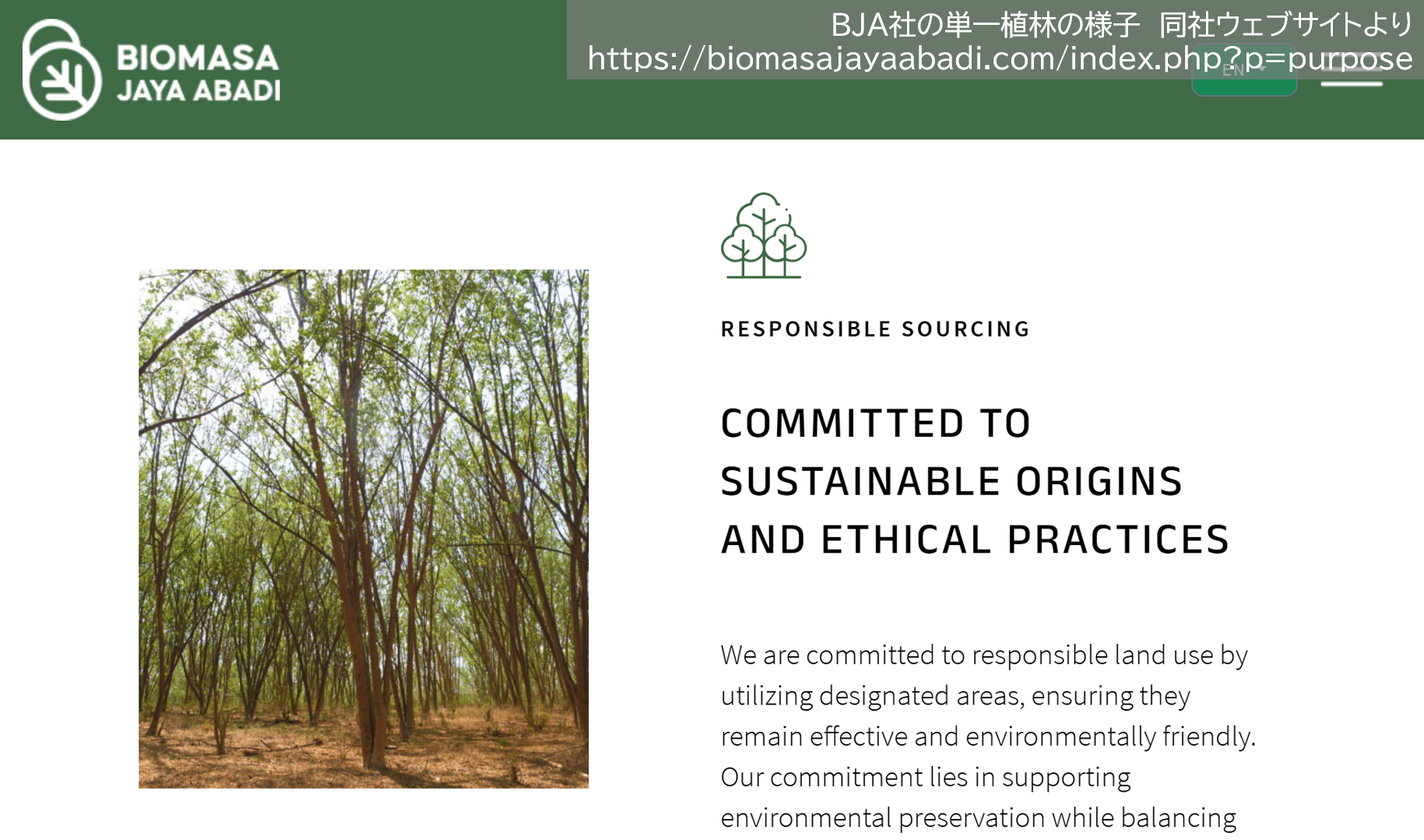
Hanwa claims that “three trees are planted for every tree cut.” However, these are fast-growing non-native species intended for repeated harvesting every four years to produce wood pellets.
Monoculture plantations of fast-growing trees cannot replace the diverse functions of tropical forests such rich biodiversity, water regulation, soil protection, and such diverse forest products as timber and food (fruits, mushrooms, etc.). Such four-year short-rotation harvesting also risks degrading soils and reducing long-term productivity.
⑬Image of BJA's Monoculture Plantation (from BJA's website) https://biomasajayaabadi.com
🔥 Indonesian Pellets Burned by Tokyo Gas in Toyama Prefecture
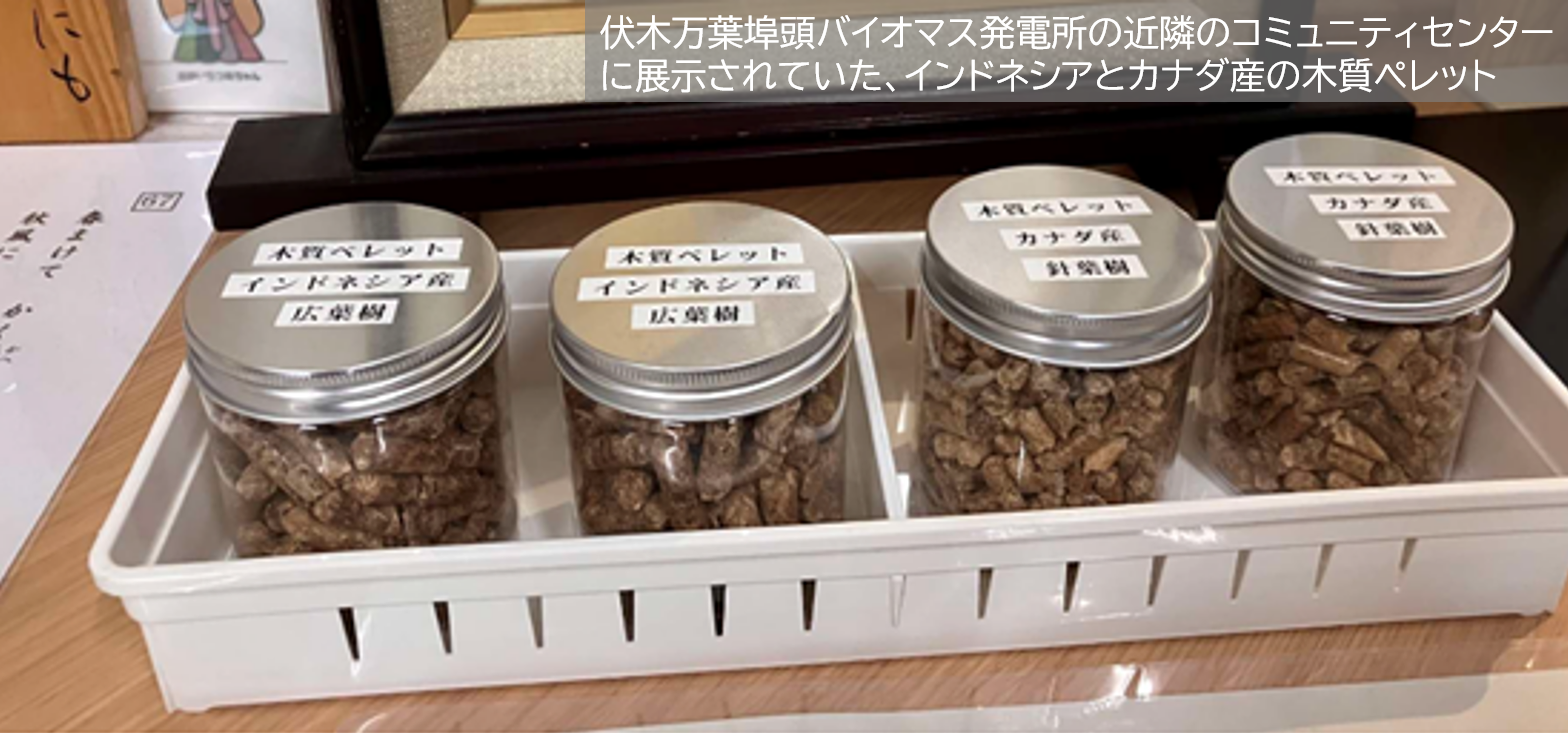
Hanwa exports wood pellets produced in Gorontalo to Japan, supplying facilities such as the Fushiki Manyo Port Biomass Power Plant in Toyama Prefecture.
The plant (51.5 MW) is operated by Prominet Power Co., Ltd., a wholly owned subsidiary of Tokyo Gas.
The facility burns wood pellets sourced from Vietnam, Canada, Malaysia, and Gorontalo, Indonesia.
Tropical forests in Indonesia are being cut down and burned under the banner of “Japan’s renewable energy.” We must not look away from this reality.
⑭Photo: Wood pellets from Indonesia and Canada displayed at the community center near the Fushiki Manyo Port Biomass Power Plant
✋ Our Demands
- Immediately halt the production, procurement, and use of biomass from tropical and natural forests.
- Restore original ecosystems in areas of tropical and natural forest already logged.
- Promote genuinely renewable energy that does not cause forest destruction or degradation, instead of relying on imported woody biomass.
🌱 Protecting Our Future
A “renewable energy” that burns Indonesia’s forests does not protect our future—it steals it.
At present, large-scale logging has not yet begun across most of Indonesia’s 1.3 million hectares of biomass concessions.
If Japanese companies and civil society send a strong message—“We will not use pellets produced through tropical and natural forest destruction”—it is still possible to stop logging now underway and protect ecosystems and local livelihoods.
Protecting the remaining precious tropical forests is the correct climate measure — and an essential action to safeguard our shared future.
We ask for your support.
【Bahasa Indonesia】
STOP BAKAR HUTAN TROPIS UNTUK PEMBANGKIT LISTRIK TENAGA BIOMASSA!
Seruan kepada Tokyo Gas dan Hanwa Co., Ltd.: Hentikan Penggunaan Pelet Kayu yang Merusak Hutan Alam di Pulau Sulawesi!
Hutan tropis Indonesia telah ditebang dan dibakar oleh Jepang atas nama “energi terbarukan”. Padahal hutan tropis di Pulau Sulawesi adalah rumah bagi satwa langka yang tidak dapat ditemukan di belahan dunia lainnya. Apakah pantas mengorbankan kekayaan hutan alam dan keberlangsungan satwa liar demi listrik yang kita konsumsi?
Hutan Group menyerukan kepada kedua perusahaan berikut: Hanwa Co., Ltd., perusahaan yang memproduksi pelet kayu di Provinsi Gorontalo, Pulau Sulawesi dan mengekspornya ke Jepang; serta Tokyo Gas Co., Ltd., perusahaan yang mengoperasikan pembangkit listrik tenaga biomassa (PLTBm) menggunakan pelet kayu tersebut, untuk berhenti menggunakan pelet kayu yang diproduksi melalui perusakan hutan tropis Indonesia.
Petisi ini ditujukan kepada;
Mr. Yoichi Nakagawa
President & CEO, Hanwa Co., Ltd.
Mr. Shinichi Sasayama
President & CEO, Tokyo Gas Co., Ltd.
※Nomer urut gambar sesuai dengan urutan gambar pada teks bahasa Jepang di atas.
① Peta: Lokasi Provinsi Gorontalo (sumber TUBS)
② Foto: Hutan di Provinsi Gorontalo, Pulau Sulawesi
🌳 “Energi Terbarukan” yang Menghancurkan Hutan?
Di Jepang, PLTBm didukung sebagai bentuk “energi terbarukan” melalui skema Feed-in Tariff (FIT). Pembangkit ini dianggap “karbon netral” dengan dalih bahwa hutan akan ditanami kembali setelah ditebang dan dibakar. Selain itu, banyak PLTBm juga diklaim mengutamakan penggunaan kayu domestik yang berasal dari hasil thinning (penjarangan hutan) serta limbah industri kayu yang sebelumnya tidak dimanfaatkan. Namun, benarkah demikian?
Kenyataannya, lebih dari 70% PLTBm di Jepang (berdasarkan kapasitas kW) bergantung pada impor skala besar pelet kayu yang diproduksi dari penebangan hutan di luar Jepang. Di antaranya ada pelet kayu yang dibuat lewat cara menebang hutan tropis Indonesia. Angka impor pelet kayu Indonesia ke Jepang hampir nol sebelum tahun 2020, namun pada tahun 2024 melonjak drastis menjadi lebih dari 300.000 ton.
Jepang dan Korea Selatan adalah satu-satunya negara yang mengimpor pelet kayu dari Indonesia, dan permintaan suplai dari Jepang mendorong dengan cepat ekspansi industri pelet di Indonesia. Di seluruh Indonesia, total luas konsesi hutan (izin penebangan hutan) yang diberikan untuk produksi bahan bakar biomassa (pelet kayu) kini mencapai 1,3 juta hektare atau sekitar enam kali luas kota Tokyo.
③ Foto: Tumpukan gelondongan kayu yang berasal dari hutan tropis di pabrik pengolahan pellet (GPL: Gorontalo Panel Lestari), di Golontaro Utara (© Solutions for Our Climate)
④ Foto: Pabrik GPL tampak udara (© Auriga Nusantara)
⑤ Foto: Lokasi penebangan untuk pabrik pelet GPL (© Solutions for Our Climate)
⑥ Foto: Truk menuju pabrik pelet
🐒 Hutan Sulawesi: Rumah bagi Satwa Lokal yang Terancam Punah
Pulau Sulawesi merupakan bagian dari hotspot keanekaragaman hayati Wallacea, salah satu kawasan terpenting dunia untuk biodiversitas. Karena bentuknya yang unik dan letak geografisnya yang terisolasi, Sulawesi memiliki tingkat keanekaragaman hayati yang sangat tinggi: 98% mamalia, 80% amfibi, dan sepertiga spesies burung bersifat endemik di pulau ini.
Wilayah yang ditebang untuk produksi biomassa tumpang tindih dengan habitat berbagai spesies terancam punah yang hanya ditemukan di Sulawesi, seperti Anoa, Babirusa Sulawesi, dan Monyet Hitam Gorontalo. (Kolase di bawah memperlihatkan satwa-satwa yang habitatnya bertumpang tindih dengan area konsesi perusahaan.)
Hutan alami yang tersisa di Provinsi Gorontalo diperkirakan masih mencakup lebih dari 600.000 hektare. Namun, empat konsesi penebangan di provinsi tersebut menguasai total sekitar 100.000 hektare kawasan hutan—setara dengan hampir setengah luas Kota Tokyo.
Rencana sedang disusun untuk memperluas konsesi penebangan hingga total 280.000 hektare1. Jika seluruh area ini ditebang dan dikonversi menjadi perkebunan energi, maka sekitar 40% hutan alami yang tersisa di provinsi tersebut akan hilang.
Hutan di Provinsi Gorontalo, yang terletak di tengah semenanjung sempit Sulawesi, berfungsi sebagai “koridor hijau” yang sangat vital bagi satwa liar untuk berpindah antarhabitat. Hilangnya hutan tropis dalam skala ini akan memecah habitat spesies terancam punah dan mendorong mereka semakin dekat menuju kepunahan. Bukan tidak mungkin jika suatu hari nanti hewan-hewan ini hanya akan tersisa di kebun binatang.
⑦ Kolase foto satwa di Gorontalo yang habitatnya tumpang tindih dengan konsesi perusahaan. Kiri ke kanan: Burung Maleo, Anoa Dataran Rendah, Kuskus Beruang, Babirusa Sulawesi, Monyet Hitam Gorontalo.
🏡 Dampak terhadap Masyarakat Lokal
Banjir akibat hujan deras meningkat di Provinsi Gorontalo, menyebabkan kerusakan serius pada rumah warga, lahan pertanian, serta jalan, khususnya di wilayah hutan yang dibabat untuk produksi pelet. Sungai yang selama ini digunakan warga untuk air minum dan mandi kini menjadi keruh bahkan setelah hujan berhenti.
Ketika perubahan iklim memperparah curah hujan tropis, melindungi hutan yang berperan menjaga kualitas air dan mencegah banjir menjadi sangat penting bagi keselamatan serta mata pencaharian masyarakat lokal.
⑧ Foto: Rumah warga yang terdampak banjir, Gorontalo Utara (©SFOC)
⑨ Foto: Warga menceritakan air banjir yang mencapai “setinggi pinggang”, Gorontalo Utara (©SFOC)
Selain itu, bagi warga miskin yang tidak memiliki lahan dan bergantung pada hasil hutan yang berlimpah―seperti madu, rotan (bahan baku untuk kerajinan tangan), tanaman obat, dan gula aren―perusakan hutan berarti hilangnya sumber pendapatan dan kebutuhan hidup yang vital bagi mereka.
Keselamatan dan kesejahteraan masyarakat Indonesia kini sedang terancam akibat produksi pelet kayu yang melibatkan perusahaan Jepang. “Energi terbarukan” Jepang pun ikut andil karena menggunakan pelet tersebut sebagai bahan bakar.
⑩ Foto: Proses pengambilan nira aren yang digunakan untuk membuat gula aren dan alkohol
🔥 Bukan Energi Terbarukan — Justru Meningkatkan Emisi CO₂!
Sebagian orang mungkin berpendapat bahwa dampak lingkungan yang semakin besar tidak dapat dihindari dalam pengembangan energi terbarukan. Namun, penggunaan PLTBm berbahan bakar pelet kayu sebagai upaya penanggulangan perubahan iklim pada dasarnya merupakan langkah yang kontraproduktif. Faktanya, pembakaran kayu pada PLTBm menghasilkan emisi CO₂ yang lebih tinggi jika dibandingkan dengan batu bara.
⑪ Grafik: Perbandingan emisi CO₂ (dari kiri ke kanan) LNG, batu bara, biomassa (pelet kayu). Sumber: https://bioenergyinfo.jp/
Ketika hutan alami ditebang dan dibakar, diperlukan waktu setidaknya selama usia pohon-pohon asli—mulai dari beberapa dekade hingga lebih dari satu abad—agar vegetasi yang tumbuh kembali mampu menyerap jumlah CO₂ yang setara.
Di wilayah tropis, lapisan tanah sering kali menipis akibat cepatnya penguraian bahan organik seperti daun gugur dan pohon mati. Di daerah pegunungan seperti Gorontalo, penebangan skala besar dapat menyebabkan lapisan atas tanah hanyut oleh hujan lebat, sehingga pemulihan hutan yang kaya seperti sekarang ini akan menjadi sangat sulit di masa depan.
⑫Foto: Hutan tropis yang membentang di pegunungan terjal di bagian barat daya Provinsi Gorontalo (©SFOC)
Menebang dan membakar hutan tropis—yang merupakan cadangan keanekaragaman hayati yang sangat berharga sekaligus penyerap karbon yang krusial—tidak dapat dianggap sebagai praktik yang “terbarukan”. Pelabelan PLTBm sebagai “netral karbon” bukan hanya merupakan solusi iklim semu, tetapi juga berpotensi mempercepat perubahan iklim melalui penghancuran hutan tropis.
Ironisnya, listrik yang dihasilkan dari pembakaran hutan tropis di Jepang saat ini justru disubsidi melalui skema biaya tambahan listrik (FIT) yang diklaim sebagai dukungan terhadap energi terbarukan ramah lingkungan. Oleh karena itu, tidak berlebihan jika praktik ini disebut sebagai bentuk greenwashing.
🏭 Produksi Pelet Hanwa di Gorontalo
Hanwa Co., Ltd. memiliki 20% saham di pabrik pelet PT Biomasa Jaya Abadi (BJA) di Provinsi Gorontalo, Pulau Sulawesi. BJA memperoleh kayu dari dua konsesi perusahaan yang memproduksi pelet kayu, yakni PT Inti Global Laksana (IGL) dan PT Banyan Tumbuh Lestari (BTL), yang bersama-sama berencana menebang sekitar 30.000 hektare hutan tropis. Lebih dari 3.000 hektare hutan tropis telah hilang dalam tiga tahun terakhir.
Hanwa Co., Ltd. mengklaim bahwa “tiga pohon ditanam untuk menggantikan setiap satu pohon yang ditebang.” Namun, pada kenyataannya, pohon-pohon yang ditanam tersebut merupakan spesies non-asli yang tumbuh cepat dan ditujukan untuk dipanen berulang setiap empat tahun guna memproduksi pelet kayu.
Perkebunan monokultur dengan jenis pohon cepat tumbuh tidak dapat menggantikan beragam fungsi ekologis hutan tropis, seperti menopang keanekaragaman hayati yang kaya, mengatur tata air, melindungi tanah, serta menyediakan berbagai hasil hutan, termasuk kayu dan sumber pangan seperti buah-buahan dan jamur. Selain itu, sistem panen jangka pendek setiap empat tahun juga berisiko merusak kualitas tanah dan menurunkan produktivitas lahan dalam jangka panjang.
⑬ Gambar perkebunan monokultur BJA diambil dari website biomasajayaabadi.com
🔥 Pelet Indonesia Dibakar oleh Tokyo Gas di Prefektur Toyama
Hanwa Co., Ltd. mengekspor pelet kayu yang diproduksi di Gorontalo ke Jepang untuk memasok fasilitas seperti PLTBm di Pelabuhan Fushiki Manyo, Prefektur Toyama. Pembangkit berkapasitas 51,5 MW tersebut dioperasikan oleh Prominet Power Co., Ltd., anak perusahaan yang 100% sepenuhnya dimiliki oleh Tokyo Gas. Fasilitas ini membakar pelet kayu yang berasal dari Vietnam, Kanada, Malaysia, dan Gorontalo, Indonesia.
Hutan tropis di Indonesia telah ditebang dan dibakar atas nama “energi terbarukan Jepang.” Kenyataan ini tidak boleh kita abaikan.
⑭ Foto: Pelet kayu dari Indonesia dan Kanada dipamerkan di pusat komunitas dekat PLTBm Pelabuhan Fushiki Manyo
✋ Tuntutan Kami
- Segera hentikan produksi, pengadaan, dan penggunaan biomassa yang berasal dari hutan tropis dan hutan alam.
- Pulihkan ekosistem asli di wilayah hutan tropis dan hutan alam yang telah ditebang.
- Dorong energi terbarukan yang benar-benar berkelanjutan dan tidak menyebabkan kerusakan maupun degradasi hutan, bukan bergantung pada biomassa kayu impor.
🌱 Melindungi Masa Depan Kita
“Energi terbarukan” yang bergantung pada pembakaran hutan Indonesia tidak melindungi masa depan kita—melainkan justru merampasnya. Hingga saat ini, penebangan skala besar belum dimulai di sebagian besar dari 1,3 juta hektare konsesi biomassa di Indonesia.
Namun, apabila perusahaan-perusahaan Jepang dan masyarakat sipil menyuarakan pesan yang tegas, seperti “Kami tidak akan menggunakan pelet kayu yang diproduksi melalui penghancuran hutan tropis dan hutan alam,” maka penebangan yang sedang berlangsung masih dapat dihentikan, sekaligus melindungi ekosistem dan mata pencaharian masyarakat lokal.
Melindungi sisa hutan tropis yang masih berharga merupakan langkah nyata dalam menghadapi krisis iklim, sekaligus tindakan penting untuk menjaga masa depan bersama.
Kami tunggu dukungan dari Anda.
【参照情報】
[1]https://foejapan.org/wpcms/wp-content/uploads/2025/10/251023_WALHI-Gorontalo.pdf のp.4, p.7
※ウータン・森と生活を考える会は、国内外のNGOと協力して、両社に対して公開質問書・要請書を提出しています。具体的な情報の参照先は、下記要請書に記載しています。
・東京ガス宛て要請書 https://bioenergyinfo.jp/cms/wp-content/uploads/2025/10/tokyogas_gorontalo_pellet_letter_251128revised.pdf
・阪和興業宛て要請書 https://bioenergyinfo.jp/cms/wp-content/uploads/2025/10/hanwa_gorontalo_pellet_letter_251128revised.pdf
【画像クレジット】
※トップ画像:ペレット工場向けに伐採されたゴロンタロ州の熱帯林(©Forest Watch Indonesia)と同州の貴重な生き物のコラージュ
※動物の写真のクレジット(いずれも、クリエイティブコモンズから取得):ゴロンタロマカク(©wildbennett)、スラウェシバビルサ(©Masteraah)、ローランドアノア(トップ画像、本文©The Land)、クマクスクス(© ꦥꦤ꧀ꦗꦶꦒꦸꦱ꧀ꦠꦶꦄꦏ꧀ꦧꦂ)、セレベスツカツクリ(©Ariefrahman)
【References】
[1] https://foejapan.org/wpcms/wp-content/uploads/2025/10/251023_WALHI-Gorontalo.pdf (pp. 4 and 7)
HUTAN Group has submitted a public letter of questions and requests to both companies in cooperation with domestic and international NGOs.
Detailed sources and supporting information are provided in the request letters below:
Request Letter to Tokyo Gas Co., Ltd.
https://bioenergyinfo.jp/cms/wp-content/uploads/2025/10/tokyogas_gorontalo_pellet_letter_251128revised.pdf
Request Letter to Hanwa Co., Ltd.
https://bioenergyinfo.jp/cms/wp-content/uploads/2025/10/hanwa_gorontalo_pellet_letter_251128revised.pdf
【Image Credits】
Top image: Collage of tropical forests in Gorontalo Province logged for a pellet mill (© Forest Watch Indonesia) and rare wildlife native to the province. Animal photographs (all obtained under Creative Commons licenses): Gorontalo macaque (© wildbennett), Sulawesi babirusa (© Masteraah), Lowland anoa (top image and main text © The Land), Bear cuscus (© ꦥꦤ꧀ꦗꦶꦒꦸꦱ꧀ꦠꦶꦄꦏ꧀ꦧꦂ), Maleo (© Ariefrahman)
【Referensi】
[1] https://foejapan.org/wpcms/wp-content/uploads/2025/10/251023_WALHI-Gorontalo.pdf (pp. 4 and 7)
HUTAN Group bekerja sama dengan NGO lokal maupun internasional, telah mengirimkan surat yang berisi pertanyaan dan permintaan kepada kedua perusahaan. Rincian surat dan informasi pendukung lainnya bisa diakses sebagai berikut:
Surat Permintaan kepada Tokyo Gas Co., Ltd.
https://bioenergyinfo.jp/cms/wp-content/uploads/2025/10/tokyogas_gorontalo_pellet_letter_251128revised.pdf
Surat Permintaan kepada Hanwa Co., Ltd.
https://bioenergyinfo.jp/cms/wp-content/uploads/2025/10/hanwa_gorontalo_pellet_letter_251128revised.pdf
【Sumber Gambar】
Gambar teratas: Kolase hutan tropis di Provinsi Gorontalo yang ditebang untuk pabrik pengolahan pelet kayu (© Forest Watch Indonesia) serta satwa liar langka khas Gorontalo. Foto hewan (diambil di bawah lisensi Creative Commons):
Monyet Hitam Gorontalo (© Bennett Gardner), Babirusa Sulawesi (© Masteraah), Anoa Dataran Rendah (gambar teratas dan teks utama © The Land), Kuskus Beruang (© ꦥꦤ꧀ꦗꦶꦒꦸꦱ꧀ꦠꦶꦄꦏ꧀ꦧꦂ), Maleo (© Ariefrahman)

14,297
署名活動の主旨
DO NOT BURN TROPICAL FORESTS FOR BIOMASS POWER GENERATION!
Tokyo Gas and Hanwa Co., Ltd.: Stop Using Wood Pellets That Destroy Natural Forests on Sulawesi Island
*English follows Japanese.
STOP BAKAR HUTAN TROPIS UNTUK PEMBANGKIT LISTRIK TENAGA BIOMASSA!
Seruan kepada Tokyo Gas dan Hanwa Co., Ltd.: Hentikan Penggunaan Pelet Kayu yang Merusak Hutan Alam di Pulau Sulawesi!
*Bahasa Indonesia mengikuti Bahasa Inggris.
インドネシアの熱帯林が伐採され、日本で「再生可能エネルギー」のために燃やされています。
スラウェシ島の熱帯林には、世界でここにしかいない希少な動物たちが暮らしています。
私たちが使う電気のために、豊かな森と生き物の命を犠牲にしてよいのでしょうか?
ウータン・森と生活を考える会は、スラウェシ島ゴロンタロ州で木質ペレットを生産し、輸入を行う阪和興業株式会社と、その燃料でバイオマス発電事業を行う東京ガス株式会社に対して、「インドネシアの熱帯林を破壊してつくられた木質ペレット」を使わないよう求めます。
\\\署名の宛先///
- 阪和興業株式会社 代表取締役社長 中川洋一様
- 東京ガス株式会社 代表取締役社長 笹山 晋一様
🌳 森を壊してつくる“再エネ”?
日本では、再生可能エネルギー固定価格買取制度(FIT)により、バイオマス発電が「再生可能エネルギー」として支援されています。
バイオマス発電は、木を燃料にしても、森林は再成長するという理由で「カーボン・ニュートラル」な「再エネ」とされてきました。また、これまで利用されてこなかった国産の間伐材や製材所の残りを使う、とも言われてきました。
本当にそうでしょうか?
実際には、海外の森を伐採してつくられた木質ペレット等を大量に輸入し燃料にしているバイオマス発電が、7割以上(kWベース)に上ります。
その中には、インドネシアの熱帯林を伐採して作られる木質ペレットもあります。インドネシアから日本への木質ペレット輸入量は、2020年以前はほぼゼロでしたが、2024年には30万トン以上に急増しました。
インドネシアから木質ペレットを輸入している国は、日本と韓国のみで、日本の需要にけん引されてインドネシアのペレット産業が急成長しています。
現在、インドネシア全体では、バイオマス燃料(木質ペレット)の生産のためのコンセッション(森林の伐採許可)の面積は、130万ヘクタールに上ります(※東京都のおよそ6倍)。
🐒 ここにしかいない!絶滅危惧種たちが暮らすスラウェシの森
スラウェシ島は「ウォーレシア・ホットスポット」と呼ばれ、世界の重要な生物多様性ホットスポットの一つです。
複数の半島から成る独特な形をしており、地理的孤立性から生物多様性が特に高く、スラウェシ島の哺乳類の98%、両生類の80%、鳥類の3分の1が固有種(そこにしか生息していない種)と言われています。
バイオマス発電の燃料生産のために伐採されている場所は、世界でこの島にしかいない絶滅危惧種アノア(ウシの仲間)、スラウェシバビルーサ(イノシシの仲間)、ゴロンタロマカク(サルの仲間)などの生息地と重なっています。(下記の写真は生息地が既存のコンセッションと被っている動物のコラージュ)
ゴロンタロ州に残っている天然林は60万ヘクタール余りですが、既に4つの伐採地が存在し、その総面積は10万ヘクタール(東京都の半分)になります。
今後、伐採地はさらに増える計画で、合計28万ヘクタールになります[1]。これらがすべて伐採され、エネルギー植林に代わると、州の天然林の約4割が失われてしまうことになります。
細長い半島の半ばにあるゴロンタロ州の森林は、それ自体、生物が行き来する「緑の回廊」です。
ゴロンタロ州でこれだけの規模の熱帯林が失われることは、貴重種の生息地を分断し、さらに絶滅に近づけることになるでしょう。
これらの生き物たちは、今後動物園でしか姿を見ることができなくなるかもしれません。
🏡 住民の暮らしにも被害が
ゴロンタロ州で、ペレット生産のための森林伐採が進む地域では、大雨による洪水が増え、村人の家や田畑、道路が深刻な被害を受けています。
村の人が飲み水や水浴びに使ってきた川の水も、最近は雨の後はなかなか濁りが取れないそうです。
気候変動の影響で熱帯特有のスコールがさらに激しく頻繁になる中、村の人々が安全に暮らすためには、きれいな水を保ち、洪水を防ぐ機能を持つ森林を守ることがとても大切です。
また、森から採れるハチミツやラタン(工芸品の原料になる籐(トウ))、薬草、サトウヤシの樹液など、森の恵みを生活の支えとしてきた住民たち、特に農地を持たない貧しい村人にとっては、森林が破壊されることは生きる糧が奪われることを意味します。
日本企業が関わる木質ペレットの事業と、そのペレットを燃料とする日本の再エネによって、インドネシアの村人の安全で豊かな暮らしが脅かされているのです。
🔥 “再エネ”どころかCO₂が増える!
再生可能エネルギーが拡大するために、ある程度の環境負荷は仕方ないと考える人がいるかもしれません。
しかし、木質バイオマス発電は、大前提として気候変動対策としても逆効果なのです。
木質バイオマス発電は、実は木材の燃焼の段階では、石炭火力発電より多くのCO₂を排出します。
天然林を伐採して燃料とした場合、その土地で木が再び育ち、燃焼によって排出された分と同じだけのCO2を吸収するまでには、少なくとも元の樹木の樹齢と同じだけ、つまり数十年から100年以上もの時間が必要です。
また熱帯林の場合、落ち葉や枯れ木の分解が早いために土壌が薄く、特にゴロンタロ州のような急峻な山が多い地域では、一度森林が大面積で伐採されると、熱帯特有の強い雨によって表土が流されてしまう可能性もあります。
そうなると、将来、今あるような豊かな森を回復させるのはとても難しくなります。
生物多様性の宝庫であり、貴重なCO2吸収源でもある熱帯林を伐採し、燃料として燃やすことは再生可能ではありません。
そのような木質バイオマス発電を「カーボンニュートラル」とすることは、地球温暖化対策として間違っているばかりか、熱帯林を減少させ気候変動をさらに促進することにつながります。
しかし、今、熱帯林を燃料とする電力が、私たちが支払う再エネ賦課金で支えられ、環境にやさしい「再生可能エネルギー」として売られているのです。
これはグリーンウォッシュと言っても過言ではありません。
🏭 阪和興業が関わるゴロンタロ州のペレット事業
阪和興業は、インドネシア・スラウェシ島ゴロンタロ州のペレット工場「PT Biomasa Jaya Abadi(BJA)」に出資(20%)しています。
BJAは、バイオマス燃料(木質ペレット)のためのコンセッション(森林の伐採許可)を持つ2つの会社「PT Inti Global Laksana(IGL)」および「PT Banyan Tumbuh Lestari(BTL)」から木材を調達しています。
これらの伐採許可地域では、約3万ヘクタールの熱帯林が伐採対象となっており、過去3年ほどで既に3000ヘクタール以上の熱帯林が失われています。
阪和興業は、「ゴロンタロでは1本の木を伐ったら3本植林している」と説明しています。しかし植えているのは外来の早生樹(成長の早い樹木)で、これらは植林後4年ほどの周期で伐採を繰り返し、木質ペレット原料となることが想定されています。
熱帯林が持つ生物多様性の豊かさ、水源涵養(かんよう)や土壌の流出防止、物質生産(木材だけでなく、果物やキノコなどの食料も含む)などの多様な機能を、早生樹の単一植林によって代替することは不可能です。
さらに4年程度という超短期間で伐採・生産を繰り返すことは、土壌を疲弊させ、再生産能力を弱めていく可能も高いのです。
🔥 東京ガスが富山県で燃やしているインドネシアのペレット
阪和興業はゴロンタロ州で生産された木質ペレットを日本に輸出し、富山県の伏木万葉埠頭バイオマス発電所などに供給しています。
伏木万葉埠頭バイオマス発電所(出力5.15万kW)を運営しているプロミットパワー株式会社は、東京ガスの100%出資子会社です。
同発電所では、ベトナム、カナダ、マレーシアと、インドネシア・ゴロンタロ州産の木質ペレットが燃料として使われています。
インドネシアの熱帯林が、「日本の再エネ」の名のもとに伐られて燃やされている… その現実に、私たちは目を向けなければなりません。
✋ 私たちは求めます
- 熱帯林や天然林由来のバイオマス燃料の製造・使用・調達を即時に中止してください。
- 既に伐採された熱帯林・天然林について、元の生態系を回復する行動を取ってください。
- 海外の木質バイオマス燃料を燃やす誤った「再エネ」ではなく、森林破壊・劣化の無い再エネ事業を進めてください。
🌱 未来を守るために
インドネシアの森を燃やす「再エネ」は、私たちの未来を守るどころか、奪っています。
現時点では、インドネシアの130万ヘクタールのバイオマス向け伐採コンセッションのほとんどで、本格的な伐採は始まっていません。
日本の企業と市民社会が「熱帯林・天然林破壊を引き起こしたペレットは使わない」というメッセージを強く打ち出せば、今まさに進んでいる熱帯林の伐採をくい止め、生態系と村人の生活を守ることができます。
残された貴重な熱帯林を守ることこそが、正しい気候変動対策であり私たちの未来を守る行動なのです。
どうか皆さんの力を貸してください。
【English】
Indonesia’s tropical forests are being logged and burned in Japan in the name of “renewable energy.”
The tropical forests of Sulawesi Island are home to rare animals found nowhere else in the world.
Is it acceptable to sacrifice rich forests and the lives of wildlife for the electricity we consume?
The Hutan Group calls on Hanwa Co., Ltd., which produces wood pellets in Gorontalo Province on Sulawesi Island and export them to Japan, Tokyo Gas Co., Ltd., which operates a biomass power plant using those pellets, to stop using wood pellets produced through the destruction of Indonesia’s tropical forests.
This petition is addressed to;
- Mr. Yoichi Nakagawa
President & CEO, Hanwa Co., Ltd. - Mr. Shinichi Sasayama
President & CEO, Tokyo Gas Co., Ltd.
①Map: Location of Gorontalo Province, From https://commons.wikimedia.org/w/index.php?curid=16763714 Wikimedia Commons, by TUBS, licensed under CC BY-SA 3.0
②Photo: Forests in Gorontalo Province, Sulawesi Island
※The sequential numbers on the left correspond to the order of photos in the Japanese text above.
🌳 “Renewable Energy” That Destroys Forests?
In Japan, biomass power generation is supported as “renewable energy” under the Feed-in Tariff (FIT) scheme.
Biomass power has long been considered “carbon neutral” on the assumption that forests regrow after trees are burned. It has also been claimed that many biomass power plants mainly use unused domestic thinning wood and sawmill residues.
But is this really the case?
In reality, more than 70% (on a kW basis) of biomass power generation in Japan relies on large-scale imports of wood pellets produced from logging overseas forests.
Among these are wood pellets made from logged tropical forests in Indonesia. Imports of Indonesian wood pellets to Japan were almost zero before 2020, but surged to over 300,000 tonnes in 2024.
Japan and South Korea are the only countries importing wood pellets from Indonesia, and demand from Japan is driving the rapid expansion of Indonesia’s pellet industry.
Across Indonesia, the total area of forest concessions (permissions to harvest forests) granted for biomass fuel (wood pellet) production now amounts to 1.3 million hectares—about six times the size of Tokyo Metropolis.
③Photo: Tropical forest logs stacked at the pellet mill (GPL: Gorontalo Panel Lestari) in northern Gorontalo Province (c) Solutions for Our Climate
④Photo: Aerial view of the GPL mill (c)Auriga Nusantara
⑤Photo: Logging site for the pellet mill (GPL) (© Solutions for Our Climate)
⑥Photo: A truck heading to the pellet mill
🐒 Sulawesi’s Forests: Home to Endangered Species Found Nowhere Else
Sulawesi Island is part of the Wallacea biodiversity hotspot, one of the world’s most important regions for biodiversity.
Due to its unique shape and geographical isolation, Sulawesi has exceptionally high levels of biodiversity: 98% of mammals, 80% of amphibians, and one-third of bird species are endemic to the island.
Areas being logged for biomass production overlap with the habitats of endangered species found only on Sulawesi, including the anoa, Sulawesi babirusa, and Gorontalo macaque. (The collage below shows animals whose habitats overlap with existing concessions)
Gorontalo Province still retains just over 600,000 hectares of natural forest, but four logging concessions already exist in the province, covering a total of 100,000 hectares—about half the area of Tokyo Metropolis.
Plans are underway to expand logging concessions to a total of 280,000 hectares. If all of these areas are logged and converted to energy plantations, approximately 40% of the province’s remaining natural forests will be lost.
The forests of Gorontalo Province, located midway along Sulawesi’s narrow peninsula, function as a vital “green corridor” allowing wildlife to move between habitats.
The loss of tropical forests on this scale would fragment habitats of endangered species and push them closer to extinction. These animals may one day exist only in zoos.
⑦Collage photo of animals in Gorontalo whose habitats overlap with existing concessions
🏡 Impacts on Local Communities
In areas of Gorontalo Province where forests are being cleared for pellet production, flooding caused by heavy rainfall has increased, seriously damaging villagers’ homes, farmland, and roads.
⑧Photo: A home of a villager affected by flooding (North Gorontalo ©SFOC)
⑨Photo: A villager recounting how floodwaters reached “waist-high” (North Gorontalo ©SFOC)
Rivers that villagers have long relied on for drinking water and bathing now remain muddy long after rainfall.
As climate change intensifies tropical downpours, protecting forests that maintain clean water and prevent floods is essential for the safety and livelihoods of local communities.
Forest products such as honey, rattan (used as raw material for handicrafts), medicinal plants, and sugar palm sap have long supported local livelihoods. For landless and poorer villagers in particular, forest destruction means the loss of vital sources of income and subsistence.
Through wood pellet production involving Japanese companies—and the “renewable energy” that burns those pellets in Japan—the safety and well-being of Indonesian communities are being threatened.
⑩Photo: The process of collecting sap from sugar palms, which is used to make palm sugar and alcohol
🔥 Not Renewable — It Increases CO₂ Emissions!
Some may argue that a certain level of environmental impact is unavoidable in expanding renewable energy.
However, woody biomass power generation is fundamentally counterproductive as a climate change measure.
In fact, burning wood emits more CO₂ per unit of electricity than coal.
⑪Chart: From “Biomass Power Generation Info” https://bioenergyinfo.jp/
When natural forests are logged and burned, it takes at least the age of the original trees, as long as several decades to more than a century for regrowing trees to reabsorb the same amount of CO₂ emitted.
In tropical regions, soils are often thin due to rapid decomposition of organic matter such as fallen leaves and dead trees. In mountainous areas like Gorontalo, large-scale logging can cause topsoil to be washed away by intense rainfall, making forest recovery extremely difficult in the future.
⑫Photo: Tropical forests spreading across the steep mountainous terrain in the southwestern part of Gorontalo Province (©SFOC)
Cutting and burning tropical forests—valuable reservoirs of biodiversity and crucial carbon sinks—is not renewable.
Labeling such woody biomass power as “carbon neutral” is not only a false climate solution, but also further accelerates climate change by destroying tropical forests.
Yet electricity generated by burning tropical forests is currently subsidized by Japan’s renewable energy surcharge and sold as environmentally friendly “renewable energy”.
It’s no exaggeration to say it’s a greenwashing.
🏭 Hanwa’s Pellet Production in Gorontalo
Hanwa Corporation holds a 20% stake in the pellet mill, PT Biomasa Jaya Abadi (BJA) in Gorontalo Province, Sulawesi Island.
BJA sources timber from two concessions for producing biomass (wood pellets) — PT Inti Global Laksana (IGL) and PT Banyan Tumbuh Lestari (BTL) — which together plan to log approximately 30,000 hectares of tropical forest.
More than 3,000 hectares of tropical forests have already been lost over the past three years.
Hanwa claims that “three trees are planted for every tree cut.” However, these are fast-growing non-native species intended for repeated harvesting every four years to produce wood pellets.
Monoculture plantations of fast-growing trees cannot replace the diverse functions of tropical forests such rich biodiversity, water regulation, soil protection, and such diverse forest products as timber and food (fruits, mushrooms, etc.). Such four-year short-rotation harvesting also risks degrading soils and reducing long-term productivity.
⑬Image of BJA's Monoculture Plantation (from BJA's website) https://biomasajayaabadi.com
🔥 Indonesian Pellets Burned by Tokyo Gas in Toyama Prefecture
Hanwa exports wood pellets produced in Gorontalo to Japan, supplying facilities such as the Fushiki Manyo Port Biomass Power Plant in Toyama Prefecture.
The plant (51.5 MW) is operated by Prominet Power Co., Ltd., a wholly owned subsidiary of Tokyo Gas.
The facility burns wood pellets sourced from Vietnam, Canada, Malaysia, and Gorontalo, Indonesia.
Tropical forests in Indonesia are being cut down and burned under the banner of “Japan’s renewable energy.” We must not look away from this reality.
⑭Photo: Wood pellets from Indonesia and Canada displayed at the community center near the Fushiki Manyo Port Biomass Power Plant
✋ Our Demands
- Immediately halt the production, procurement, and use of biomass from tropical and natural forests.
- Restore original ecosystems in areas of tropical and natural forest already logged.
- Promote genuinely renewable energy that does not cause forest destruction or degradation, instead of relying on imported woody biomass.
🌱 Protecting Our Future
A “renewable energy” that burns Indonesia’s forests does not protect our future—it steals it.
At present, large-scale logging has not yet begun across most of Indonesia’s 1.3 million hectares of biomass concessions.
If Japanese companies and civil society send a strong message—“We will not use pellets produced through tropical and natural forest destruction”—it is still possible to stop logging now underway and protect ecosystems and local livelihoods.
Protecting the remaining precious tropical forests is the correct climate measure — and an essential action to safeguard our shared future.
We ask for your support.
【Bahasa Indonesia】
STOP BAKAR HUTAN TROPIS UNTUK PEMBANGKIT LISTRIK TENAGA BIOMASSA!
Seruan kepada Tokyo Gas dan Hanwa Co., Ltd.: Hentikan Penggunaan Pelet Kayu yang Merusak Hutan Alam di Pulau Sulawesi!
Hutan tropis Indonesia telah ditebang dan dibakar oleh Jepang atas nama “energi terbarukan”. Padahal hutan tropis di Pulau Sulawesi adalah rumah bagi satwa langka yang tidak dapat ditemukan di belahan dunia lainnya. Apakah pantas mengorbankan kekayaan hutan alam dan keberlangsungan satwa liar demi listrik yang kita konsumsi?
Hutan Group menyerukan kepada kedua perusahaan berikut: Hanwa Co., Ltd., perusahaan yang memproduksi pelet kayu di Provinsi Gorontalo, Pulau Sulawesi dan mengekspornya ke Jepang; serta Tokyo Gas Co., Ltd., perusahaan yang mengoperasikan pembangkit listrik tenaga biomassa (PLTBm) menggunakan pelet kayu tersebut, untuk berhenti menggunakan pelet kayu yang diproduksi melalui perusakan hutan tropis Indonesia.
Petisi ini ditujukan kepada;
Mr. Yoichi Nakagawa
President & CEO, Hanwa Co., Ltd.
Mr. Shinichi Sasayama
President & CEO, Tokyo Gas Co., Ltd.
※Nomer urut gambar sesuai dengan urutan gambar pada teks bahasa Jepang di atas.
① Peta: Lokasi Provinsi Gorontalo (sumber TUBS)
② Foto: Hutan di Provinsi Gorontalo, Pulau Sulawesi
🌳 “Energi Terbarukan” yang Menghancurkan Hutan?
Di Jepang, PLTBm didukung sebagai bentuk “energi terbarukan” melalui skema Feed-in Tariff (FIT). Pembangkit ini dianggap “karbon netral” dengan dalih bahwa hutan akan ditanami kembali setelah ditebang dan dibakar. Selain itu, banyak PLTBm juga diklaim mengutamakan penggunaan kayu domestik yang berasal dari hasil thinning (penjarangan hutan) serta limbah industri kayu yang sebelumnya tidak dimanfaatkan. Namun, benarkah demikian?
Kenyataannya, lebih dari 70% PLTBm di Jepang (berdasarkan kapasitas kW) bergantung pada impor skala besar pelet kayu yang diproduksi dari penebangan hutan di luar Jepang. Di antaranya ada pelet kayu yang dibuat lewat cara menebang hutan tropis Indonesia. Angka impor pelet kayu Indonesia ke Jepang hampir nol sebelum tahun 2020, namun pada tahun 2024 melonjak drastis menjadi lebih dari 300.000 ton.
Jepang dan Korea Selatan adalah satu-satunya negara yang mengimpor pelet kayu dari Indonesia, dan permintaan suplai dari Jepang mendorong dengan cepat ekspansi industri pelet di Indonesia. Di seluruh Indonesia, total luas konsesi hutan (izin penebangan hutan) yang diberikan untuk produksi bahan bakar biomassa (pelet kayu) kini mencapai 1,3 juta hektare atau sekitar enam kali luas kota Tokyo.
③ Foto: Tumpukan gelondongan kayu yang berasal dari hutan tropis di pabrik pengolahan pellet (GPL: Gorontalo Panel Lestari), di Golontaro Utara (© Solutions for Our Climate)
④ Foto: Pabrik GPL tampak udara (© Auriga Nusantara)
⑤ Foto: Lokasi penebangan untuk pabrik pelet GPL (© Solutions for Our Climate)
⑥ Foto: Truk menuju pabrik pelet
🐒 Hutan Sulawesi: Rumah bagi Satwa Lokal yang Terancam Punah
Pulau Sulawesi merupakan bagian dari hotspot keanekaragaman hayati Wallacea, salah satu kawasan terpenting dunia untuk biodiversitas. Karena bentuknya yang unik dan letak geografisnya yang terisolasi, Sulawesi memiliki tingkat keanekaragaman hayati yang sangat tinggi: 98% mamalia, 80% amfibi, dan sepertiga spesies burung bersifat endemik di pulau ini.
Wilayah yang ditebang untuk produksi biomassa tumpang tindih dengan habitat berbagai spesies terancam punah yang hanya ditemukan di Sulawesi, seperti Anoa, Babirusa Sulawesi, dan Monyet Hitam Gorontalo. (Kolase di bawah memperlihatkan satwa-satwa yang habitatnya bertumpang tindih dengan area konsesi perusahaan.)
Hutan alami yang tersisa di Provinsi Gorontalo diperkirakan masih mencakup lebih dari 600.000 hektare. Namun, empat konsesi penebangan di provinsi tersebut menguasai total sekitar 100.000 hektare kawasan hutan—setara dengan hampir setengah luas Kota Tokyo.
Rencana sedang disusun untuk memperluas konsesi penebangan hingga total 280.000 hektare1. Jika seluruh area ini ditebang dan dikonversi menjadi perkebunan energi, maka sekitar 40% hutan alami yang tersisa di provinsi tersebut akan hilang.
Hutan di Provinsi Gorontalo, yang terletak di tengah semenanjung sempit Sulawesi, berfungsi sebagai “koridor hijau” yang sangat vital bagi satwa liar untuk berpindah antarhabitat. Hilangnya hutan tropis dalam skala ini akan memecah habitat spesies terancam punah dan mendorong mereka semakin dekat menuju kepunahan. Bukan tidak mungkin jika suatu hari nanti hewan-hewan ini hanya akan tersisa di kebun binatang.
⑦ Kolase foto satwa di Gorontalo yang habitatnya tumpang tindih dengan konsesi perusahaan. Kiri ke kanan: Burung Maleo, Anoa Dataran Rendah, Kuskus Beruang, Babirusa Sulawesi, Monyet Hitam Gorontalo.
🏡 Dampak terhadap Masyarakat Lokal
Banjir akibat hujan deras meningkat di Provinsi Gorontalo, menyebabkan kerusakan serius pada rumah warga, lahan pertanian, serta jalan, khususnya di wilayah hutan yang dibabat untuk produksi pelet. Sungai yang selama ini digunakan warga untuk air minum dan mandi kini menjadi keruh bahkan setelah hujan berhenti.
Ketika perubahan iklim memperparah curah hujan tropis, melindungi hutan yang berperan menjaga kualitas air dan mencegah banjir menjadi sangat penting bagi keselamatan serta mata pencaharian masyarakat lokal.
⑧ Foto: Rumah warga yang terdampak banjir, Gorontalo Utara (©SFOC)
⑨ Foto: Warga menceritakan air banjir yang mencapai “setinggi pinggang”, Gorontalo Utara (©SFOC)
Selain itu, bagi warga miskin yang tidak memiliki lahan dan bergantung pada hasil hutan yang berlimpah―seperti madu, rotan (bahan baku untuk kerajinan tangan), tanaman obat, dan gula aren―perusakan hutan berarti hilangnya sumber pendapatan dan kebutuhan hidup yang vital bagi mereka.
Keselamatan dan kesejahteraan masyarakat Indonesia kini sedang terancam akibat produksi pelet kayu yang melibatkan perusahaan Jepang. “Energi terbarukan” Jepang pun ikut andil karena menggunakan pelet tersebut sebagai bahan bakar.
⑩ Foto: Proses pengambilan nira aren yang digunakan untuk membuat gula aren dan alkohol
🔥 Bukan Energi Terbarukan — Justru Meningkatkan Emisi CO₂!
Sebagian orang mungkin berpendapat bahwa dampak lingkungan yang semakin besar tidak dapat dihindari dalam pengembangan energi terbarukan. Namun, penggunaan PLTBm berbahan bakar pelet kayu sebagai upaya penanggulangan perubahan iklim pada dasarnya merupakan langkah yang kontraproduktif. Faktanya, pembakaran kayu pada PLTBm menghasilkan emisi CO₂ yang lebih tinggi jika dibandingkan dengan batu bara.
⑪ Grafik: Perbandingan emisi CO₂ (dari kiri ke kanan) LNG, batu bara, biomassa (pelet kayu). Sumber: https://bioenergyinfo.jp/
Ketika hutan alami ditebang dan dibakar, diperlukan waktu setidaknya selama usia pohon-pohon asli—mulai dari beberapa dekade hingga lebih dari satu abad—agar vegetasi yang tumbuh kembali mampu menyerap jumlah CO₂ yang setara.
Di wilayah tropis, lapisan tanah sering kali menipis akibat cepatnya penguraian bahan organik seperti daun gugur dan pohon mati. Di daerah pegunungan seperti Gorontalo, penebangan skala besar dapat menyebabkan lapisan atas tanah hanyut oleh hujan lebat, sehingga pemulihan hutan yang kaya seperti sekarang ini akan menjadi sangat sulit di masa depan.
⑫Foto: Hutan tropis yang membentang di pegunungan terjal di bagian barat daya Provinsi Gorontalo (©SFOC)
Menebang dan membakar hutan tropis—yang merupakan cadangan keanekaragaman hayati yang sangat berharga sekaligus penyerap karbon yang krusial—tidak dapat dianggap sebagai praktik yang “terbarukan”. Pelabelan PLTBm sebagai “netral karbon” bukan hanya merupakan solusi iklim semu, tetapi juga berpotensi mempercepat perubahan iklim melalui penghancuran hutan tropis.
Ironisnya, listrik yang dihasilkan dari pembakaran hutan tropis di Jepang saat ini justru disubsidi melalui skema biaya tambahan listrik (FIT) yang diklaim sebagai dukungan terhadap energi terbarukan ramah lingkungan. Oleh karena itu, tidak berlebihan jika praktik ini disebut sebagai bentuk greenwashing.
🏭 Produksi Pelet Hanwa di Gorontalo
Hanwa Co., Ltd. memiliki 20% saham di pabrik pelet PT Biomasa Jaya Abadi (BJA) di Provinsi Gorontalo, Pulau Sulawesi. BJA memperoleh kayu dari dua konsesi perusahaan yang memproduksi pelet kayu, yakni PT Inti Global Laksana (IGL) dan PT Banyan Tumbuh Lestari (BTL), yang bersama-sama berencana menebang sekitar 30.000 hektare hutan tropis. Lebih dari 3.000 hektare hutan tropis telah hilang dalam tiga tahun terakhir.
Hanwa Co., Ltd. mengklaim bahwa “tiga pohon ditanam untuk menggantikan setiap satu pohon yang ditebang.” Namun, pada kenyataannya, pohon-pohon yang ditanam tersebut merupakan spesies non-asli yang tumbuh cepat dan ditujukan untuk dipanen berulang setiap empat tahun guna memproduksi pelet kayu.
Perkebunan monokultur dengan jenis pohon cepat tumbuh tidak dapat menggantikan beragam fungsi ekologis hutan tropis, seperti menopang keanekaragaman hayati yang kaya, mengatur tata air, melindungi tanah, serta menyediakan berbagai hasil hutan, termasuk kayu dan sumber pangan seperti buah-buahan dan jamur. Selain itu, sistem panen jangka pendek setiap empat tahun juga berisiko merusak kualitas tanah dan menurunkan produktivitas lahan dalam jangka panjang.
⑬ Gambar perkebunan monokultur BJA diambil dari website biomasajayaabadi.com
🔥 Pelet Indonesia Dibakar oleh Tokyo Gas di Prefektur Toyama
Hanwa Co., Ltd. mengekspor pelet kayu yang diproduksi di Gorontalo ke Jepang untuk memasok fasilitas seperti PLTBm di Pelabuhan Fushiki Manyo, Prefektur Toyama. Pembangkit berkapasitas 51,5 MW tersebut dioperasikan oleh Prominet Power Co., Ltd., anak perusahaan yang 100% sepenuhnya dimiliki oleh Tokyo Gas. Fasilitas ini membakar pelet kayu yang berasal dari Vietnam, Kanada, Malaysia, dan Gorontalo, Indonesia.
Hutan tropis di Indonesia telah ditebang dan dibakar atas nama “energi terbarukan Jepang.” Kenyataan ini tidak boleh kita abaikan.
⑭ Foto: Pelet kayu dari Indonesia dan Kanada dipamerkan di pusat komunitas dekat PLTBm Pelabuhan Fushiki Manyo
✋ Tuntutan Kami
- Segera hentikan produksi, pengadaan, dan penggunaan biomassa yang berasal dari hutan tropis dan hutan alam.
- Pulihkan ekosistem asli di wilayah hutan tropis dan hutan alam yang telah ditebang.
- Dorong energi terbarukan yang benar-benar berkelanjutan dan tidak menyebabkan kerusakan maupun degradasi hutan, bukan bergantung pada biomassa kayu impor.
🌱 Melindungi Masa Depan Kita
“Energi terbarukan” yang bergantung pada pembakaran hutan Indonesia tidak melindungi masa depan kita—melainkan justru merampasnya. Hingga saat ini, penebangan skala besar belum dimulai di sebagian besar dari 1,3 juta hektare konsesi biomassa di Indonesia.
Namun, apabila perusahaan-perusahaan Jepang dan masyarakat sipil menyuarakan pesan yang tegas, seperti “Kami tidak akan menggunakan pelet kayu yang diproduksi melalui penghancuran hutan tropis dan hutan alam,” maka penebangan yang sedang berlangsung masih dapat dihentikan, sekaligus melindungi ekosistem dan mata pencaharian masyarakat lokal.
Melindungi sisa hutan tropis yang masih berharga merupakan langkah nyata dalam menghadapi krisis iklim, sekaligus tindakan penting untuk menjaga masa depan bersama.
Kami tunggu dukungan dari Anda.
【参照情報】
[1]https://foejapan.org/wpcms/wp-content/uploads/2025/10/251023_WALHI-Gorontalo.pdf のp.4, p.7
※ウータン・森と生活を考える会は、国内外のNGOと協力して、両社に対して公開質問書・要請書を提出しています。具体的な情報の参照先は、下記要請書に記載しています。
・東京ガス宛て要請書 https://bioenergyinfo.jp/cms/wp-content/uploads/2025/10/tokyogas_gorontalo_pellet_letter_251128revised.pdf
・阪和興業宛て要請書 https://bioenergyinfo.jp/cms/wp-content/uploads/2025/10/hanwa_gorontalo_pellet_letter_251128revised.pdf
【画像クレジット】
※トップ画像:ペレット工場向けに伐採されたゴロンタロ州の熱帯林(©Forest Watch Indonesia)と同州の貴重な生き物のコラージュ
※動物の写真のクレジット(いずれも、クリエイティブコモンズから取得):ゴロンタロマカク(©wildbennett)、スラウェシバビルサ(©Masteraah)、ローランドアノア(トップ画像、本文©The Land)、クマクスクス(© ꦥꦤ꧀ꦗꦶꦒꦸꦱ꧀ꦠꦶꦄꦏ꧀ꦧꦂ)、セレベスツカツクリ(©Ariefrahman)
【References】
[1] https://foejapan.org/wpcms/wp-content/uploads/2025/10/251023_WALHI-Gorontalo.pdf (pp. 4 and 7)
HUTAN Group has submitted a public letter of questions and requests to both companies in cooperation with domestic and international NGOs.
Detailed sources and supporting information are provided in the request letters below:
Request Letter to Tokyo Gas Co., Ltd.
https://bioenergyinfo.jp/cms/wp-content/uploads/2025/10/tokyogas_gorontalo_pellet_letter_251128revised.pdf
Request Letter to Hanwa Co., Ltd.
https://bioenergyinfo.jp/cms/wp-content/uploads/2025/10/hanwa_gorontalo_pellet_letter_251128revised.pdf
【Image Credits】
Top image: Collage of tropical forests in Gorontalo Province logged for a pellet mill (© Forest Watch Indonesia) and rare wildlife native to the province. Animal photographs (all obtained under Creative Commons licenses): Gorontalo macaque (© wildbennett), Sulawesi babirusa (© Masteraah), Lowland anoa (top image and main text © The Land), Bear cuscus (© ꦥꦤ꧀ꦗꦶꦒꦸꦱ꧀ꦠꦶꦄꦏ꧀ꦧꦂ), Maleo (© Ariefrahman)
【Referensi】
[1] https://foejapan.org/wpcms/wp-content/uploads/2025/10/251023_WALHI-Gorontalo.pdf (pp. 4 and 7)
HUTAN Group bekerja sama dengan NGO lokal maupun internasional, telah mengirimkan surat yang berisi pertanyaan dan permintaan kepada kedua perusahaan. Rincian surat dan informasi pendukung lainnya bisa diakses sebagai berikut:
Surat Permintaan kepada Tokyo Gas Co., Ltd.
https://bioenergyinfo.jp/cms/wp-content/uploads/2025/10/tokyogas_gorontalo_pellet_letter_251128revised.pdf
Surat Permintaan kepada Hanwa Co., Ltd.
https://bioenergyinfo.jp/cms/wp-content/uploads/2025/10/hanwa_gorontalo_pellet_letter_251128revised.pdf
【Sumber Gambar】
Gambar teratas: Kolase hutan tropis di Provinsi Gorontalo yang ditebang untuk pabrik pengolahan pelet kayu (© Forest Watch Indonesia) serta satwa liar langka khas Gorontalo. Foto hewan (diambil di bawah lisensi Creative Commons):
Monyet Hitam Gorontalo (© Bennett Gardner), Babirusa Sulawesi (© Masteraah), Anoa Dataran Rendah (gambar teratas dan teks utama © The Land), Kuskus Beruang (© ꦥꦤ꧀ꦗꦶꦒꦸꦱ꧀ꦠꦶꦄꦏ꧀ꦧꦂ), Maleo (© Ariefrahman)
賛同者からのコメント
オンライン署名の最新情報
このオンライン署名をシェアする
2025年11月26日に作成されたオンライン署名