

Stop marine mammal captivity in the Moscow Aquarium!
The Issue
RU / ENG
On January 8th, Moskvarium announced the death of their main star - orca Narnia. 6 months later, on June 23rd, the male orca Nord died.
Today there is only one orca left in Russia and in the Moskvarium - the youngest of the trio - Naya (she used to be called Juliet). She is about 11 years old. Nord and Narnia died at 16 and 17 years old. Very young age for orcas.
Moskvarium is the largest oceanarium in Russia. But unfortunately, even in this facility, it is impossible to create conditions that meet the biological needs of cetaceans. Over the years of the oceanarium’s existence, at least 19 marine mammals have already died:
2014: bottlenose dolphin
2018: bottlenose dolphin
2019: 2 bottlenose dolphins and white whales, seals, 2 walruses
2020: bottlenose dolphins
2022: 6 bottlenose dolphins
2023: 2 killer whales, 2 bottlenose dolphins
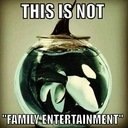
Now there is 1 orca, 2 belugas and several dolphins left in the Moskvarium. Orca Naya found herself in the most difficult situation. All her conspecifics died and she knows it. Naya is left completely alone, which is contrary to the nature of orcas. In the wild, these animals live in pods all their lives. They are very social and need to communicate with each other.
Can Naya be released in the wild? That depends on many factors.
She was captured from the wild as a baby, but we know exactly where it happened, which means we have an understanding of where her family is.
She spent almost 10 years in captivity. This is a long time. We do not know if she had time to learn how to hunt before her capture. But given that killer whales live in families and take care of each other, Naya may well be accepted by relatives. Orcas have a very good memory.
We do not know anything about the state of health of Naya today, so it is difficult to say if she can be a candidate for release. But there is another solution as well. Creating a sanctuary for cetaceans, which cannot be released to the wild. Such places already exist in Iceland and Indonesia.
Moskvarium could change history by ending shows with marine mammals right now. And the remaining "artists" can be rehabilitated and returned to freedom. For those who cannot be released, a sanctuary should be created, where the animals can live out their lives without exploitation, but with care.
Most of the "artists" in Moskvarium have already died. Isn't this a sign that this is the time to end the show? And give a chance to those who are still alive to return to the sea or live out their lives in the sanctuary, in normal conditions, as close as possible to natural. This is the only humane way out of the situation.
We ask the management of the Moskvarium to ban shows with marine mammals and consider the possibility of rehabilitating the remaining animals, as well as creating a sanctuary for those who cannot be released into the wild.
Keeping Naya alone is extremely inhumane and will be met with world condemnation. Don't let her die alone.
What can an ordinary person do to help stop this business?
Sign and share our petition demanding to close the show of marine mammals at the Moscow Aquarium. Even if you don't believe that petitions work - sign it. Public outcry has helped to close more than one facility and pass laws banning the keeping and breeding of captive cetaceans in many countries around the world. Each year more and more countries around the world do so. Sign and share the petition - it's the least any of us can do!
__________________________
Further information on the subject:
What will happen to the artists in oceanariums if they close?
The marine mammals in the Moscow Aquarium were captured from the wild, not rescued and put into captivity to preserve their lives.
A documentary film, Born Free, has been made about captures in Russia - you can find it on Netflix.
Pacific bottlenose orcas were bought by Moskvarium from Japan. They were caught in the infamous Taiji Cove featured in the the Oscar-winning documentary “The Cove” (also available on Netflix).
Many people believe that by refusing to go to a dolphinarium they will condemn the animals to imminent death. The reality is quite the opposite. By refusing to support the animal entertainment industry, everyone is helping to reduce the demand for such shows and the demand for new captures. This is very important. Also, some cetaceans that are already in captivity can be rehabilitated and returned to the wild. This is a long and costly process, but there are successful cases of cetaceans being returned to the wild. Every life is important, especially now!
134,489
The Issue
RU / ENG
On January 8th, Moskvarium announced the death of their main star - orca Narnia. 6 months later, on June 23rd, the male orca Nord died.
Today there is only one orca left in Russia and in the Moskvarium - the youngest of the trio - Naya (she used to be called Juliet). She is about 11 years old. Nord and Narnia died at 16 and 17 years old. Very young age for orcas.
Moskvarium is the largest oceanarium in Russia. But unfortunately, even in this facility, it is impossible to create conditions that meet the biological needs of cetaceans. Over the years of the oceanarium’s existence, at least 19 marine mammals have already died:
2014: bottlenose dolphin
2018: bottlenose dolphin
2019: 2 bottlenose dolphins and white whales, seals, 2 walruses
2020: bottlenose dolphins
2022: 6 bottlenose dolphins
2023: 2 killer whales, 2 bottlenose dolphins
Now there is 1 orca, 2 belugas and several dolphins left in the Moskvarium. Orca Naya found herself in the most difficult situation. All her conspecifics died and she knows it. Naya is left completely alone, which is contrary to the nature of orcas. In the wild, these animals live in pods all their lives. They are very social and need to communicate with each other.
Can Naya be released in the wild? That depends on many factors.
She was captured from the wild as a baby, but we know exactly where it happened, which means we have an understanding of where her family is.
She spent almost 10 years in captivity. This is a long time. We do not know if she had time to learn how to hunt before her capture. But given that killer whales live in families and take care of each other, Naya may well be accepted by relatives. Orcas have a very good memory.
We do not know anything about the state of health of Naya today, so it is difficult to say if she can be a candidate for release. But there is another solution as well. Creating a sanctuary for cetaceans, which cannot be released to the wild. Such places already exist in Iceland and Indonesia.
Moskvarium could change history by ending shows with marine mammals right now. And the remaining "artists" can be rehabilitated and returned to freedom. For those who cannot be released, a sanctuary should be created, where the animals can live out their lives without exploitation, but with care.
Most of the "artists" in Moskvarium have already died. Isn't this a sign that this is the time to end the show? And give a chance to those who are still alive to return to the sea or live out their lives in the sanctuary, in normal conditions, as close as possible to natural. This is the only humane way out of the situation.
We ask the management of the Moskvarium to ban shows with marine mammals and consider the possibility of rehabilitating the remaining animals, as well as creating a sanctuary for those who cannot be released into the wild.
Keeping Naya alone is extremely inhumane and will be met with world condemnation. Don't let her die alone.
What can an ordinary person do to help stop this business?
Sign and share our petition demanding to close the show of marine mammals at the Moscow Aquarium. Even if you don't believe that petitions work - sign it. Public outcry has helped to close more than one facility and pass laws banning the keeping and breeding of captive cetaceans in many countries around the world. Each year more and more countries around the world do so. Sign and share the petition - it's the least any of us can do!
__________________________
Further information on the subject:
What will happen to the artists in oceanariums if they close?
The marine mammals in the Moscow Aquarium were captured from the wild, not rescued and put into captivity to preserve their lives.
A documentary film, Born Free, has been made about captures in Russia - you can find it on Netflix.
Pacific bottlenose orcas were bought by Moskvarium from Japan. They were caught in the infamous Taiji Cove featured in the the Oscar-winning documentary “The Cove” (also available on Netflix).
Many people believe that by refusing to go to a dolphinarium they will condemn the animals to imminent death. The reality is quite the opposite. By refusing to support the animal entertainment industry, everyone is helping to reduce the demand for such shows and the demand for new captures. This is very important. Also, some cetaceans that are already in captivity can be rehabilitated and returned to the wild. This is a long and costly process, but there are successful cases of cetaceans being returned to the wild. Every life is important, especially now!
Supporter Voices
Petition Updates
Share this petition
Petition created on February 1, 2023