

End Federal Injustice: Western Sovereignty - A Path to Autonomy
The Issue
Western Sovereignty - A Path to Autonomy
A Petition for Consideration
Non-Profit Grassroots Statement & Legal Notice:
This petition is the product of an objective-based, not-for-profit, grassroots citizens lead initiative dedicated solely to promoting transparent and equitable democratic processes in Saskatchewan. We are not offering any profit or financial opportunity, nor is this a binding investment scheme. Instead, it stands as a petition for consideration—an invitation for community review and voluntary participation, aimed at prompting legislative reform and ensuring that every Saskatchewan resident’s voice is heard through a fair referendum process. By supporting this petition, you acknowledge that your participation is entirely voluntary, without any legal obligation or inducement of personal gain, and that we are solely focused on fostering democratic accountability and representing the true spirit of our region. Moreover, it is important to note that neither this petition nor the organization behind it is affiliated with any political party or electoral campaign, nor does it serve as a platform for partisan politics.
Introduction:
Our region—from the vibrant economies of Alberta, Saskatchewan, British Columbia and Manitoba to the resilient northern territories—thrives on rich natural resources, deep cultural traditions, and sustainable practices passed down through generations, especially by our Indigenous communities. Yet, decisions made in Ottawa purposely neglect these local realities.
This petition is not a radical protest for separation without purpose; it is a carefully considered movement toward establishing regional governance that reflects our needs. By choosing the subtitle “A Path to Sovereignty,” we emphasize that the goal is to create a practical and inclusive framework for local decision-making—one that champions tailored solutions, fair representation, and economic empowerment. Put simply, it’s about ensuring that our voice counts in forging policies that directly impact our communities and environment. We believe that updating governance will not only benefit Western Canada, but also set an inspiring precedent for modernizing democratic structures across the nation.
Inspired by Premier Danielle Smith’s transformative reforms in Alberta, which successfully lowered referendum thresholds and extended signature collection periods, we call for a national review. This petition is not an immediate bid for separation or an official referendum but rather a petition for consideration—a crucial precursor designed to update outdated legal frameworks and lay the groundwork for fair future referenda.
Our vision is clear: to forge a path to sovereignty by modernizing the process. By building on Alberta’s pioneering lead, with a hopeful following emerging in Saskatchewan, we envision that British Columbia, Manitoba, and other provinces will join our call for change. When a formal referendum eventually takes shape, it will operate under strict timeframes and defined signature counts. For now, this petition serves as a platform to express widespread support, stimulate national dialogue, and compel policymakers to reexamine the rules that govern our democratic process.
Sovereignty in Canada: Autonomy Without Separation
Sovereignty and separation are often confused, but they are distinct political concepts. Sovereignty allows regions—especially in Western Canada—to govern themselves within the Canadian federation, asserting meaningful autonomy without severing ties. Separation, however, implies full independence and a complete breakaway from the country.
Canada’s history shows that sovereignty can evolve through constitutional change rather than outright separation. For instance, Quebec’s sovereignty movement has long sought greater self-rule within Canada, while many regions in Western Canada, including Alberta, Saskatchewan, Manitoba, and British Columbia, have consistently pushed for stronger provincial rights and local control. British Columbia, with its unique cultural identity and progressive approach to resource management and environmental policy, further exemplifies the regional drive for empowering local decision-making without fracturing national unity.
This vision reinforces that true autonomy comes not from division, but from rebalancing power so that regional voices are heard and respected within the framework of our great nation.

Petition Statement
We the undersigned, united by our commitment to a self-determined and prosperous Western Canada, hereby affirm our support for modernizing our democratic process and reclaiming regional governance.
By signing this petition, we demand that our elected representatives take immediate action to end federal overreach and implement reforms that recognize the unique cultural, economic, and environmental needs of the West. We call for a fair, transparent, and regionally tailored approach to policymaking—one that empowers local communities, honors Indigenous wisdom, and paves a clear path to sovereignty and prosperity.
Together, we set the course for a future where every Western voice is heard, and every decision reflects our commitment to progress and autonomy.
The Call for Immediate Reform
To break this exploitative cycle and reclaim regional autonomy, Western Canada must:
- Assert Regional Sovereignty: Insist that each province regains full control over its critical industries, tailoring regulations to local conditions rather than disparate national mandates.
- Unify Against Federal Overreach: Strengthen collaboration among BC, Alberta, Saskatchewan, and Manitoba to form a united front that resists policies designed for Eastern interests.
- Empower Indigenous and Vulnerable Communities: Incorporate Indigenous leadership and traditional knowledge into resource management—a step that promotes environmental stewardship and social equity.
- Modernize Democratic Processes: Develop transparent, accessible referendum mechanisms that allow Western citizens to challenge federally imposed policies and dictate their own future.
- Redistribute Resource Revenues: Ensure that profits from our natural resources—be they from fisheries, timber, oil and gas, agriculture, mining, or hydroelectric power—are reinvested locally, fueling sustainable growth and regional prosperity.
We invite all Canadians to lend their support and insights. Whether you’re in the heart of the West or from any part of the nation, your input is vital. Together, we can pave the way toward a more representative, empowered future—one that truly reflects the spirit and sovereignty of Western Canada.

Ending Federal Over-reach: A National Model for Democratic Renewal
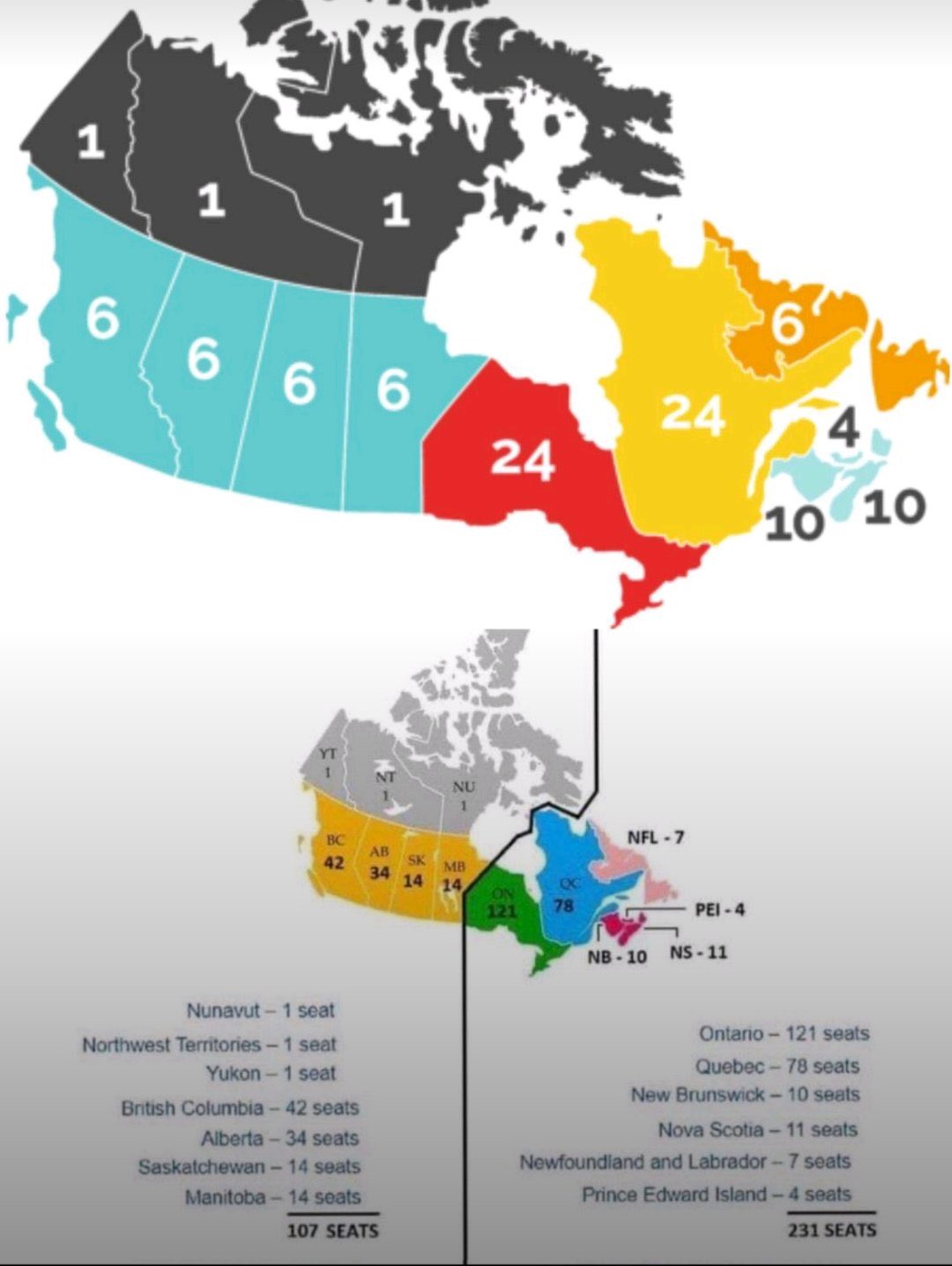
The Western Canada initiative isn’t just about reclaiming local control—it’s a powerful call to modernize Canada’s democratic structures. When we look at the numbers, the inequities are striking. Take, for example, regional representation in the House of Commons: Atlantic Canada, with roughly 2.2 million residents, is allocated 32 seats, meaning each representative serves about 68,750 constituents. In contrast, Alberta—home to approximately 4.4 million residents—receives only 34 seats, with each MP representing around 129,000 people. In percentage terms, that means an MP in Alberta represents about 88% more people than one in Atlantic Canada. This glaring disparity highlights how outdated electoral boundaries and centralized decision-making undermine the principles of direct democracy. By adopting a fairer referendum process and recalibrating seat allocations to reflect contemporary demographics, Canada can ensure that every vote carries equal weight. The Western initiative offers a blueprint for a renewed democratic model—one where accountability, meaningful public participation, and regional needs drive our nation’s future.

What Is at Stake?
The stakes in this initiative extend far beyond the administrative details of referendums. They cut to the heart of our democratic integrity—ensuring our processes truly reflect the will of the people and pave the way for greater self-determination across Canada.
British Columbia’s Inclusive Future
For British Columbia, the issue is one of inclusivity and representation. A modern referendum process would help bridge the gap between diverse urban centers and remote rural communities, enabling every resident to contribute to the discussion. What’s at stake is the province’s ability to harness its multifaceted cultural and economic strengths in policymaking.
Alberta’s Continuing Leadership
Alberta’s trailblazing reforms have already demonstrated what’s possible when a province modernizes its democratic process. What’s at stake is Alberta’s ability to maintain its role as a model of progressive governance—encouraging further innovation and ensuring that its citizens’ voices remain dynamically integrated into political decision-making.

Saskatchewan’s Potential Breakthrough
In Saskatchewan, the stakes are particularly high. With a rich history of community engagement and regional pride, any failure to update democratic procedures could stifle vital local voices. Conversely, embracing reform could unlock new opportunities for balanced representation, reinforcing the province’s role in shaping its own future.
Manitoba’s Balance of Interests
In Manitoba, ensuring that democratic processes are accessible and fair is essential to balancing the interests of both urban and rural populations. If reforms are not made, there is a risk of deepening existing divides, leaving underrepresented communities without a strong voice. Modernization is key to nurturing equitable development and robust civic engagement.
Why It Is Time to Act
Western Canada stands at a decisive crossroads. Federal policies and Eastern-centered mandates have long dictated how our regions manage their rich resources—often to our detriment. This petition is not solely about modernizing democratic processes; it is a call for Western sovereignty. We must reclaim control over our diverse industries, empower Indigenous and local communities, and reshape policies to reflect our unique realities. The time to act is now, before another day of standardized decisions further erodes our regional prosperity and identity.
1. BC’s Coastal Cry: Resisting Federal Overreach
In British Columbia, local communities and industries are uniquely intertwined with their natural environment. However, federal mandates crafted far from local realities often disrupt this delicate balance. Below are three key areas where federal overreach undermines BC's resilience and economic potential.
- Coastal Ecosystems and Indigenous Stewardship:
BC’s rugged coastlines and vibrant marine ecosystems depend on locally tailored management. Yet, federal projects like the Trans Mountain Pipeline expansion are pushed through without meaningful local consultation, jeopardizing fragile environments and sidelining Indigenous stewardship that has long protected these lands and waters. - Mining and LNG Development:
The province’s resource sectors—particularly mining and LNG—thrive on adaptive, community-led practices. Federal one-size-fits-all environmental assessments, however, ignore BC’s distinctive ecological conditions, stifling innovation and delaying projects that could bolster local economies through sustainable, region-specific development. - Maritime Trade and Port Regulation:
BC’s export-driven maritime industries rely on agile, locally informed port operations. Instead, federally imposed trade policies and port management regulations often conflict with local needs, diverting potential benefits and diminishing local control over the province’s vital coastal assets.
2. Alberta – Beyond Oil and Gas: Legal Battles, Carbon Policies, and More
Alberta’s energy sector is widely recognized, yet the province faces far-reaching federal interventions that extend well beyond oil and gas production.
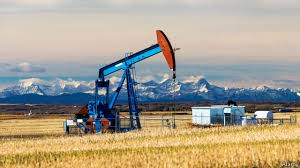
- Carbon Regulations and Emissions Caps: The federal government’s imposition of carbon pricing, emissions caps, and mandatory data-sharing measures have prompted Alberta’s leadership—through initiatives such as the Alberta Sovereignty Act—to challenge policies that they argue are designed without respect for provincial realities. For instance, Premier Danielle Smith has made headlines by declaring that energy companies’ greenhouse gas emissions data should be proprietary, countering federal mandates that many say stifle competitiveness and force production cuts.
- Ongoing Legal Challenges: Alberta is actively engaged in a series of legal battles—numbering in the teens—against federal policies, ranging from carbon tax disputes and challenges to the federal plastics ban to contesting environmental assessment regulations. These legal challenges highlight a recurring theme:
- Alberta’s local economic planning and resource management are continually hampered by national standards that some believe ignore the province’s distinct geological, economic, and societal context.
Impact on Rural and Diversified Sectors: Beyond energy, federal policies also extend to areas such as agriculture and manufacturing, where regulations designed on a one-size-fits-all basis have adverse effects on small businesses and rural communities. These measures can disrupt local supply chains and reduce Alberta’s ability to tailor policies that support all aspects of its economy—from vast oil sands and natural gas reserves to its thriving agricultural sectors.
`Together, these examples reveal a multi-layered assault on Alberta’s economic autonomy. The impact of federal overreach is not limited to a single industry; it permeates every facet of the province’s economy, putting Alberta at odds with policies that are often perceived as favoring Eastern corporate interests over local prosperity and local decision-making.
- Alberta’s local economic planning and resource management are continually hampered by national standards that some believe ignore the province’s distinct geological, economic, and societal context.
3. Saskatchewan – Exploitation in Canola, Potash, and Uranium
Saskatchewan’s vast prairies and mineral-rich deposits should be a beacon of self-reliance, yet federal mandates and trade policies consistently manipulate the province’s
- Agricultural Commodities: Canola farming in Saskatchewan—an industry central to the province’s identity—is subject to federal trade regulations and export strategies that often divert the bulk of its economic value away from local communities.
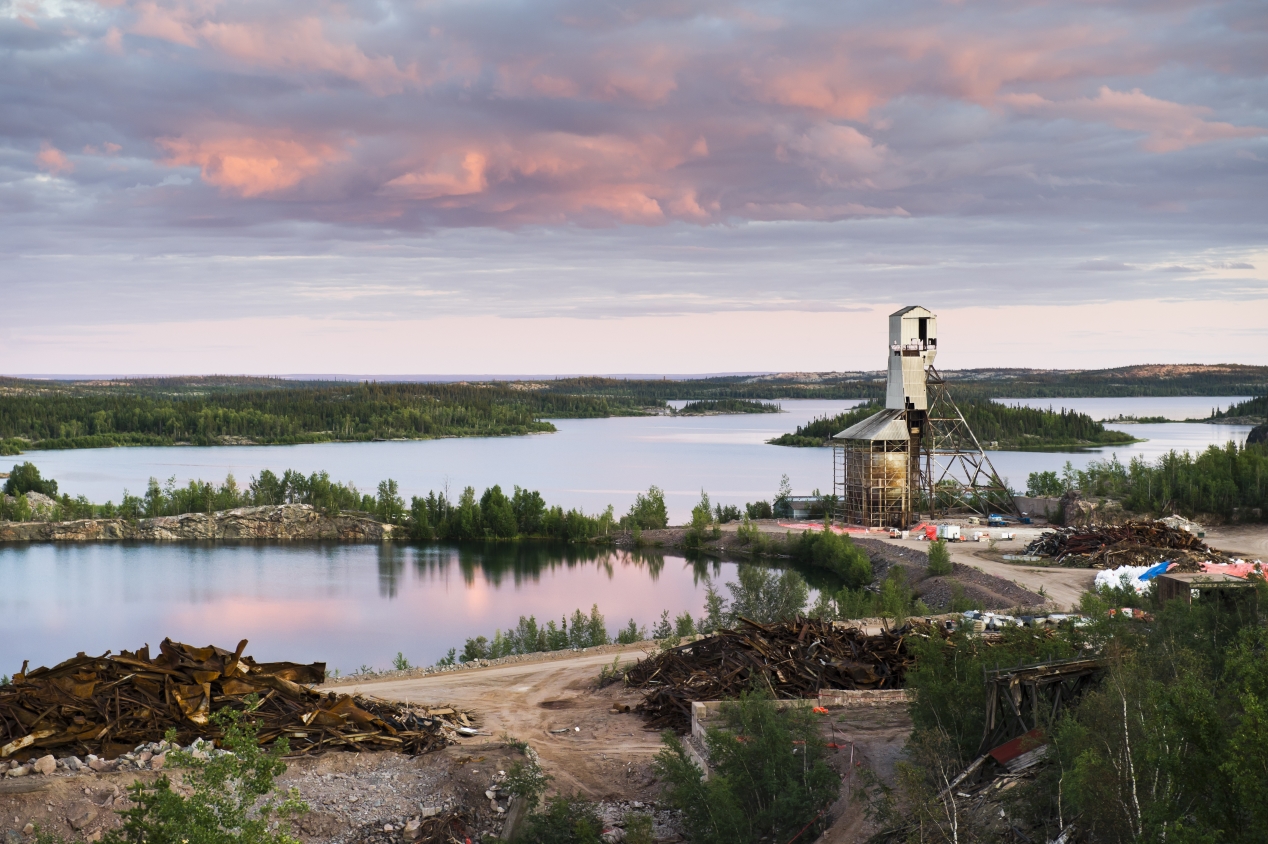
- Mineral Extraction: The production of potash and uranium, essential for both global markets and Saskatchewan’s economy, is similarly controlled by federal extraction quotas and regulatory frameworks that leave local producers with diminished returns.
- Cycle of Dependency: These measures force local farmers and miners into cycles where reinvestment is limited and industrial innovation is stifled, hampering the province’s ability to negotiate terms that best serve its regional needs.
In effect, Saskatchewan’s natural wealth is continuously tapped by federal policies that consolidate economic benefits in centralized budgets rather than fueling local growth.
4. Manitoba – Hindrances in Hydro Power, Forestry, and Environmental Management
Manitoba is endowed with abundant hydroelectric potential and extensive forests, providing a foundation for both clean energy and a sustainable resource-based economy.

- Hydroelectric and Forestry Sectors: Federal resource-sharing agreements and environmental mandates—often devised without sufficient local consultation—constrain Manitoba’s ability to optimize its hydro and forestry sectors.
- Environmental and Community Impacts: The standardized nature of these mandates not only limits the province’s ability to innovate but also imposes disproportionate environmental responsibilities on local communities, reducing their capacity to benefit from these natural assets.
- Lost Opportunity for Sustainable Growth: As federal priorities shift profits away from local reinvestment, Manitoba’s communities face an uphill battle in leveraging their natural resources for long-term, sustainable prosperity.
The outcome is a region burdened with obligations that curb both economic progress and the potential for a balanced approach to natural resource management.
5. Indigenous Communities, Environmental Stewardship, and the Vulnerable (Including the Territories)
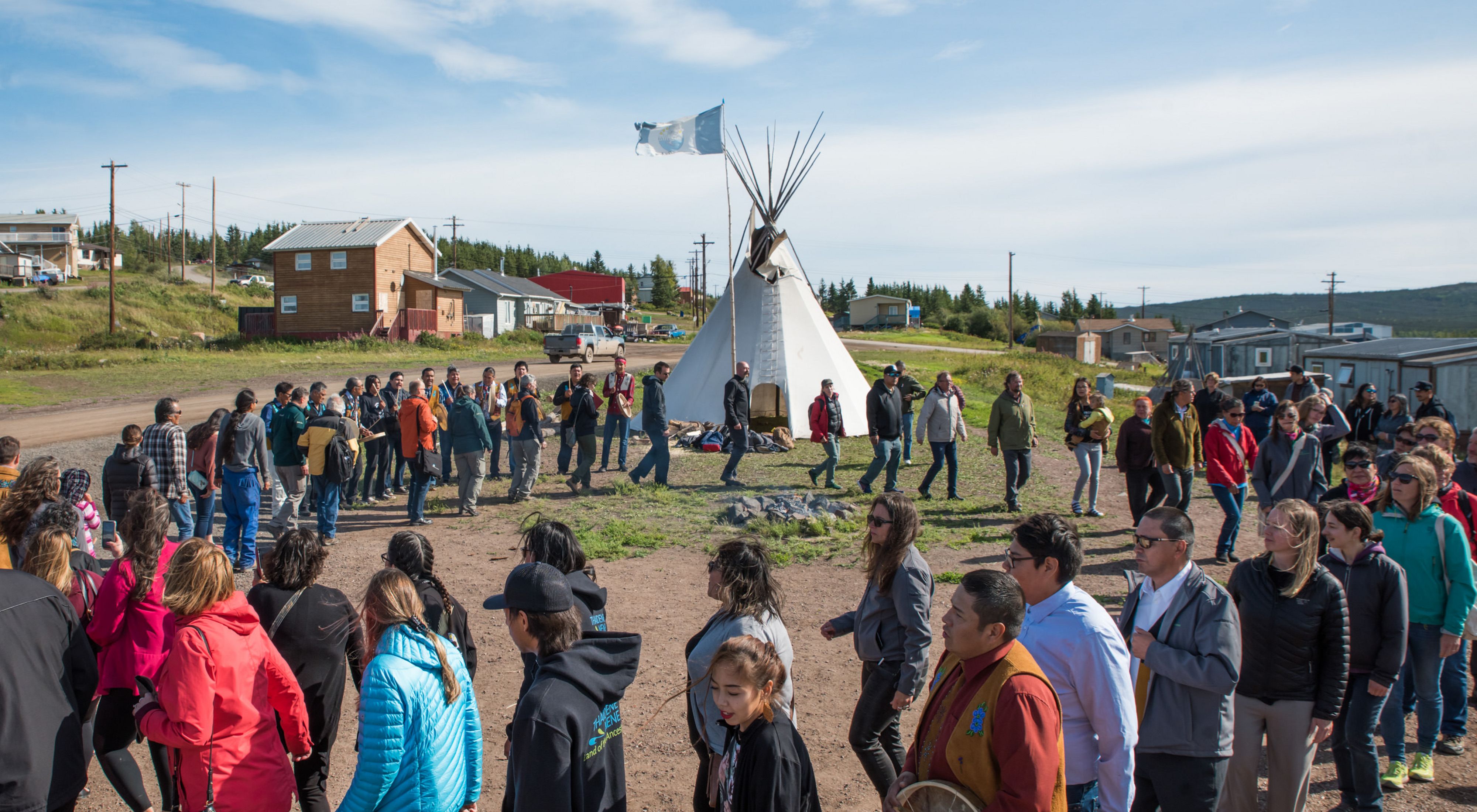
At the heart of Western Canada’s struggle lie our Indigenous communities, vulnerable populations, and residents of our northern territories—groups that have long depended on the careful stewardship of these lands and waters. For generations, these communities have maintained sustainable practices that honor both their deep cultural heritage and the natural environment. Yet federal policies have frequently marginalized their voices and diminished their rightful benefits.

- Marginalization and Lost Benefits: Federal policies have too often sidelined Indigenous perspectives and ignored the specific needs of territorial communities. This marginalization strips these groups of critical economic opportunities and the authority to manage their ancestral territories according to practices honed over centuries.
- Empowerment through Local Control: Reclaiming regional decision-making would empower Indigenous leaders in every corner of the West—from the coastal communities of BC to the remote settlements in the territories—to integrate traditional ecological knowledge into modern environmental management. This shift would ensure that resource extraction and economic growth initiatives respect both cultural heritage and the delicate balance of our ecosystems.
- Bridging Social and Economic Gaps: By embedding Indigenous perspectives and local expertise into policy decisions, Western Canada—including its northern territories—can work toward a more equitable distribution of resource revenues. Such a reformed approach would create opportunities that uplift the most vulnerable segments of our society, paving the way for sustainable, inclusive regional prosperity.
Advancing Treaty Relations through Shared Sovereignty
The pursuit of regional sovereignty is not intended to undermine existing treaties or Indigenous rights; rather, it aims to enrich and reaffirm them. Through a framework of shared sovereignty:
- Renewed, Respectful Dialogue: Localized decision-making creates a powerful platform for Indigenous leaders to reassert the terms of historic agreements. This enables treaty partners to engage in genuine, collaborative governance that honors the spirit and letter of treaty commitments.
- Strengthening Indigenous Treaty Rights: By integrating traditional practices and local expertise into policy-making, new governance models can craft rules that not only recognize but actively reinforce Indigenous treaty rights. This collaborative approach helps bridge past misunderstandings and builds trust for the future.
- Joint Stewardship of Lands and Resources: A rebalanced approach to regional sovereignty encourages the creation of mechanisms for shared control over natural resources. By fostering joint stewardship, both Indigenous communities and regional governments ensure that economic development and environmental protection go hand in hand.
This comprehensive and respectful approach not only advances social justice but establishes a resilient foundation for environmental stewardship, long-term regional success, and mutually beneficial treaty relations.
The Systemic Cycle of Exploitation - Ending Federal Overreach
From BC’s coastal and resource-based challenges, through Alberta’s multifaceted legal battles, Saskatchewan’s diverted agricultural and mineral wealth, Manitoba’s constrained growth, to the struggles faced in our northern territories, these issues all point to a systemic cycle of federal overreach. Ottawa’s one-size-fits-all policies relentlessly extract value from local economies, undermine regional innovation, and intensify our dependency on centralized decision-making—a model that is fundamentally at odds with the self-reliant ethos that has long defined the West and its diverse communities.
Environmental Technologies in Western Canada
Western Canada is leading a green revolution, proving that economic growth and environmental stewardship can thrive together. Here are a few standout initiatives that showcase our region's commitment to technological innovation and sustainable practices:
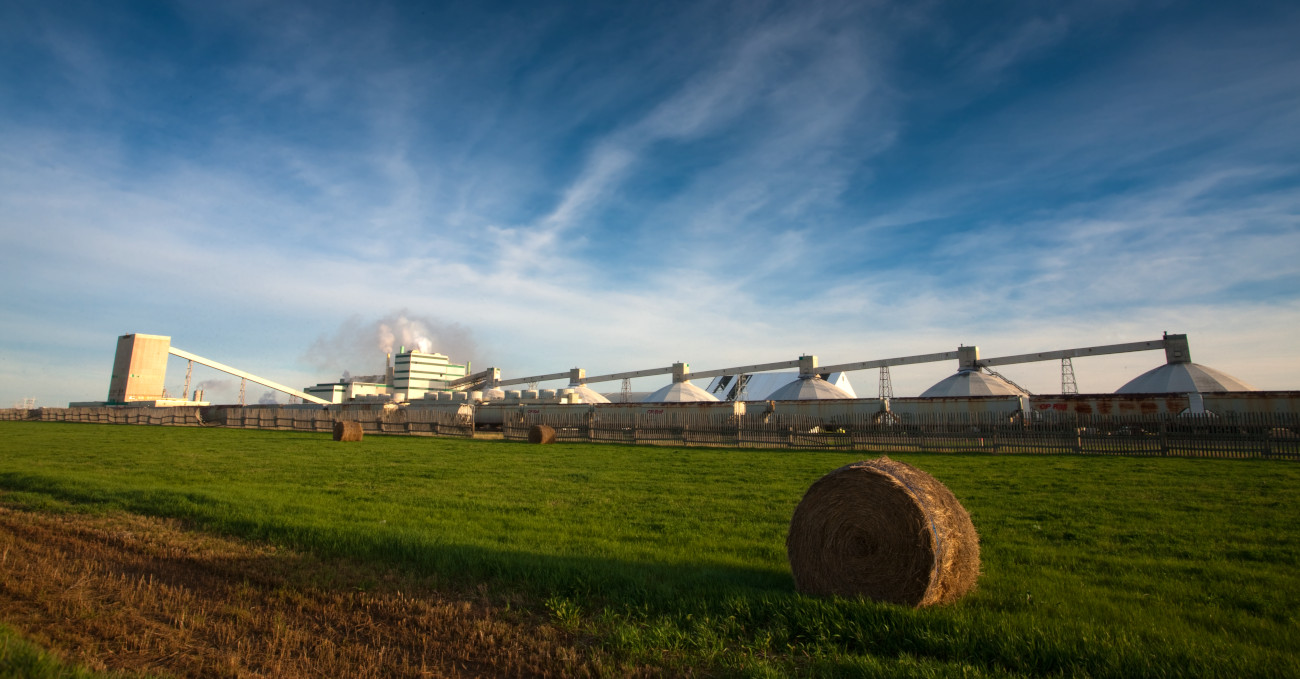
- Genesis Fertilizers – Low-Carbon Nitrogen Facility:
In Belle Plaine, Saskatchewan, Genesis Fertilizers is developing Canada’s first low-carbon nitrogen fertilizer facility. By integrating advanced carbon capture technology, this project sequesters significant amounts of CO₂ annually—a powerful fusion of modern agriculture and sustainable environmental practice. - Advanced Clean Energy Integration:
Leveraging the region’s abundant renewable resources, Western Canadian initiatives are pioneering solutions such as smart grids, high-efficiency solar panels, and innovative energy storage systems. These technologies streamline renewable energy integration, reduce reliance on fossil fuels, and cut overall carbon emissions. - Carbon Capture and Storage (CCS) Projects:
Across the West, next-generation CCS technologies are being deployed to mitigate the environmental impact of resource extraction. These initiatives not only aim to reduce greenhouse gas emissions but also set a new standard for sustainable industrial practices in our resource-rich region.
LNG: Fueling the Global Energy Future
Liquefied Natural Gas (LNG) plays a pivotal role in the global energy transition and is indispensable for modern economies worldwide. Here’s why LNG is so necessary:
- A Versatile Transition Fuel:
LNG is natural gas cooled into a liquid state, reducing its volume by about 600 times while maintaining its energy content. This makes it far easier to transport and store, positioning LNG as an ideal bridge to cleaner energy sources as renewable infrastructure continues to expand. Its clean-burning properties mean that LNG displaces higher-polluting fuels like coal and oil—significantly reducing greenhouse gas emissions during the critical phase of energy transformation. - Enhancing Global Energy Security:
LNG’s mobility ensures that regions without abundant natural gas resources can access a reliable, flexible, and cleaner energy supply. By diversifying energy sources, LNG enhances global energy security and stabilizes economies facing volatile traditional fuel markets. Its ability to be shipped across long distances helps stabilize supply in regions experiencing geopolitical uncertainty. - Economic and Geopolitical Impact:
The rapid growth of LNG is a game changer for the global economy. With major producers such as North America—and growing capacities in the Middle East and Asia—driving significant expansions in liquefaction and regasification infrastructure, LNG is reshaping global trade and energy geopolitics. Its strategic importance was underscored when shifts in traditional gas supplies forced regions to rely on LNG imports, proving that it can act as a vital substitute when conventional sources are disrupted. - Driving Innovation and Trade:
As global LNG supply capacity is expected to increase significantly by 2030, this growth supports not only domestic economic development but also international trade. LNG export markets are becoming key players, creating opportunities for job growth, technological advancement, and enhanced regional economic influence on the global stage.

A New Paradigm for Sustainability and Prosperity
Together, these innovations—from renewable energy integration and carbon capture to the transformative potential of LNG—underscore a compelling vision for a future where sustainability drives economic prosperity. Western Canada is setting a new benchmark, demonstrating that when we innovate responsibly, our industries can lead the charge toward a cleaner, more resilient, and more prosperous global economy.
By embracing groundbreaking environmental technologies and advancing the role of LNG as a strategic energy source, our region is not only securing its own future but also contributing to a global shift—a green revolution that balances economic growth with environmental stewardship.
A Call to Action:
We urge fellow Western Canadians to join this transformative movement—not only by signing this petition but by actively engaging with those in power. Reach out to your elected representatives at every level—whether they are Members of Parliament, MLAs, or local councilors—and let them know that our communities demand real, responsive change. Write emails, call offices, or attend local meetings to ensure that your concerns are heard and that decision-makers truly understand the unique challenges and opportunities of our region.

Mark Carney’s campaign has been marked by a series of glaring inconsistencies—from conflicting promises on energy policy to shifting stances on trade and industry support. Despite his assurances to catalyze economic growth and innovation, these contradictory messages have sown doubt among investors and industry leaders. As confidence wanes and policy direction blurs, the risk escalates that his approach will ostracize critical sectors by stifling the decisive reforms they need. Ultimately, this lack of clarity appears almost destined to erode the very foundation of our industrial base, leaving the region vulnerable to stagnant growth and missed opportunities, and ultimately the growing threat of a national break up!
Every day we delay further entrenches the current system, stripping away the potential for Western prosperity. It is time to act—before another decision made in Ottawa diminishes the economic, cultural, and environmental legacy of Western Canada.
All direct messages please send to WesternSovereignty@gmail.com
coming soon : https://www.sovereignsaskatchewan.ca
: https://www.EndFederalinjustice.ca
Please support : https://www.AlbertaProsperityProject.ca
Please Visit Sign and Share our sovereign Saskatchewan petition
https://www.change.org/sovereignsaskatchewan
#sovereignsaskatchewan #sasksovereignty #wexit

498
The Issue
Western Sovereignty - A Path to Autonomy
A Petition for Consideration
Non-Profit Grassroots Statement & Legal Notice:
This petition is the product of an objective-based, not-for-profit, grassroots citizens lead initiative dedicated solely to promoting transparent and equitable democratic processes in Saskatchewan. We are not offering any profit or financial opportunity, nor is this a binding investment scheme. Instead, it stands as a petition for consideration—an invitation for community review and voluntary participation, aimed at prompting legislative reform and ensuring that every Saskatchewan resident’s voice is heard through a fair referendum process. By supporting this petition, you acknowledge that your participation is entirely voluntary, without any legal obligation or inducement of personal gain, and that we are solely focused on fostering democratic accountability and representing the true spirit of our region. Moreover, it is important to note that neither this petition nor the organization behind it is affiliated with any political party or electoral campaign, nor does it serve as a platform for partisan politics.
Introduction:
Our region—from the vibrant economies of Alberta, Saskatchewan, British Columbia and Manitoba to the resilient northern territories—thrives on rich natural resources, deep cultural traditions, and sustainable practices passed down through generations, especially by our Indigenous communities. Yet, decisions made in Ottawa purposely neglect these local realities.
This petition is not a radical protest for separation without purpose; it is a carefully considered movement toward establishing regional governance that reflects our needs. By choosing the subtitle “A Path to Sovereignty,” we emphasize that the goal is to create a practical and inclusive framework for local decision-making—one that champions tailored solutions, fair representation, and economic empowerment. Put simply, it’s about ensuring that our voice counts in forging policies that directly impact our communities and environment. We believe that updating governance will not only benefit Western Canada, but also set an inspiring precedent for modernizing democratic structures across the nation.
Inspired by Premier Danielle Smith’s transformative reforms in Alberta, which successfully lowered referendum thresholds and extended signature collection periods, we call for a national review. This petition is not an immediate bid for separation or an official referendum but rather a petition for consideration—a crucial precursor designed to update outdated legal frameworks and lay the groundwork for fair future referenda.
Our vision is clear: to forge a path to sovereignty by modernizing the process. By building on Alberta’s pioneering lead, with a hopeful following emerging in Saskatchewan, we envision that British Columbia, Manitoba, and other provinces will join our call for change. When a formal referendum eventually takes shape, it will operate under strict timeframes and defined signature counts. For now, this petition serves as a platform to express widespread support, stimulate national dialogue, and compel policymakers to reexamine the rules that govern our democratic process.
Sovereignty in Canada: Autonomy Without Separation
Sovereignty and separation are often confused, but they are distinct political concepts. Sovereignty allows regions—especially in Western Canada—to govern themselves within the Canadian federation, asserting meaningful autonomy without severing ties. Separation, however, implies full independence and a complete breakaway from the country.
Canada’s history shows that sovereignty can evolve through constitutional change rather than outright separation. For instance, Quebec’s sovereignty movement has long sought greater self-rule within Canada, while many regions in Western Canada, including Alberta, Saskatchewan, Manitoba, and British Columbia, have consistently pushed for stronger provincial rights and local control. British Columbia, with its unique cultural identity and progressive approach to resource management and environmental policy, further exemplifies the regional drive for empowering local decision-making without fracturing national unity.
This vision reinforces that true autonomy comes not from division, but from rebalancing power so that regional voices are heard and respected within the framework of our great nation.
Petition Statement
We the undersigned, united by our commitment to a self-determined and prosperous Western Canada, hereby affirm our support for modernizing our democratic process and reclaiming regional governance.
By signing this petition, we demand that our elected representatives take immediate action to end federal overreach and implement reforms that recognize the unique cultural, economic, and environmental needs of the West. We call for a fair, transparent, and regionally tailored approach to policymaking—one that empowers local communities, honors Indigenous wisdom, and paves a clear path to sovereignty and prosperity.
Together, we set the course for a future where every Western voice is heard, and every decision reflects our commitment to progress and autonomy.
The Call for Immediate Reform
To break this exploitative cycle and reclaim regional autonomy, Western Canada must:
- Assert Regional Sovereignty: Insist that each province regains full control over its critical industries, tailoring regulations to local conditions rather than disparate national mandates.
- Unify Against Federal Overreach: Strengthen collaboration among BC, Alberta, Saskatchewan, and Manitoba to form a united front that resists policies designed for Eastern interests.
- Empower Indigenous and Vulnerable Communities: Incorporate Indigenous leadership and traditional knowledge into resource management—a step that promotes environmental stewardship and social equity.
- Modernize Democratic Processes: Develop transparent, accessible referendum mechanisms that allow Western citizens to challenge federally imposed policies and dictate their own future.
- Redistribute Resource Revenues: Ensure that profits from our natural resources—be they from fisheries, timber, oil and gas, agriculture, mining, or hydroelectric power—are reinvested locally, fueling sustainable growth and regional prosperity.
We invite all Canadians to lend their support and insights. Whether you’re in the heart of the West or from any part of the nation, your input is vital. Together, we can pave the way toward a more representative, empowered future—one that truly reflects the spirit and sovereignty of Western Canada.
Ending Federal Over-reach: A National Model for Democratic Renewal
The Western Canada initiative isn’t just about reclaiming local control—it’s a powerful call to modernize Canada’s democratic structures. When we look at the numbers, the inequities are striking. Take, for example, regional representation in the House of Commons: Atlantic Canada, with roughly 2.2 million residents, is allocated 32 seats, meaning each representative serves about 68,750 constituents. In contrast, Alberta—home to approximately 4.4 million residents—receives only 34 seats, with each MP representing around 129,000 people. In percentage terms, that means an MP in Alberta represents about 88% more people than one in Atlantic Canada. This glaring disparity highlights how outdated electoral boundaries and centralized decision-making undermine the principles of direct democracy. By adopting a fairer referendum process and recalibrating seat allocations to reflect contemporary demographics, Canada can ensure that every vote carries equal weight. The Western initiative offers a blueprint for a renewed democratic model—one where accountability, meaningful public participation, and regional needs drive our nation’s future.
What Is at Stake?
The stakes in this initiative extend far beyond the administrative details of referendums. They cut to the heart of our democratic integrity—ensuring our processes truly reflect the will of the people and pave the way for greater self-determination across Canada.
British Columbia’s Inclusive Future
For British Columbia, the issue is one of inclusivity and representation. A modern referendum process would help bridge the gap between diverse urban centers and remote rural communities, enabling every resident to contribute to the discussion. What’s at stake is the province’s ability to harness its multifaceted cultural and economic strengths in policymaking.
Alberta’s Continuing Leadership
Alberta’s trailblazing reforms have already demonstrated what’s possible when a province modernizes its democratic process. What’s at stake is Alberta’s ability to maintain its role as a model of progressive governance—encouraging further innovation and ensuring that its citizens’ voices remain dynamically integrated into political decision-making.
Saskatchewan’s Potential Breakthrough
In Saskatchewan, the stakes are particularly high. With a rich history of community engagement and regional pride, any failure to update democratic procedures could stifle vital local voices. Conversely, embracing reform could unlock new opportunities for balanced representation, reinforcing the province’s role in shaping its own future.
Manitoba’s Balance of Interests
In Manitoba, ensuring that democratic processes are accessible and fair is essential to balancing the interests of both urban and rural populations. If reforms are not made, there is a risk of deepening existing divides, leaving underrepresented communities without a strong voice. Modernization is key to nurturing equitable development and robust civic engagement.
Why It Is Time to Act
Western Canada stands at a decisive crossroads. Federal policies and Eastern-centered mandates have long dictated how our regions manage their rich resources—often to our detriment. This petition is not solely about modernizing democratic processes; it is a call for Western sovereignty. We must reclaim control over our diverse industries, empower Indigenous and local communities, and reshape policies to reflect our unique realities. The time to act is now, before another day of standardized decisions further erodes our regional prosperity and identity.
1. BC’s Coastal Cry: Resisting Federal Overreach
In British Columbia, local communities and industries are uniquely intertwined with their natural environment. However, federal mandates crafted far from local realities often disrupt this delicate balance. Below are three key areas where federal overreach undermines BC's resilience and economic potential.
- Coastal Ecosystems and Indigenous Stewardship:
BC’s rugged coastlines and vibrant marine ecosystems depend on locally tailored management. Yet, federal projects like the Trans Mountain Pipeline expansion are pushed through without meaningful local consultation, jeopardizing fragile environments and sidelining Indigenous stewardship that has long protected these lands and waters. - Mining and LNG Development:
The province’s resource sectors—particularly mining and LNG—thrive on adaptive, community-led practices. Federal one-size-fits-all environmental assessments, however, ignore BC’s distinctive ecological conditions, stifling innovation and delaying projects that could bolster local economies through sustainable, region-specific development. - Maritime Trade and Port Regulation:
BC’s export-driven maritime industries rely on agile, locally informed port operations. Instead, federally imposed trade policies and port management regulations often conflict with local needs, diverting potential benefits and diminishing local control over the province’s vital coastal assets.
2. Alberta – Beyond Oil and Gas: Legal Battles, Carbon Policies, and More
Alberta’s energy sector is widely recognized, yet the province faces far-reaching federal interventions that extend well beyond oil and gas production.
- Carbon Regulations and Emissions Caps: The federal government’s imposition of carbon pricing, emissions caps, and mandatory data-sharing measures have prompted Alberta’s leadership—through initiatives such as the Alberta Sovereignty Act—to challenge policies that they argue are designed without respect for provincial realities. For instance, Premier Danielle Smith has made headlines by declaring that energy companies’ greenhouse gas emissions data should be proprietary, countering federal mandates that many say stifle competitiveness and force production cuts.
- Ongoing Legal Challenges: Alberta is actively engaged in a series of legal battles—numbering in the teens—against federal policies, ranging from carbon tax disputes and challenges to the federal plastics ban to contesting environmental assessment regulations. These legal challenges highlight a recurring theme:
- Alberta’s local economic planning and resource management are continually hampered by national standards that some believe ignore the province’s distinct geological, economic, and societal context.
Impact on Rural and Diversified Sectors: Beyond energy, federal policies also extend to areas such as agriculture and manufacturing, where regulations designed on a one-size-fits-all basis have adverse effects on small businesses and rural communities. These measures can disrupt local supply chains and reduce Alberta’s ability to tailor policies that support all aspects of its economy—from vast oil sands and natural gas reserves to its thriving agricultural sectors.
`Together, these examples reveal a multi-layered assault on Alberta’s economic autonomy. The impact of federal overreach is not limited to a single industry; it permeates every facet of the province’s economy, putting Alberta at odds with policies that are often perceived as favoring Eastern corporate interests over local prosperity and local decision-making.
- Alberta’s local economic planning and resource management are continually hampered by national standards that some believe ignore the province’s distinct geological, economic, and societal context.
3. Saskatchewan – Exploitation in Canola, Potash, and Uranium
Saskatchewan’s vast prairies and mineral-rich deposits should be a beacon of self-reliance, yet federal mandates and trade policies consistently manipulate the province’s
- Agricultural Commodities: Canola farming in Saskatchewan—an industry central to the province’s identity—is subject to federal trade regulations and export strategies that often divert the bulk of its economic value away from local communities.
- Mineral Extraction: The production of potash and uranium, essential for both global markets and Saskatchewan’s economy, is similarly controlled by federal extraction quotas and regulatory frameworks that leave local producers with diminished returns.
- Cycle of Dependency: These measures force local farmers and miners into cycles where reinvestment is limited and industrial innovation is stifled, hampering the province’s ability to negotiate terms that best serve its regional needs.
In effect, Saskatchewan’s natural wealth is continuously tapped by federal policies that consolidate economic benefits in centralized budgets rather than fueling local growth.
4. Manitoba – Hindrances in Hydro Power, Forestry, and Environmental Management
Manitoba is endowed with abundant hydroelectric potential and extensive forests, providing a foundation for both clean energy and a sustainable resource-based economy.
- Hydroelectric and Forestry Sectors: Federal resource-sharing agreements and environmental mandates—often devised without sufficient local consultation—constrain Manitoba’s ability to optimize its hydro and forestry sectors.
- Environmental and Community Impacts: The standardized nature of these mandates not only limits the province’s ability to innovate but also imposes disproportionate environmental responsibilities on local communities, reducing their capacity to benefit from these natural assets.
- Lost Opportunity for Sustainable Growth: As federal priorities shift profits away from local reinvestment, Manitoba’s communities face an uphill battle in leveraging their natural resources for long-term, sustainable prosperity.
The outcome is a region burdened with obligations that curb both economic progress and the potential for a balanced approach to natural resource management.
5. Indigenous Communities, Environmental Stewardship, and the Vulnerable (Including the Territories)
At the heart of Western Canada’s struggle lie our Indigenous communities, vulnerable populations, and residents of our northern territories—groups that have long depended on the careful stewardship of these lands and waters. For generations, these communities have maintained sustainable practices that honor both their deep cultural heritage and the natural environment. Yet federal policies have frequently marginalized their voices and diminished their rightful benefits.
- Marginalization and Lost Benefits: Federal policies have too often sidelined Indigenous perspectives and ignored the specific needs of territorial communities. This marginalization strips these groups of critical economic opportunities and the authority to manage their ancestral territories according to practices honed over centuries.
- Empowerment through Local Control: Reclaiming regional decision-making would empower Indigenous leaders in every corner of the West—from the coastal communities of BC to the remote settlements in the territories—to integrate traditional ecological knowledge into modern environmental management. This shift would ensure that resource extraction and economic growth initiatives respect both cultural heritage and the delicate balance of our ecosystems.
- Bridging Social and Economic Gaps: By embedding Indigenous perspectives and local expertise into policy decisions, Western Canada—including its northern territories—can work toward a more equitable distribution of resource revenues. Such a reformed approach would create opportunities that uplift the most vulnerable segments of our society, paving the way for sustainable, inclusive regional prosperity.
Advancing Treaty Relations through Shared Sovereignty
The pursuit of regional sovereignty is not intended to undermine existing treaties or Indigenous rights; rather, it aims to enrich and reaffirm them. Through a framework of shared sovereignty:
- Renewed, Respectful Dialogue: Localized decision-making creates a powerful platform for Indigenous leaders to reassert the terms of historic agreements. This enables treaty partners to engage in genuine, collaborative governance that honors the spirit and letter of treaty commitments.
- Strengthening Indigenous Treaty Rights: By integrating traditional practices and local expertise into policy-making, new governance models can craft rules that not only recognize but actively reinforce Indigenous treaty rights. This collaborative approach helps bridge past misunderstandings and builds trust for the future.
- Joint Stewardship of Lands and Resources: A rebalanced approach to regional sovereignty encourages the creation of mechanisms for shared control over natural resources. By fostering joint stewardship, both Indigenous communities and regional governments ensure that economic development and environmental protection go hand in hand.
This comprehensive and respectful approach not only advances social justice but establishes a resilient foundation for environmental stewardship, long-term regional success, and mutually beneficial treaty relations.
The Systemic Cycle of Exploitation - Ending Federal Overreach
From BC’s coastal and resource-based challenges, through Alberta’s multifaceted legal battles, Saskatchewan’s diverted agricultural and mineral wealth, Manitoba’s constrained growth, to the struggles faced in our northern territories, these issues all point to a systemic cycle of federal overreach. Ottawa’s one-size-fits-all policies relentlessly extract value from local economies, undermine regional innovation, and intensify our dependency on centralized decision-making—a model that is fundamentally at odds with the self-reliant ethos that has long defined the West and its diverse communities.
Environmental Technologies in Western Canada
Western Canada is leading a green revolution, proving that economic growth and environmental stewardship can thrive together. Here are a few standout initiatives that showcase our region's commitment to technological innovation and sustainable practices:
- Genesis Fertilizers – Low-Carbon Nitrogen Facility:
In Belle Plaine, Saskatchewan, Genesis Fertilizers is developing Canada’s first low-carbon nitrogen fertilizer facility. By integrating advanced carbon capture technology, this project sequesters significant amounts of CO₂ annually—a powerful fusion of modern agriculture and sustainable environmental practice. - Advanced Clean Energy Integration:
Leveraging the region’s abundant renewable resources, Western Canadian initiatives are pioneering solutions such as smart grids, high-efficiency solar panels, and innovative energy storage systems. These technologies streamline renewable energy integration, reduce reliance on fossil fuels, and cut overall carbon emissions. - Carbon Capture and Storage (CCS) Projects:
Across the West, next-generation CCS technologies are being deployed to mitigate the environmental impact of resource extraction. These initiatives not only aim to reduce greenhouse gas emissions but also set a new standard for sustainable industrial practices in our resource-rich region.
LNG: Fueling the Global Energy Future
Liquefied Natural Gas (LNG) plays a pivotal role in the global energy transition and is indispensable for modern economies worldwide. Here’s why LNG is so necessary:
- A Versatile Transition Fuel:
LNG is natural gas cooled into a liquid state, reducing its volume by about 600 times while maintaining its energy content. This makes it far easier to transport and store, positioning LNG as an ideal bridge to cleaner energy sources as renewable infrastructure continues to expand. Its clean-burning properties mean that LNG displaces higher-polluting fuels like coal and oil—significantly reducing greenhouse gas emissions during the critical phase of energy transformation. - Enhancing Global Energy Security:
LNG’s mobility ensures that regions without abundant natural gas resources can access a reliable, flexible, and cleaner energy supply. By diversifying energy sources, LNG enhances global energy security and stabilizes economies facing volatile traditional fuel markets. Its ability to be shipped across long distances helps stabilize supply in regions experiencing geopolitical uncertainty. - Economic and Geopolitical Impact:
The rapid growth of LNG is a game changer for the global economy. With major producers such as North America—and growing capacities in the Middle East and Asia—driving significant expansions in liquefaction and regasification infrastructure, LNG is reshaping global trade and energy geopolitics. Its strategic importance was underscored when shifts in traditional gas supplies forced regions to rely on LNG imports, proving that it can act as a vital substitute when conventional sources are disrupted. - Driving Innovation and Trade:
As global LNG supply capacity is expected to increase significantly by 2030, this growth supports not only domestic economic development but also international trade. LNG export markets are becoming key players, creating opportunities for job growth, technological advancement, and enhanced regional economic influence on the global stage.
A New Paradigm for Sustainability and Prosperity
Together, these innovations—from renewable energy integration and carbon capture to the transformative potential of LNG—underscore a compelling vision for a future where sustainability drives economic prosperity. Western Canada is setting a new benchmark, demonstrating that when we innovate responsibly, our industries can lead the charge toward a cleaner, more resilient, and more prosperous global economy.
By embracing groundbreaking environmental technologies and advancing the role of LNG as a strategic energy source, our region is not only securing its own future but also contributing to a global shift—a green revolution that balances economic growth with environmental stewardship.
A Call to Action:
We urge fellow Western Canadians to join this transformative movement—not only by signing this petition but by actively engaging with those in power. Reach out to your elected representatives at every level—whether they are Members of Parliament, MLAs, or local councilors—and let them know that our communities demand real, responsive change. Write emails, call offices, or attend local meetings to ensure that your concerns are heard and that decision-makers truly understand the unique challenges and opportunities of our region.
Mark Carney’s campaign has been marked by a series of glaring inconsistencies—from conflicting promises on energy policy to shifting stances on trade and industry support. Despite his assurances to catalyze economic growth and innovation, these contradictory messages have sown doubt among investors and industry leaders. As confidence wanes and policy direction blurs, the risk escalates that his approach will ostracize critical sectors by stifling the decisive reforms they need. Ultimately, this lack of clarity appears almost destined to erode the very foundation of our industrial base, leaving the region vulnerable to stagnant growth and missed opportunities, and ultimately the growing threat of a national break up!
Every day we delay further entrenches the current system, stripping away the potential for Western prosperity. It is time to act—before another decision made in Ottawa diminishes the economic, cultural, and environmental legacy of Western Canada.
All direct messages please send to WesternSovereignty@gmail.com
coming soon : https://www.sovereignsaskatchewan.ca
: https://www.EndFederalinjustice.ca
Please support : https://www.AlbertaProsperityProject.ca
Please Visit Sign and Share our sovereign Saskatchewan petition
https://www.change.org/sovereignsaskatchewan
#sovereignsaskatchewan #sasksovereignty #wexit
Supporter Voices
Petition Updates
Share this petition
Petition created on April 30, 2025