

HUNGER STRIKE for Stopping the Construction of the U.S. Military Base
The Issue
May 15, 2022 marks the 50th anniversary of the reversion of Okinawa from the U.S. to Japan.
What has changed in Okinawa in the past 50 years?
The most notable aspect of the change would be the development of public infrastructure, such as airports, roads and seaports and it is not deniable that Okinawa has become materially affluent since the land was returned to Japanese sovereignty as the Okinawa Prefecture. However, many issues remain unresolved. Its heavy reliance on the serviceindustries has created systematic pay gaps and income inequality between those who live in Okinawa and the average of those who live in the rest of Japan. There is also the pressing need for tackling the uncontrolled land development and environmental destruction. The effectiveness of the various projects, which have been promoted by “the Act on Special Measures for the Promotion and Development of Okinawa”, for improving the quality of lives of the people of Okinawa and their contribution to the local community need to be evaluated. The promotion and economic policies, and social welfare and health services also need to be reexamined for future prosperity and according to the SDGs.
The biggest issue which has remained since the reversion of Okinawa to Japan and even since the end of the WWII is the presence of theU.S. military bases which have been unevenly constructed in Okinawa, who is the host of 70.3% of the U.S. military bases in Japan. The number of incidents and crimes, and the cases of noise and environmental pollution have been soaring as a result of the military presence. The effort of any corrective measures have been prevented by the Japan-U.S. Status of Forces Agreement and the series of its practical agreement.
Three years have also passed since the Okinawa prefectural referendum which queried about the landfill work for the new base in Henoko in February 2019. The central government failed to accept the poll results which revealed that 72% of the casted ballots opposed the construction. It is no exaggeration say that the military base has been the serious problem in the past five decades.
How much longer would the people of Okinawa have to bear this situation?
Eisaku SATO, the then prime minister who pushed for the reversion of Okinawa to Japan, stated when he landed at Naha Air Base in the summer of 1965;
"During the 20 years of the separation of Okinawa from the rest of Japan, we, the people of Japan, never forgot about the 900,000 people who lived in Okinawa at the time, not even for a moment. ... I am well aware that the “postwar period” of Japan will not terminate until Okinawa is returned to Japan. I believe that this is the feeling shared by all Japanese citizens.”
Have the issues surrounding the military bases in Okinawa been forgotten by the people of Japan? Unless the issue of the military bases in Okinawa is “resolved,” the “reversion” and even the “post-war period” would not be truly over for the people of Okinawa.
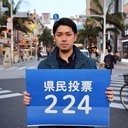
As a person from Okinawa, I demand an immediate termination of the construction of the new military base in Henoko, and a substantial reduction of the number of U.S. military bases in Okinawa through discussions with the governments of the U.S., Japan and the prefectural government of Okinawa.
Former Representative of “Henoko” Okinawa Prefectural Referendum Committee/ Ph. D. Student of Graduate School of Law, Hitotsubashi University
Jinshiro MOTOYAMA
May 9, 2022
Petition Closed
The Issue
May 15, 2022 marks the 50th anniversary of the reversion of Okinawa from the U.S. to Japan.
What has changed in Okinawa in the past 50 years?
The most notable aspect of the change would be the development of public infrastructure, such as airports, roads and seaports and it is not deniable that Okinawa has become materially affluent since the land was returned to Japanese sovereignty as the Okinawa Prefecture. However, many issues remain unresolved. Its heavy reliance on the serviceindustries has created systematic pay gaps and income inequality between those who live in Okinawa and the average of those who live in the rest of Japan. There is also the pressing need for tackling the uncontrolled land development and environmental destruction. The effectiveness of the various projects, which have been promoted by “the Act on Special Measures for the Promotion and Development of Okinawa”, for improving the quality of lives of the people of Okinawa and their contribution to the local community need to be evaluated. The promotion and economic policies, and social welfare and health services also need to be reexamined for future prosperity and according to the SDGs.
The biggest issue which has remained since the reversion of Okinawa to Japan and even since the end of the WWII is the presence of theU.S. military bases which have been unevenly constructed in Okinawa, who is the host of 70.3% of the U.S. military bases in Japan. The number of incidents and crimes, and the cases of noise and environmental pollution have been soaring as a result of the military presence. The effort of any corrective measures have been prevented by the Japan-U.S. Status of Forces Agreement and the series of its practical agreement.
Three years have also passed since the Okinawa prefectural referendum which queried about the landfill work for the new base in Henoko in February 2019. The central government failed to accept the poll results which revealed that 72% of the casted ballots opposed the construction. It is no exaggeration say that the military base has been the serious problem in the past five decades.
How much longer would the people of Okinawa have to bear this situation?
Eisaku SATO, the then prime minister who pushed for the reversion of Okinawa to Japan, stated when he landed at Naha Air Base in the summer of 1965;
"During the 20 years of the separation of Okinawa from the rest of Japan, we, the people of Japan, never forgot about the 900,000 people who lived in Okinawa at the time, not even for a moment. ... I am well aware that the “postwar period” of Japan will not terminate until Okinawa is returned to Japan. I believe that this is the feeling shared by all Japanese citizens.”
Have the issues surrounding the military bases in Okinawa been forgotten by the people of Japan? Unless the issue of the military bases in Okinawa is “resolved,” the “reversion” and even the “post-war period” would not be truly over for the people of Okinawa.
As a person from Okinawa, I demand an immediate termination of the construction of the new military base in Henoko, and a substantial reduction of the number of U.S. military bases in Okinawa through discussions with the governments of the U.S., Japan and the prefectural government of Okinawa.
Former Representative of “Henoko” Okinawa Prefectural Referendum Committee/ Ph. D. Student of Graduate School of Law, Hitotsubashi University
Jinshiro MOTOYAMA
May 9, 2022
The Decision Makers

Petition Updates
Share this petition
Petition created on May 9, 2022